

To protect yourself from the rising drug prices triggered by new 100 percent pharmaceutical tariffs, you must actively reduce your physiological reliance on the medical system. By adopting targeted lifestyle strategies and learning to navigate the shifting healthcare landscape, you can build a resilient foundation that shields both your body and your wallet. The recent executive actions on imported patented pharmaceuticals and active ingredients represent a massive economic shift, with an estimated 23 billion dollars in new costs looming over the market. Experts warn these staggering expenses will inevitably trickle down to your pharmacy counter. You can no longer depend on the traditional healthcare model as a passive safety net; surviving this high-cost era requires aggressive, proactive health management.
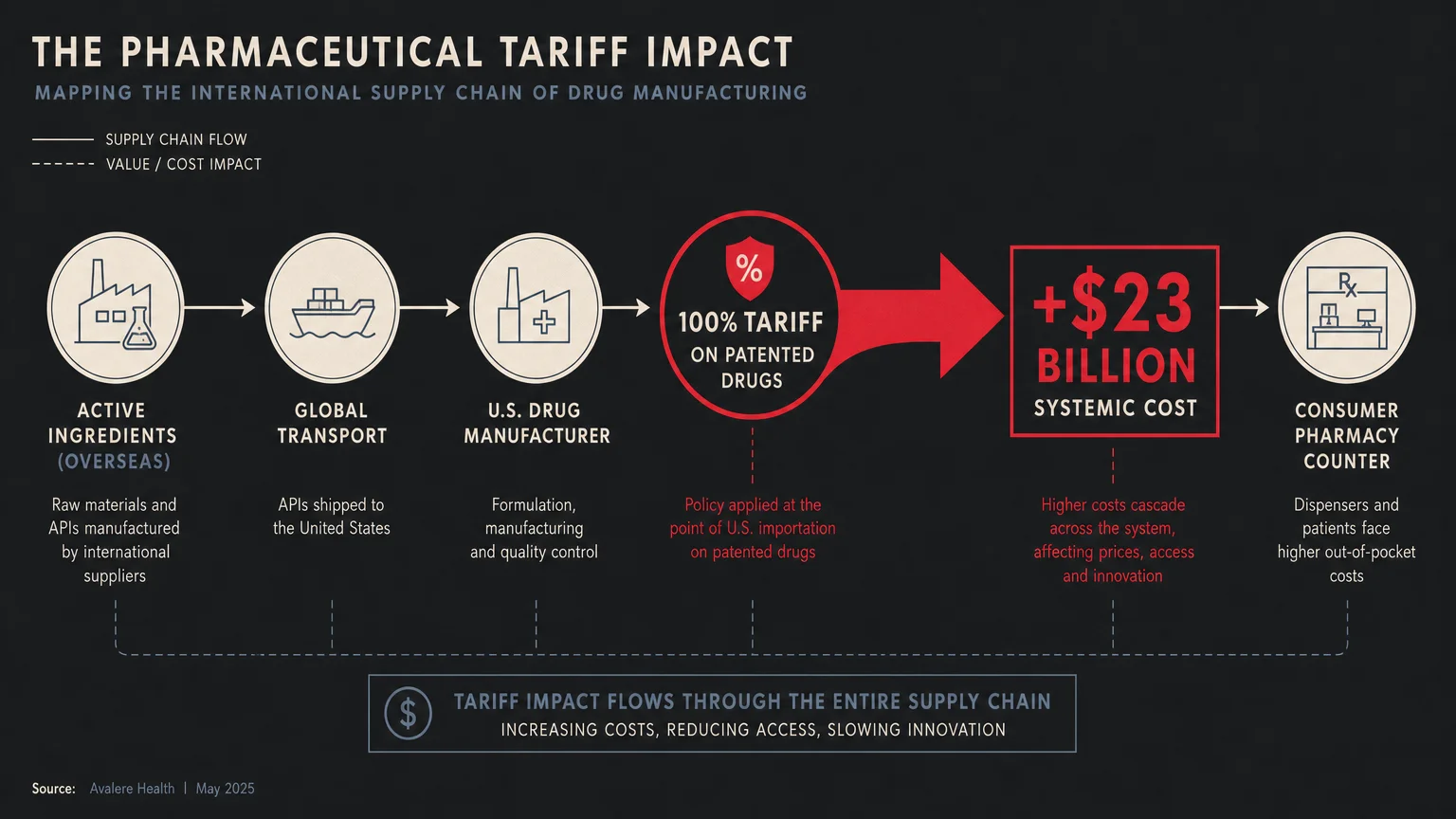
The Science Snapshot: Understanding the Tariff Impact
The global pharmaceutical supply chain relies heavily on international manufacturing. Most active pharmaceutical ingredients—the essential raw chemicals that make your medications function safely—originate overseas. Recent trade policies impose 100 percent tariffs on many imported patented medications and their core chemical ingredients. While policymakers designed these levies to force companies to relocate manufacturing back to the United States, the short-term reality involves severe economic friction and inevitable price hikes.
When corporations face a doubling of import taxes on exclusive formulas, they rarely absorb those losses. Instead, those localized manufacturing costs shift directly into the consumer healthcare system. Economists project these tariffs could introduce up to 23 billion dollars in new systemic costs. For you, this translates to higher insurance premiums, elevated copays, and steeper out-of-pocket expenses at the pharmacy. Because these policies specifically target patented medications while largely exempting generics, the price gap between innovative therapies and standard legacy treatments will widen dramatically over the coming years.
Nutrition Strategies to Manage Metabolic Health
Many of the most expensive patented medications on the market today treat complex conditions rooted in long-term metabolic dysfunction; these include cutting-edge injectables for type 2 diabetes, proprietary statins for hypertension, and advanced biologics for cardiovascular disease. Because the new pharmaceutical tariffs disproportionately penalize these innovative metabolic drugs, optimizing your daily nutrition stands as your most formidable defense against rising healthcare costs. What you consistently place on your plate directly dictates your physiological reliance on external chemical interventions.
Dietary fiber serves as a vital cornerstone of profound metabolic resilience. By consuming a wide variety of plant-based foods, you naturally regulate your blood glucose levels, cultivate a robust gut microbiome, and systemically reduce the cellular inflammation that drives chronic disease. Soluble fiber actively binds to circulating cholesterol in your digestive tract, helping your body safely excrete it before it ever permeates your bloodstream. When you effectively manage your lipid profile through whole, nutrient-dense foods, you potentially delay or entirely eliminate the need for costly lipid-lowering medications. You can find comprehensive, evidence-based guidance on building a sustainable, fiber-rich dietary pattern through the Centers for Disease Control and Prevention, which emphasizes the critical importance of whole foods in disease prevention.
Beyond prioritizing fiber, minimizing your intake of ultra-processed foods improves your underlying cellular health. Foods engineered with refined sugars and oxidized seed oils chronically promote insulin resistance—a primary driver of metabolic disease. Transitioning your meals toward whole ingredients helps maintain a stable endocrine system. Working alongside a registered dietitian provides personalized, highly actionable strategies to align meals with your metabolic profile. A professional can help navigate food deserts and budget constraints, ensuring your approach remains sustainable and effective at minimizing medical overhead.

Movement as Preventive Medicine
Physical activity represents the most underutilized, extraordinarily cost-effective prescription available in modern preventive medicine. Regular, intentional movement acts as a powerful systemic intervention; it improves cardiovascular efficiency, enhances cognitive function, and strengthens musculoskeletal integrity. As the financial barriers to accessing pharmaceutical pain management and advanced cardiovascular therapies surge under new tariff structures, building a robust, consistent physical routine transitions from a wellness goal to an urgent economic priority.
Cardiovascular exercise structurally remodels your heart, lungs, and blood vessels over time. When you engage in consistent aerobic activities—such as brisk walking, lap swimming, or steady cycling—your vascular system increases its natural production of nitric oxide. This critical molecule naturally dilates your blood vessels and reliably lowers your resting blood pressure, effectively mimicking the exact biological mechanisms of several highly prescribed, heavily patented hypertensive medications. Public health institutions, including the World Health Organization, strongly recommend accumulating a minimum of 150 minutes of moderate-intensity aerobic activity every week to maximize these cardiovascular adaptations and mitigate severe chronic disease risks.
Resistance training offers equally vital protective benefits by acting as a highly efficient metabolic sink for circulating blood sugar. Your skeletal muscle tissue consumes massive amounts of glucose both during and after intense strength-based exercises. By actively building and maintaining muscle mass through targeted bodyweight exercises, free weights, or resistance bands, you dramatically improve your systemic insulin sensitivity. Furthermore, strengthening the supportive muscles surrounding your major joints significantly reduces the chronic pain associated with osteoarthritis, potentially lowering your daily reliance on expensive patented anti-inflammatory medications.

Mindset and Stress Reduction for Cellular Resilience
The profound connection between your psychological state and your physical body directly influences your overall disease burden and your subsequent need for medical intervention. Unmanaged chronic stress triggers a relentless release of cortisol and adrenaline; these survival hormones inevitably elevate your baseline blood pressure, suppress vital immune functions, and disrupt essential metabolic pathways. This resulting cascade of systemic inflammation frequently manifests as tangible, painful physical ailments that ultimately drive patients to the pharmacy counter in search of relief.
Implementing structured, daily stress reduction techniques can dramatically lower your body’s dangerous inflammatory burden. Practices such as conscious breathwork, somatic experiencing, and mindfulness meditation directly stimulate your vagus nerve and activate your parasympathetic nervous system, forcefully shifting your body out of a destructive fight-or-flight state. By dedicating just fifteen minutes a morning to guided relaxation or deep diaphragmatic breathing, you actively repair the physiological wear and tear that precipitates chronic autoimmune and cardiovascular illnesses. These potent regulatory practices require absolutely zero financial investment, yet they yield immense, quantifiable biological dividends that protect your health over the long term.
Sleep hygiene forms the other indispensable half of the mindset and nervous system recovery equation. Chronic insomnia and deeply fragmented sleep architecture exacerbate daytime anxiety, heighten your baseline pain perception, and severely disrupt overnight glucose metabolism. Rather than reaching for costly, habit-forming pharmaceutical sleep aids, you can radically optimize your restorative rest by regulating your biological circadian rhythm. Maintaining strict, consistent wake times and aggressively reducing blue light exposure in the evening drastically improves your natural melatonin production. For evidence-based protocols on optimizing your nighttime routines, you can explore resources provided by the National Institutes of Health.

Navigating Medical Care in a High-Cost Era
Even with an impeccable, highly disciplined lifestyle, you may still encounter situations that require precise medical interventions. Navigating the modern healthcare system strategically becomes absolutely essential when sweeping pharmaceutical tariffs threaten to unpredictably drive up your basic medication costs. Because recent executive trade actions specifically target patented, brand-name pharmaceuticals and their imported active ingredients while largely exempting older generic medications, this critical distinction offers a vital, completely legal pathway for you to manage your healthcare expenses effectively.
When your provider prescribes a new medication, advocate for yourself by explicitly asking about generic alternatives or therapeutic equivalents. Generics utilize the exact same active ingredients as their highly advertised brand-name counterparts and must meet identical federal safety standards, yet they reliably cost a fraction of the retail price. As Dr. Jane Miller, a clinical pharmacist, frequently reminds her patients, a newer patented medication does not automatically guarantee a better clinical outcome; it often simply reflects a larger corporate marketing budget. By maintaining an open dialogue with your physician about the financial realities of your treatment, you ensure your care remains medically robust and economically sustainable.
Additionally, you can leverage community resources and the deep expertise of your local pharmacist to minimize your out-of-pocket healthcare costs. Pharmacists possess profound, specialized knowledge of complex drug formularies and can often recommend older, completely off-patent medications within the exact same drug class that provide virtually identical clinical outcomes. If your specific medical condition requires a patented medication that currently lacks a direct generic equivalent, you should aggressively explore manufacturer patient assistance programs or non-profit discount platforms. Organizations dedicated to comprehensive patient advocacy, such as the American Heart Association, frequently provide excellent, up-to-date guidance on navigating convoluted healthcare costs.
Frequently Asked Questions About Pharmaceutical Tariffs
Will all of my current medications suddenly become more expensive?
Not necessarily. The tariff structure primarily targets imported patented pharmaceuticals and specific active ingredients used in proprietary formulations. Generic medications, which constitute the vast majority of prescriptions filled in the United States, currently hold exemptions under these specific trade policies. However, if the global supply chain for raw materials faces prolonged disruption, even standard generic prices could experience secondary inflation over time.
How quickly will I notice these prescription drug prices rising?
Federal trade policies and broad international tariffs typically create rolling, delayed economic impacts rather than immediate overnight price spikes. Because major pharmaceutical companies secure complex, long-term pricing contracts with their core suppliers and domestic pharmacy benefit managers, you will likely see gradual shifts during your annual insurance enrollment periods or when your local pharmacy inevitably updates its master formulary pricing.
Can I use lifestyle changes to entirely replace my current prescriptions?
You should never abruptly alter your prescribed medication regimen without direct medical supervision. Lifestyle interventions—like strategic nutrition, deliberate movement, and sleep optimization—serve as powerful adjunct therapies that improve your baseline health, but they do not act as immediate replacements for acute medical emergencies. Work collaboratively with your healthcare provider to implement lifestyle changes safely; over time, as your clinical biomarkers steadily improve, your physician may safely guide you through tapering off certain high-cost medications.
Where can I find affordable alternatives if my necessary medication cost doubles?
If a sudden, tariff-driven price hike impacts your prescribed daily therapy, your absolute first step is consulting your trusted local pharmacist. They can swiftly identify cheaper therapeutic alternatives, suggest different compounding formulations, or flag off-patent options that achieve the exact same clinical result. Additionally, you can actively utilize independent prescription discount digital platforms, seek out community health centers that confidently offer sliding-scale pharmacies, or apply directly for income-based patient assistance programs managed through pharmaceutical manufacturers.
Your Next Steps for Sustainable Health
The shifting landscape of international tariffs and domestic healthcare costs can easily feel overwhelming, but you possess immense personal agency over your well-being. By viewing daily lifestyle choices as proactive investments, you steadily build a resilient biological buffer against unpredictable medical expenses. You do not need to overhaul your entire life overnight to see meaningful, protective benefits.
Begin with a single, manageable action today. You might schedule a medication review with your primary care physician to discuss generic alternatives for your current prescriptions, or simply commit to adding one extra serving of fibrous vegetables to your evening meal. Consider taking a deliberate ten-minute walk after lunch to naturally support your metabolic health. As you implement these small, consistent changes, ask yourself: what simple, accessible habit can you cultivate today to protect your vitality and your wallet tomorrow?








Leave a Reply