
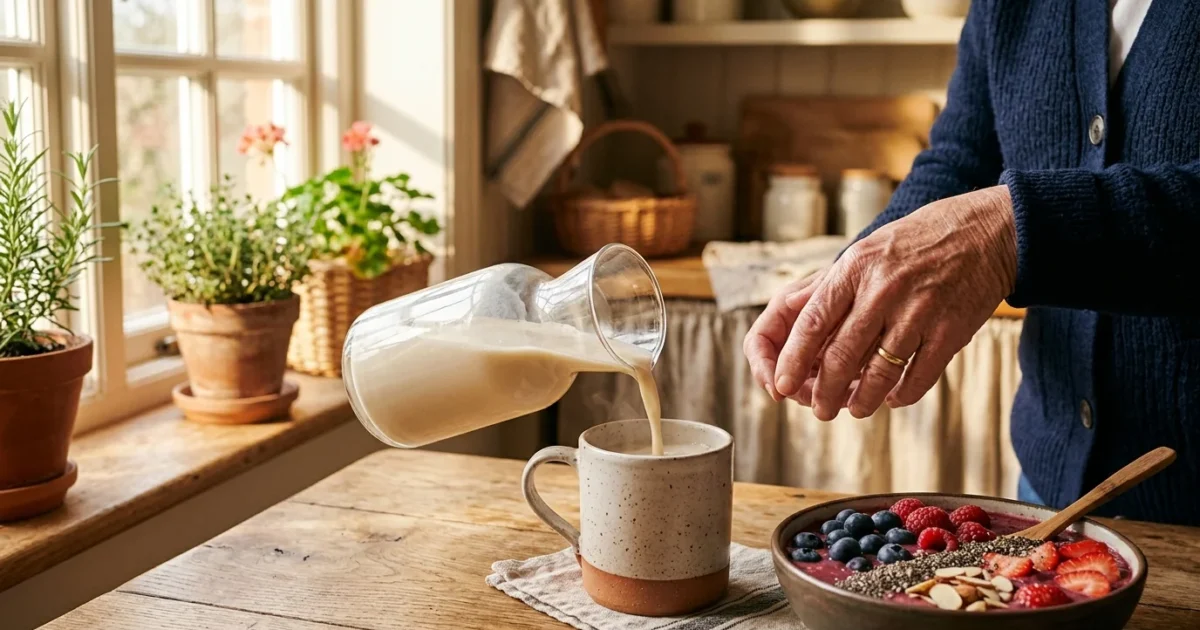
Your skeleton continually rebuilds itself, replacing every bone in your body roughly every 7 to 10 years through a dynamic biological process known as bone remodeling. While peak bone mass usually occurs around age 30, strategic daily nutrition empowers you to protect your skeletal matrix and maintain high density well into your later years. According to recent data from the Centers for Disease Control and Prevention, over 55 percent of American adults aged 50 and older live with low bone mass or osteoporosis—a condition that significantly raises your risk of sudden fractures. Fortunately, integrating nutrient-dense, bone-supportive foods into your routine actively stabilizes your structural frame; nourishing your body today ensures lifelong strength, stability, and resilient independence tomorrow.

The Science of Skeletal Health and Bone Remodeling
Bone tissue is a living, metabolic organ in a state of constant turnover. According to the American Academy of Orthopaedic Surgeons, specialized cells called osteoclasts remove old bone tissue while osteoblasts construct new bone matrix. Before age 30, bone formation outpaces breakdown; however, resorption gradually accelerates as you age. If your diet lacks critical minerals, your body extracts calcium from your skeleton to sustain vital muscle and nerve functions, gradually decreasing your mineral density.
Global figures from the International Osteoporosis Foundation show that osteoporosis affects 1 in 3 women and 1 in 5 men over age 50 globally. Furthermore, data from the Centers for Disease Control and Prevention indicates that 12.6 percent of U.S. adults over 50—including 19.6 percent of women and 4.4 percent of men—have diagnosed osteoporosis. Protecting your frame requires consistently fueling your osteoblasts with key minerals, vitamins, and high-quality protein.
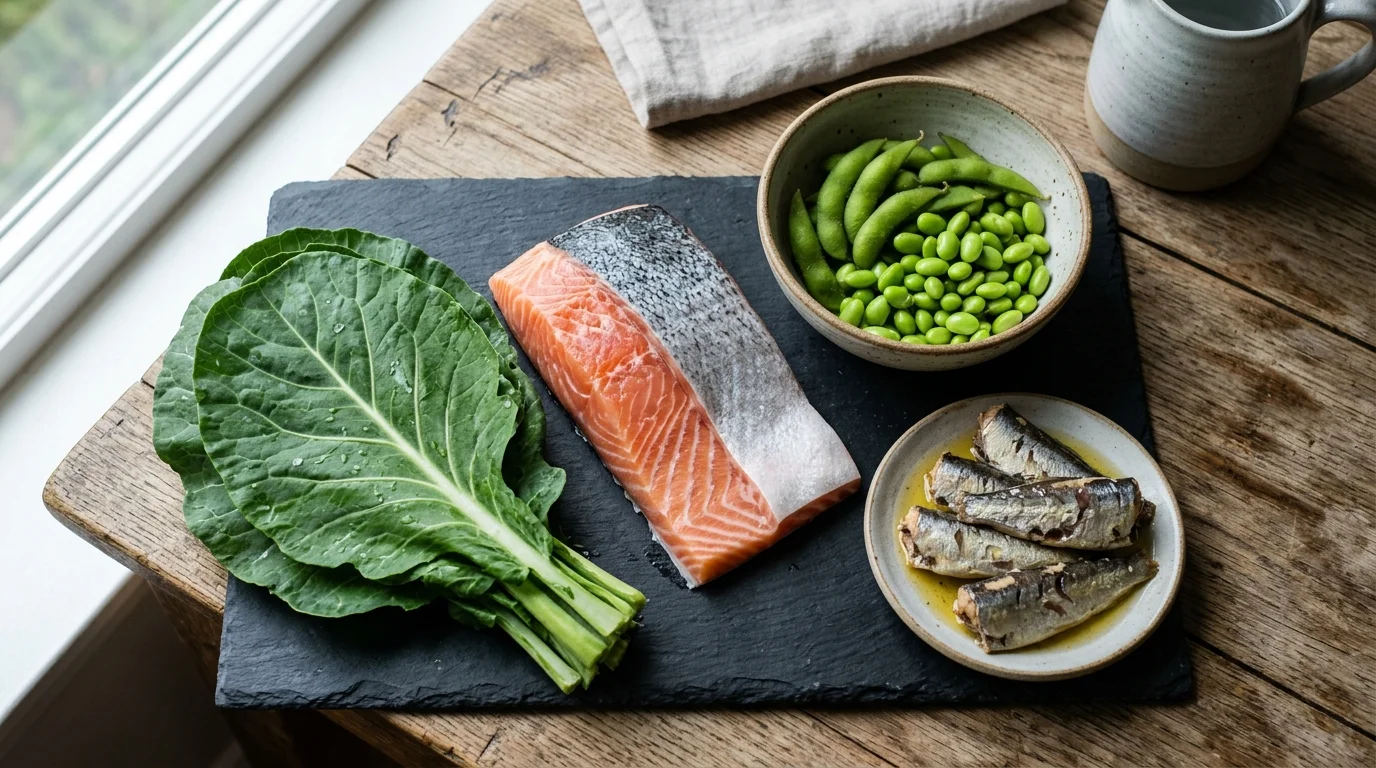
10 Essential Foods That Support Long-Term Bone Density
Building strong bones requires a continuous supply of synergistic nutrients beyond calcium alone. Incorporating these ten dietary staples into your regular meals systematically reinforces your skeletal structure over time.
1. Dark Leafy Greens
Collard greens, kale, turnip greens, and bok choy deliver abundant calcium, magnesium, and vitamin K1. Vitamin K activates osteocalcin, a critical protein that anchors calcium to your bone matrix. Unlike spinach, which contains high oxalate levels that block mineral absorption, low-oxalate greens like collard greens and bok choy offer high bioavailability. Sautéing collard greens in olive oil or tossing fresh kale into lunch salads provides an accessible daily mineral boost.
2. Fatty Fish and Canned Sardines
Wild salmon, mackerel, and sardines provide natural vitamin D, high-grade protein, and anti-inflammatory omega-3 fatty acids. Vitamin D facilitates intestinal calcium absorption, while omega-3s reduce bone breakdown pathways. Canned sardines eaten with their soft, edible bones yield approximately 325 milligrams of elemental calcium per serving. Adding crushed sardines to whole-grain toast or grilling salmon for dinner feeds your structural frame with critical building blocks.
3. Fortified Plant and Dairy Milks
The National Institutes of Health Office of Dietary Supplements recommends 1,000 milligrams of calcium daily for adults aged 19 to 50, and 1,200 milligrams for women over 51 and men over 71. Dairy milk and fortified plant milks—such as soy, almond, or oat milk—offer simple pathways to meet these daily targets. Fortified varieties combine calcium with vitamin D to mirror traditional dairy profiles, making morning smoothies an ideal tool for daily mineral intake.
4. Calcium-Set Tofu and Edamame
Soy foods deliver plant-based protein alongside natural phytoestrogens called isoflavones, which help suppress excessive osteoclast activity and slow bone loss. Selecting tofu prepared with calcium sulfate provides up to 400 milligrams of elemental calcium per half-cup serving. Adding cubed tofu to stir-fries or enjoying steamed edamame as a snack offers an economical, versatile strategy to nourish your bones.
5. Greek Yogurt and Kefir
Fermented dairy products supply calcium, phosphorus, potassium, and amino acids in a probiotic-rich matrix. Probiotic cultures create an acidic gut environment that enhances mineral solubilization and absorption. Additionally, the protein in Greek yogurt supplies amino acids needed to build type-I collagen, the protein scaffolding of bone tissue. Enjoying unsweetened Greek yogurt with fresh fruit offers excellent support for both digestive and bone health.
6. Prunes (Dried Plums)
Prunes contain boron, potassium, vitamin K, and polyphenols that slow bone breakdown. Clinical research shows that eating five to six prunes daily helps postmenopausal women maintain bone mineral density at the hip and spine by inhibiting osteoclast signaling. Chopping prunes into morning oatmeal or enjoying them whole provides a convenient, naturally sweet way to protect your skeletal matrix.
7. Seeds (Chia, Sesame, and Pumpkin)
Chia, unhulled sesame, and pumpkin seeds provide rich concentrations of magnesium, phosphorus, zinc, and calcium. Magnesium converts vitamin D into its active form, calcitriol, driving efficient calcium absorption. Stirring two tablespoons of chia seeds into yogurt or sprinkling toasted sesame seeds over roasted vegetables offers a simple method to elevate your daily mineral intake.
8. Beans, Lentils, and Chickpeas
Legumes supply plant protein, magnesium, and phosphorus necessary for structural collagen synthesis. Because legumes contain phytates that can reduce mineral absorption, soaking dried beans overnight or rinsing canned varieties optimizes nutrient availability. Incorporating lentils into soups or tossing chickpeas into fresh salads provides sustained mineral delivery and structural protection.
9. Citrus Fruits and Bell Peppers
Vitamin C acts as an essential cofactor for enzymes that produce collagen, the flexible protein network that prevents bone brittleness. Oranges, strawberries, grapefruits, and bell peppers deliver high amounts of vitamin C to keep your structural matrix resilient. Adding sliced bell peppers to meals or enjoying fresh citrus ensures your body maintains adequate raw materials for collagen synthesis.
10. Almonds and Almond Butter
Almonds offer higher calcium levels than any other tree nut, providing roughly 75 milligrams per quarter-cup alongside magnesium and healthy fats. Magnesium works alongside calcium to maintain proper mineral density within bone crystal structures. Snacking on raw almonds or spreading natural almond butter on whole-grain toast gives you a nutrient-dense option to support daily bone maintenance.
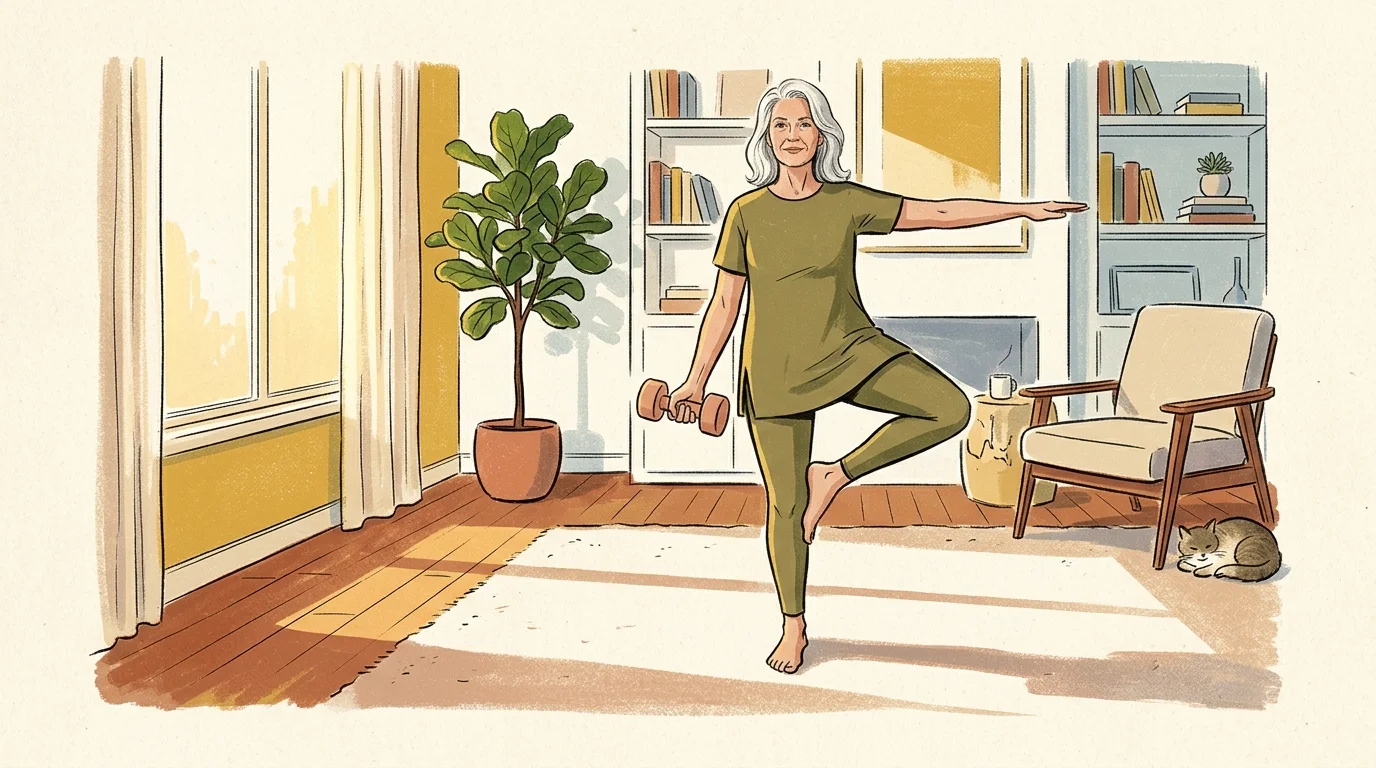
Beyond Diet: Comprehensive Pillars for Bone Longevity
While proper nutrition forms a vital foundation, sustaining peak bone density requires an integrated, multi-pillar lifestyle strategy. Combining targeted exercise, stress management, and clinical care maximizes your skeletal resilience.
Progressive Resistance and Weight-Bearing Exercise: Physical impact signals osteoblasts to strengthen bone tissue. Weight-bearing movements like brisk walking or stair climbing work against gravity, while resistance training with weights or bands targets key sites like the hip, wrist, and spine. Aim for at least two strength sessions weekly to stimulate ongoing bone remodeling.
Mindset and Stress Management: Elevated cortisol from chronic stress impairs osteoblast activity and lowers calcium absorption. Practicing daily relaxation techniques, getting seven to eight hours of sleep, and managing workloads help maintain hormonal equilibrium, shielding your frame from stress-related density loss.
Proactive Medical Care: Schedule routine medical evaluations, including baseline dual-energy X-ray absorptiometry (DEXA) scans around age 50 or earlier if you have elevated risk factors. Working with your physician or dietitian allows you to monitor bone density and adjust your nutrition plan safely.

Real Perspectives: Practical Insights From Clinical Practice
Healthcare professionals emphasize that long-term consistency drives structural health. Physical therapists highlight that dietary calcium requires physical movement to integrate into bone matrix effectively; without physical loading, bone building signals remain muted. Dietitians reinforce a food-first philosophy, noting that whole foods supply complementary cofactors that optimize absorption while supporting cardiovascular health. Viewing daily nutrition as an investment in your physical mobility ensures steady, lasting returns for your structural frame.
Frequently Asked Questions About Bone Density
How much total calcium do I need each day, and can I get it entirely from food?
Adults aged 19 to 50 require 1,000 milligrams of calcium daily, while women aged 51 and older and men aged 71 and older need 1,200 milligrams. You can easily reach these levels through calcium-rich foods like dark leafy greens, fortified milks, tofu, yogurt, and seeds. Consult your healthcare provider before taking supplements to evaluate your specific needs.
Can you rebuild lost bone density naturally through diet alone?
Dietary changes prevent further mineral loss and support structural maintenance, but diet alone may not fully reverse established osteoporosis. Rebuilding density requires combining a nutrient-dense diet with progressive resistance training and medical treatments prescribed by your physician.
What is the safe upper limit for daily Vitamin D intake?
The National Academy of Medicine sets the safe upper intake limit for healthy adults at 4,000 IU per day. Because vitamin D aids calcium absorption, maintaining healthy levels is vital, but excessive doses can cause toxicity. Ask your doctor for a 25-hydroxy vitamin D blood test to tailor your intake safely.
Do certain dietary habits drain bone mineral density?
High sodium intake increases urinary calcium excretion, while heavy alcohol use suppresses bone formation and disrupts vitamin D metabolism. Excessive caffeine and soft drink consumption may also impair mineral retention if total calcium intake is insufficient. Moderating these habits preserves your bone reserves.
Taking Your First Step Toward Stronger Bones
Protecting your bone density involves small, daily choices that build resilience over time. Start by choosing one practical step today—such as adding dark leafy greens to your dinner, enjoying a glass of fortified plant milk, or taking a short brisk walk. What single, bone-supportive action will you take today to invest in your physical independence?









Leave a Reply