

Persistent flaking that resists heavy moisturizers often signals an internal metabolic or immune shift rather than simple seasonal dryness. Recognizing the precise biological root allows you to resolve discomfort and protect your vitality.
When your cutaneous barrier repeatedly breaks down, it frequently reflects systemic disruptions such as thyroid hormone deficiencies, blood sugar imbalances, or chronic inflammation.
Learning to identify these subtle physical cues enables you to seek proper medical testing instead of endlessly cycling through ineffective topical creams. Addressing the primary cause gives you lasting relief.
The Science of the Skin Barrier and Systemic Health
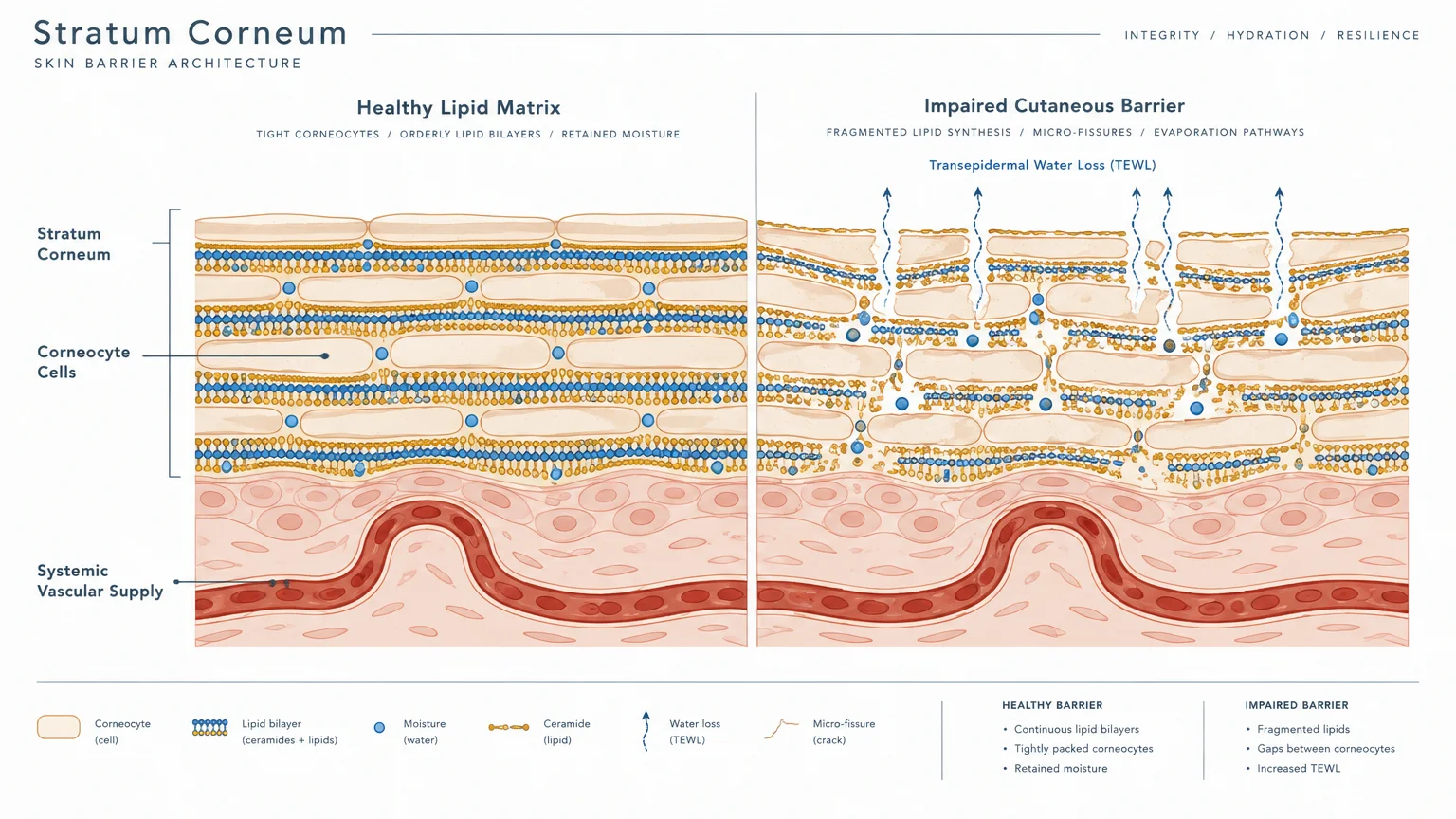
Your stratum corneum serves as your primary defense against moisture loss and environmental pathogens. Specialized structural proteins and lipid matrices maintain this crucial protective shield.
When systemic illness develops, it impairs lipid synthesis and accelerates water loss. Research compiled by the National Institutes of Health confirms that cellular metabolic processes directly govern epidermal hydration and barrier renewal.
Consequently, standard hydrating balms provide only temporary comfort because they cannot correct cellular dysfunction occurring beneath the surface. Long-term skin restoration requires rebalancing internal physiology.
Eight Warning Signs Your Dry Skin Points to an Underlying Condition
Dry skin rarely occurs in isolation from the rest of your physiology. Paying attention to texture, distribution, and accompanying bodily changes reveals whether you face common xerosis or a complex medical issue.
1. Deep Cracking Accompanied by Persistent Fatigue
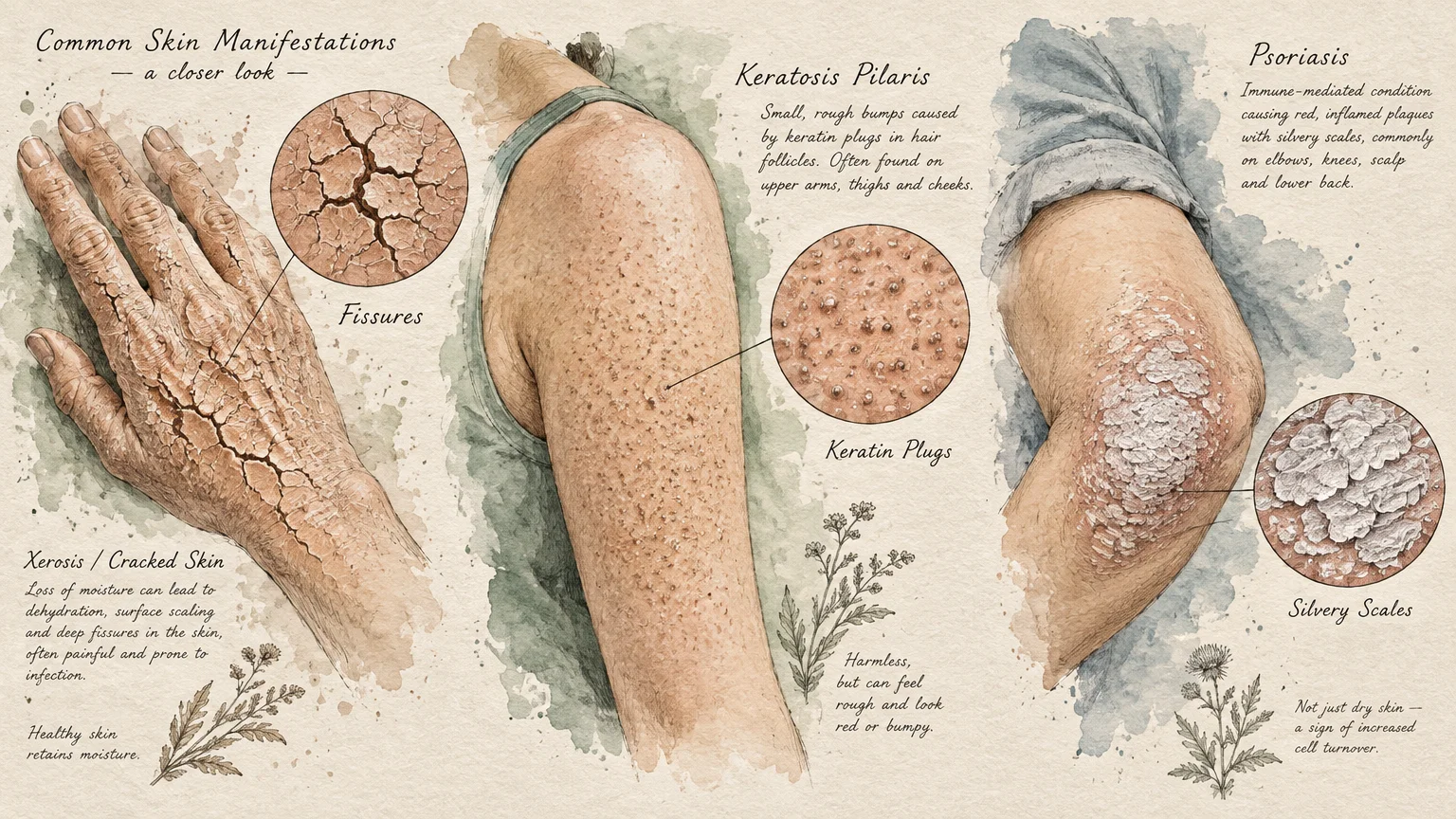
When your thyroid underproduces vital hormones, cellular metabolism slows down significantly. This slowdown reduces sweat and sebum secretion, leaving skin rough and prone to painful fissures.
Clinical literature from the National Institute of Diabetes and Digestive and Kidney Diseases links hypothyroidism dry skin to cold intolerance, fatigue, and brittle nails.
Comprehensive thyroid panels evaluate whether hormone therapy is necessary to restore healthy dermal moisture balance. Replenishing deficient thyroid hormones often resolves stubborn cutaneous cracking.
2. Intense Nocturnal Itching with Thickened Patches
Eczema stems from genetic barrier defects and immune hyperreactivity. Inherited mutations affecting the filaggrin protein prevent your outer skin cells from binding together securely.
Classic eczema symptoms include relentless itching that worsens at night, alongside weeping or thickened plaques in joint creases.
Scratching compromises tissue integrity, increasing vulnerability to secondary infections. Dermatologic assessments and non-steroidal barrier creams help break this exhausting inflammatory cycle.
3. Well-Defined Silvery Scales Over Inflamed Plaques
Psoriasis occurs when dysregulated T-cells trigger accelerated hyperproliferation of epidermal keratinocytes. Your body manufactures new skin cells within days rather than weeks.
This biological acceleration causes dead cells to accumulate into thick, silvery-white scales over raised plaques. These lesions typically settle symmetrically on knees, elbows, and the scalp.
Because psoriasis is an autoimmune disease, it carries systemic inflammation that can affect joints. Dermatologists prescribe targeted systemic therapies to calm the immune cascade from within.
4. Rough, Follicular Bumps Resembling Sandpaper
Keratosis pilaris appears as tiny, rough bumps across your upper arms, thighs, or buttocks. Excess keratin builds up inside individual hair follicles, forming stubborn plugs that feel like sandpaper.
Widespread follicular hyperkeratosis can also indicate severe deficiencies in fat-soluble vitamins, particularly vitamin A and essential fatty acids.
Malabsorption disorders, including celiac disease, frequently prevent your digestive tract from assimilating these critical lipids. Gentle chemical exfoliants paired with nutritional repletion smooth the skin effectively.
5. Flaking Paired with Slow Wound Healing
Sustained high blood sugar draws fluid out of tissue cells to dilute serum glucose concentrations. This persistent osmotic diuresis leaves peripheral tissues severely dehydrated and vulnerable to tears.
Elevated glucose also damages microvascular capillary networks, slowing wound repair in your lower extremities. You may also observe dark, velvety skin patches around your neck or armpits.
Educational guidelines from the Centers for Disease Control and Prevention emphasize that managing blood glucose levels prevents severe diabetic dermopathy and dangerous skin infections.
6. Severe Generalized Itch Without an Initial Rash
When your kidneys or liver fail to filter metabolic waste efficiently, toxic byproducts accumulate throughout your bloodstream. Uremic and cholestatic pruritus create intense itching across your body without an initial rash.
Your skin may appear dry, chalky, or subtly jaundiced before excoriations develop. Constant scratching often produces secondary scabs, bleeding, and localized hyperpigmentation.
Routine metabolic panels allow your physician to evaluate vital organ function promptly. Medical therapies, including bile acid sequestrants and specialized dialysis adjustments, provide targeted relief.
7. Tight, Shiny Skin Alongside Cold Extremities
Connective tissue disorders like systemic sclerosis cause excessive collagen deposition throughout the dermis. Your skin gradually loses elasticity, feeling stiff, taut, and abnormally shiny across your fingers and face.
Reduced arterial circulation deprives extremities of oxygen and vital nutrients. This microvascular starvation produces hairless, thin, fragile skin that peels easily under light mechanical friction.
If dry skin accompanies episodes where fingers turn white or blue in cold temperatures, rheumatologic evaluation is critical. Early intervention prevents progressive tissue ischemia.
8. Symmetrical, Geometric Fish-Scale Patterns
Acquired ichthyosis presents as widespread polygonal scales that resemble dried fish skin or cracked riverbed clay. Unlike inherited forms that appear in infancy, this condition develops suddenly during adulthood.
This abrupt textural change often serves as a warning sign linked to internal malignancies, severe nutritional deficits, or thyroid failure. It can also emerge as an adverse drug reaction.
Immediate medical investigation allows healthcare providers to discover occult systemic pathology early. Treating the primary internal driver helps restore normal epidermal differentiation and skin smoothness.

Clinician Insights: Connecting Cutaneous Symptoms to Whole-Body Health
Integrative clinicians view the skin as an external window into your internal biochemical terrain. Dermatologists look closely for systemic patterns whenever standard moisturizers fail to provide lasting relief.
Board-certified dermatologists note that topical emollients only hydrate the outermost dead stratum corneum. True therapeutic resolution requires diagnosing whether metabolic slowdown, immune dysregulation, or internal organ strain drives cellular dehydration.
Clinical protocols from the American Academy of Dermatology recommend systemic screenings whenever chronic xerosis resists conventional topical therapies. Collaborative care between dermatologists and primary physicians yields the best outcomes.
Comprehensive Strategies to Support Your Skin and Systemic Health
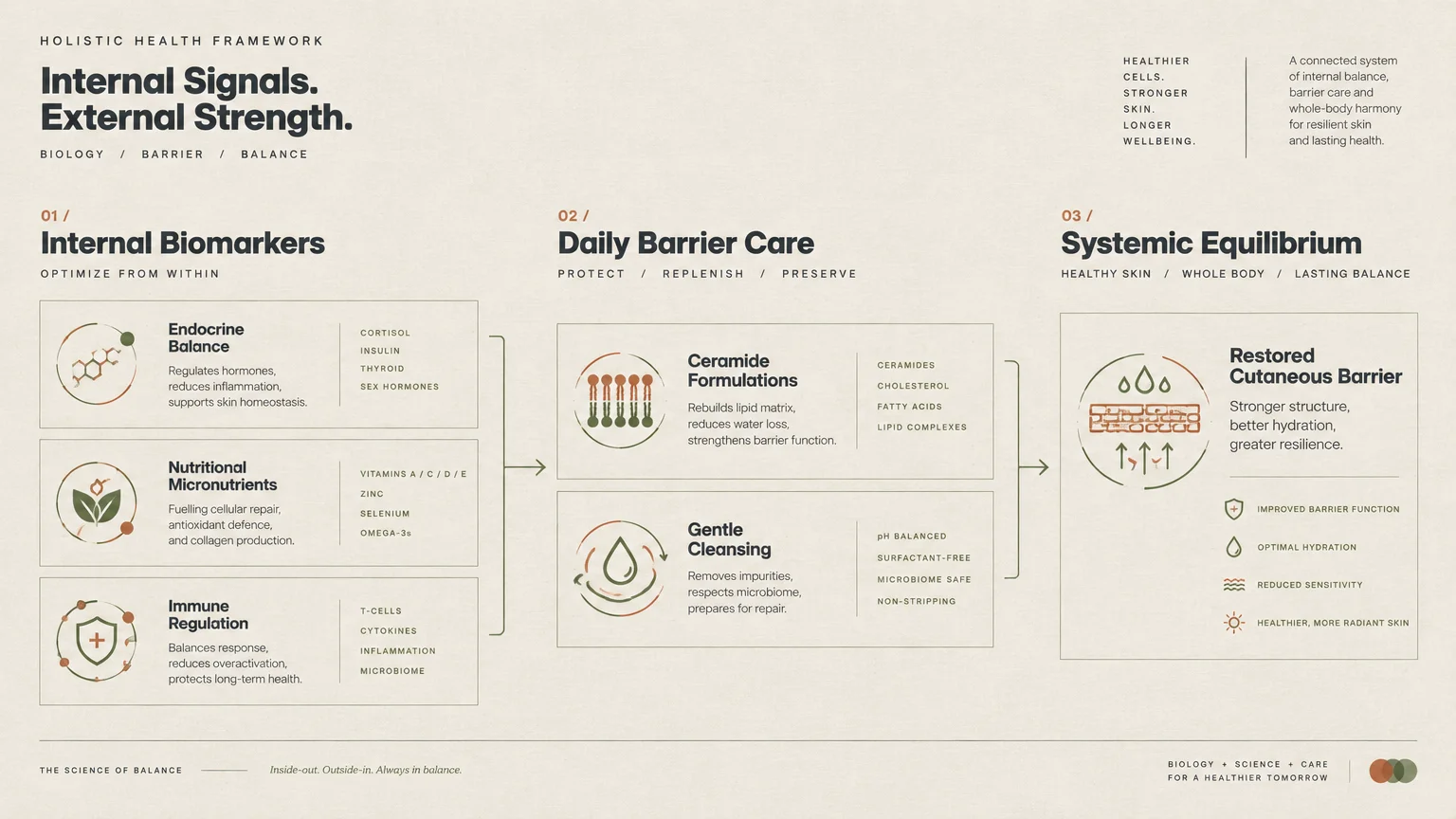
Rebuilding a resilient cutaneous barrier requires a coordinated strategy combining medical diagnostics with restorative daily habits. Implementing structured interventions across several lifestyle domains supports lasting dermatologic comfort.
Pillar 1: Pursue Targeted Diagnostic Testing
Schedule a collaborative visit with your primary care physician or a dermatologist for baseline metabolic testing. Request a complete blood count, comprehensive metabolic panel, thyroid hormone panel, and hemoglobin A1c.
Bringing a detailed symptom journal helps your doctor spot patterns between environmental exposures, diet, and skin flare-ups. Objective laboratory values eliminate guesswork and pinpoint physiological imbalances quickly.
Pillar 2: Nourish Your Lipid Barrier from the Inside
Cutaneous cell membranes require adequate dietary lipids to maintain waterproof barriers. Prioritize wild-caught cold-water fish, ground flaxseeds, walnuts, and extra virgin olive oil to deliver essential omega-3 fatty acids.
In consultation with a registered dietitian, evaluate your intake of zinc alongside fat-soluble vitamins A, D, and E. These essential micronutrients govern keratinocyte differentiation and regulate cutaneous inflammatory cascades.
Maintain consistent oral hydration throughout the day to supply fluid volume to deeper dermal structures. Adequate hydration supports cellular elasticity and metabolic waste elimination.
Pillar 3: Optimize Your Environment and Topical Rituals
Shield your fragile epidermal barrier from unnecessary mechanical and thermal insults. Maintain indoor humidity levels between forty and fifty percent using cool-mist humidifiers during dry winter months.
Take brief showers using lukewarm water rather than hot temperatures that dissolve natural cutaneous sebum. Pat your skin gently with a soft towel, leaving it slightly damp before applying rich emollients.
Select fragrance-free creams formulated with physiological lipids like ceramides, cholesterol, and free fatty acids. Clinical resources from the Mayo Clinic emphasize that ceramide-dominant formulations accelerate barrier repair.
Pillar 4: Regulate Stress and Nervous System Tone
Chronic psychological stress triggers systemic cortisol release, which degrades barrier lipids and slows epidermal recovery. Elevated stress hormones also intensify neurogenic itching and systemic inflammatory responses.
Practice daily parasympathetic activities such as slow diaphragmatic breathing, restorative yoga, or meditative walking. Calming your autonomic nervous system supports restful sleep, allowing nighttime skin cellular regeneration to proceed uninterrupted.
Frequently Asked Questions
Can chronic dry skin simply be caused by genetics?
Yes, inherited genetic variations can significantly impair skin barrier function. Mutations affecting structural proteins like filaggrin reduce natural moisturizing factor production and increase lifelong skin sensitivity.
However, you should still consult a physician if your dryness changes suddenly or resists intensive topical moisturization. Personalized clinical evaluation determines whether underlying systemic factors aggravate your genetic predisposition.
How do I know if my dry skin is actually an allergic reaction?
Allergic contact dermatitis typically presents with sudden erythema, blistering, burning sensations, and intense swelling localized to areas exposed to specific allergens.
In contrast, metabolic or systemic dryness tends to be diffuse, symmetrical, and persistent across weeks or months. Patch testing conducted by an allergist clarifies specific contact triggers.
Which lab tests should I ask my doctor to run?
Ask your healthcare provider for a comprehensive metabolic panel, complete blood count, thyroid-stimulating hormone test, and hemoglobin A1c.
If you experience joint aches or extreme fatigue alongside xerosis, your doctor may also check antinuclear antibodies and inflammatory markers. Individual health history guides appropriate testing.
When does dry skin become a medical emergency?
Seek immediate medical care if your skin develops severe swelling, red streaks, spreading warmth, or yellow crusting. These symptoms signal secondary bacterial cellulitis requiring prompt antibiotic therapy.
You should also seek urgent medical attention if widespread peeling occurs alongside a high fever, mucosal blistering, or sudden dizziness. Immediate evaluation prevents life-threatening systemic complications.
Your Path Toward Lasting Skin Vitality
Healing chronic dry skin requires looking beyond surface symptoms to understand your whole body. When you address the root causes of systemic imbalance, your skin naturally regains its supple resilience.
Take one practical step today by documenting your physical patterns and scheduling a collaborative evaluation with your primary healthcare provider.
What subtle signals has your body been sending, and how will you support your internal health this week? Honoring your biological needs creates sustainable wellness that radiates from the inside out.









Leave a Reply