

Your eyes often signal systemic health shifts long before you notice physical pain. Paying attention to subtle visual shifts preserves your daily independence and uncovers underlying cardiovascular or metabolic conditions early.
Dismissing gradual blurring, dimming peripheral sight, or unusual light sensitivity can allow preventable damage to take hold. An optometrist or ophthalmologist evaluates these clues to safeguard your long-term wellness.
When you learn to identify critical warning signs, you take charge of your lifelong optical vitality. Prioritizing regular clinical checkups ensures minor optical changes never escalate into permanent sight loss.
The Science of Visual Health
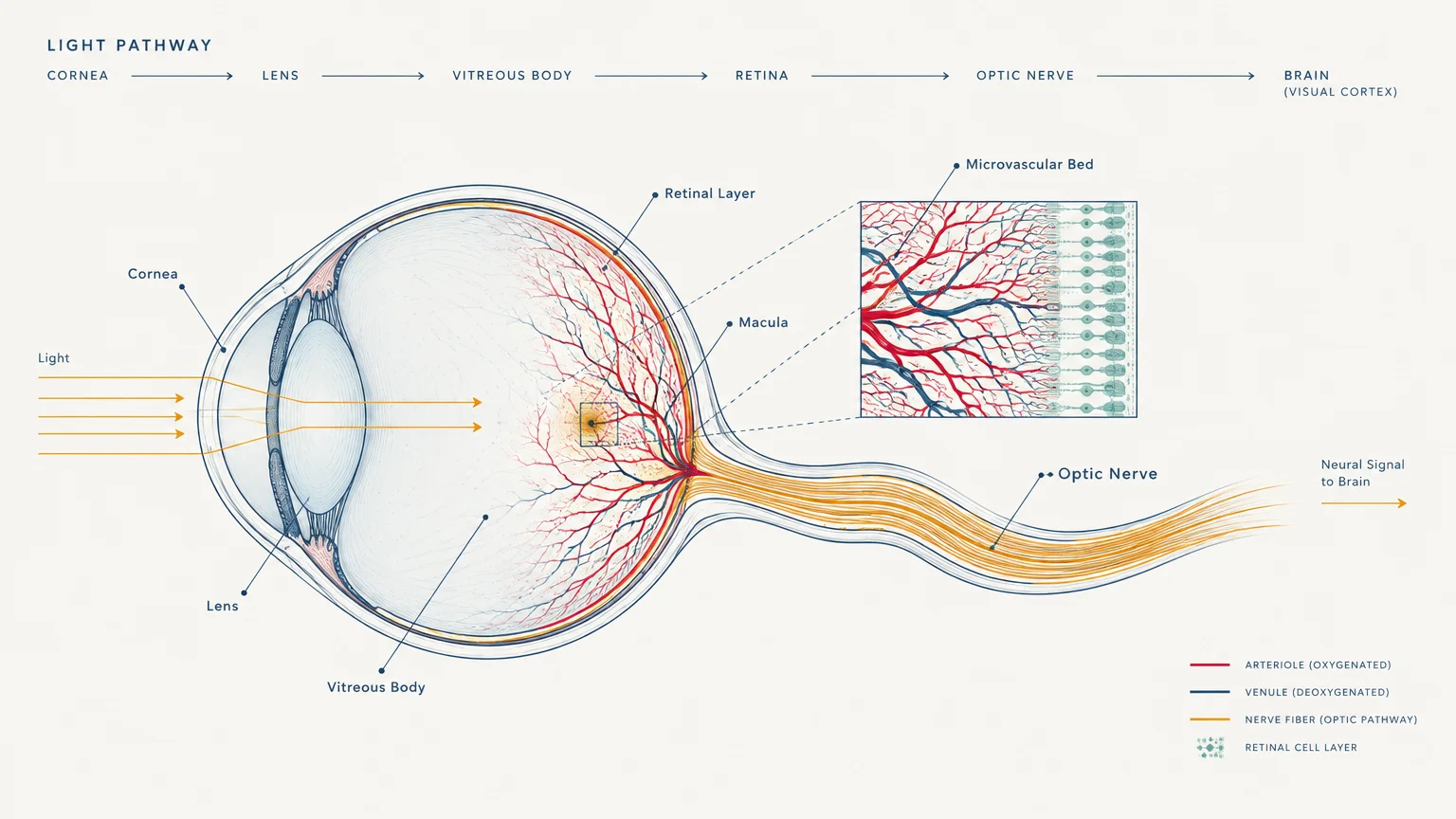
Ocular tissue relies on an intricate network of microvessels and specialized neural cells to transmit light to your brain. Disruptions in this pathway often point to localized tissue degradation or broader vascular concerns.
According to surveillance data from the Centers for Disease Control and Prevention, millions of adults live with uncorrected visual impairment that clinicians could easily resolve or manage. Early detection remains the most reliable strategy for arresting irreversible vision loss.
Age-related changes frequently develop silently because the brain adapts to slow visual decline by compensating with the stronger eye. Without comprehensive diagnostic imaging, significant cellular damage can progress unnoticed behind an outwardly healthy pupil.
Routine evaluations do more than refine your prescription; they provide an unobstructed view of living blood vessels and nerve fibers. Consequently, scheduling a vision changes eye exam serves as an essential screening tool for systemic health.

Eye Symptoms to Watch: 10 Critical Changes
1. Sudden or Progressive Blurry Vision
A loss of visual sharpness can manifest overnight or creep in across several months. While gradual shifts often suggest a simple refractive update, sudden blurriness demands prompt clinical evaluation.
Common blurry vision causes include corneal swelling, unmanaged blood glucose spikes, and early cataract formation. Do not wait for your scheduled annual visit if your sight dims suddenly.
2. Showers of Floaters and Flashes of Light
Occasional microscopic specks drifting across your visual field are normal vitreous condensations. However, a sudden storm of dark specks accompanied by lightning-like flashes warrants emergency attention.
The National Eye Institute emphasizes that these symptoms frequently herald a retinal tear or full detachment. Immediate surgical intervention can save your sight before the neurosensory layer detaches permanently.
3. Gradual Loss of Peripheral Vision
When your side vision fades, your field of view narrows into what clinicians describe as tunnel vision. People often compensate by turning their heads repeatedly, ignoring the underlying warning sign.
This subtle constriction serves as a primary hallmark of open-angle glaucoma, a condition driven by elevated intraocular pressure. Because central vision stays clear initially, regular visual field testing provides the only reliable safeguard.
4. Distorted, Wavy, or Warped Lines
Straight architectural lines, door frames, or lines of printed text should never appear bent or wavy. If straight objects look crooked, your macula may have sustained fluid buildup or cellular disruption.
Clinical guidelines from the American Academy of Ophthalmology note that image distortion often signals wet age-related macular degeneration. Rapid diagnostic scans allow specialists to administer targeted therapies before central scotomas solidify.
5. Halos and Glare Around Lights
Seeing rainbow-colored rings or severe glare around oncoming headlights and streetlamps disrupts safe evening travel. This visual artifact occurs when light scatters unevenly across your ocular media.
Cataract development frequently causes this phenomenon as lens proteins clump together over time. Alternatively, halos accompanied by severe brow ache may signal acute angle-closure glaucoma, an ocular emergency.
6. Persistent Eye Pain or Deep Aches
While superficial irritation often stems from dry eye syndrome, deep orbital pain signals a more complex medical issue. A dull, throbbing ache behind the eye demands comprehensive professional investigation.
Conditions like scleritis, optic neuritis, or severe corneal ulcers require targeted prescription intervention to avert permanent tissue scarring. You should never rely on over-the-counter soothing drops to mask persistent discomfort.
7. Double Vision in One or Both Eyes
Diplopia, or double vision, creates overlapping ghost images that compromise depth perception and spatial orientation. Clinicians categorize this condition based on whether it persists when you cover one eye.
Monocular double vision usually points to localized corneal irregularities, severe astigmatism, or cataracts. Conversely, binocular double vision often stems from cranial nerve palsies, stroke, or thyroid eye disease.
8. Declining Night Vision and Light Adaptation
Struggling to navigate dimly lit rooms or feeling blinded when stepping into the dark indicates compromised photoreceptor adaptation. Rod cells in your retina require robust circulation and specific nutrients to function.
Beyond natural age-related vision changes, progressive night blindness can stem from unmanaged retinitis pigmentosa or chronic micronutrient deficits. An eye exam establishes baseline retinal function and clarifies corrective options.
9. Sudden Changes in Color Perception
When vivid colors suddenly appear muted, faded, or washed out, your optic nerve pathways may be struggling. While congenital color deficiencies remain static, acquired color shifts reflect active pathological processes.
Cataracts naturally tint your visual world with a yellowish or brownish hue over many years. However, rapid desaturation of reds and greens can reveal optic nerve inflammation or toxic neuropathy.
10. Chronic Eyestrain and Accompanying Headaches
Fatigue across your brow line after reading or working on digital displays highlights muscular and focal exhaustion. Uncorrected astigmatism or presbyopia forces your ciliary muscles into continuous, uncomfortable spasms.
Subtle binocular misalignments also force the brain to work harder to fuse images, generating tension headaches. An optometrist can prescribe specialized lenses or visual ergonomics to relieve this daily physical burden.
Clinical Perspectives: What Eye Doctors See
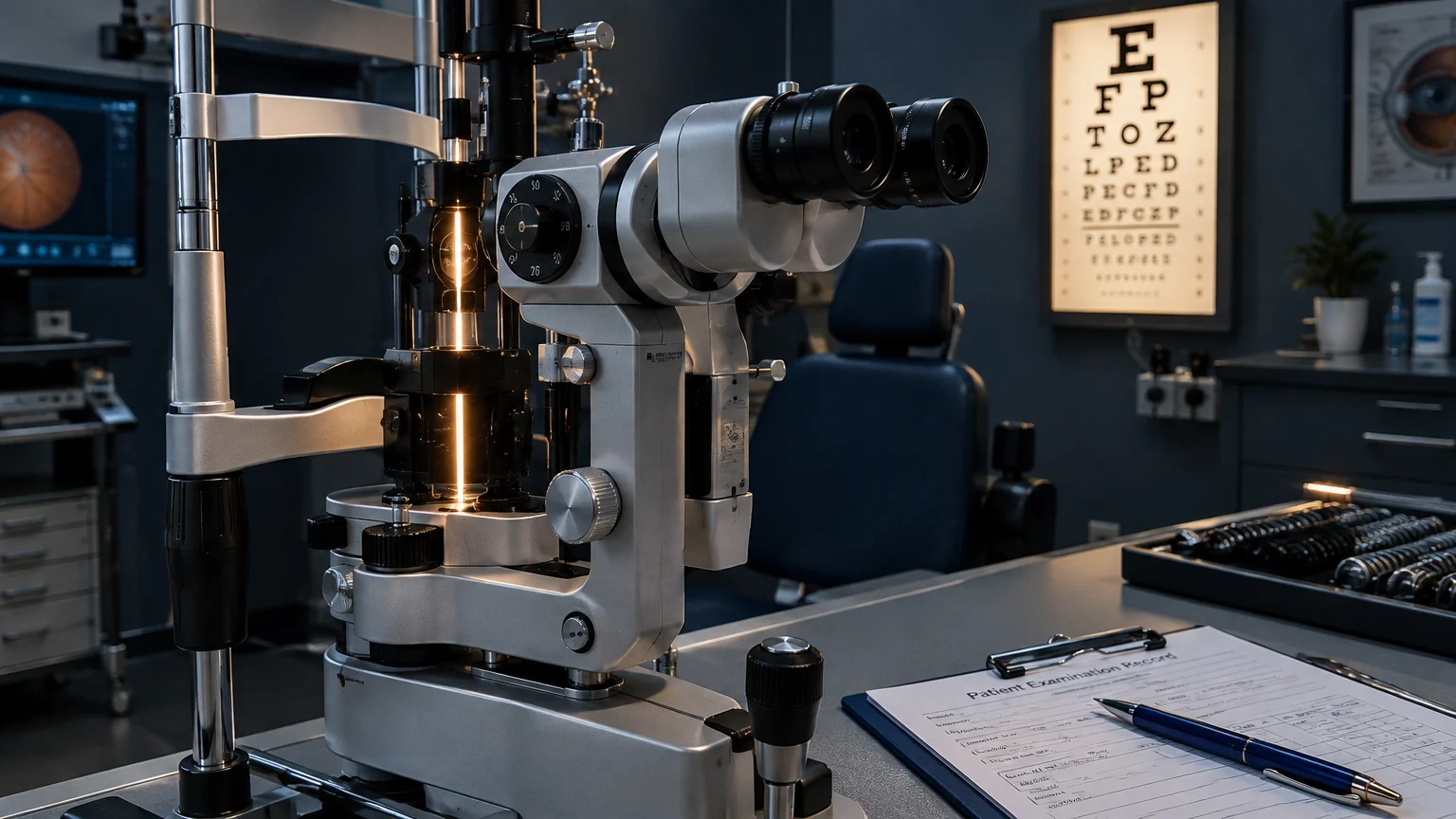
Optometrists frequently encounter patients who attributed profound visual loss to simple fatigue or aging. Clinical experience shows that early hesitation often transforms manageable conditions into complex, irreversible challenges.
Dr. Elena Vance, a clinical optometrist specializing in ocular disease, notes that patients routinely accommodate vision loss without realizing it. She emphasizes that compensatory head tilting or squinting often disguises progressive retinal shifts.
Clinicians also stress the critical link between systemic wellness and clear sight. During routine exams, practitioners frequently detect early-stage hypertension, carotid artery plaques, and diabetes before primary care physicians observe symptoms.
Practitioners encourage you to document exact visual occurrences, including duration, triggers, and affected fields. Sharing these detailed observations helps your doctor pinpoint subtle anomalies during specialized testing.

Actionable Pillars for Long-Term Eye Vitality
Pillar 1: Targeted Ocular Nutrition and Hydration
Your retinal tissue consumes oxygen and nutrients at an exceptionally high metabolic rate. Supplying your body with dark leafy greens, colorful berries, and omega-3 fatty acids supports macular pigment density.
Lutein and zeaxanthin act as natural internal sunglasses, filtering damaging blue light wavelengths before they strike delicate photoreceptors. Pair these phytonutrients with healthy dietary fats to optimize intestinal absorption.
Adequate systemic hydration also sustains tear film stability, preventing the micro-abrasions associated with dry eye syndrome. Drink pure water consistently throughout your day to preserve ocular surface lubrication.
Pillar 2: Visual Ergonomics and Restorative Movement
Modern screen environments lock your ciliary muscles in a contracted state for hours on end. Practicing the 20-20-20 rule provides your optical focusing system with necessary intervals of relaxation.
Every twenty minutes, direct your gaze toward an object twenty feet away for twenty seconds. This simple focal release dampens ocular tension and recalibrates your binocular alignment.
Cardiovascular movement also promotes ocular wellness by enhancing systemic blood flow and regulating intraocular pressure. Brisk daily walking supports perfusion to the optic nerve head, preserving neural viability.
Pillar 3: Protective Mindset and Sun Safety
Cumulative ultraviolet radiation exposure accelerates lens cataractogenesis and damages delicate eyelid tissue. Wearing broad-spectrum sunglasses that block ninety-nine to one hundred percent of UVA and UVB rays protects your optical structures.
Adopt a proactive attitude toward preventative screenings rather than reacting only after noticeable sight loss occurs. Establishing baseline imaging early in adulthood empowers your healthcare team to detect minute anatomical shifts.
Pillar 4: Systemic Disease Management and Medical Care
Vascular health directly dictates ocular health because tiny capillaries nourish your retinal layers. Working with your physician to maintain optimal blood pressure, cholesterol, and glycemic levels safeguards fragile microvasculature.
According to the World Health Organization, comprehensive eye care must integrate seamlessly into universal healthcare frameworks to prevent avoidable blindness. Consistent communication between your eye specialist and primary physician ensures coordinated, holistic care.
Frequently Asked Questions
When to See an Eye Doctor for Routine Checkups
Knowing when to see an eye doctor helps you catch asymptomatic conditions before irreversible nerve damage occurs. Healthy adults without symptoms should receive a comprehensive eye exam every two years until age forty.
After forty, annual exams help monitor structural ocular changes and intraocular pressure variations. If you live with diabetes, high blood pressure, or a family history of glaucoma, follow a personalized annual schedule.
Can eye strain from screens cause permanent visual damage?
Digital eyestrain causes discomfort, temporary blurriness, and dry eyes, but it does not produce permanent structural harm. However, chronic fatigue signals poor ergonomic setups or uncorrected refractive errors that require clinical attention.
Adjusting workstation lighting, increasing monitor contrast, and taking regular breaks will alleviate most digital discomfort. If headaches persist despite these adjustments, schedule a clinical refraction exam.
What distinguishes an optometrist from an ophthalmologist?
Optometrists provide primary vision care, conducting exams, diagnosing optical conditions, and prescribing corrective lenses or medications. They serve as your frontline defense for maintaining visual wellness.
Ophthalmologists are medical doctors who perform complex surgical procedures and manage advanced, high-risk ocular diseases. Both professionals collaborate closely to ensure comprehensive patient support across all stages of health.
Why do I suddenly need reading glasses in my forties?
This common shift reflects presbyopia, a natural aging process where the crystalline lens gradually loses its flexibility. The lens can no longer curve sufficiently to bring close objects into sharp focus.
Presbyopia affects nearly everyone over time and does not indicate disease or poor eye hygiene. A simple clinical exam will determine the ideal lens magnification to restore comfortable near vision.
Next Steps for Your Visual Wellbeing
Your eyesight shapes how you connect with the world, your loved ones, and your daily passions. Protecting this vital sensory gift requires proactive attention rather than passive waiting.
Take one manageable step today by assessing your recent visual clarity in varied lighting environments. If you notice persistent blur, glare, or discomfort, contact a certified eye care practice for an evaluation.
Reflect on how clear vision enriches your independence and peace of mind each day. Honoring your optical health today ensures a vibrant, clear tomorrow.








Leave a Reply