

Winter chills force your cardiovascular system to work significantly harder, transforming minor arterial blockages into acute medical emergencies. Recognizing subtle warning signs early can save your life before falling temperatures place dangerous demands on your body.
Cold air triggers immediate blood vessel constriction, which rapidly drives up blood pressure and diminishes oxygen delivery to your heart muscle. Safeguarding your vascular health begins with understanding how seasonal shifts alter your personal risk profile.
Clinical research reveals that winter weather accelerates acute cardiac events across every demographic. Here is what you need to know about eight critical heart symptoms and how to protect yourself this season.
The Science of Cold Temperatures and Vascular Strain
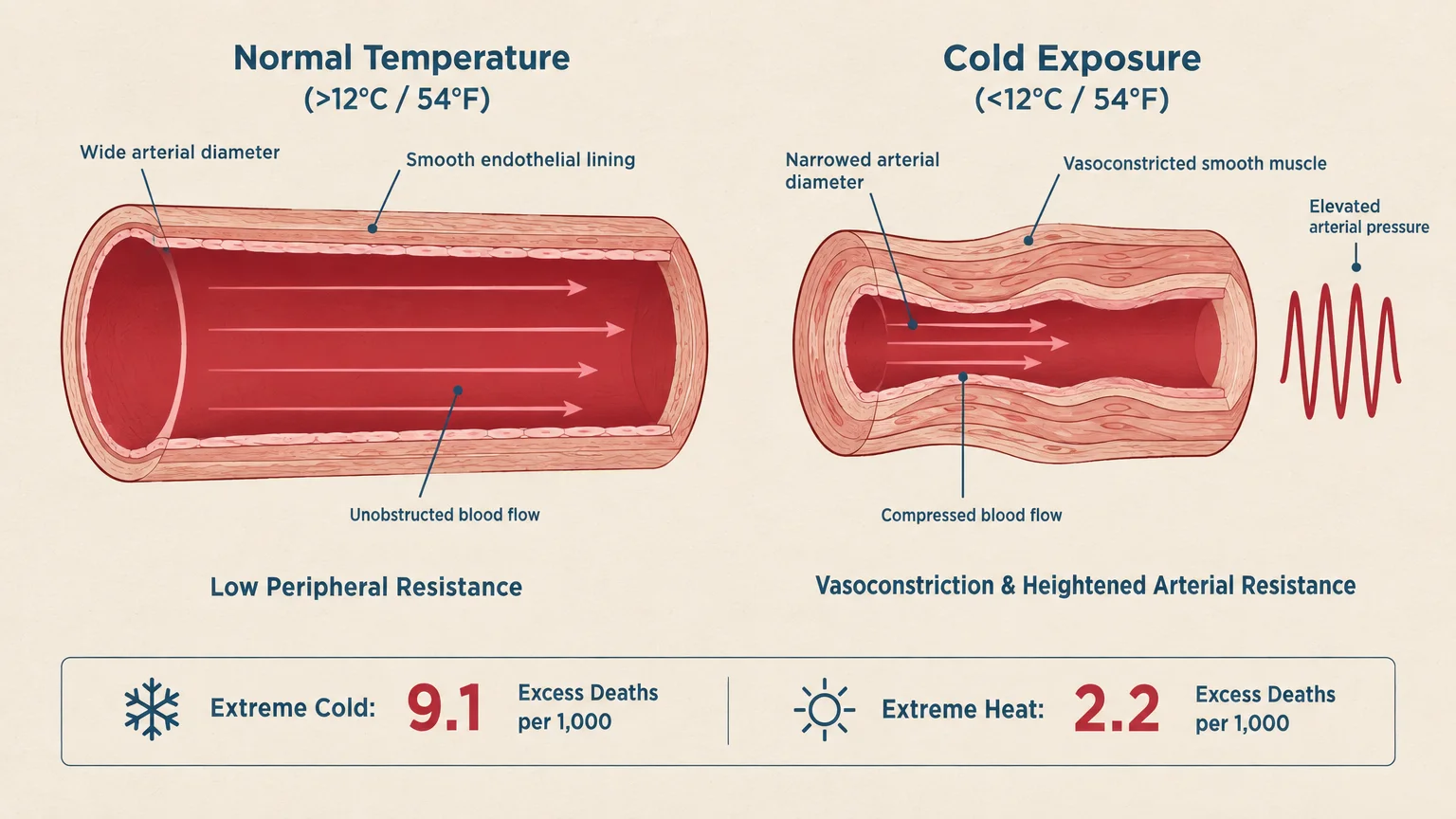
When ambient temperatures fall, your sympathetic nervous system initiates an involuntary reflex known as vasoconstriction. This narrowing of peripheral vessels conserves core warmth but forces your heart to pump against heightened arterial resistance.
A global study of over 32 million cardiovascular deaths in Circulation confirmed that cold days are remarkably hazardous. Extreme cold caused 9.1 excess deaths per 1,000 cardiovascular fatalities, compared to only 2.2 during extreme heat.
Cardiovascular strain begins well before temperatures reach freezing levels. Evidence highlighted by the British Heart Foundation indicates that excess cardiac events and blood pressure spikes emerge once outdoor temperatures dip below 12°C (54°F).
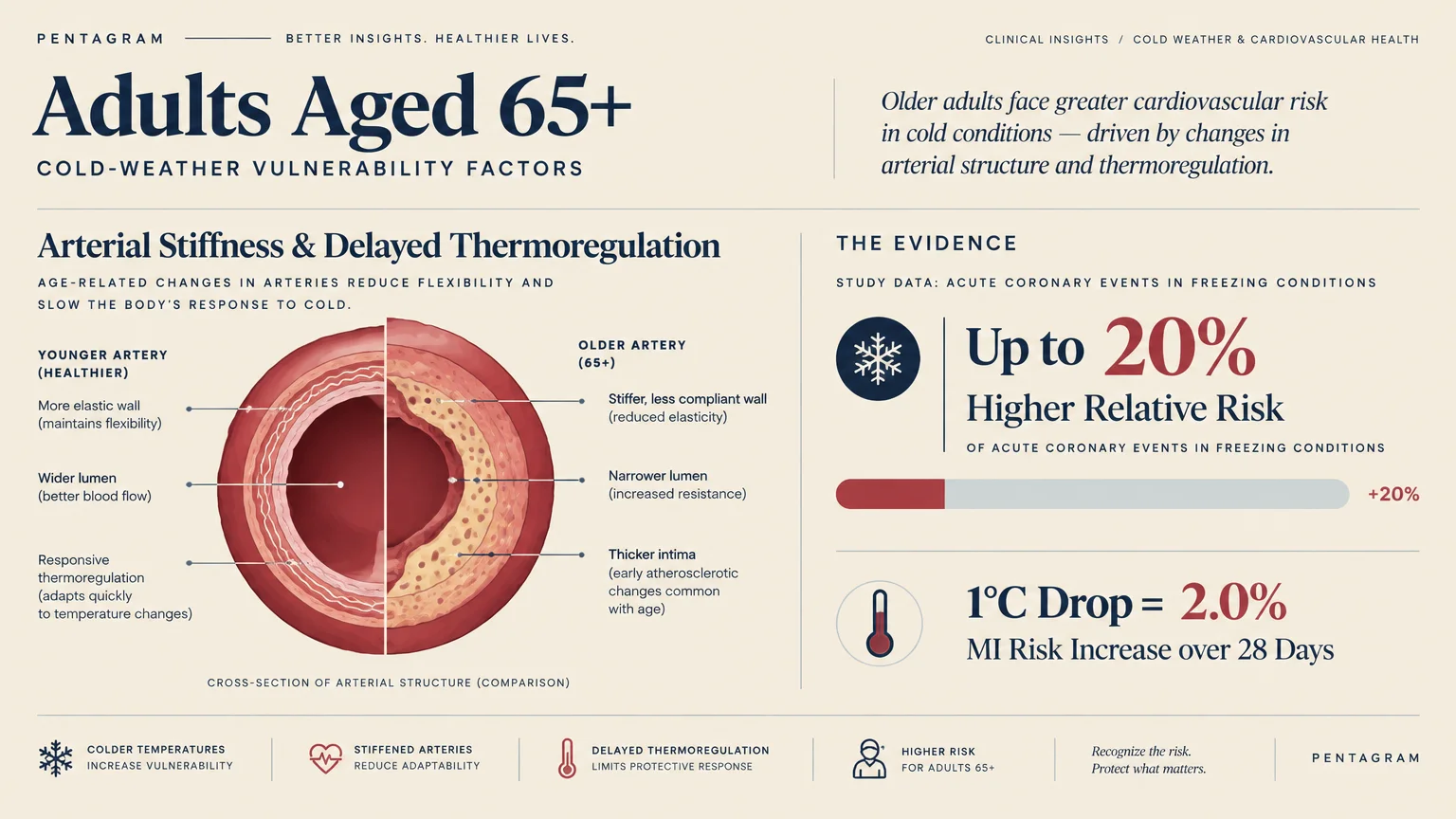
Furthermore, a landmark study in the BMJ evaluated over 84,000 hospital admissions. The authors discovered that every 1°C (1.8°F) reduction in daily mean temperature increases myocardial infarction risk by 2.0% over the following 28 days.
A meta-analysis in Environmental Health reinforced these findings, showing a 1.2% rise in cardiovascular morbidity per 1°C drop. These compounding physiological effects demonstrate that seasonal risks persist long after an initial cold snap.
Adults aged 65 and older face the greatest vulnerability during cold weather. Older adults have up to a 20% higher relative risk of acute coronary events due to age-related arterial stiffness and delayed thermoregulation.
Eight Critical Heart Symptoms in Cold Months
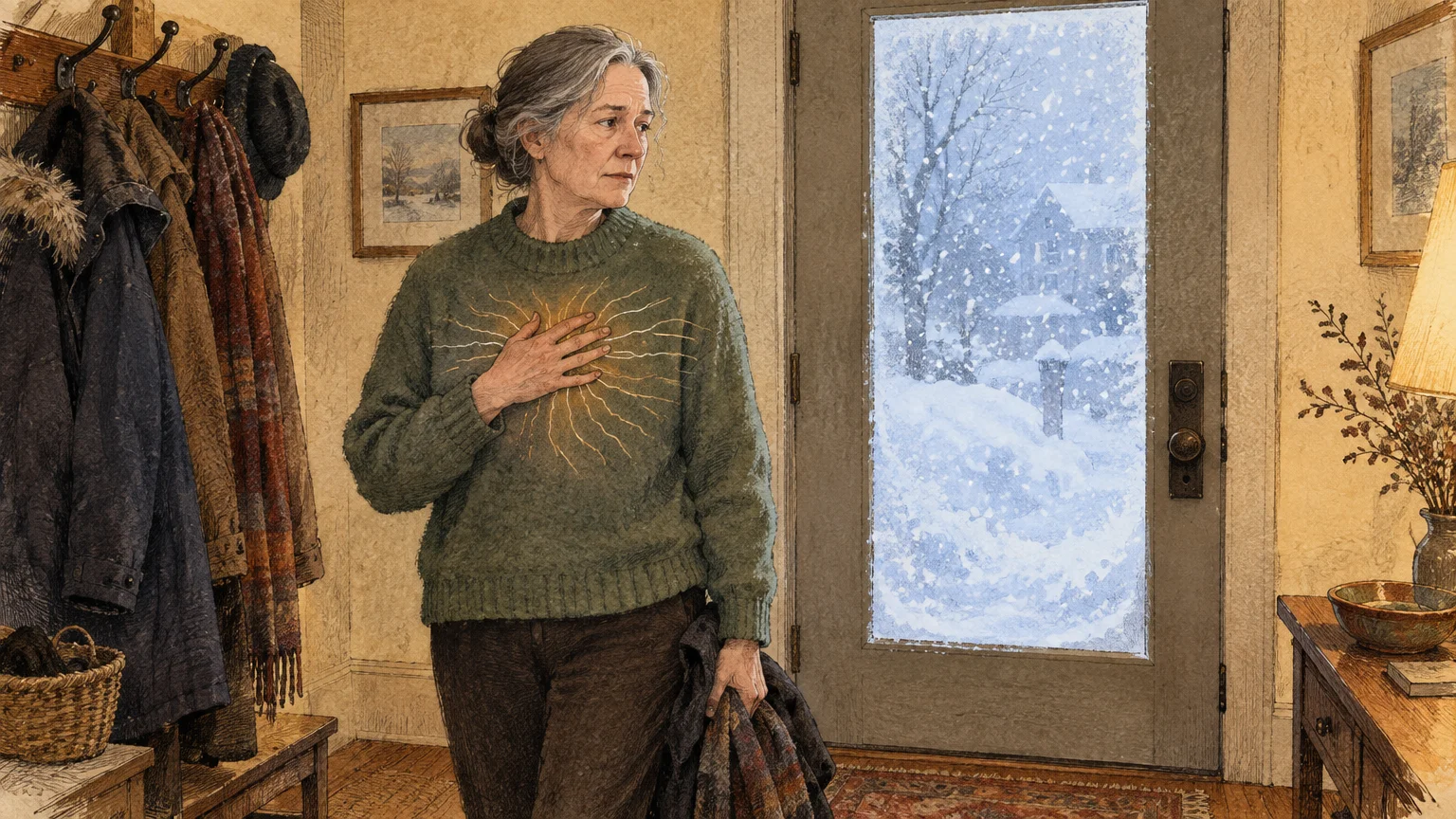
Winter cardiac distress rarely mimics dramatic Hollywood depictions. Instead, warning signs often present as subtle discomforts that individuals easily mistake for winter fatigue, indigestion, or routine muscle aches.
1. Unexplained Chest Pressure or Squeezing
Angina often feels like uncomfortable squeezing, aching fullness, or heavy pressure centered beneath your breastbone. In freezing air, coronary arteries can reflexively spasm, reducing blood supply and provoking this tightness during light exertion.
If you notice an expanding band of tension around your chest while walking outside, move indoors immediately. Any persistent pressure that fails to subside within several minutes requires prompt emergency care.
2. Shortness of Breath During Routine Walking
Cold air naturally irritates sensitive bronchial tissues, but abrupt breathlessness during minor physical tasks signals poor cardiac pumping capacity. When a strained heart cannot circulate blood efficiently, pulmonary pressure rises and fluid pools in your lungs.
Notice whether climbing a brief staircase or pacing your driveway leaves you unusually winded. Unexplained dyspnea frequently represents the primary warning sign of myocardial ischemia in women and older adults.
3. Burning Sensations Mistaken for Indigestion
People often dismiss upper abdominal burning, throat pressure, or epigastric ache as the result of hearty winter meals. However, atypical angina frequently imitates gastrointestinal distress, causing individuals to take antacids instead of seeking clinical help.
If burning sensations correlate with cold air exposure or light physical effort, evaluate your heart immediately. Genuine digestive heartburn rarely worsens with physical movement or disappears after resting in a warm room.
4. Radiating Discomfort in the Jaw, Neck, or Arms
Sensory nerve fibers from your heart share spinal pathways with your neck, jaw, and upper limbs. When coronary blood flow declines, referred pain can register as a dull ache across your throat, back, or left arm.
Many people blame this radiating sensation on sleeping awkwardly or hauling heavy winter coats. Discomfort that creeps into your shoulder or jawline during cold transitions warrants immediate diagnostic attention.
5. Sudden Lightheadedness, Dizziness, or Instability
When your vascular tree tightens in the cold, your heart must pump forcefully to maintain balance. If cardiac output falters, cerebral blood perfusion dips instantly, producing sudden lightheadedness or a loss of physical balance.
Never ignore dizzy spells that occur while moving through chilly weather. Unsteadiness under thermal stress frequently indicates that your heart is struggling against elevated systemic resistance.
6. Uncharacteristic, Overwhelming Exhaustion
While seasonal affective changes cause sluggishness, cardiac fatigue feels disproportionate and paralyzing. When oxygenated blood struggles to reach skeletal muscles, basic tasks like making your bed or clearing your doorstep become deeply exhausting.
Cardiovascular clinicians emphasize that sudden drops in daily physical stamina often surface days before an acute coronary blockage. Reach out to your physician if everyday tasks suddenly feel insurmountable.
7. Cold Sweats Unrelated to Exertion
Perspiring profusely while standing in frigid conditions represents an acute nervous system alarm. When coronary ischemia develops, a sudden surge of adrenaline triggers diaphoresis, leaving your skin clammy and pale despite the freezing air.
If you break into a cold sweat accompanied by nausea or faintness, sit down and call emergency personnel immediately. This physiological reaction strongly correlates with evolving myocardial infarction.
8. Rapid or Irregular Heart Palpitations
Plunging temperatures elevate circulating levels of norepinephrine, which quickens your heart rate and spikes electrical irritability. This autonomic response can precipitate erratic rhythms, including premature ventricular contractions and atrial fibrillation.
A fluttering sensation in your throat or a racing pulse at rest indicates excessive cardiac workload. Prompt electrocardiographic testing ensures that benign palpitations are distinguished from dangerous ischemic arrhythmias.
Physical Exertion and Snow Shoveling Hazards
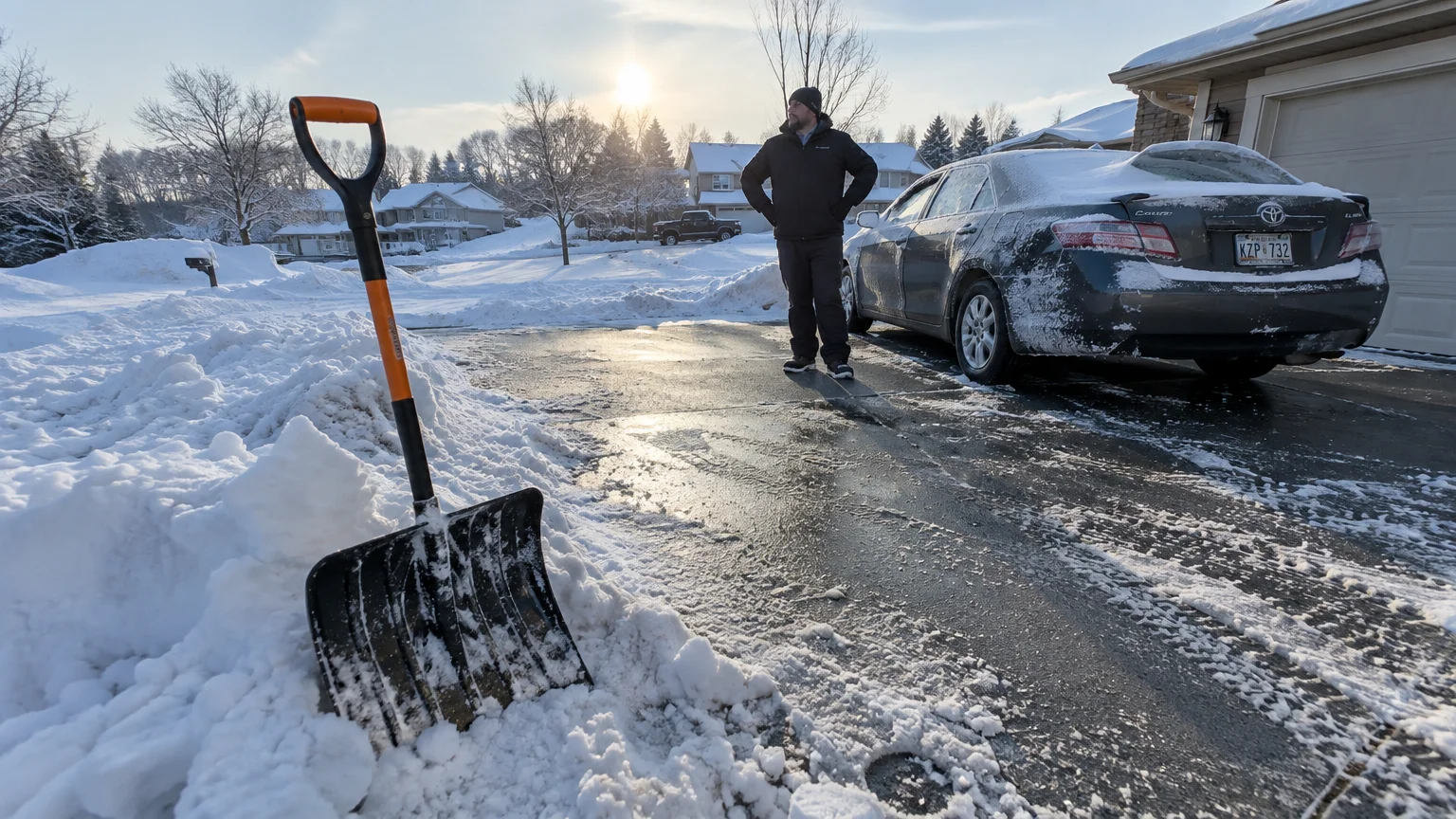
Snow shoveling presents a distinct combination of cardiovascular hazards that rarely occurs during standard exercise routines. Lifting dense snow combines strenuous isometric arm labor with freezing air inhalation and reflex vasoconstriction.
Guidance from the American Heart Association highlights that just two minutes of shoveling can push heart rates past 85% of maximal capacity. This cardiovascular intensity often matches or exceeds maximal treadmill stress testing.
Moreover, heavy lifting and involuntary breath-holding—the Valsalva maneuver—can drive systolic blood pressure toward 200 mm Hg. In vulnerable individuals, this sharp hemodynamic surge can destabilize quiescent arterial plaques.
An epidemiological study in the Canadian Medical Association Journal examined snowfall volumes and cardiac events. A snowfall of roughly 20 centimeters was associated with a 16% increase in heart attack hospitalizations among men.
Even more striking, the researchers observed a 34% rise in fatal heart attacks following heavy snowfalls. If you have known vascular risks, hire assistance or utilize an electric snowblower instead of manual shoveling.
Clinical Perspectives on Cold-Weather Cardiovascular Risk
Preventive cardiologists stress that public awareness remains the best defense against cold-related cardiac mortality. Clinicians frequently note that patients delay seeking emergency care because they misattribute early symptoms to seasonal colds or sore muscles.
Hospital data show that patients often wait three to four hours before calling emergency services after winter symptom onset. This hesitation forfeits critical therapeutic windows where emergency angioplasty can salvage ischemic heart muscle.
Cardiovascular nurses also report that older adults rarely experience classic crushing chest pain in cold conditions. Instead, elderly individuals often present with confusion, generalized weakness, or blunted responsiveness following outdoor exposure.
Actionable Strategies for Winter Heart Protection
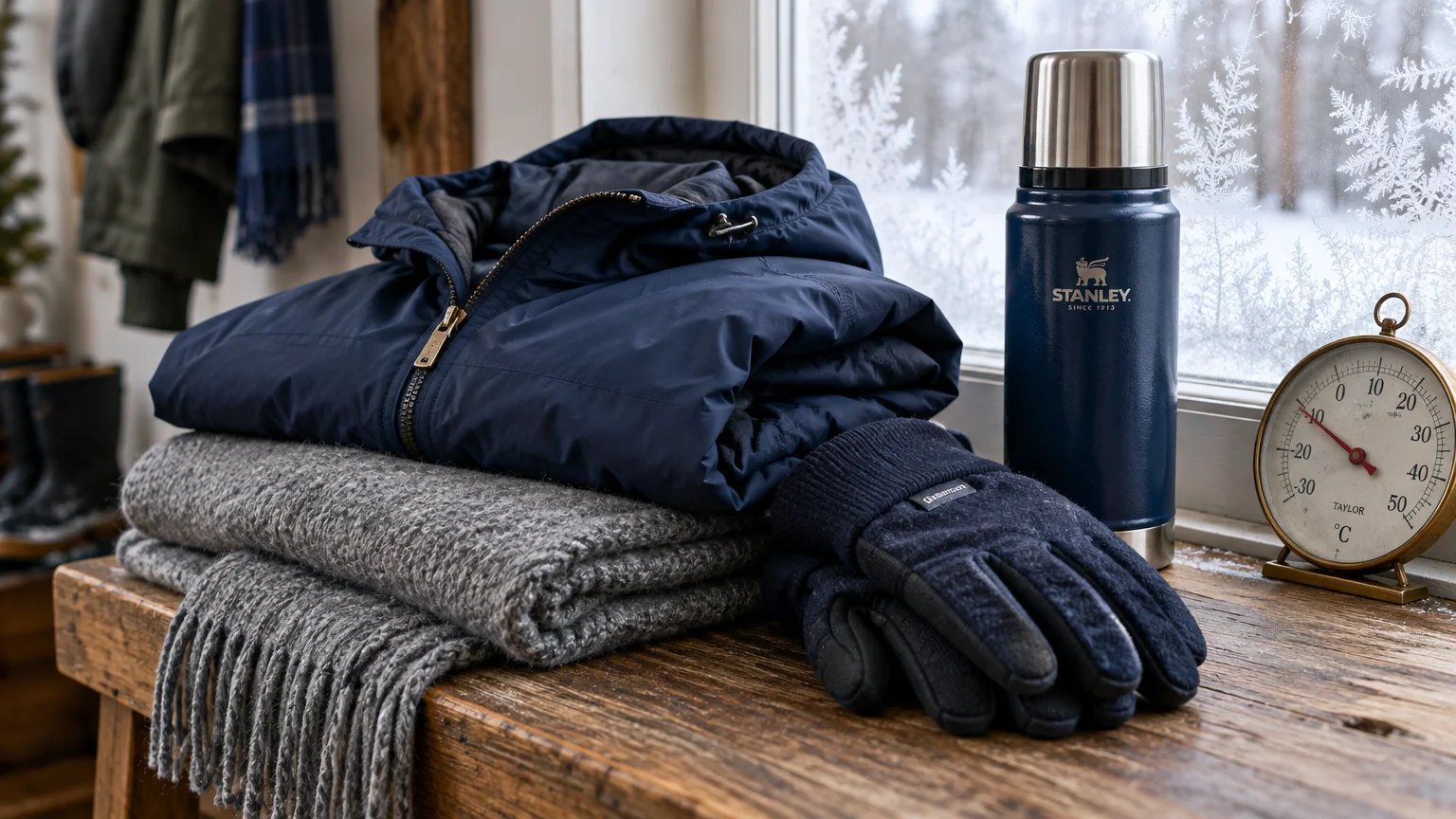
Protecting your cardiovascular system requires proactive lifestyle adjustments before freezing temperatures arrive. Implementing structured habits shields your blood vessels against abrupt thermal shock and excessive sympathetic stimulation.
1. Proactive Medical Care and Blood Pressure Tracking
Consult your physician before winter to review your baseline medications and cardiovascular goals. Because blood pressure naturally climbs during cold months, your doctor may adjust your prescriptions to maintain optimal vascular protection.
Monitor your blood pressure consistently at home using an automated upper-arm cuff. The Centers for Disease Control and Prevention recommends regular home tracking to catch cold-weather hypertensive spikes before they cause harm.
Stay up to date on your seasonal viral immunizations, including influenza and pneumonia vaccines. Respiratory infections trigger extensive systemic inflammation, doubling your likelihood of suffering an acute coronary syndrome during winter.
2. Safe Physical Movement and Layering Techniques
Never step directly from a warm room into strenuous outdoor activity without warming up. Spend five to ten minutes doing light indoor stretches or marching in place to gently elevate your cardiac output.
Dress in breathable, moisture-wicking layers that trap warm air close to your skin. Trapping body heat prevents rapid cutaneous vasoconstriction, while removable layers prevent sweating that leads to sudden chilling.
Cover your mouth and nose with a scarf or thermal mask when walking outdoors in freezing weather. Pre-warming inhaled air prevents reflexive bronchial constriction and reduces cold-induced coronary arterial spasms.
3. Heart-Healthy Nutrition and Hydration Habits
Winter cravings often push diets toward sodium-heavy processed comfort meals that exacerbate arterial fluid pressure. Focus instead on mineral-dense winter foods like roasted root vegetables, legumes, and dark leafy greens to support endothelial health.
Maintain consistent hydration with water and warm herbal infusions throughout the day. Cold weather blunts natural thirst cues, but dehydration increases blood viscosity and accelerates intravascular clotting risks.
Avoid heavy alcohol consumption before going outdoors into the cold. Alcohol causes rapid cutaneous vasodilation that drains core body heat while dulling the pain sensations that warn you of ischemic cardiac distress.
Frequently Asked Questions
Why does cold weather cause blood pressure to rise so quickly?
Cold ambient air triggers cutaneous temperature receptors that stimulate your sympathetic nervous system. Your body releases stress hormones that constrict peripheral arteries, which preserves internal heat but significantly elevates systemic vascular resistance.
This sudden vasoconstrictive reflex forces your heart to pump harder against heightened pressure. For individuals with underlying cardiovascular disease, this immediate workload increase can provoke acute myocardial ischemia.
At what temperature does cardiovascular risk begin to escalate?
Cardiovascular strain does not require sub-zero conditions to develop. Extensive epidemiological research reveals that excess cardiovascular mortality and arterial pressure spikes begin to emerge once daily temperatures dip below 12°C (54°F).
Because risk increases incrementally with each dropped degree, cool autumn days require the same thermal awareness as freezing midwinter mornings. Vulnerable individuals should dress warmly whenever ambient temperatures feel chilly.
How can seniors safely stay active when winter temperatures plummet?
Older adults should move their cardiovascular conditioning indoors when severe weather hits. Walking in enclosed shopping malls, participating in heated community center classes, or using home resistance bands preserves fitness without thermal strain.
When outdoor walks are preferred, schedule outings during peak afternoon sunlight when temperatures are warmest. Always wear sturdy non-slip footwear, dress in warm layers, and bring a mobile phone for security.
When should you call emergency services instead of waiting?
Call emergency dispatch immediately if you experience chest tightness, radiating pain, sudden breathlessness, or cold sweats lasting more than five minutes. Do not attempt to drive yourself to the hospital under any circumstances.
Emergency medical professionals provide essential medications and cardiac monitoring immediately upon arrival. Rapid emergency mobilization saves valuable heart tissue and dramatically improves clinical outcomes.
Taking Your First Protective Step Today
Winter weather brings unavoidable cardiovascular challenges, but proactive knowledge puts you in control. By recognizing subtle warning signs and pacing your cold-weather activities, you protect your long-term cardiac vitality.
Start today by placing a scarf beside your front door and checking your baseline blood pressure. What simple lifestyle adjustment will you make this week to support your heart through the winter?






Leave a Reply