
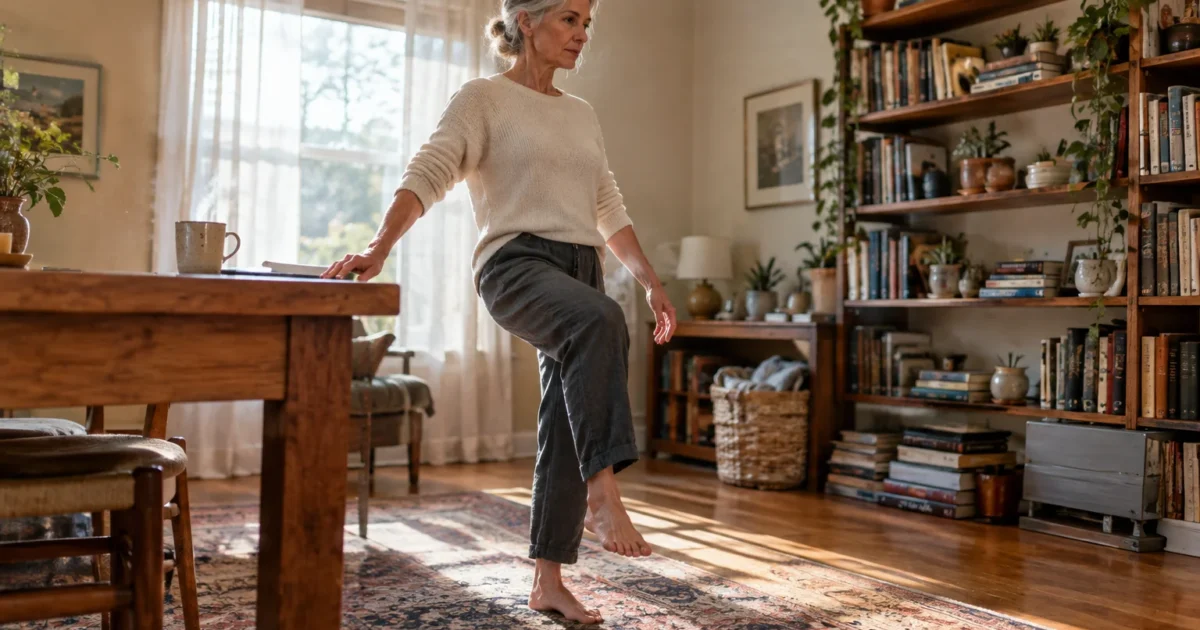
You can spot hip fracture risks long before an accidental stumble occurs. Identifying skeletal thinning and physical instability early protects your independence and preserves your mobility.
More than ninety-five percent of hip fractures stem directly from falls; however, underlying structural weakness develops silently over decades. Recognizing subtle physical indicators allows you to intervene before a crisis strikes.
Proactive evaluation gives you the power to fortify your skeleton through targeted medical, nutritional, and physical therapies. Learning your personal risk profile is the most vital step in preventing life-altering bone injuries.
The Hidden Science of Hip Fragility
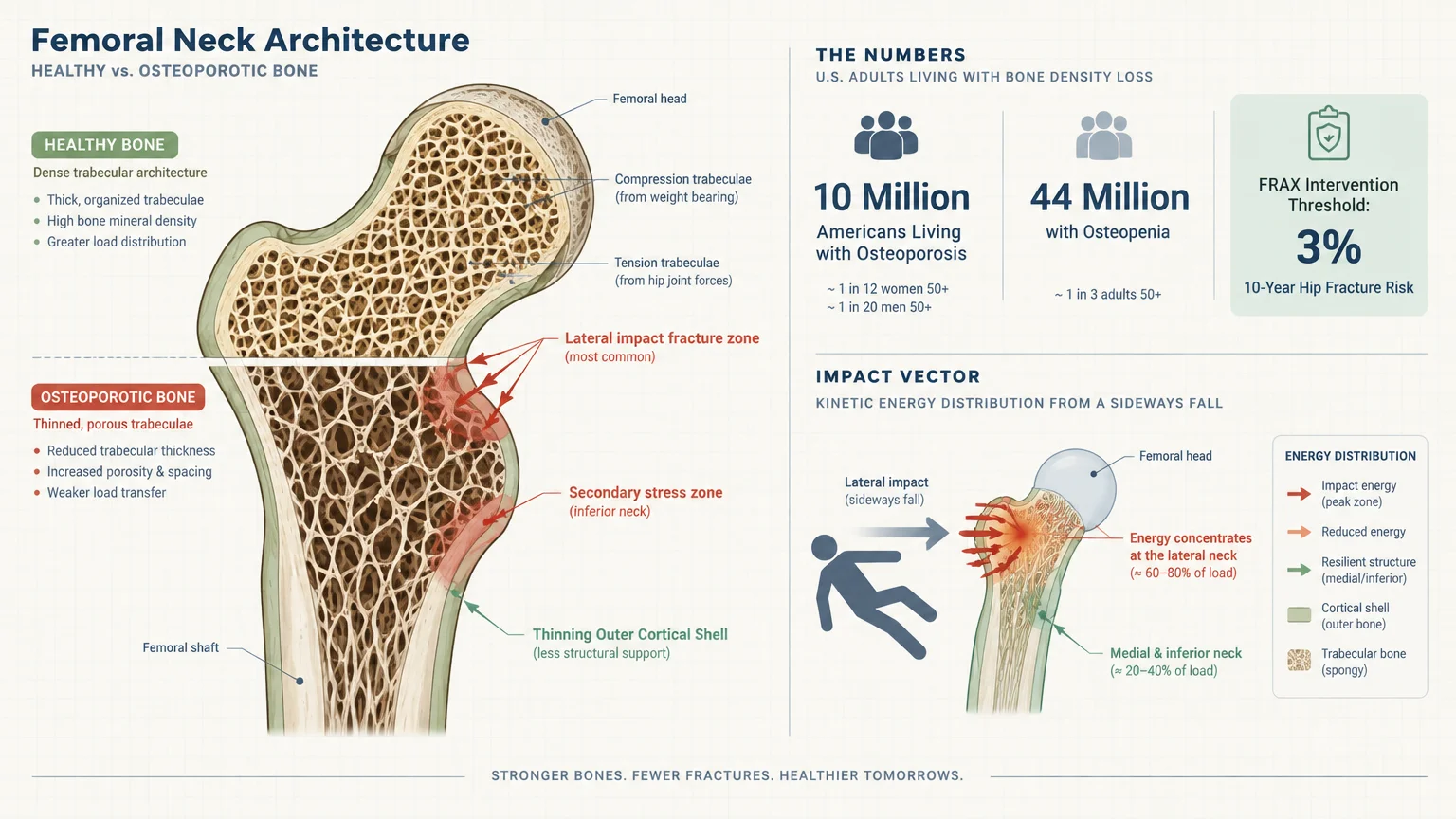
Bone loss accelerates without causing any perceptible daily pain. Approximately ten million Americans live with osteoporosis, while another forty-four million experience low bone mass known as osteopenia.
The Centers for Disease Control and Prevention reports that over 300,000 older adults face hospitalization for hip fractures annually. Most alarming, twenty to thirty percent of patients die within one year following a hip fracture due to post-surgical complications.
Sideways falls deliver sudden kinetic energy directly to the upper femur. When structural bone density declines, the thin outer shell of your femoral neck buckles under ordinary impact stresses.
The U.S. Preventive Services Task Force recommends routine bone scans for all women aged sixty-five and older. Clinicians also urge screening for younger postmenopausal women who display elevated physical risk indicators.
Healthcare providers utilize the Fracture Risk Assessment Tool to calculate your ten-year fracture likelihood. Medical intervention begins when your ten-year hip fracture risk reaches three percent or higher.
11 Early Warning Signs of Hip Fracture Risk
1. Measurable Loss of Height
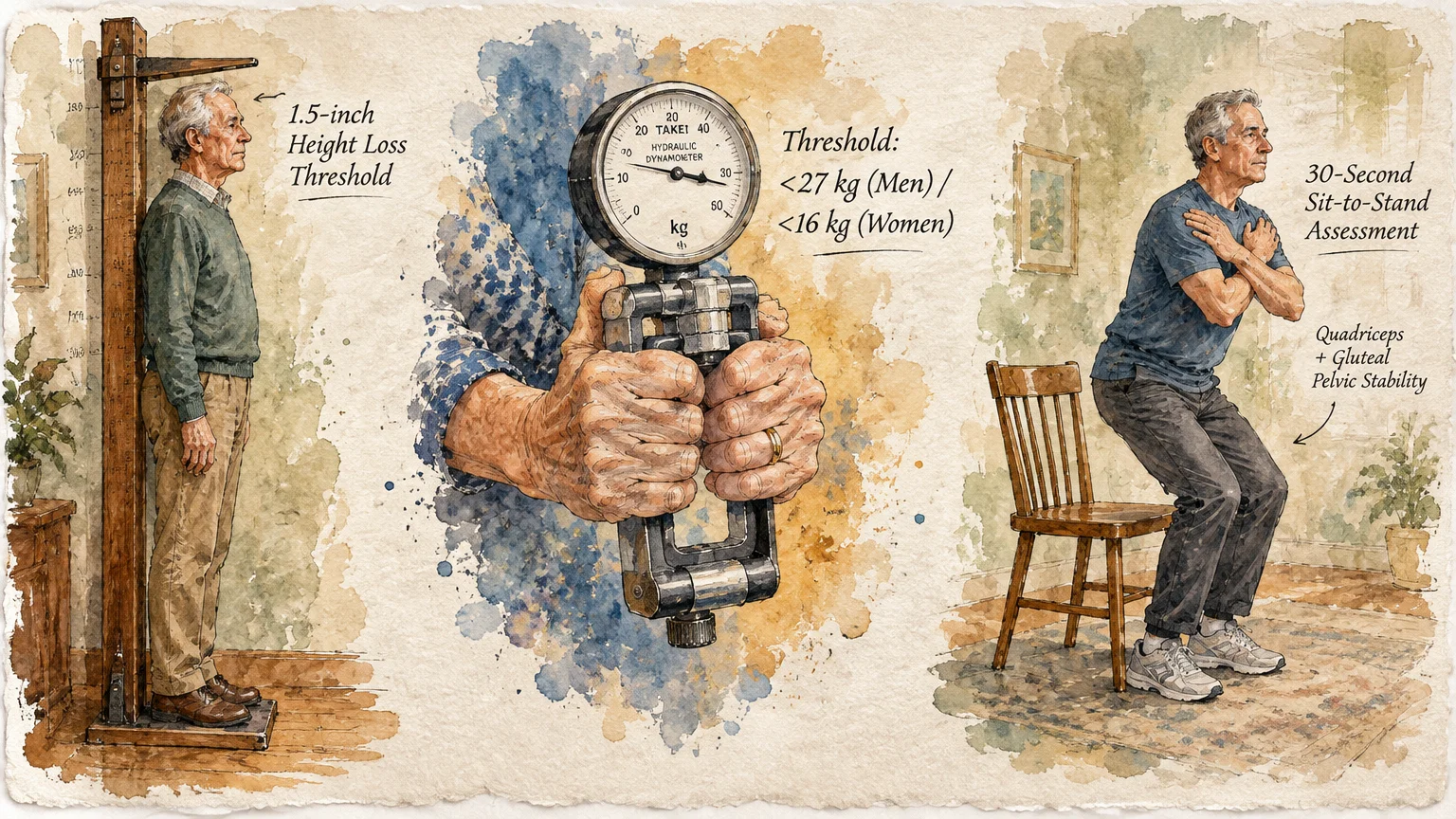
Shrinking is not an inevitable or benign consequence of growing older. A documented loss of 1.5 inches compared to your young-adult height often indicates silent vertebral compression fractures.
Losing 0.8 inches between routine medical checkups also warrants immediate diagnostic attention. When your vertebrae compress silently, your femoral neck frequently shares identical internal architectural thinning.
Request a formal height measurement against a wall stadiometer during every annual physical examination. Comparing these metrics over time uncovers invisible skeletal changes before a fall occurs.
2. Weakening Hand Grip Strength
Your grip strength provides an objective snapshot of total muscular and skeletal vitality. Clinical thresholds identify grip strength below 27 kilograms for men and 16 kilograms for women as a hallmark of sarcopenia.
Sarcopenia involves the progressive loss of skeletal muscle mass and functional power. When muscle fibers atrophy, adjacent bones lose the mechanical stimulation needed to maintain mineral density.
Weak hands also diminish your ability to grab handrails or break an unexpected slip safely. A dynamometer test at a physical therapy clinic accurately reveals this neuromuscular vulnerability.
3. Struggling to Rise from an Armless Chair
Standing up from a standard dining chair without using your hands tests deep functional strength. If you must rock forward or brace your thighs, your quadriceps and gluteal muscles have lost critical power.
These lower-body muscle groups stabilize your pelvis during dynamic movement. When they weaken, your balance falters during routine turns, sharply increasing your risk of a sideways stumble.
Physical therapists use the thirty-second sit-to-stand assessment to gauge baseline lower-body capacity. Practicing this motion daily reinforces stabilizing joints and builds resilient connective tissue.
4. Receding Gums and Declining Jawbone Density
Systemic bone loss rarely limits itself to your spine and hips. Your jawbone anchors your dental roots, and systemic mineral resorption often shows up inside your mouth first.
Dentists often identify early osteopenia on routine panoramic X-rays before symptoms appear elsewhere. As the alveolar ridge recedes, your gum line pulls back and teeth become noticeably loose.
Discuss any accelerating dental shifts or tooth instability with your dentist and physician promptly. Oral bone density changes frequently mirror mineral deconditioning inside your femoral neck.
5. Slowing Gait and Subtle Balance Fluctuations
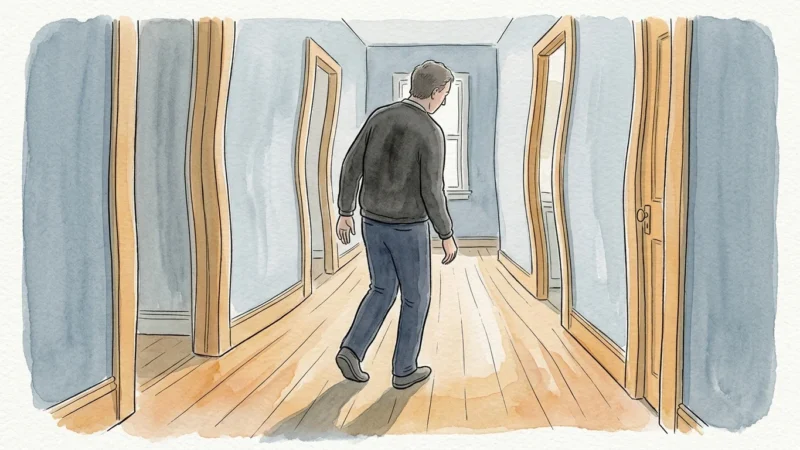
An involuntary deceleration in your normal walking pace indicates compensatory neuromuscular caution. If you shuffle or widen your stance to maintain equilibrium, your balance mechanisms are faltering.
The CDC confirms that falling once immediately doubles your chances of sustaining another fall. When your brain doubts your postural stability, it alters your gait to prevent sudden slips.
Testing your single-leg stance time reveals whether your balance centers remain sharp. Inability to balance on one foot for ten seconds signals an elevated fall risk.
6. Visible Curvature in Your Upper Spine
Developing a rounded upper back—clinically termed hyperkyphosis—suggests structural weakness in your thoracic vertebrae. Multiple microscopic compression fractures cause spinal bones to wedge forward over time.
This forward spinal curve shifts your center of mass away from your base of support. You must work significantly harder to stay upright, exhausting your stabilizing muscles during everyday strolls.
Hyperkyphosis also limits your visual field by tilting your gaze downward toward the ground. Missing upcoming obstacles or level changes dramatically raises the likelihood of an unexpected fall.
7. Premature Menopause or Early Estrogen Loss
Estrogen plays a vital biological role in regulating bone remodeling and slowing osteoclast activity. Undergoing natural or surgical menopause before age forty-five triggers rapid, unchecked mineral depletion.
The Bone Health and Osteoporosis Foundation highlights that women experience up to twenty percent bone loss during early postmenopausal stages. This rapid resorption leaves hip bones exceptionally vulnerable to stress.
Women with premature ovarian insufficiency require proactive monitoring and tailored hormone conversations. Early clinical strategies help preserve vital bone mineral architecture long before retirement age arrives.
8. Chronic Malabsorption and Gut Inflammation
Untreated celiac disease, inflammatory bowel conditions, or gastric bypass surgery severely impede nutrient uptake. Your body cannot construct strong bone tissue without a constant supply of calcium and vitamin D.
When intestinal lining inflammation blocks mineral absorption, your parathyroid glands release hormones to strip calcium directly from your skeleton. Your hip and pelvic bones bear the brunt of this mineral theft.
Regularly using proton pump inhibitors for chronic acid reflux also reduces stomach acid needed to dissolve calcium compounds. Evaluating your nutrient blood levels prevents quiet skeletal starvation.
9. Sustaining a Fracture from Minor Trauma
Breaking a wrist, foot, or rib after a simple ground-level trip is a red flag. Healthy bones easily withstand the kinetic energy of an ordinary household bump or minor tumble.
Clinicians define these incidents as fragility fractures because they reveal fundamental skeletal weakness. Experiencing an initial fragility fracture doubles your long-term risk of a subsequent hip fracture.
Never dismiss a minor break as merely bad luck or an unfortunate angle. Treat any adult low-trauma fracture as definitive proof that your bones require comprehensive clinical evaluation.
10. Long-Term Corticosteroid or Sedative Use
Taking oral glucocorticoids like prednisone for asthma or rheumatoid arthritis directly inhibits bone-building cells. Even moderate doses taken for more than three months significantly degrade femoral bone quality.
Simultaneously, common medications like sleep aids, sedating antidepressants, and blood pressure pills induce grogginess. Combining diminished bone resilience with balance-impairing medications creates a dangerous clinical environment for hip injuries.
Ask your doctor to conduct an annual comprehensive medication audit to eliminate unneeded sedatives. Deprescribing nonessential balance-disrupting drugs immediately restores cognitive alertness and motor coordination.
11. Orthostatic Hypotension and Frequent Lightheadedness
Do you feel dizzy or faint when standing up from your bed or sofa? A sudden drop in systemic blood pressure—known as orthostatic hypotension—momentarily starves your brain of oxygen.
This brief disorientation causes sudden stumbling or complete syncopal fainting spells without warning. Fainting while standing drops your entire body weight sideways directly onto the greater trochanter of your hip.
Hydration, compression garments, and medication adjustments successfully manage postural blood pressure drops. Eliminating dizziness stops high-impact sideways collapses before they ever occur.
Clinical Perspectives on Proactive Screening
Dr. Elena Ramirez, a geriatric physician, emphasizes that bone loss remains completely silent until trauma occurs. She notes that patients rarely suspect low bone density until an everyday trip fractures their hip.
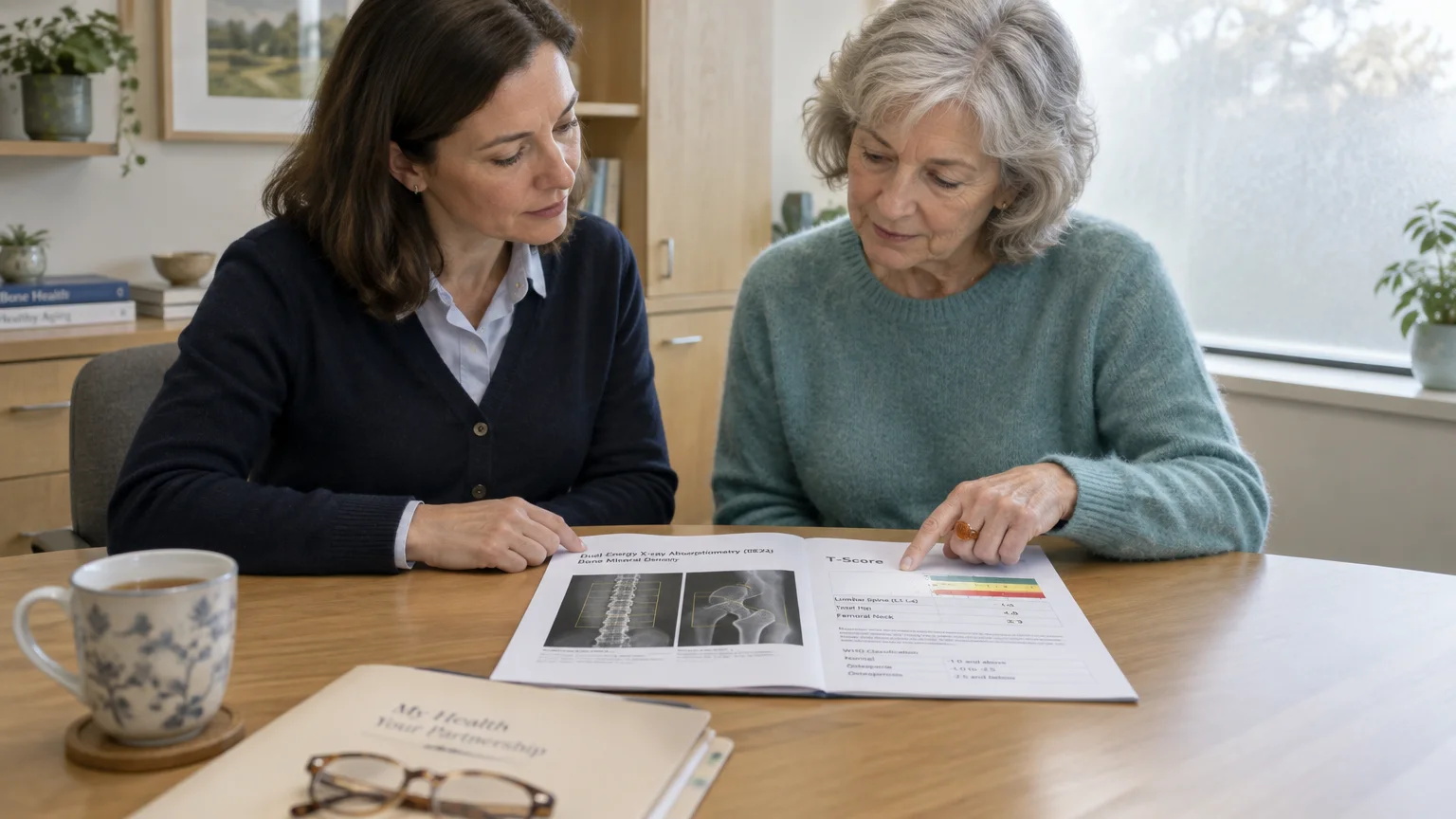
Ramirez urges adults to advocate for early screenings rather than waiting for a painful injury. She reminds patients that bone density scans provide objective measurements that remove all diagnostic guesswork.
Physical therapist Marcus Vance explains that leg strength serves as your primary biological airbag. When his patients strengthen their hips and practice balance exercises, their fall anxiety and fracture risk decline simultaneously.
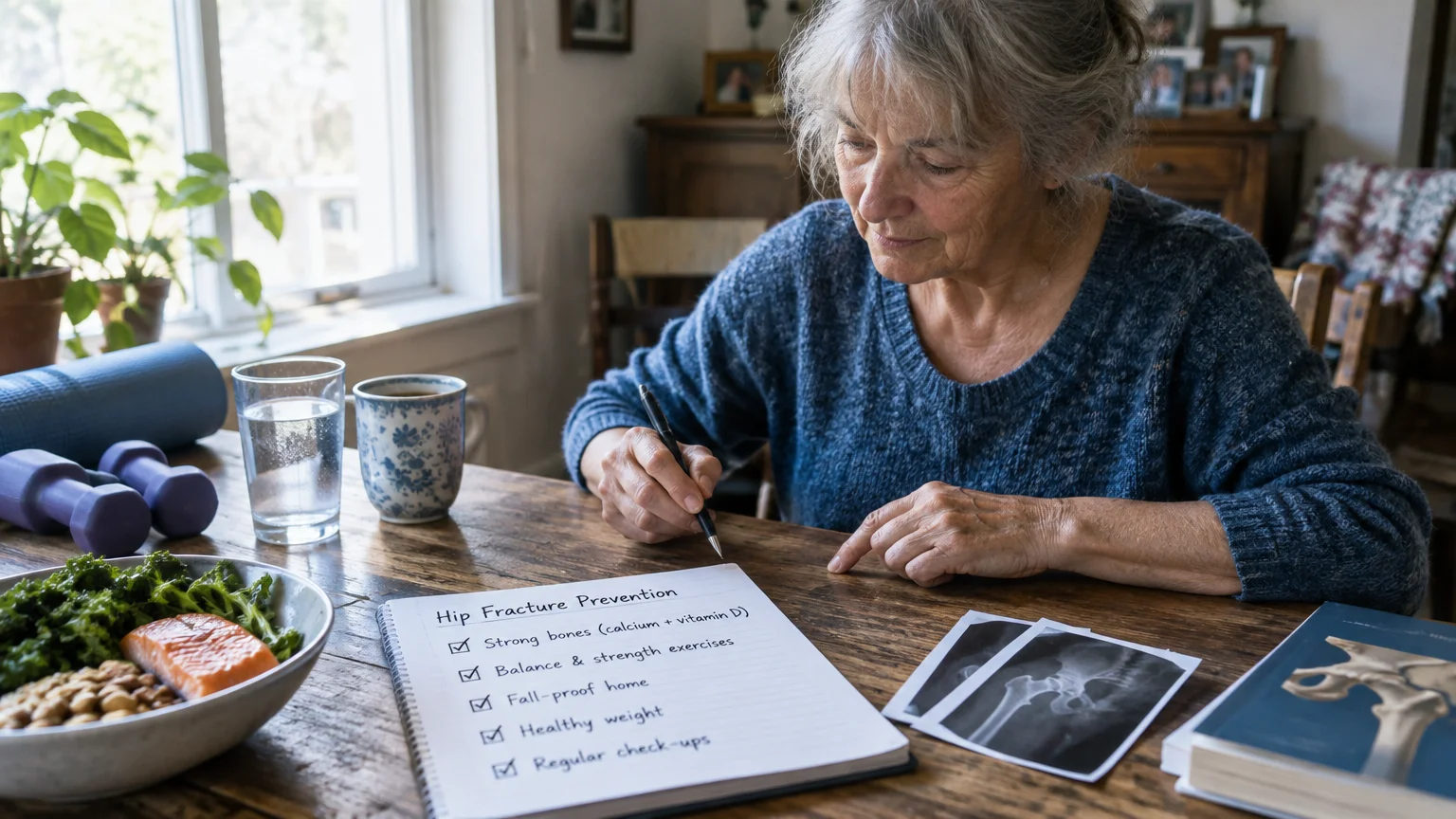
Evidence-Based Pillars for Hip Fracture Prevention
1. Targeted Movement and Impact Loading
Your bones respond dynamically to mechanical load by signaling osteoblasts to lay down fresh mineral crystals. Progressive resistance training stresses skeletal tissue safely, reinforcing the internal structure of your femoral neck.
Integrate balance-focused movements like Tai Chi or single-leg stances into your daily routine. Practicing coordinated weight shifts sharpens neuromuscular reflexes so your body catches itself automatically during a stumble.
Aim for two to three dedicated strength sessions weekly, emphasizing squats, lunges, and calf raises. Always collaborate with a certified physical therapist if you already manage joint pain or mobility limitations.
2. Precision Nutrition for Bone Density
Constructing robust bones requires a broad spectrum of micronutrients working in harmony. Calcium provides basic structural rigidity, while vitamin D3 facilitates efficient intestinal absorption of that vital mineral.
Pair these nutrients with vitamin K2, which directs circulating calcium into bone matrices rather than arterial walls. Adequate protein intake—roughly 1.2 grams per kilogram of body weight—supports the muscular frame protecting your hips.
Emphasize whole food sources such as leafy greens, sardines, fortified dairy, and fermented foods. Consult a registered dietitian nutritionist to determine if targeted supplementation matches your unique metabolic profile.
3. Medical Surveillance and Environmental Safety
Diagnostic testing establishes your clinical baseline before physical symptoms develop into serious fractures. Ask your physician about dual-energy X-ray absorptiometry scans to measure your precise hip bone mineral density.
Clinical guidelines recommend regular bone density screenings for men beginning at age seventy. Men with previous fractures, steroid exposure, or prostate cancer therapies should begin screening much earlier.
Pair medical diagnostics with practical home safety audits to eliminate preventable tripping hazards indoors. Securing loose throw rugs, clearing floor clutter, and installing stair handrails eliminates hidden domestic danger zones.
Frequently Asked Questions
How does the FRAX score assess my personal risk?
The Fracture Risk Assessment Tool integrates your bone density score with clinical risk factors like age, smoking, and family history. It calculates your specific ten-year probability of suffering a major osteoporotic or hip fracture.
Clinicians recommend starting prescription bone-building therapies when your ten-year hip fracture risk reaches three percent. Discuss your FRAX calculation with your physician to customize an evidence-based prevention roadmap.
Can exercise alone reverse bone density loss?
Targeted strength and impact exercises stimulate bone maintenance and slow natural mineral depletion significantly. However, severe osteoporosis often requires pharmaceutical intervention alongside physical training to rebuild compromised trabecular architecture.
Exercise dramatically reduces fracture risk by building muscular shock absorbers and improving balance reflexes. Combining resistance workouts with physician-guided medical care delivers the most robust clinical protection.
What distinguishes osteopenia from osteoporosis?
Both conditions represent a loss of bone mineral density measured by a dual-energy X-ray absorptiometry scan. Osteopenia indicates mild to moderate thinning, while osteoporosis reflects severe bone loss with porous internal structures.
Osteopenia represents a crucial window of opportunity to intervene before irreversible structural damage occurs. Adopting targeted lifestyle habits during osteopenia stops the progression toward clinical osteoporosis.
Why are hip fractures so dangerous for older adults?
Hip fractures require major emergency surgery followed by prolonged physical immobility and extensive rehabilitation. Immobility dramatically increases the risk of developing blood clots, pneumonia, and systemic bacterial infections.
The physical trauma often initiates a steep decline in cardiovascular endurance and independent functional capability. Early prevention remains the ultimate medical strategy for protecting your life and long-term autonomy.
Taking Your First Protective Step
Protecting your hip health does not require an overwhelming overhaul of your entire lifestyle overnight. Choose one concrete action today, such as scheduling a bone density scan or testing your chair-rise ability.
Pay close attention to subtle physical changes in your posture, balance, and leg strength over time. Your body constantly shares valuable feedback regarding its internal strength and stability.
What small adjustment can you make this week to fortify your skeleton and safeguard your future freedom? Your future self will thank you for taking action today.





Leave a Reply