

Your routine comprehensive metabolic panel can reveal critical clues about your metabolic and hepatic health long before physical symptoms emerge. While commercial laboratory printouts often label Alanine Aminotransferase (ALT) levels up to 55 IU/L as acceptable, true clinical thresholds established by modern hepatology are significantly lower. When subtle enzyme shifts go unexamined, you miss a valuable window to reverse inflammation and support your liver naturally. Recognizing whether your numbers warrant a closer inspection allows you to make informed lifestyle modifications or seek timely medical follow-up. Here is how to interpret abnormal liver panel results and determine when your numbers require proactive evaluation.
Decoding Your Liver Panel: What the Numbers Actually Mean
When your healthcare provider orders a standard hepatic function panel, the laboratory measures several proteins and enzymes circulating in your bloodstream. The primary markers include Alanine Aminotransferase (ALT), Aspartate Aminotransferase (AST), Alkaline Phosphatase (ALP), and Gamma-Glutamyl Transferase (GGT). These biomarkers reflect cellular integrity rather than direct filtration rate. When hepatocytes—the primary functional cells of your liver—experience stress, injury, or membrane disruption, they spill these intracellular enzymes into your systemic circulation.
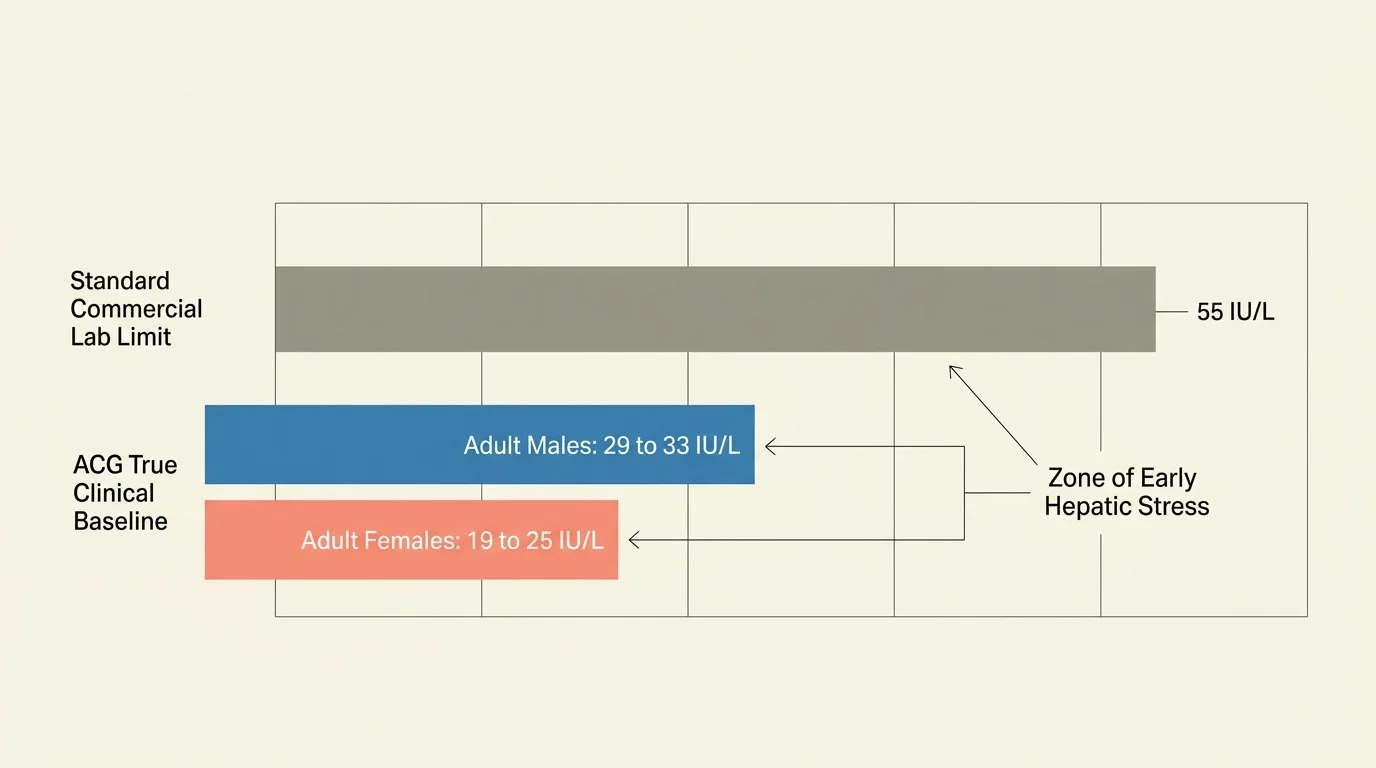
Standard commercial laboratories establish reference intervals based on broad population averages, which frequently include individuals with undiagnosed metabolic dysfunction or early hepatic steatosis. Consequently, standard lab reports often display upper limits of normal as high as 45 to 55 IU/L. However, the American College of Gastroenterology clinical guidelines define true healthy baseline ALT levels as 29 to 33 IU/L for adult males and 19 to 25 IU/L for adult females. Evaluating your numbers against these updated benchmarks ensures you do not overlook early hepatic stress.

7 Signs Your Liver Enzymes Deserve a Second Look
Understanding when an isolated blood test warrants clinical investigation helps you navigate your care proactively. If your recent laboratory results or physical symptoms align with any of the following seven scenarios, discuss a follow-up strategy with your physician.
1. Your ALT Exceeds Clinical Baselines Despite a “Normal” Lab Flag
Commercial laboratory reports usually flag values with an asterisk or bold font only when they cross wide reference limits. If your ALT reads at 35 IU/L, your patient portal might mark it as normal; however, for a female whose true clinical upper limit is 25 IU/L, this represents a meaningful elevation. Alanine aminotransferase resides primarily within hepatocytes, making it the most specific marker of liver cell injury. Even modest elevations above clinical cutoffs correlate with increased cardiometabolic risk and early hepatic fat accumulation.
2. Your AST-to-ALT Ratio Shows a Distinct Skew
Examining the relationship between AST and ALT offers deeper diagnostic insight than looking at either enzyme in isolation. An AST-to-ALT ratio greater than 2:1 strongly suggests alcohol-associated liver injury or advanced cellular stress, because alcohol impairs mitochondrial function where much of your AST originates. Conversely, an AST-to-ALT ratio below 1.0 commonly characterizes metabolic-associated liver conditions, early viral hepatitis, or drug-induced stress. Noting which enzyme predominates directs your clinician toward the underlying mechanism.
3. Alkaline Phosphatase Is Elevated Alongside GGT
Alkaline Phosphatase (ALP) is not unique to your liver; bone turnover, intestinal activity, and pregnancy also release this enzyme into the blood. When your ALP levels register high, your physician should evaluate Gamma-Glutamyl Transferase (GGT). Because GGT originates within the biliary tract and does not rise in response to bone disorders, a concurrently elevated GGT confirms that your ALP stems from a hepatobiliary origin—such as biliary sluggishness, gallstones, or bile duct inflammation.
4. You Experience Unexplained Fatigue, Brain Fog, or Abdominal Fullness
The liver lacks direct pain receptors within its internal tissue, meaning chronic liver inflammation rarely causes sharp pain in its early stages. However, liver swelling can stretch the surrounding Glisson’s capsule, producing a dull ache or fullness in your right upper quadrant just below your ribcage. Furthermore, when hepatic clearance falters, circulating pro-inflammatory cytokines can induce persistent daytime fatigue, unrefreshing sleep, and subtle cognitive sluggishness that standard rest cannot resolve.
5. You Manage Co-Occurring Cardiometabolic Risk Factors
Your liver operates at the center of energy regulation, carbohydrate metabolism, and lipid packaging. If you live with prediabetes, type 2 diabetes, high triglycerides, low HDL cholesterol, or elevated waist circumference, your liver faces greater metabolic strain. The National Institute of Diabetes and Digestive and Kidney Diseases highlights that metabolic dysfunction remains the single largest driver of incidental liver enzyme elevations globally.
6. You Recently Changed Medications, Botanicals, or Workout Routines
Your liver metabolizes nearly every pharmaceutical agent, botanical compound, and dietary supplement you ingest. Over-the-counter pain relievers, cholesterol-lowering statins, certain antibiotics, and concentrated herbal extracts—such as high-dose green tea extract or ashwagandha—can provoke temporary drug-induced liver injury. Additionally, rigorous resistance training causes temporary muscle micro-tears that release AST into your blood. Distinguishing between exercise-induced AST leakage and genuine hepatic distress prevents unnecessary medical anxiety.
7. Mild Elevations Persist Beyond a 4-to-12-Week Observation Window
A single enzyme elevation often reflects transient factors like a recent viral illness, intense physical exertion, or a celebratory weekend. However, if your numbers remain elevated when retested 4 to 12 weeks later, your liver is signaling sustained cellular stress. Furthermore, any immediate appearance of red flag symptoms—such as scleral jaundice (yellowing of the eyes), dark tea-colored urine, pale stools, severe nausea, or unexplained bruising—demands immediate medical assessment rather than watchful waiting.
Science Snapshot: The Shifting Landscape of Steatotic Liver Disease
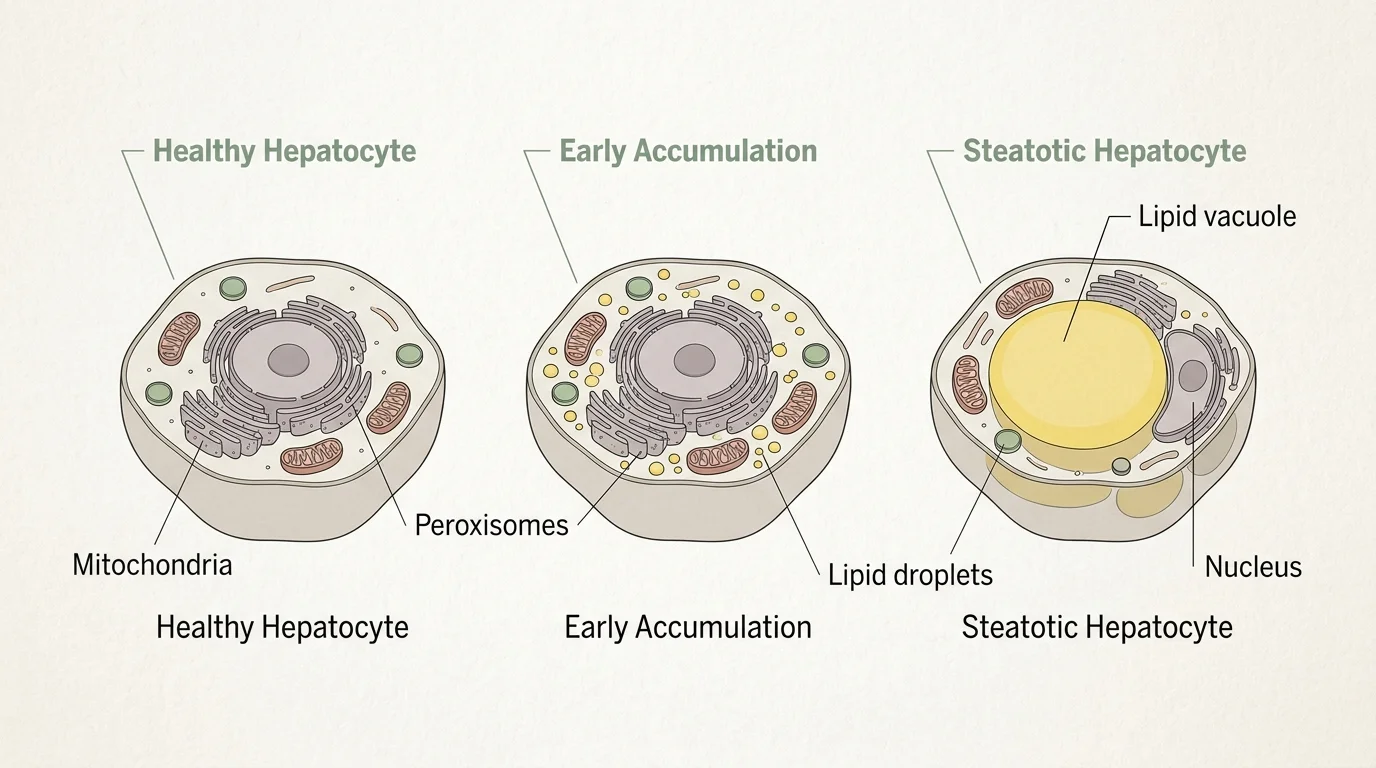
Global epidemiological data indicate that steatotic liver disease affects approximately 30% to 38% of the global adult population, with rates surpassing 40% among individuals managing type 2 diabetes or obesity. In June 2023, a consensus of international liver organizations—including the American Association for the Study of Liver Diseases—updated the official clinical terminology. The medical community replaced Non-Alcoholic Fatty Liver Disease (NAFLD) with Metabolic Dysfunction-Associated Steatotic Liver Disease (MASLD), and updated Non-Alcoholic Steatohepatitis (NASH) to Metabolic Dysfunction-Associated Steatohepatitis (MASH).
This nomenclature shift removes stigmatizing language and anchors the diagnosis in identifiable metabolic criteria. Therapeutic options have expanded significantly as well; in March 2024, the U.S. Food and Drug Administration approved resmetirom (Rezdiffra) as the first targeted medication for adults with non-cirrhotic MASH featuring moderate to advanced liver fibrosis (stages F2 to F3). This regulatory milestone provides a validated clinical pathway for advanced cases alongside core lifestyle therapies.

Clinical Perspectives: How Specialists Evaluate Enzyme Fluctuations
Hepatologists and primary care clinicians view liver enzyme tests as screening indicators rather than standalone diagnoses. Treating numbers on a page without assessing the whole person leads to misdirected care. Clinicians look at the broader metabolic profile, medication lists, and longitudinal trends before deciding on advanced diagnostics.
When enzyme elevations persist, clinicians routinely calculate non-invasive fibrosis scores, such as the FIB-4 index, which incorporates age, AST, ALT, and platelet counts. This calculation stratifies your risk of underlying liver scarring without requiring an invasive biopsy. If your FIB-4 score indicates moderate or elevated risk, your provider may recommend transient elastography (FibroScan) or abdominal ultrasound to visualize liver stiffness and fat accumulation directly.

Three Pillars for Restoring and Supporting Hepatic Function
Your liver possesses remarkable regenerative capacity. When you remove metabolic stressors and supply essential micronutrients, hepatic tissue can rapidly resolve inflammation and reverse early steatosis.
1. Targeted Metabolic Nutrition
Prioritize an anti-inflammatory, Mediterranean-style dietary framework rich in colorful vegetables, wild-caught fatty fish, extra virgin olive oil, and fiber-rich legumes. Substantially curtail your intake of industrial seed oils, refined carbohydrates, and high-fructose corn syrup, as liquid fructose bypasses normal digestive checkpoints and fuels de novo lipogenesis directly in the liver. Incorporating two to three cups of unsweetened filtered coffee daily also delivers polyphenol antioxidants that clinical studies associate with lower rates of hepatic fibrosis.
2. Strategic Physical Movement
Physical activity stimulates peripheral glucose disposal and enhances insulin sensitivity, allowing your skeletal muscle to take up glucose that would otherwise convert into liver fat. Combine moderate-intensity aerobic exercise—such as brisk walking, cycling, or swimming for 150 minutes weekly—with two weekly sessions of resistance training. Resistance exercises deplete intramuscular glycogen stores and reduce intrahepatic lipid content independently of total weight loss.
3. Mindful Chemical and Medical De-escalation
Perform a comprehensive audit of your daily exposures in partnership with your healthcare provider. Scrutinize over-the-counter pain medications; avoid exceeding recommended acetaminophen thresholds and minimize unnecessary non-steroidal anti-inflammatory drugs. Eliminate alcohol intake during periods of active enzyme elevation to allow hepatocyte membranes to stabilize. Finally, review all botanical supplements with your clinician, discontinuing unverified multi-ingredient blends.
Frequently Asked Questions About Abnormal Liver Panels
When should I schedule a follow-up test after an abnormal result?
For mild, asymptomatic elevations where enzyme levels sit less than two to three times the upper limit of normal, clinical protocols recommend retesting within 4 to 12 weeks. This interval allows your body time to recover from temporary viral illnesses, muscle soreness, or short-term medication effects while establishing a genuine baseline.
Can heavy weightlifting cause an artificial spike in my liver numbers?
Yes. Intense resistance exercise causes microscopic breakdown in skeletal muscle fibers, releasing Aspartate Aminotransferase (AST) and lesser amounts of ALT into your circulation. If you engaged in strenuous training within 48 hours of your blood draw, your AST elevation may reflect muscular recovery rather than hepatic injury. To obtain an accurate recheck, refrain from intense workouts for three days prior to testing.
Should I take milk thistle or liver detox supplements to lower my enzymes?
You should exercise caution before starting unregulated liver supplements. While compounds like silymarin (milk thistle) show mild antioxidant properties in laboratory settings, many commercial blends lack standardized dosing and third-party verification. Some proprietary detox products contain unlisted compounds that actually exacerbate drug-induced liver injury. Always consult your physician before adding any botanical supplement to your routine.
What specific signs warrant an urgent medical consultation?
Seek prompt medical attention if your liver enzymes exceed five to ten times the upper limit of normal, or if you develop clinical red flags. These symptoms include scleral jaundice, dark amber urine, light clay-colored stools, persistent vomiting, unexplained swelling in your lower extremities, or sudden cognitive confusion. These indicators point to acute hepatic impairment requiring immediate specialist management.
Moving Forward with Clarity and Confidence
Receiving an abnormal liver panel report can feel concerning, but it provides a valuable roadmap for proactive health optimization. Your liver remains one of the most resilient, regenerative organs in your body, capable of remarkable structural and functional recovery when given appropriate metabolic support. Begin by requesting your complete laboratory records, noting whether your ALT aligns with gender-specific clinical thresholds, and scheduling a collaborative review with your primary care provider.
Take a moment to reflect on your daily habits: what is one small, sustainable adjustment you can make this week to support your metabolic health? Whether you choose to replace sugar-sweetened beverages with water, establish a consistent evening walking routine, or pause unessential supplements, consistent small actions create the environment your liver needs to thrive.








Leave a Reply