

Recognizing diabetic foot neuropathy early preserves your mobility and prevents severe lower-limb complications. Catching subtle shifts in nerve sensation lets you take proactive measures long before permanent structural tissue damage occurs.
Nerve damage often develops quietly over months or years; you might dismiss faint tingling until everyday balance feels uncertain. Learning these signals gives you the practical knowledge necessary to protect your independence and physical comfort.
Consistent self-inspections combined with professional care make a lasting difference in your daily wellness. Here is what you need to watch for and how to respond effectively.
Understanding Diabetic Peripheral Neuropathy
Diabetic peripheral neuropathy is a progressive neurological condition stemming from prolonged metabolic strain. It damages peripheral nerves, which transmit sensory information between your brain, spinal cord, and extremities.
According to the Centers for Disease Control and Prevention, an estimated 40.1 million people in the United States live with diabetes, representing 12.0% of the population.
Among those individuals, 29.1 million have an established diagnosis, while 11.0 million adults remain undiagnosed. This substantial undiagnosed group faces elevated risks because untreated high blood sugar quietly harms nerve fibers over time.
The scope of this metabolic challenge extends worldwide. The International Diabetes Federation estimates that roughly 589 million adults globally have diabetes, with numbers projected to reach 853 million by 2050.
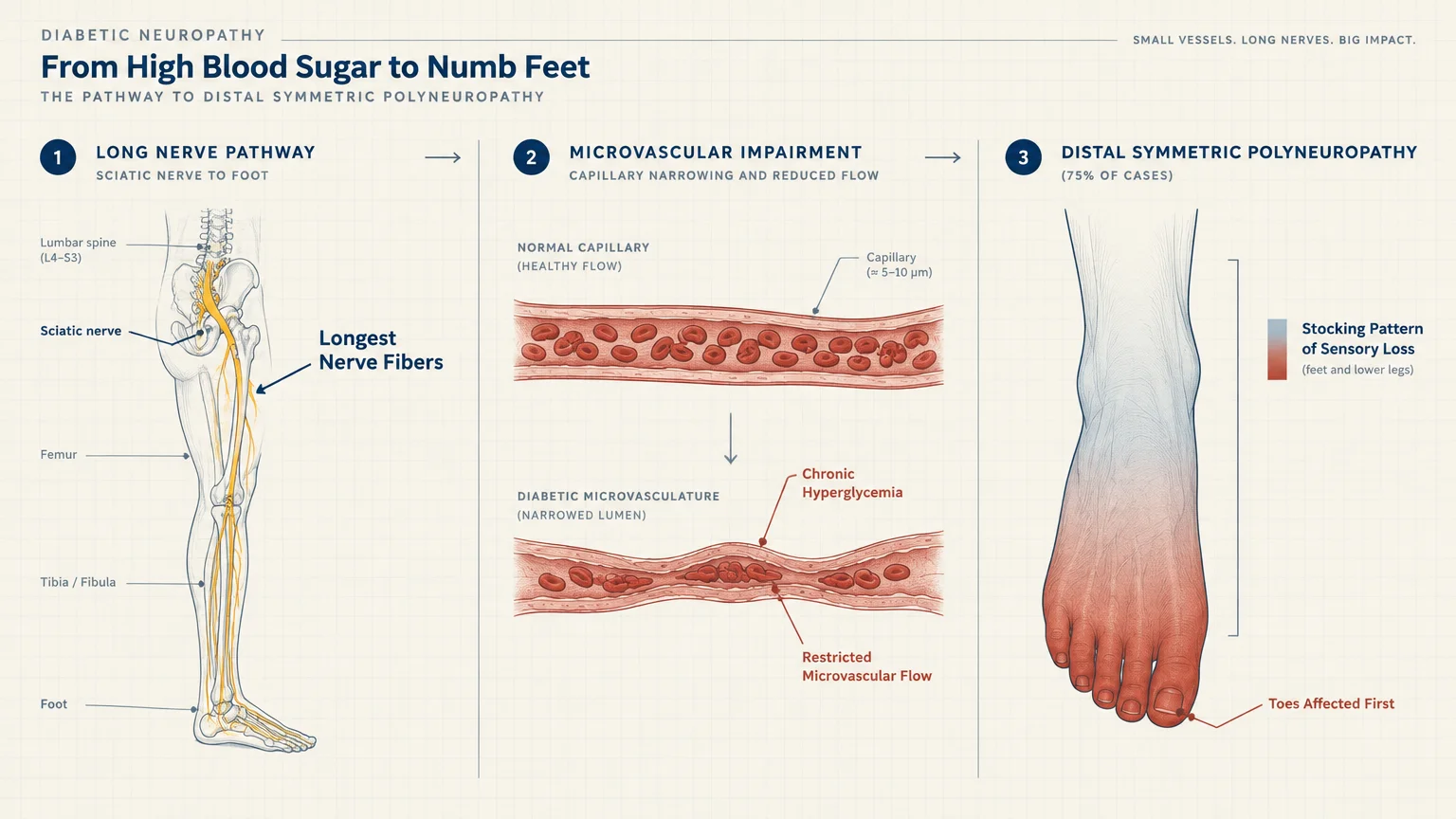
When chronic hyperglycemia persists, biochemical pathways trigger cellular oxidative stress and restrict microvascular blood flow. This microvascular impairment starves tiny capillaries, depriving nerve cells of the oxygen and vital micronutrients they require to survive.
Distal symmetric polyneuropathy accounts for approximately 75% of all diabetic neuropathies. This specific nerve disorder follows a length-dependent pattern, meaning it targets the longest nerve fibers in your body first.
Because nerves reaching your feet travel the greatest distance from your spine, they suffer early vulnerability. Symptoms routinely appear in the toes before slowly ascending your feet and calves in a classic stocking pattern.
Why Early Detection Protects Your Mobility
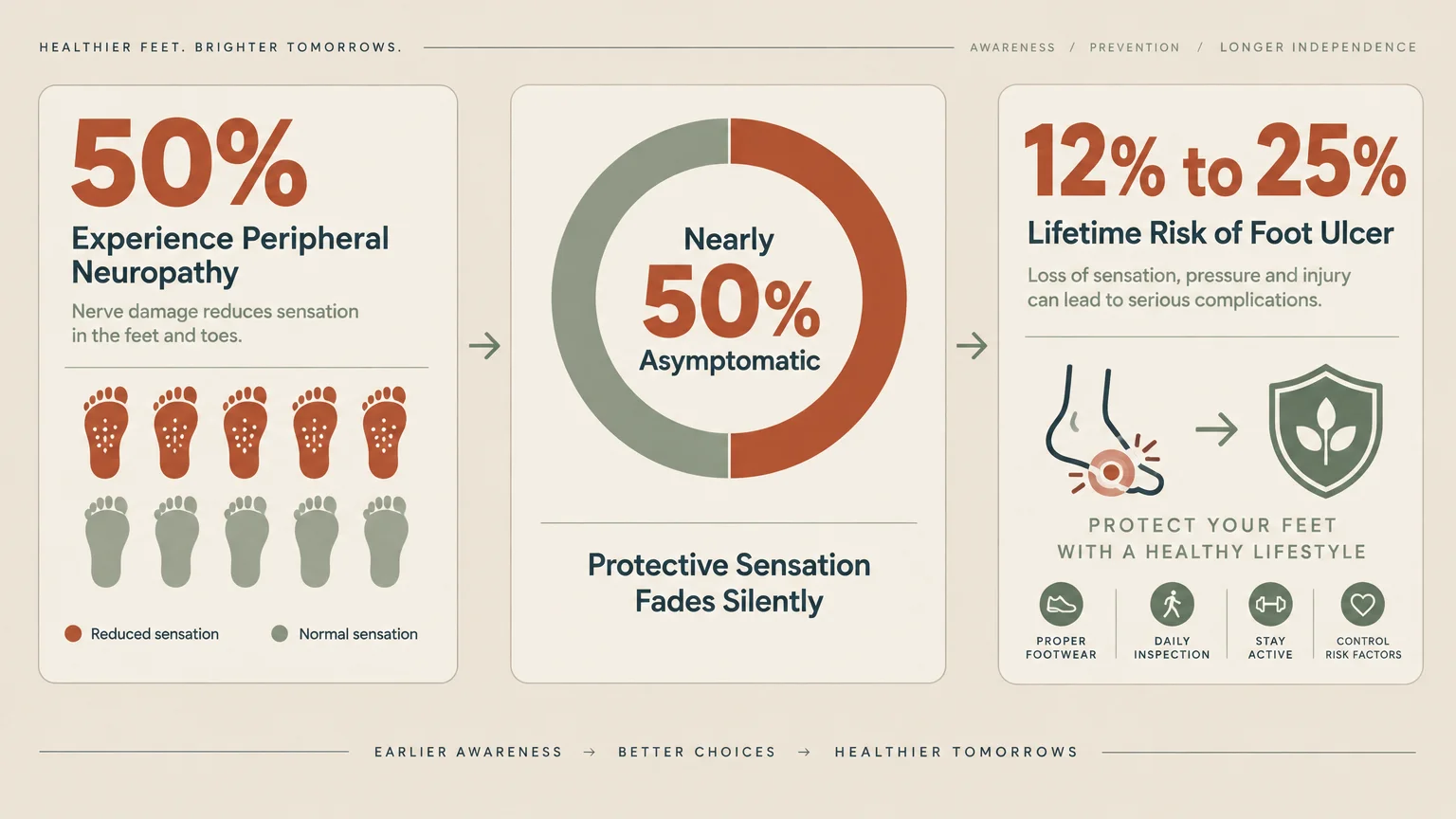
Diabetic peripheral neuropathy affects up to 50% of people with diabetes during the course of their disease. Despite its prevalence, nerve deterioration frequently unfolds without an immediate sense of urgency.
Clinical evidence shows that nearly half of people with diabetic peripheral neuropathy may be entirely asymptomatic. You might experience zero pain or discomfort while protective sensation silently fades away beneath your feet.
This silent loss of sensation creates substantial physical vulnerability. Data indicates that approximately 12% to 25% of patients with diabetes will develop a diabetic foot ulcer during their lifetime.
Neuropathy remains the single largest precipitating risk factor for these chronic ulcers. When you cannot feel repetitive friction or pressure points, minor skin breakdown can rapidly escalate into deep tissue infections.
Catching nerve changes early gives you time to adjust footwear, modify daily habits, and stabilize blood glucose levels. These targeted adjustments protect your skin integrity before ulcerations develop.
Your daily vigilance serves as the frontline defense against preventable clinical complications. Small, consistent observations today protect your lifelong physical freedom and mobility.
7 Signs of Foot Neuropathy in Diabetes
Recognizing the signs of nerve impairment allows you to advocate for timely medical evaluation. Watch for these seven clinical indicators to protect your long-term foot health.
1. Persistent Numbness or Loss of Protective Sensation
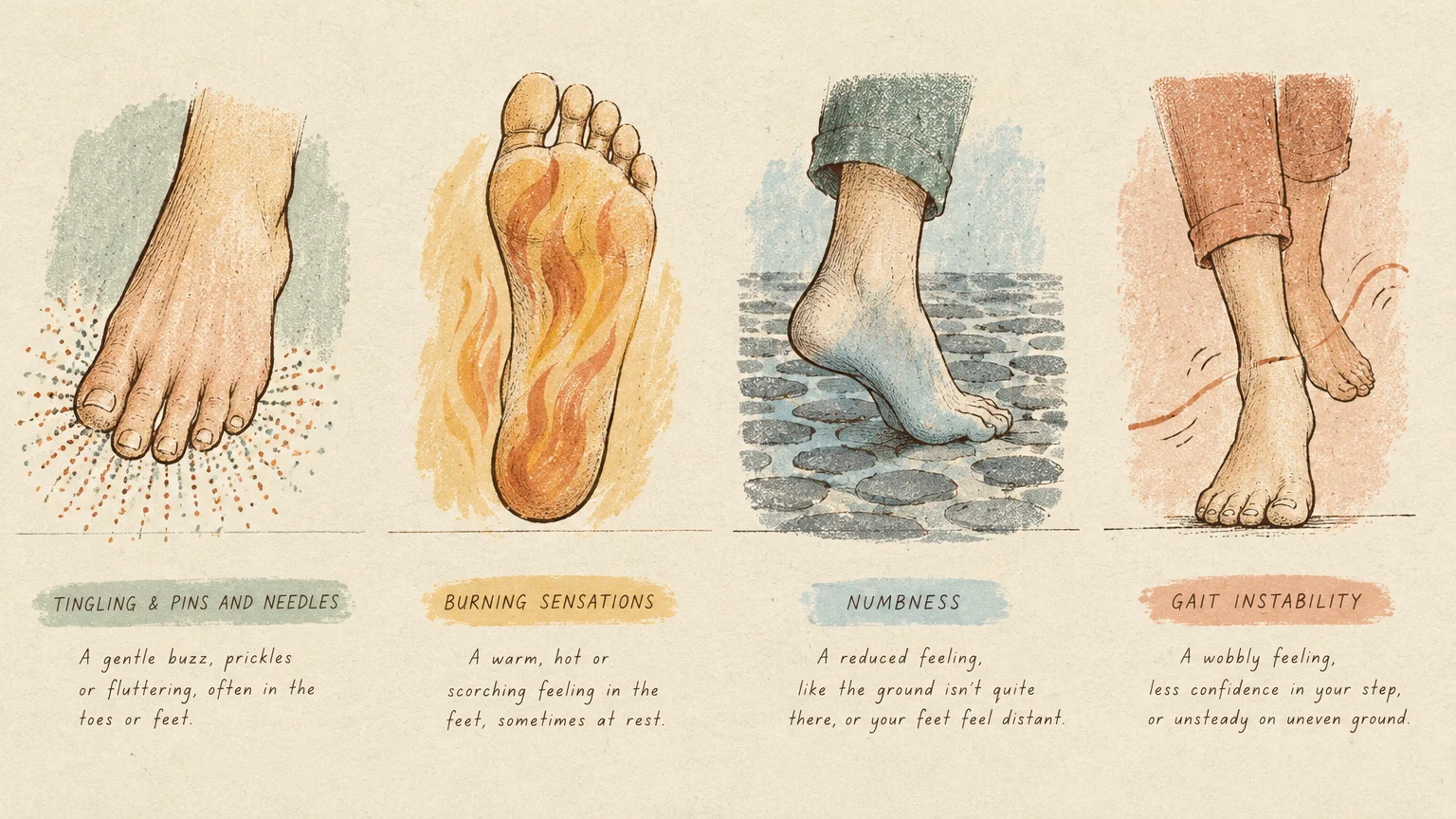
Numbness represents one of the most common and deceptive manifestations of diabetic foot neuropathy. It often begins subtly at the tips of your toes before spreading across the balls of your feet.
You might feel as though you are constantly walking on thick cardboard, layers of cotton, or folded paper. The ground beneath you may feel strangely muted or distant, altering your natural walking cadence.
This sensory loss diminishes your ability to detect temperature extremes. Stepping onto freezing tile floors or testing hot bathwater may no longer produce an accurate physical perception.
Without protective sensation, foreign objects inside your shoe—such as small stones or bunched fabric—go completely unnoticed. That persistent, unfelt pressure can break skin down within a few hours of normal walking.
Many people mistake a total absence of pain for healthy feet. In reality, feeling nothing when touching your skin signals advanced sensory loss that demands immediate medical evaluation.
2. Tingling, Prickling, or Pins and Needles
Paresthesia describes the abnormal tingling, buzzing, or prickling sensations that occur when sensory nerves malfunction. Many people compare this feeling to the static fizz of carbonated soda or mild electrical vibration inside their toes.
Unlike the temporary pins and needles you feel when a limb falls asleep, neuropathic tingling persists over weeks and months. It occurs because irritated, oxygen-deprived nerve fibers fire spontaneous signals back to your brain.
You might notice this sensation intensifying during periods of rest or physical stillness. When environmental sensory input decreases, your central nervous system perceives these erratic peripheral nerve signals much more vividly.
Tingling frequently begins symmetrically in both big toes before extending outward to neighboring digits. Over time, the sensation can migrate up toward your ankles and lower shins.
Tracking when and where these prickling sensations occur provides valuable diagnostic clues. Sharing these precise patterns helps your care team formulate a proactive nerve protection plan.
3. Burning Sensations, Especially at Night
A persistent burning sensation across the soles of your feet indicates distress within small unmyelinated sensory nerve fibers. Patients frequently describe this symptom as resting their bare feet against a hot heating pad or sunbaked asphalt.
This uncomfortable burning characteristically worsens at night, severely disrupting your sleep cycles. Lying awake with inflamed feet creates physical exhaustion that further impairs metabolic balance and daily mood.
Nighttime worsening happens due to several distinct physiological factors. Circadian drops in core body temperature and natural fluctuations in cortisol levels heighten your nervous system’s perception of pain.
Furthermore, the quiet nighttime environment eliminates the distracting sensory inputs that compete with pain signals during daylight hours. Without daytime activities to distract your mind, the burning sensation feels far more intense.
Resist the urge to soak burning feet in ice water to find temporary relief. Frigid water shocks damaged peripheral tissues, constricts microvascular vessels, and increases the danger of accidental cold injury.
4. Sharp, Stabbing, or Electric Shock Sensations
Lancinating neuropathic pain arrives as sudden, unpredictable jolts of stabbing discomfort. You might experience sharp spasms that feel like an electrical current darting through your arch or toes.
These sharp jolts occur without any external physical trigger. Damaged pain-transmitting nerve fibers generate erroneous electrical impulses, sending sudden alarms to your brain while you sit completely still.
The unpredictable nature of stabbing nerve pain can generate significant anxiety. Wondering when the next sharp jolt will strike makes walking or resting feel tense and challenging.
Unlike muscle cramps or joint aches, lancinating pain does not subside with massage or stretching. Applying intense pressure to the affected area often aggravates the irritated nerve pathways further.
Your healthcare provider can evaluate these symptoms to differentiate neuropathy from vascular claudication or mechanical tendonitis. Accurate identification ensures you receive therapies targeted directly at nerve stabilization.
5. Extreme Sensitivity to Light Touch
Allodynia is a neuropathic condition where gentle physical contact triggers disproportionate discomfort. Stimuli that should feel pleasant or neutral instead register as searing irritation or raw tenderness across your skin.
You might find that the light drape of a cotton bedsheet feels agonizing against your toes. Pulling on ordinary socks or wearing loosely laced shoes can produce an intolerable burning sensation.
This hypersensitivity develops when peripheral nerve injury alters how spinal cord neurons process incoming signals. Central and peripheral pathways become hypersensitized, lowering your pain threshold until minimal touch triggers an intense reaction.
Living with touch sensitivity often leads individuals to avoid wearing protective footwear entirely. Going barefoot, however, dramatically increases your vulnerability to traumatic cuts, puncture wounds, and severe infections.
Mention touch sensitivity to your clinician as soon as it emerges. Early management prevents these hypersensitized pain pathways from becoming deeply ingrained within your central nervous system.
6. Muscle Weakness and Balance Instability
Diabetic neuropathy does not solely affect sensory perception; it also damages motor nerve fibers. Motor nerves carry vital commands from your spinal cord to the small intrinsic muscles stabilizing your feet.
When these motor pathways degrade, intrinsic foot muscles gradually atrophy and lose contractile strength. This weakness causes your toes to curl inward and destabilizes your foot arches during normal movement.
At the same time, loss of proprioception degrades your spatial body awareness. Proprioceptors inside your joints and tendons normally inform your brain exactly where your feet rest in relation to the floor.
Without reliable sensory feedback, you may find yourself stumbling, scuffing your toes, or swaying while standing still. Navigating unlit hallways or walking across uneven outdoor terrain becomes particularly hazardous.
Targeted physical therapy can train secondary balance pathways and strengthen your lower legs. Maintaining physical stability preserves your confidence and prevents traumatic falls that compromise long-term independent living.
7. Changes in Foot Shape, Skin Texture, or Temperature
Autonomic neuropathy damages the involuntary nerves regulating sweat production, oil glands, and microvascular blood flow. This disruption leads to profound changes in the health and physical resilience of your foot tissue.
When sweat glands stop functioning properly, your skin loses its natural hydration and protective lipid barrier. The soles of your feet become excessively dry, thick, and prone to deep, painful fissures.
These cracked fissures allow environmental bacteria and fungi to penetrate deep below the epidermal barrier. Left untreated, an open heel fissure can quickly evolve into a complicated bacterial infection.
Over time, muscle imbalances and shifted weight bearing can reshape your foot architecture into hammertoes or claw toes. These structural deformities generate concentrated pressure points beneath metatarsal heads, accelerating callus formation.
In severe cases, acute structural collapse known as Charcot foot can occur. If your foot becomes suddenly red, hot, and swollen without an open wound, seek urgent medical attention immediately.
Clinical Perspectives: What Care Teams Observe
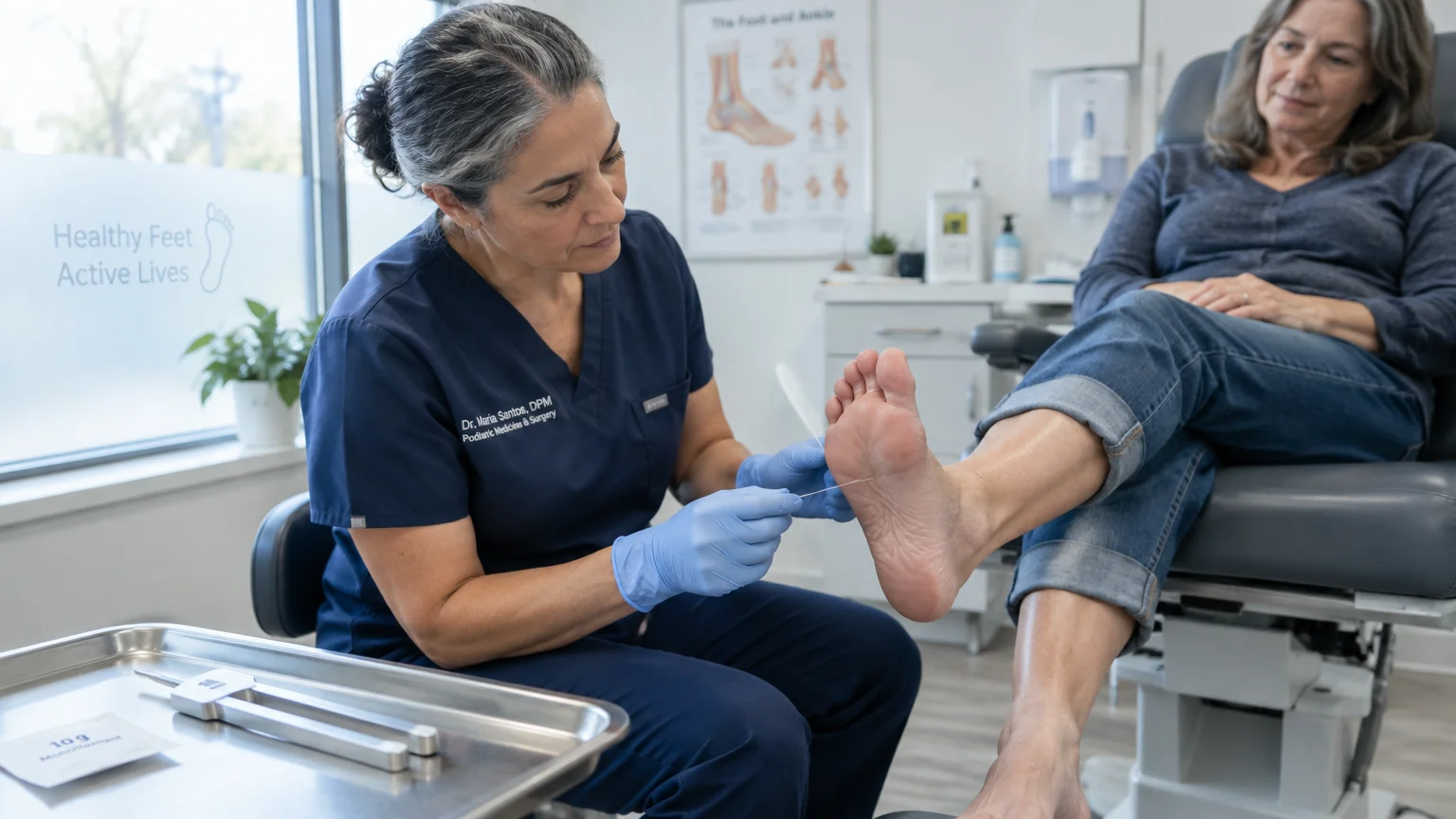
Endocrinologists and podiatrists frequently emphasize that sensory loss warrants far more concern than overt neuropathic pain. When patients stop reporting pain, clinicians investigate whether protective nerve signaling has ceased entirely.
Clinicians note that individuals often adapt unconsciously to declining foot sensation. You might adjust your gait or buy larger shoes without recognizing that underlying nerve deterioration is driving those behavioral modifications.
Healthcare teams advocate for a proactive, collaborative approach that unites primary care, podiatry, and diabetes education. Regular communication ensures minor abrasions, blisters, or structural shifts receive rapid therapeutic attention before tissue breakdown occurs.
Socioeconomic conditions and healthcare accessibility directly influence foot health outcomes. Access to specialized diabetic footwear, nutritious food, and podiatric specialists varies widely across different communities and work environments.
Healthcare professionals urge patients to view foot care as an act of personal empowerment rather than an inconvenience. Caring for your feet daily preserves your freedom to stay active and self-reliant.
Actionable Strategies to Protect Your Feet and Manage Neuropathy
Protecting your feet requires a comprehensive approach that pairs daily home care with professional medical oversight. Implement these four strategic pillars to defend your nerve health and maintain lifelong mobility.
Pillar 1: Daily Physical Inspections and Skin Defense
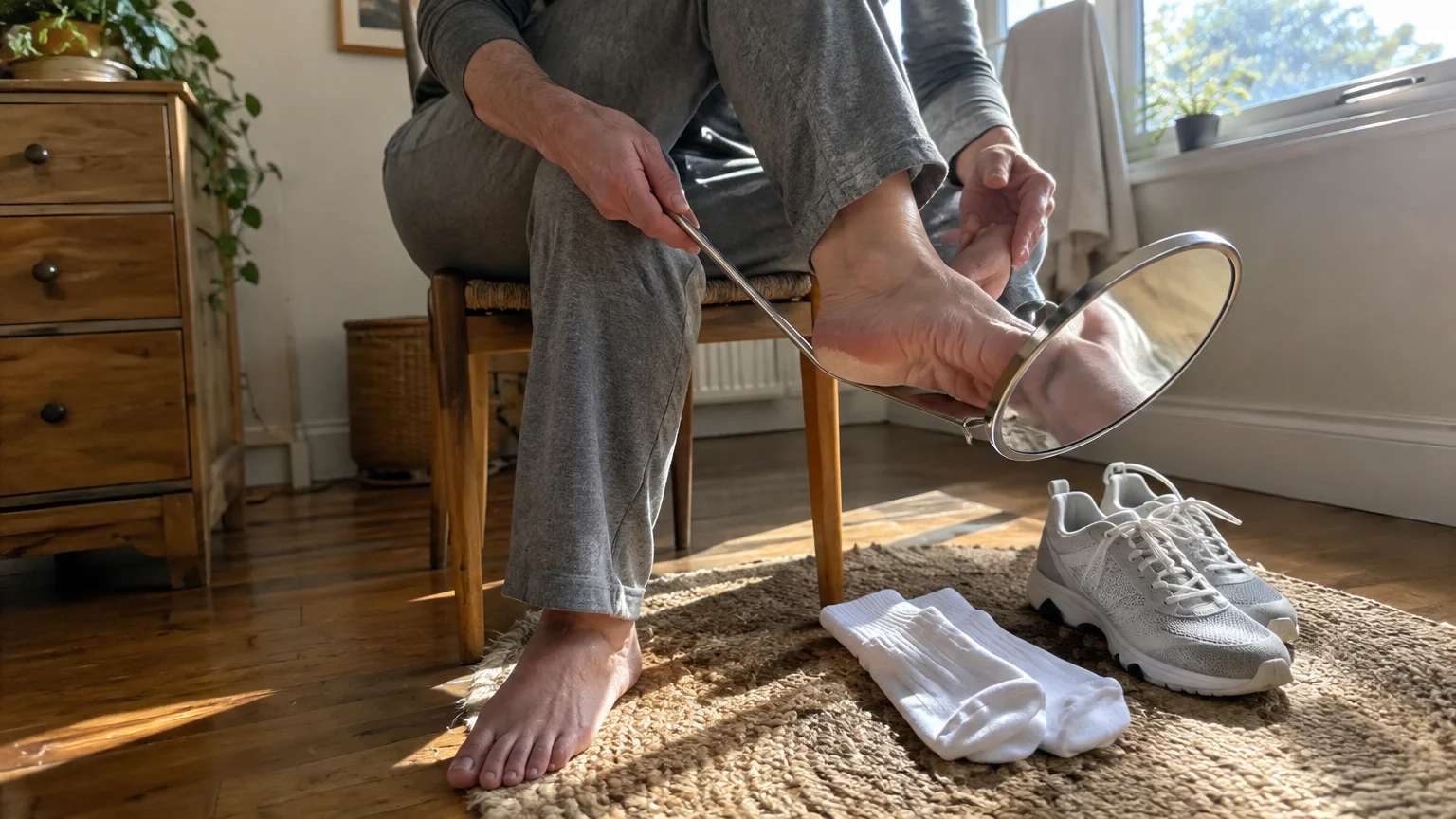
Establish an uncompromised 60-second inspection ritual every evening before going to bed. Remove your shoes and socks under bright lighting to inspect every surface of your feet thoroughly.
Check the tops, sides, heels, and spaces between your toes for redness, blisters, or peeling skin. Use a handheld unbreakable mirror or place a floor mirror against the wall to view your soles clearly.
Wash your feet daily using lukewarm water and a gentle, fragrance-free cleansing soap. Always test water temperature using your wrist, forearm, or a bath thermometer to prevent accidental scalding injuries.
Pat your feet gently dry with a soft towel, paying careful attention to the skin between your toes. Leaving moisture between toes creates an ideal environment for maceration and fungal infections.
Apply a rich, urea-based moisturizer to your heels and soles to prevent cracks and calluses. Never apply lotion between your toes, as excess moisture fosters bacterial proliferation and skin breakdown.
Inspect the inside of your shoes with your hand before slipping your feet inside each day. Feel for loose pebbles, torn linings, protruding nails, or folded insoles that could abrade desensitized skin.
Pillar 2: Blood Glucose Stability and Metabolic Nutrition
Stabilizing blood glucose levels represents the most effective intervention for halting the progression of diabetic neuropathy. The National Institute of Diabetes and Digestive and Kidney Diseases emphasizes that metabolic control directly shields peripheral nerves.
Aim to minimize dramatic glucose spikes and precipitous drops throughout your day. Consistent glycemic patterns reduce oxidative stress within microvascular vessels, supporting optimal cellular energy production across peripheral nerve trunks.
Focus your nutrition on nutrient-dense whole foods that combat systemic inflammation and support vascular tone. Emphasize colorful vegetables, leafy greens, legumes, fiber-rich seeds, and quality lean proteins in your daily meals.
Pay specific attention to micronutrients vital for nerve repair and neurotransmitter production. Ask your physician to check your serum Vitamin B12 levels, especially if you take metformin long-term, since metformin can deplete B12 reserves.
Collaborate with a registered dietitian nutritionist to create an individualized meal plan tailored to your lifestyle. Personalized nutritional guidance helps you achieve metabolic goals without feeling deprived or overwhelmed.
Pillar 3: Proprioceptive Movement and Low-Impact Exercise
Regular physical movement stimulates microvascular circulation, delivering fresh oxygen and nutrients to peripheral tissues. Choosing low-impact exercises protects desensitized feet from repetitive concussive trauma while maintaining cardiovascular fitness.
Engage in non-weight-bearing activities like swimming, stationary cycling, seated rowing, or water aerobics. These movements elevate your heart rate and enhance insulin sensitivity without placing mechanical friction on vulnerable soles.
Incorporate daily balance and proprioceptive drills while holding onto a stable countertop for safety. Simple exercises like gentle calf raises, seated toe taps, and single-leg stands retrain neural balance pathways.
Never walk barefoot, even inside your own home on plush carpeting. Stepping on a dropped sewing pin, pet toy, or sharp crumb can cause serious tissue damage before you realize an injury occurred.
Wear supportive, well-cushioned indoor shoes or hard-soled slippers that protect your toes from unintended stubs. Ensure your everyday outdoor shoes feature wide toe boxes, breathable uppers, and seamless interior linings.
Pillar 4: Professional Care and Clinical Screenings
Routine clinical foot exams are vital for detecting early sensory deficits before ulcers develop. The American Diabetes Association publishes evidence-based standards guiding comprehensive diabetic foot evaluations.
According to the ADA Standards of Care in Diabetes—2026, people with Type 2 diabetes should be screened for peripheral neuropathy at the time of their initial diagnosis.
For individuals diagnosed with Type 1 diabetes, clinical guidelines recommend initiating peripheral neuropathy screening 5 years after diagnosis. Following these initial evaluations, all individuals with diabetes should receive a comprehensive foot exam at least annually.
Patients with established sensory loss, structural foot abnormalities, or a history of prior ulcers should have their feet visually inspected at every healthcare visit, or every 3 to 6 months.
Establish an ongoing relationship with a podiatrist certified by the American Podiatric Medical Association. Specialized podiatric care provides safe toenail trimming, professional callus reduction, and custom orthotic fitting.
Seek emergency medical care immediately if you notice localized swelling, redness, warmth, or active drainage. Prompt clinical intervention for acute skin breaks prevents systemic infections and safeguards your limb.
Frequently Asked Questions About Diabetic Foot Neuropathy
Navigating nerve health raises many practical questions about daily routines, symptoms, and medical interventions. Here are evidence-based answers to four common questions patients ask their healthcare teams.
Can diabetic foot neuropathy be reversed once symptoms appear?
While severe structural nerve damage cannot always be completely reversed, you can halt its progression and significantly relieve symptoms. Stable blood glucose management allows irritated, functioning nerve fibers to regenerate slowly.
Clinical studies show that early metabolic optimization improves nerve conduction velocities and restores partial sensory perception. Combining glucose control with cardiovascular exercise and balanced nutrition provides your nerves with the best environment for healing.
Because individual nerve recovery depends on the duration and extent of damage, consult your physician early. A personalized medical plan provides the tools needed to protect existing neural pathways from further decline.
How should I trim my toenails if I have reduced foot sensation?
Trimming toenails requires extreme caution when you live with diminished sensation in your toes. An accidental clip of surrounding skin or an ingrown nail edge can trigger an infection without producing immediate pain.
Always cut toenails straight across rather than rounding down into the corners of your nail beds. Use an emery board to smooth sharp edges gently, filing in one direction to prevent nail splitting.
If your toenails are thick, fungal, or difficult to reach, do not attempt to trim them at home. Schedule regular routine appointments with a podiatrist who possesses specialized equipment to trim nails safely.
Why do neuropathic foot symptoms feel worse in the evening?
Neuropathic burning, tingling, and pain characteristically escalate at night due to natural circadian shifts. In the evening, core body temperature falls, altering nerve conduction and amplifying the perception of pain signals.
Furthermore, daytime distractions vanish when you lie down in a quiet, dark bedroom. Without auditory, visual, and physical stimuli competing for your brain’s attention, your central nervous system focuses heavily on errant sensory signals.
If nighttime pain persistently disrupts your sleep, discuss this issue directly with your medical provider. Clinicians can adjust medication timing to deliver maximum therapeutic relief during your vulnerable evening hours.
What should I do immediately if I discover a cut or blister?
If you discover a break in your skin, wash the area immediately using mild soap and lukewarm water. Avoid harsh chemicals like rubbing alcohol, hydrogen peroxide, or iodine, which damage healthy healing cells.
Pat the area completely dry with a sterile gauze pad and apply a clean, non-stick dressing. Avoid using strong adhesive tapes directly on fragile skin, as removing them can cause additional tearing.
Keep weight off the affected foot as much as possible and inspect the wound daily for worsening redness, swelling, or drainage. Contact your podiatrist or primary care provider within 24 hours for professional medical evaluation.
Your Next Step Toward Lasting Foot Health
Living well with diabetes involves building reliable daily self-care rituals that honor and protect your physical body. Taking charge of your foot health preserves your mobility, independence, and long-term vitality.
Begin with one simple, manageable action today: establish a dedicated 60-second inspection habit before bed tonight. Setting a mirror near your slippers creates an effortless visual cue that reinforces your commitment to self-care.
Take a moment to reflect on your current physical awareness. Have you noticed subtle changes in how your feet feel, move, or perceive temperature over recent months?
Document any faint tingling, unusual numbness, or skin changes in a personal wellness notebook. Sharing these observations during your next clinical appointment equips your doctor with invaluable diagnostic context.
Approach your foot care journey with patience, consistency, and proactive partnership with your healthcare team. Every positive choice you make today defends your nerve health and supports a vibrant, active future.









Leave a Reply