
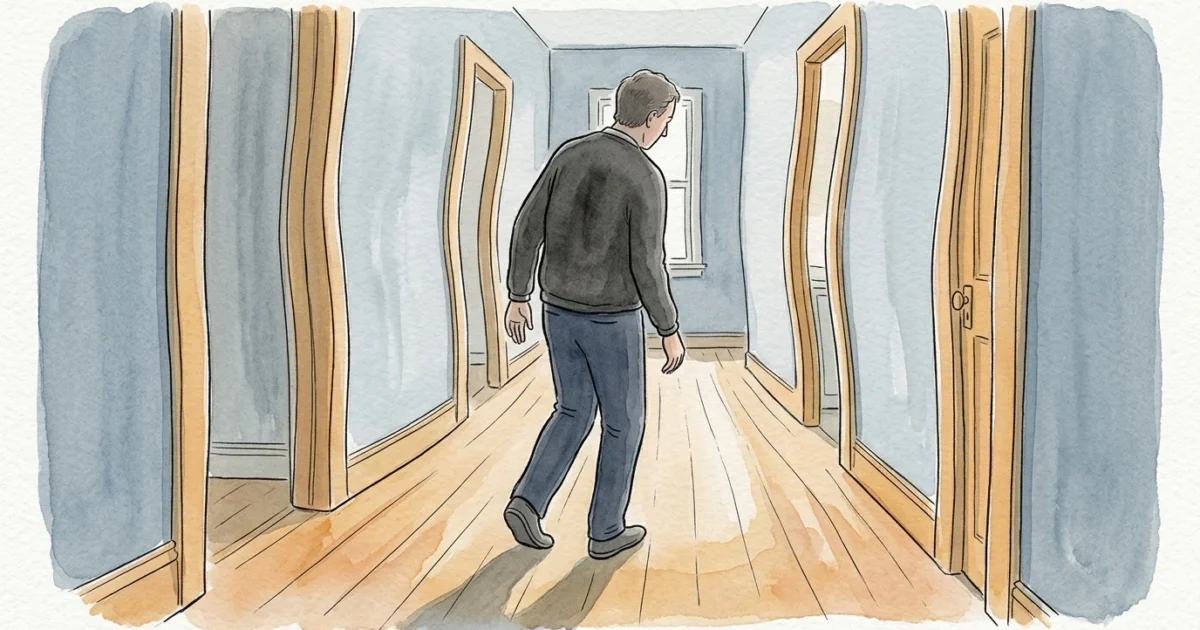
Feeling an unexpected sway while walking down the hallway or experiencing a sudden wave of lightheadedness when standing up can disrupt your daily confidence and signals critical changes within your body balance systems. While occasional unsteadiness might stem from simple dehydration or fatigue, recurring balance problems in seniors and middle-aged adults often indicate deeper physiological issues ranging from inner ear dysfunction to neurological conditions. Identifying dizziness warning signs early allows you to take proactive steps, protect your physical independence, and prevent severe injuries. Addressing these symptoms promptly ensures you maintain mobility, build physical resilience, and safeguard your overall quality of life.
Understanding Your Body Balance and Stability System
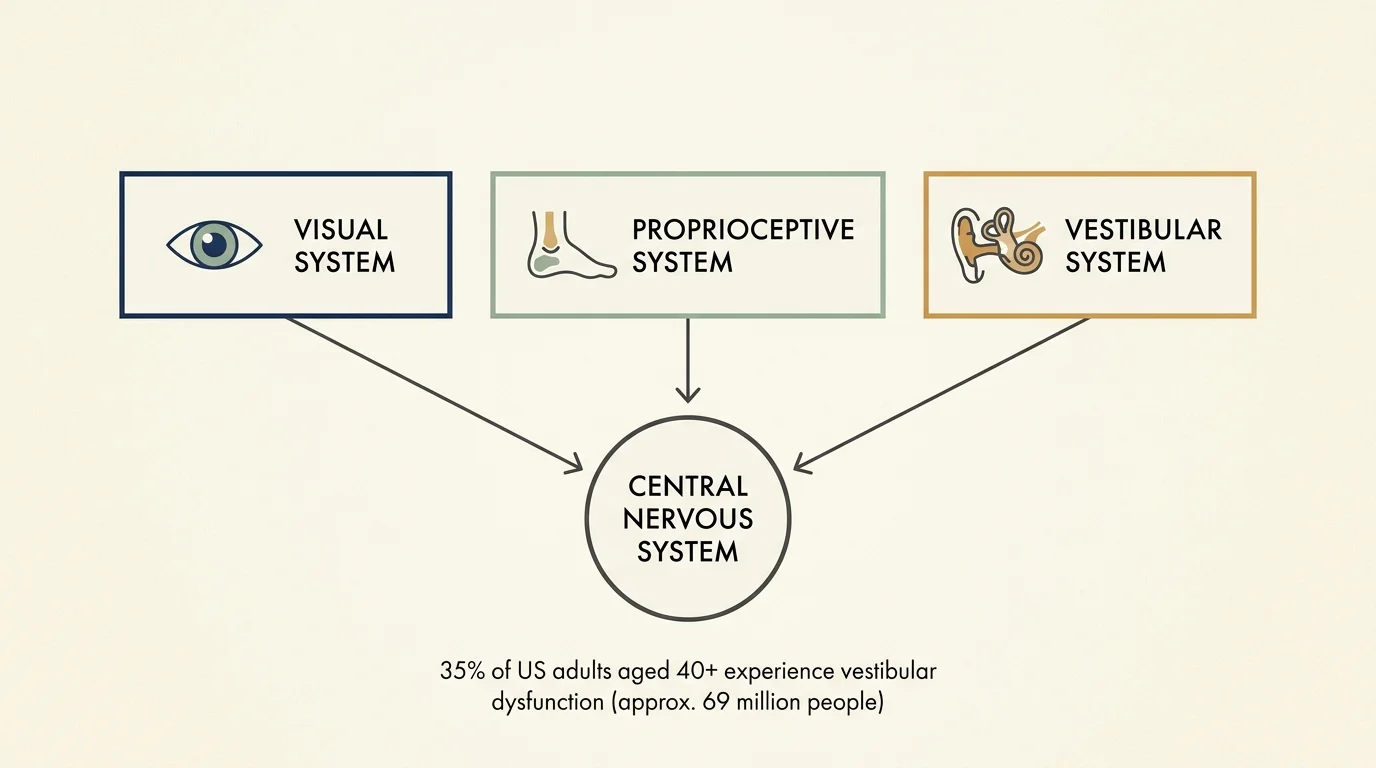
Your ability to stand upright, walk smoothly, and navigate complex spaces depends on a continuous, real-time conversation between three main sensory systems and your central nervous system. Your visual system provides constant feedback about spatial orientation; your proprioceptive system uses sensory nerves in your muscles, tendons, and joints to signal limb placement; and your vestibular system inside your inner ear detects gravity and motion. When all three systems function in harmony, your brain processes these signals effortlessly, allowing you to walk across uneven terrain without losing your footing.
When an injury, chronic illness, or age-related change impairs even one system, your brain receives conflicting information, creating instability or floating sensations. Research from the National Institute on Deafness and Other Communication Disorders indicates that roughly 35 percent of adults in the United States aged 40 and older—representing approximately 69 million people—experience vestibular dysfunction. Recognizing balance as an active, multi-system biological process helps you understand why subtle shifts in stability require prompt attention.
Dizziness Warning Signs and When to Seek Immediate Help
Dizziness presents in distinct ways, and recognizing your specific symptoms helps healthcare professionals identify the underlying cause. You might experience vertigo—a false perception that you or your surroundings are spinning—or lightheadedness, which feels like a faint, floating sensation tied to blood pressure shifts. Other individuals report systemic unsteadiness or oscillopsia, where visual surroundings jump whenever they move their heads. Distinguishing among these physical sensations provides crucial diagnostic clues during medical evaluations.
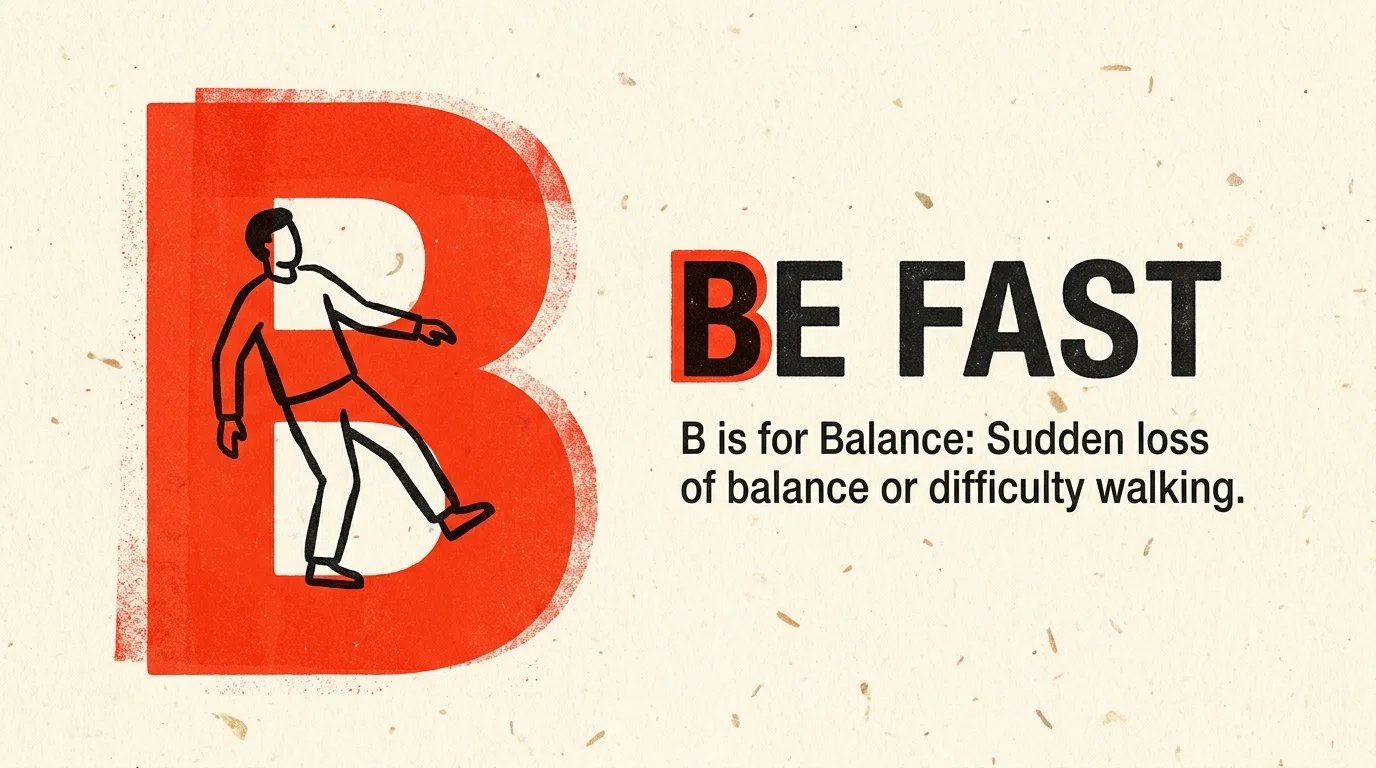
While many balance issues develop gradually, certain dizziness warning signs demand emergency medical intervention. The American Stroke Association incorporates balance directly into its stroke identification protocol known as BE FAST, where the letter “B” emphasizes that sudden loss of balance or difficulty walking can signal a stroke or posterior fossa brain lesion. If sudden unsteadiness occurs alongside double vision, facial drooping, arm weakness, slurred speech, confusion, or a sudden severe headache, call emergency services immediately.
Even without acute red flag symptoms, persistent balance problems warrant a comprehensive clinical evaluation. If you experience recurring lightheadedness upon standing, frequent near-miss falls, or unexplained imbalance in familiar spaces, consult your primary care physician. Documenting when these episodes occur equips your healthcare team with vital diagnostic information.
Unsteady Walking Causes and Underlying Medical Triggers
Investigating unsteady walking causes involves evaluating several interconnected physiological pathways. Inner ear disorders represent a primary source of vestibular issues symptoms. Benign Paroxysmal Positional Vertigo (BPPV) occurs when microscopic calcium crystals detach inside the inner ear fluid sacs and drift into the semicircular canals, causing brief, intense spinning whenever you turn your head. Other conditions, such as Meniere’s disease or vestibular neuritis, cause severe vertigo, ringing in the ears, and fluctuating hearing loss.
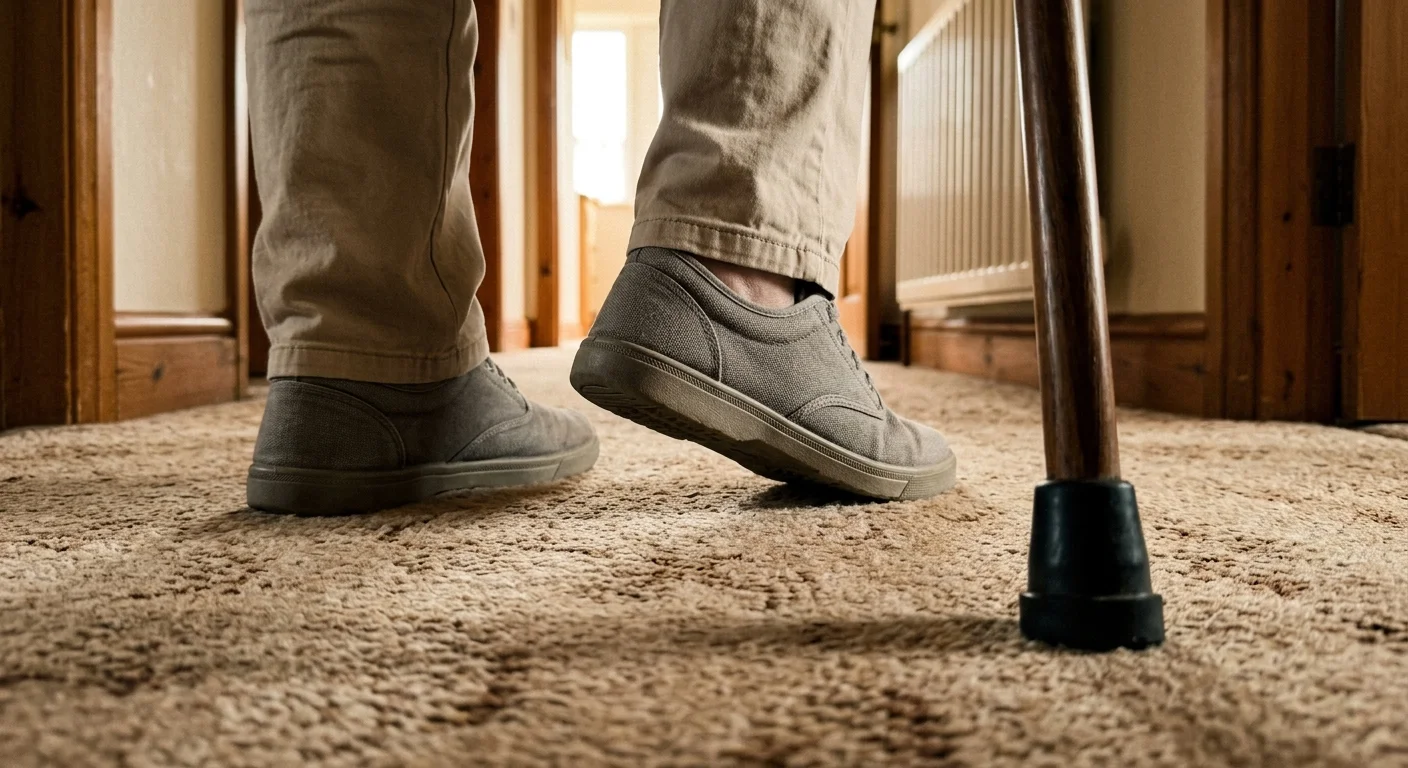
Beyond inner ear mechanics, neurological and peripheral nerve conditions strongly influence gait stability. Peripheral neuropathy—frequently triggered by diabetes or vitamin B12 deficiencies—damages sensory nerve endings in your feet. This damage reduces ground feedback, leaving your brain without accurate sensory data regarding step placement and surface texture. Consequently, you may find yourself staring at the floor while walking or feeling unsteady on soft carpets.
Cardiovascular issues and medication side effects also cause sudden instability. Orthostatic hypotension—a sharp drop in blood pressure upon standing—briefly deprives the brain of oxygenated blood. Furthermore, medications like sedatives, antihypertensives, and muscle relaxants can slow neurological reaction times; taking multiple prescriptions simultaneously compounds these fall risks.
Comprehensive Strategies to Support Stability and Reduce Fall Risk
Addressing balance problems requires a structured approach combining physical therapy, nutrition, environmental safeguards, and medical oversight. Public health data underscores the necessity of these interventions. The Centers for Disease Control and Prevention reports that more than 14 million older adults—about 1 in 4 Americans aged 65 and older—report falling each year. These falls cause roughly 3 million emergency department visits, 1 million hospitalizations, and over 38,000 deaths annually, generating approximately $50 billion in medical costs. Implementing evidence-based fall risk warning signs strategies protects your independence.
Targeted Movement and Vestibular Rehabilitation
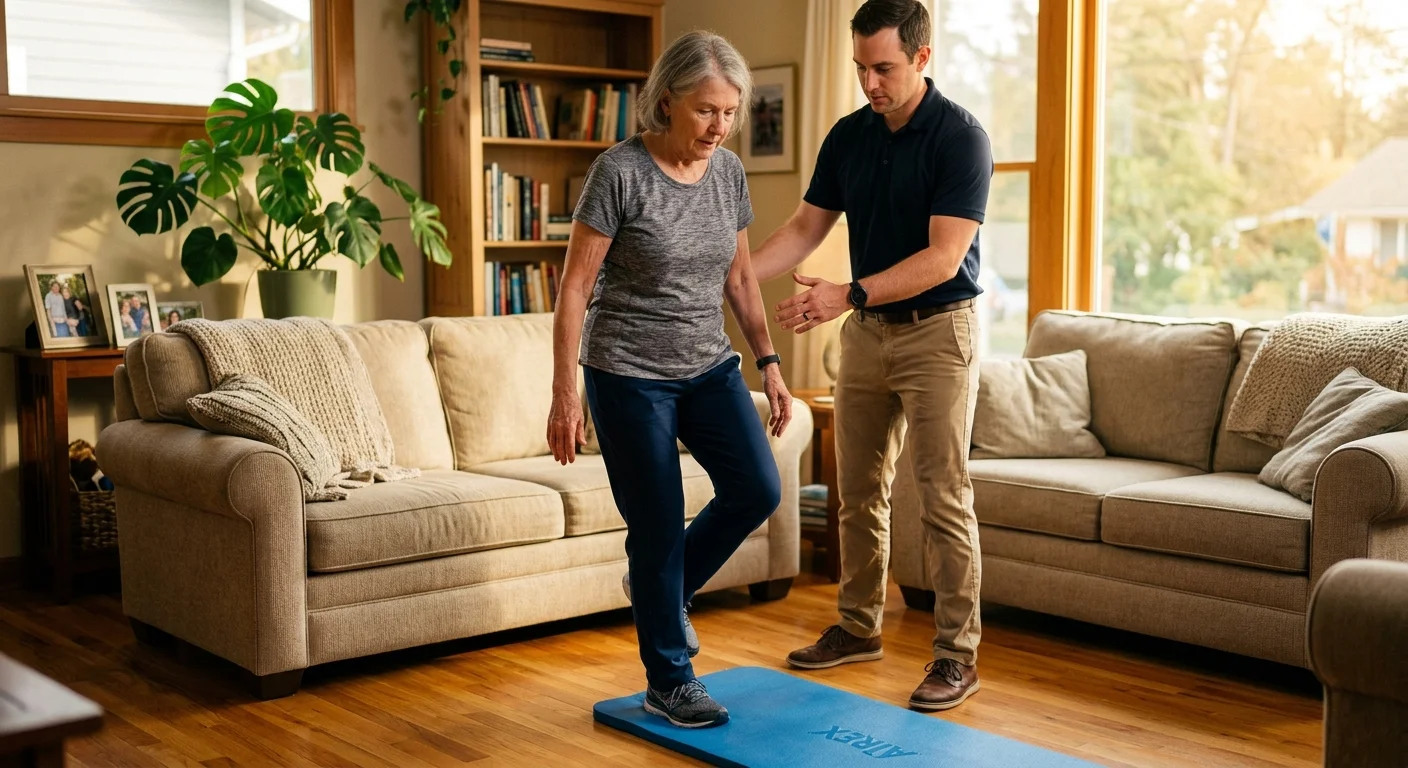
Structured movement strengthens the neuromuscular pathways governing stability. Working with a physical therapist trained in vestibular rehabilitation helps retrain your brain through specialized gaze-stabilization exercises. Mind-body practices like Tai Chi offer exceptional benefits; studies show that Tai Chi’s deliberate weight shifts enhance proprioception, strengthen core muscles, and significantly reduce fall risks. Simple home exercises like single-leg stands near a kitchen counter further reinforce coordination.
Strategic Nutrition and Hydration for Neurological Health
Proper nerve transmission and vascular function require targeted nutrition. Drinking adequate water maintains blood volume, preventing sudden orthostatic blood pressure drops. Ensure your daily intake includes sufficient vitamin B12 to protect nerve myelin sheaths, alongside vitamin D and calcium to maintain bone strength. Balanced meals with complex carbohydrates keep blood sugar steady, avoiding dizziness caused by hypoglycemia.
Environmental Safety and Mindful Spatial Awareness
Eliminating home hazards prevents accidental slips before they happen. Secure loose carpets, clear hallway clutter, install nightlights, and place non-slip rubber mats inside bath enclosures. Installing grab bars near toilets and showers offers physical support during transitions. Practicing mindful movement—such as pausing for five seconds after standing before walking—allows your circulatory system to adjust smoothly.
Proactive Medical Evaluation and Medication Audits
Regular medical reviews ensure early identification of compounding stability risks. Schedule annual prescription reviews with your physician to evaluate drug interactions. Regular vision and hearing checkups are equally essential; guidelines from the National Institute on Aging emphasize that correcting visual and hearing deficits preserves critical sensory inputs needed for spatial orientation.
Real Voices: Insights from Clinical Practice and Patient Recovery
Clinical experts stress that balance issues should never be accepted as an inevitable consequence of aging. Dr. Elena Rostova, a clinical physical therapist specializing in vestibular disorders, explains that the human brain possesses remarkable neuroplasticity. Through targeted physical therapy and sensory retraining exercises, most patients retrain their nervous system to compensate for inner ear deficits within weeks of consistent effort.
Patients who seek early care often experience profound recoveries. After struggling with unexpected spinning episodes from BPPV, 68-year-old Marcus received canalith repositioning treatment from a physical therapist. Within one session, his vertigo resolved completely, allowing him to return to his daily walking routine without fear of falling.
Frequently Asked Questions About Balance Problems
What is the main difference between dizziness and vertigo?
Dizziness is an overall term for feeling ungrounded, lightheaded, or faint. Vertigo is a specific form of dizziness involving a false perception of rotational spinning or tilting movement, usually caused by inner ear or vestibular nerve dysfunction. Clear description of your symptoms helps your physician determine the correct diagnostic path.
How can I tell if balance problems stem from my inner ear or my feet?
Inner ear issues typically cause spinning sensations, head-movement dizziness, or nausea. Peripheral nerve issues in the feet cause numbness, tingling, or diminished feeling, making unsteadiness worse in dim light or when eyes are closed. A clinical examination easily isolates the exact cause.
Can anxiety or stress cause real balance problems?
Yes, elevated stress and anxiety affect breathing patterns and increase muscle tension, leading to lightheadedness and altered spatial perception. Conditions like Persistent Postural-Perceptual Dizziness reflect how anxiety interacts with vestibular pathways, requiring holistic medical and stress-management approaches.
Are home balance exercises safe without clinical supervision?
Low-intensity exercises like standing on one leg near a sturdy counter are safe for most individuals. However, if you experience sudden spinning, blackouts, or frequent falls, consult a physical therapist or physician before starting an unmonitored home program.
Taking Your First Step Toward Better Balance
Protecting your mobility begins with small, proactive choices today. Clear a walking path in your living room, practice a safe balance drill by your kitchen counter, or call your doctor to schedule a medication review. Taking action early empowers you to maintain physical freedom and prevent fall injuries. What single habit will you start today to support your balance and long-term confidence?






Leave a Reply