
You expect seasonal influenza to run its course within a week, yet dangerous lung infections often disguise themselves as prolonged recovery. Recognizing when standard viral misery morphs into pneumonia can protect your lungs and save your life.
While mild fatigue lingers naturally, acute pulmonary complications require immediate intervention rather than stoic patience at home. Subtle shifts in your breathing, temperature patterns, and energy levels reveal whether your body is clearing the illness or losing ground.
Listening closely to these physiological alerts allows you to seek professional medical evaluation before severe respiratory distress sets in.
Understanding Secondary Respiratory Complications
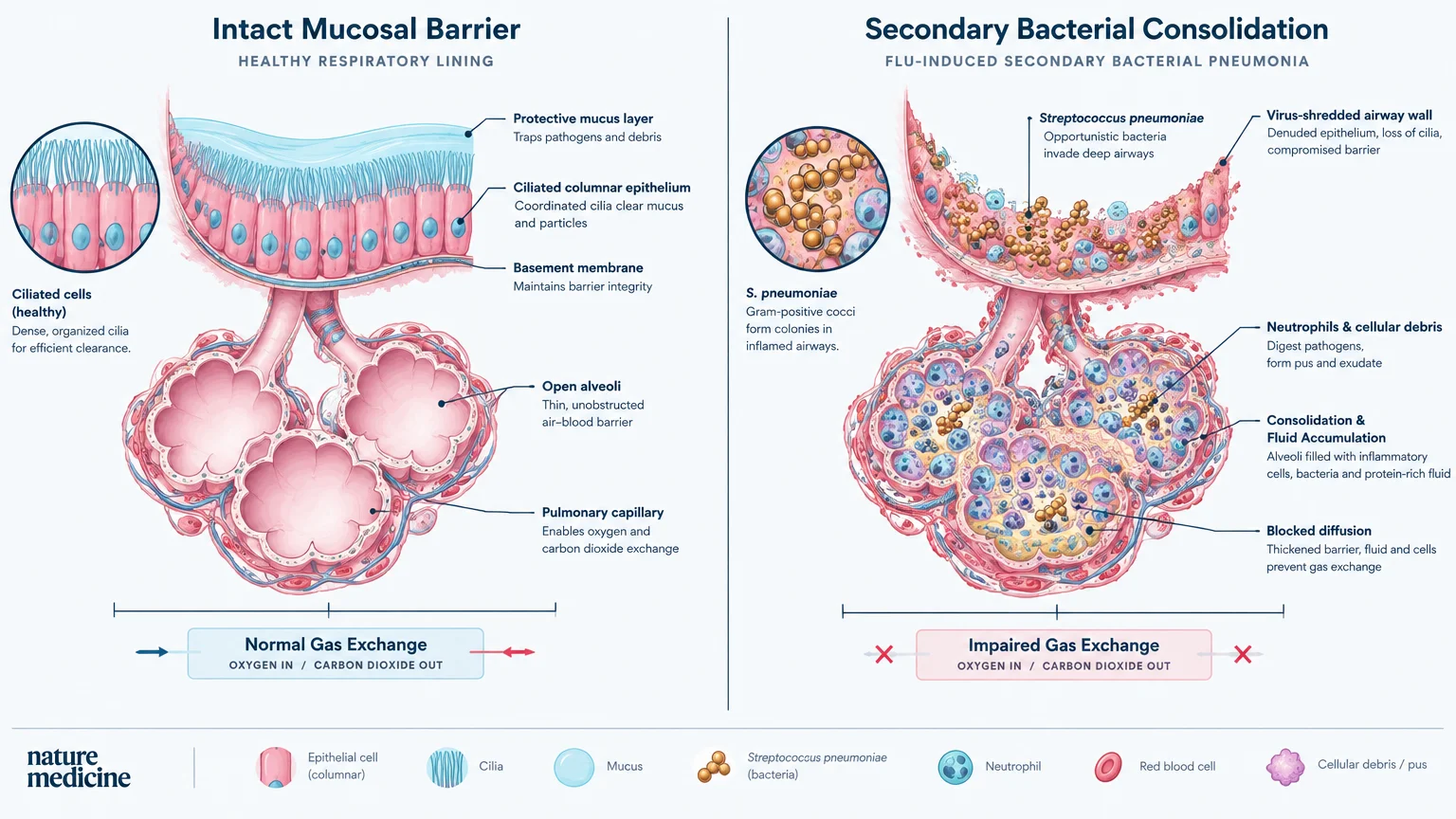
Influenza begins by targeting and destroying the ciliated epithelial cells that line your respiratory tract. This protective barrier normally sweeps inhaled dust, debris, and microbes away from your lower airways.
When viral replication shreds this protective mucosal lining, it leaves your airways denuded and vulnerable. Microscopic pathogens can then travel deep into the bronchial branching without facing your body’s typical physical defenses.
Clinicians categorize resulting lower airway damage into primary viral pneumonia and secondary bacterial infection. While both forms inflame deep lung tissue, their underlying biological mechanisms differ significantly.
In primary viral pneumonia, the influenza virus itself invades and inflames the delicate lung parenchyma. This widespread viral assault produces rapid swelling and extensive fluid accumulation throughout both lungs.
Secondary bacterial pneumonia occurs when common bacteria exploit your weakened, virus-damaged tissues. Strains such as Streptococcus pneumoniae seize this opportunity to colonize your lower respiratory tract.
As bacteria multiply, your immune system deploys swarms of neutrophils and inflammatory cytokines to fight the invasion. This intense counterattack fills your microscopic air sacs, known as alveoli, with cellular debris, pus, and fluid.
Medical professionals refer to this fluid accumulation as pulmonary consolidation. Consolidation severely impairs the delicate membrane where oxygen enters your blood and carbon dioxide exits.
The National Heart, Lung, and Blood Institute emphasizes that impaired gas exchange quickly places profound metabolic strain on your vital organs. Recognizing this transition early prevents localized lung inflammation from progressing into systemic crisis.

7 Warning Signs Your Flu Is Turning Into Pneumonia
1. The Biphasic Fever Pattern
An uncomplicated case of influenza usually features a high fever that peaks early and resolves within three to four days. If your temperature normalizes for a day or two only to spike dramatically again, pay close attention.
Physicians refer to this rebound as a biphasic or double-humped fever curve. This pattern serves as a classic clinical hallmark of secondary bacterial pneumonia.
The initial drop in temperature indicates that your immune system successfully suppressed the acute viral phase. The subsequent spike reveals that opportunistic bacteria have established a secondary foothold in your damaged respiratory lining.
This secondary fever often arrives alongside violent, uncontrollable shaking chills known clinically as rigors. You may find yourself shivering under heavy blankets even as your body temperature climbs rapidly.
Drenching night sweats frequently accompany these sharp temperature fluctuations as your body struggles to regulate its thermal set point. Standard over-the-counter fever reducers may provide only brief, incomplete relief during these spikes.
Never assume a returning fever is simply a stubborn extension of your initial viral infection. A fever that reappears after day four or five demands urgent professional evaluation.
2. Escalating Shortness of Breath and Rapid Respiration
Influenza commonly causes upper airway congestion, body aches, and general exhaustion that makes movement feel heavy. However, standard flu should never cause acute breathlessness while you sit quietly in a chair.
Pneumonia directly interferes with your lungs’ ability to transfer oxygen into circulating red blood cells. As fluid accumulates within your alveoli, you must breathe much faster to meet baseline cellular oxygen needs.
Clinicians define this abnormally fast breathing rate as tachypnea. An adult resting respiratory rate exceeding twenty breaths per minute indicates that your respiratory system is working under considerable stress.
Pay careful attention to whether you can speak complete sentences without stopping to inhale. Needing to pause mid-sentence for air indicates clinically significant respiratory compromise.
You might also feel an unsettling sensation of air hunger, as if you cannot draw a truly satisfying breath. This sensation often intensifies when you lie flat on your back in bed.
Look closely in the mirror for retractions, where your neck muscles or skin between your ribs visibly pull inward during inhalation. Visible retractions represent an unmistakable physical sign of severe respiratory distress requiring emergency care.
3. Sharp, Stabbing Pleuritic Chest Pain
Persistent coughing during the flu often leaves your intercostal chest muscles feeling bruised and tender. In contrast, pneumonia chest pain feels distinctly sharp, localized, and stabbing rather than diffusely sore.
This severe discomfort originates in your pleura, the thin, double-layered membrane encasing your lungs and lining your chest cavity. When lung inflammation extends outward to these membranes, doctors call the condition pleurisy.
Every time you inhale deeply, your expanding lungs force these inflamed pleural surfaces to rub against each other. The resulting friction causes an acute, lancinating pain that often causes you to gasp.
This pain typically worsens during deep breaths, coughing spasms, laughter, or sudden torso twists. You may instinctively find yourself taking tiny, shallow breaths to prevent that painful pleural rub.
Physicians refer to this protective behavior as respiratory splinting. While splinting temporarily reduces discomfort, it prevents proper lung expansion and encourages further secretion pooling in your lung bases.
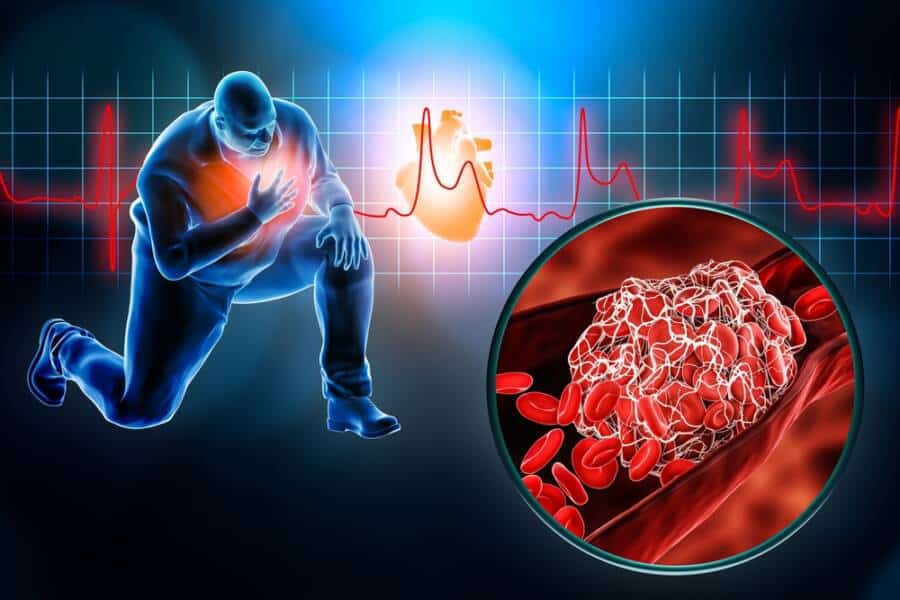
Any severe, sharp chest discomfort warrants immediate clinical assessment to differentiate lung inflammation from acute cardiovascular events. Never attempt to wait out localized, sharp thoracic pain at home.
4. A Marked Shift in Cough Dynamics and Sputum
Influenza typically produces a dry, hacking cough caused by viral irritation of your upper trachea and larynx. As the infection penetrates deeper into your pulmonary tissue, the character of your cough changes noticeably.
A pneumonia cough tends to sound deep, wet, and congested, resonating from deep inside your thoracic cavity. You will likely feel persistent rattling vibrations across your chest wall whenever you attempt to clear your throat.
Pay careful attention to the color, volume, and consistency of the mucus you expel. Normal mucosal responses produce thin, clear, or slightly cloudy secretions.
Secondary bacterial pneumonia often generates thick, tenacious sputum that appears opaque green, dark yellow, or brownish-grey. This discoloration results from millions of dead white blood cells and cellular debris accumulating in your airways.
Rust-colored sputum serves as a classic clinical indicator of pneumococcal lung infection. This reddish-brown tint occurs when tiny amounts of red blood cells leak from inflamed alveolar capillaries into your airway secretions.
Coughing up frank, bright red blood or thick bloody clots represents a critical medical warning sign. Contact a medical provider immediately if your mucus displays visible blood or sudden purulent changes.
5. Sustained Resting Tachycardia and Cardiovascular Strain
Your heart and lungs operate as an integrated cardiopulmonary unit to sustain cellular metabolism. When pneumonia impairs oxygen diffusion across alveolar membranes, your heart must pump faster to compensate.
A sustained resting pulse above one hundred beats per minute is known clinically as resting tachycardia. If your pulse stays elevated while resting quietly, your cardiovascular system is working overtime to deliver oxygen.
It is true that an elevated body temperature naturally increases your resting heart rate. However, your pulse should noticeably decline once you bring down your fever with hydration and rest.
When your heart rate remains stubbornly rapid despite a normalized temperature, underlying pulmonary distress is the likely culprit. You might perceive this strain as a thumping sensation in your throat or chest.
You can easily check your pulse using a digital pulse oximeter, a smartwatch, or by gently palpating your radial artery. Documenting these heart rate measurements provides critical objective evidence for your healthcare team.
Persistent cardiovascular strain during a respiratory infection requires professional clinical assessment. Never dismiss rapid resting heart rates as a harmless symptom of seasonal fatigue.
6. Profound Systemic Exhaustion, Dizziness, and Cyanosis
Influenza invariably causes profound muscular aches and severe lethargy that confines you to bed. Pneumonia, however, induces a deeper, more alarming systemic depletion driven by arterial oxygen deprivation.
When your lungs cannot properly oxygenate your bloodstream, your core organs and central nervous system suffer. You may experience debilitating mental fog, profound apathy, or sudden difficulty staying awake during normal conversations.
Severe lightheadedness or postural dizziness when rising from bed often signals declining blood pressure and systemic dehydration. Sepsis, a dangerous complication of severe pneumonia, frequently begins with this subtle vascular instability.
Cyanosis represents the most urgent visible warning sign of dangerously low blood oxygen levels. Look closely at your fingertips, nail beds, lips, and oral mucosa for any bluish, dusky, or ashen discoloration.
In darker skin tones, cyanosis may present as a grayish, dull, or whitish pallor around the mouth, palms, and conjunctiva. Any visible change in peripheral coloration indicates that your tissues are starving for oxygen.
If you detect cyanosis, acute confusion, or extreme lethargy, treat the situation as an immediate emergency. Call 911 or visit the nearest emergency department without hesitation.
7. Atypical Manifestations and Hypothermia in Seniors
Pneumonia in seniors frequently presents without any of the classic respiratory symptoms observed in younger adults. Aging immune systems often fail to mount a robust inflammatory response, masking the underlying severity of the infection.
Rather than developing a high fever, older individuals may experience a paradoxical drop in body temperature. A core temperature dropping below ninety-five degrees Fahrenheit represents hypothermia and serves as a critical red flag.
In older adults, hypothermia during an infection often signals advancing sepsis and blunted thermoregulatory control. Caregivers must never assume that the absence of a fever indicates the absence of serious disease.
Acute neurological changes often serve as the earliest visible indicator of pneumonia in seniors. Look for sudden confusion, disorientation, uncharacteristic agitation, or new memory lapses that emerge over a few hours.
Clinicians categorize this sudden cognitive decline as acute encephalopathy or delirium. It occurs because the aging brain is acutely sensitive to minor reductions in blood oxygen and systemic inflammation.
Other subtle presentations include unexplained balance loss, sudden falls, new urinary incontinence, or a total refusal to eat or drink. If an older loved one suddenly deteriorates functionally after the flu, evaluate them for pneumonia immediately.
Why Pneumonia Demands Urgent Medical Attention
Many people mistakenly treat pneumonia as nothing more than a bad chest cold that requires patience and bed rest. In reality, pneumonia represents a serious, potentially fatal lower respiratory infection that demands prompt diagnostic clarity.
Public health surveillance demonstrates the immense burden this condition places on emergency departments nationwide. According to the Centers for Disease Control and Prevention FastStats, infectious pneumonia accounts for 1.2 million emergency department visits annually in the United States.
Even more sobering is the annual mortality toll associated with acute lower respiratory infections. CDC records confirm that pneumonia accounts for 41,627 deaths each year across the nation.
The severity of seasonal respiratory viruses directly influences your individual risk of developing secondary lung complications. The CDC classified the 2024–2025 flu season as a high-severity season across all age groups.
Seasonal tracking during the 2025–2026 respiratory virus season showed a combined hospitalization peak during the week ending January 3, 2026. This surge united high hospitalization volumes for influenza, COVID-19, and respiratory syncytial virus simultaneously.
Laboratory analyses revealed that influenza A(H3N2) subclade K drove this substantial wave of severe respiratory hospitalizations. Strains within this family frequently cause more intense epithelial damage, paving the way for bacterial superinfections.
Understanding these widespread public health trends reinforces the importance of timely intervention. When viral damage leaves your airways compromised, waiting too long to seek medical care can lead to avoidable hospitalization.

Clinical Perspectives from the Frontlines
Emergency physicians routinely emphasize that early diagnosis fundamentally alters the trajectory of lower respiratory disease. Patients who seek care at the first sign of breathing difficulty often recover smoothly with outpatient oral therapies.
In contrast, waiting until severe hypoxemia sets in often requires intensive inpatient oxygen therapy and intravenous medications. Clinicians note that patients frequently talk themselves out of seeking care because they expect the flu to feel miserable.
Pulmonologists point out that a standard physical examination provides immediate, life-saving diagnostic clues. A doctor listening with a stethoscope can detect fine crackles, rales, or bronchial breath sounds over consolidated lung regions.
These distinct acoustic abnormalities occur when air pops open small, fluid-filled airways during deep inhalation. A stethoscope examination, combined with rapid pulse oximetry, offers immediate insights that home observation simply cannot replicate.
Frontline healthcare providers urge everyone to maintain a low threshold for clinical evaluation. Seeking timely care is an act of proactive self-advocacy that protects your long-term vitality.
Actionable Pillars for Recovery and Prevention
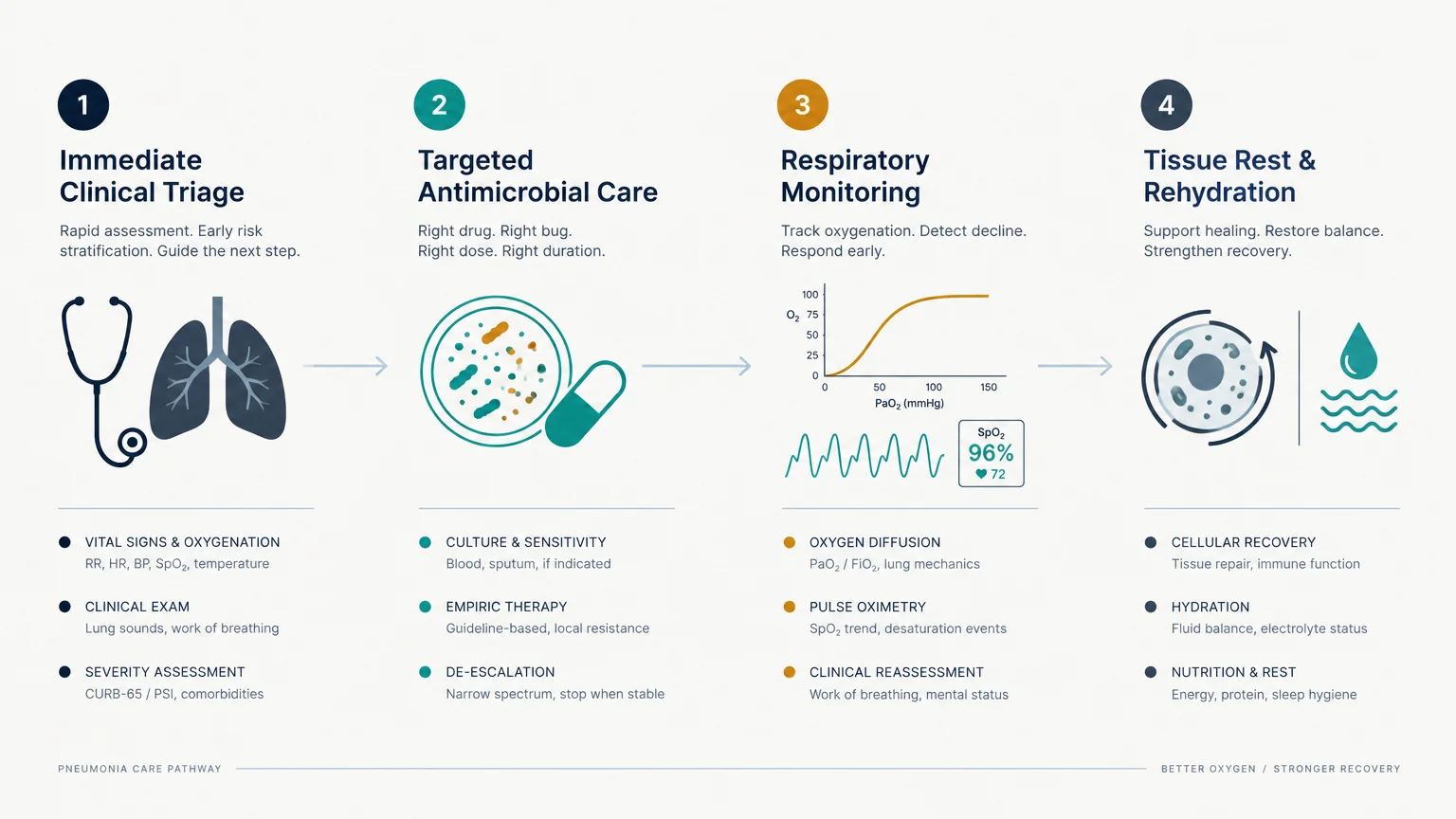
Restoring your health after a severe respiratory virus requires an evidence-based, multidimensional approach. By combining timely medical treatments with lifestyle strategies, you can support your body’s innate defenses and optimize recovery.
Medical Strategy: Timely Diagnostics and Vaccines
If you recognize any of the seven warning signs, schedule an in-person clinical assessment immediately. Your physician can perform a chest X-ray to visually identify areas of pulmonary consolidation or pleural effusion.
Blood work, including a complete blood count, reveals whether your white blood cells are actively surging against bacterial invaders. Identifying the underlying organism allows your care team to prescribe the exact antibiotic or supportive treatment required.
Long-term prevention through immunization represents your single most effective defense against invasive bacterial pneumonia. In late October 2024, the CDC Advisory Committee on Immunization Practices made a landmark decision lowering the routine pneumococcal vaccination age.
The committee officially lowered the recommended starting age for routine adult pneumococcal immunization from 65 down to 50 years old. This update remains active on current immunization schedules to protect adults before age-related immune defenses decline.
Detailed clinical guidelines on these updated schedules are accessible through the CDC Pneumococcal Vaccination Guidelines. These recommendations outline approved conjugate vaccines that deliver robust, lasting protection against multiple virulent bacterial strains.
Current routine adult recommendations include the newer pneumococcal conjugate vaccines, specifically PCV21 or PCV20, for all vaccine-naive adults aged 50 and older. Alternatively, adults may receive PCV15 followed by a subsequent dose of PPSV23.
Younger adults aged 19 to 49 with underlying medical conditions also qualify for these protective conjugate vaccines. Conditions such as asthma, chronic obstructive pulmonary disease, diabetes, and heart disease significantly increase your vulnerability to pneumonia.
Despite the proven effectiveness of these immunizations, national uptake remains concerningly low across the country. Data from the CDC National Center for Health Statistics reveals that only 25.8% of U.S. adults aged 18 and older have ever received a pneumococcal vaccine.
Discuss your vaccination status with your primary care provider at your next preventative visit. Proactive immunization provides enduring protection against the very bacterial strains that capitalize on seasonal viral damage.
Respiratory Support and Strategic Positioning
How you position your body while resting in bed exerts a tremendous influence on your pulmonary mechanics. Lying flat on your back encourages secretions to settle in the posterior bases of your lungs, exacerbating atelectasis.
Instead, practice strategic positional changes throughout the day to optimize airflow distribution across all lung lobes. Spend time resting on your stomach in a gentle prone position if your physical comfort permits.
Prone positioning opens collapsed dorsal alveolar units and improves ventilation-perfusion matching across your pulmonary capillary beds. When resting on your back, elevate your head and torso at least thirty to forty-five degrees using firm pillows.
Incorporate gentle respiratory therapy exercises into your hourly waking routine to clear stagnant mucus from your airways. Take five slow, expansive breaths through your nose, expanding your lower rib cage laterally with each inhalation.
On the fifth breath, perform a gentle huff cough by exhaling forcefully with an open mouth, as if fogging a mirror. This technique shears mucus from bronchial walls without triggering painful, exhausting coughing fits.
Take short, gentle walks around your bedroom every few hours if your energy and balance safely allow. Light mobility prevents fluid stasis, stimulates lymphatic flow, and reduces the risk of dangerous deep vein blood clots.
Targeted Hydration and Anti-Inflammatory Nutrition
Adequate internal hydration is essential for maintaining the fluid lining of your respiratory mucociliary escalator. When you become dehydrated, your bronchial secretions become viscous, sticky, and nearly impossible to expel effectively.
Sip warm liquids throughout the day, including clear bone broths, warm water with lemon, and soothing herbal teas. The warm steam rising from these beverages also helps humidify your upper airways and ease mucosal irritation.
Supplement your fluid intake with balanced electrolyte solutions, particularly if you have experienced high fevers or profuse sweating. Proper sodium, potassium, and magnesium balance supports cellular energy production and normal muscular contractions during recovery.
When your appetite returns, nourish your body with easily digestible, anti-inflammatory whole foods that do not burden digestion. Steamed root vegetables, vegetable purées, wild salmon, and soft poached eggs provide vital amino acids and fatty acids.
These vital nutrients supply the cellular raw materials required to rebuild damaged respiratory epithelial membranes and sustain immune function. Minimize heavily processed snacks, refined sugars, and inflammatory fats that can disrupt your metabolic recovery.
Mindset, Monitoring, and Self-Advocacy
Severe illness naturally stirs feelings of vulnerability, anxiety, and fear, especially when breathing feels laboured. Acknowledging these emotional reactions with self-compassion helps calm your sympathetic nervous system and prevents panic-induced hyperventilation.
Keep a reliable fingertip pulse oximeter at your bedside to objectively track your blood oxygen saturation and pulse rate. Make sure your hands are warm and clean, and remove any dark nail polish that could distort sensor readings.
Normal oxygen saturation typically ranges between ninety-five and one hundred percent at sea level. If your resting oxygen saturation consistently drops to ninety-four percent or lower, contact your healthcare provider for guidance.
Maintain a dedicated notebook to record your temperature, oxygen saturation, heart rate, and any new physical sensations. Bringing this organized log to your medical appointment provides your clinician with invaluable clinical trend data.
Trust your intuition when something feels profoundly wrong, even if your symptoms seem difficult to describe in words. You are your own best health advocate, and your concerns deserve thorough clinical evaluation.
Frequently Asked Questions
How quickly can influenza turn into pneumonia?
The timeline depends largely on whether the resulting lung infection is primary viral pneumonia or secondary bacterial pneumonia. Primary viral pneumonia can develop rapidly within the first twenty-four to forty-eight hours of severe influenza onset.
Secondary bacterial pneumonia typically follows a biphasic trajectory, emerging four to ten days after your initial flu symptoms began. In this scenario, you might feel like you are recovering before sudden fever and breathlessness abruptly strike.
Because both forms can escalate quickly, never wait to seek clinical evaluation if your symptoms worsen at any point. Immediate medical assessment ensures timely diagnostic imaging and appropriate treatment.
Is pneumonia contagious to other members of my household?
The influenza virus that initiated your illness is highly contagious and spreads easily through coughing, sneezing, and talking. Family members can easily contract the flu from you and face their own risk of subsequent complications.
However, secondary bacterial pneumonia itself is generally not contagious in the traditional sense of the word. The World Health Organization notes that bacterial pneumonia develops when opportunistic microbes exploit an individual host’s compromised respiratory defenses.
While others will not catch your specific bacterial pneumonia directly, they can catch the underlying virus. Practicing diligent hand hygiene, using air purifiers, and isolating while infectious protects your family from viral transmission.
Can mild pneumonia be treated safely at home?
Certain mild cases of community-acquired pneumonia can be successfully treated at home under the direct supervision of a physician. Outpatient treatment typically involves prescription oral antibiotics, prescribed bronchodilators, targeted rest, and diligent hydration.
However, you should never attempt to manage suspected pneumonia entirely on your own without an accurate medical diagnosis. Differentiating bacterial from viral infection requires professional clinical judgment and objective testing.
If your physician prescribes antibiotics, finish the complete course exactly as directed, even if you feel significantly better after several days. Stopping medications prematurely can cause the infection to rebound with resistant bacterial strains.
What should caregivers watch for in seniors who do not cough?
In older adults, pneumonia often presents silently without the characteristic wet cough, chest pain, or high fever seen in younger patients. Caregivers must maintain a high index of suspicion and watch for subtle behavioral and physiological shifts.
Sudden cognitive impairment, including acute confusion, severe lethargy, uncharacteristic drowsiness, or disorientation, represents a primary red flag. These neurological symptoms often emerge rapidly as oxygen delivery to the brain diminishes.
Look for physical clues such as a sudden loss of appetite, unexplained weakness, sudden falls, or an unusually low body temperature. If an older adult displays any of these atypical warning signs, seek immediate medical attention.
Your Immediate Next Step
Navigating a severe respiratory illness can feel overwhelming, but your body provides clear physiological cues when it needs extra medical support. Take a deep, gentle breath right now, sit quietly, and check in with your physical state.
If you notice a returning fever, sharp chest pain, shortness of breath, or deep fatigue, do not brush it aside. Pick up your phone and contact your healthcare provider, or visit an urgent care clinic for a proper examination.
Reflect on this question: how can you honor your body’s signals today by choosing prompt clinical care over quiet endurance? Taking proactive action today safeguards your lung health, supports your recovery, and protects your long-term vitality.







Leave a Reply