

Ignoring subtle changes in your body often seems easier than navigating the healthcare system, yet early conversation with a physician remains your single most effective preventative tool. Waiting to report persistent symptoms frequently turns manageable health conditions into complex medical challenges. Research shows that millions of adults brush off early warning signs—from chronic fatigue to minor digestive shifts—assuming they are simply aging or experiencing temporary stress. Recognizing these quiet signals early empowers you to protect your long-term vitality, optimize clinical outcomes, and take active control of your wellness. By addressing seven frequently downplayed symptoms today, you build a stronger foundation for lifelong health and peaceful longevity.
The Science Behind Why We Delay Seeking Medical Care
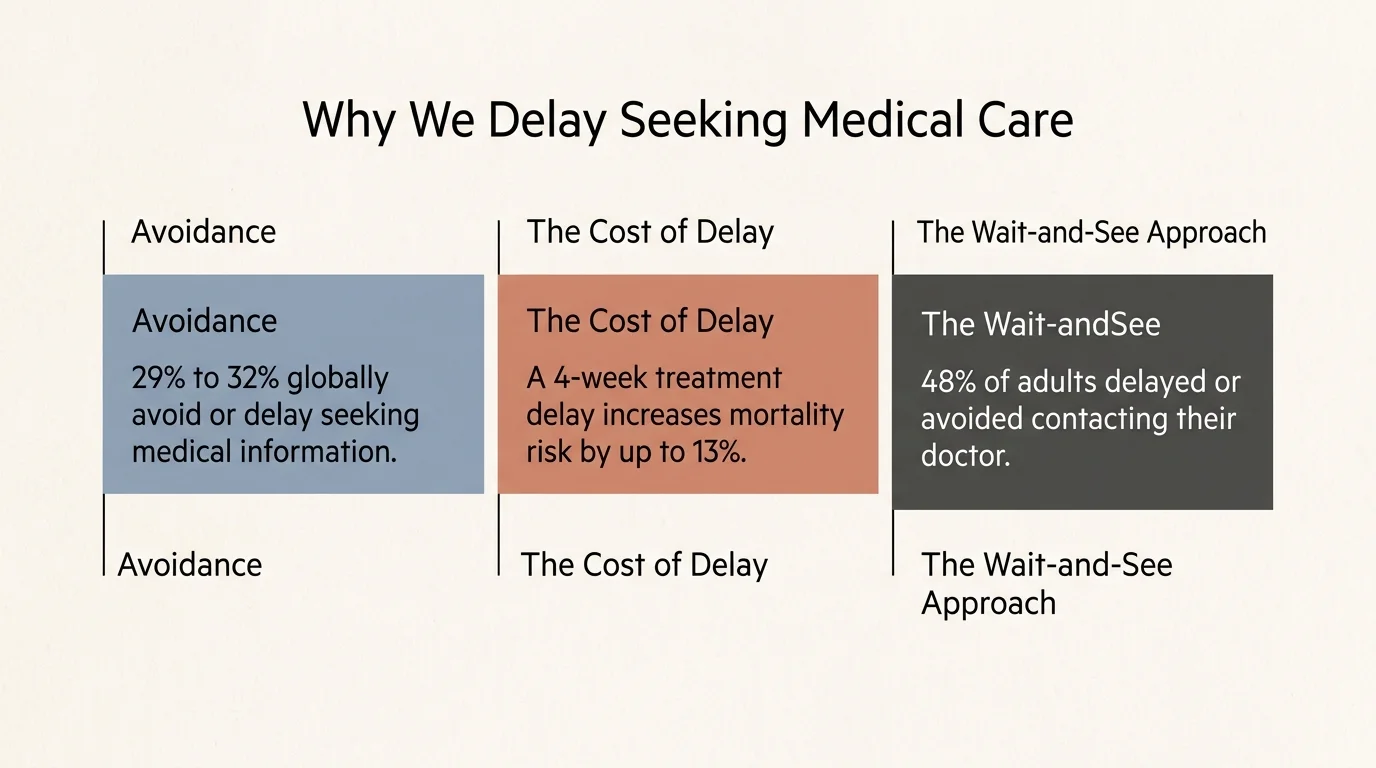
Human psychology often drives us to downplay physical discomfort until a symptom becomes impossible to ignore. A systematic review published in the Annals of Behavioral Medicine revealed that nearly 1 in 3 people—between 29% and 32% globally—actively avoid or delay seeking medical information when facing signs of serious illness. This hesitation stems from a combination of fear, medical anxiety, busy schedules, and the common belief that physical body changes will resolve without intervention.
However, medical data consistently demonstrates that early intervention changes health trajectories. Comprehensive research published in the BMJ found that even a single 4-week delay in treatment for major health conditions increases a patient’s mortality risk by up to 13%. Similarly, data analyzed by Cancer Research UK indicates that 25% of cancer patients experience avoidable diagnostic delays; remarkably, 13% of these delays occur before the patient ever schedules their initial visit with a primary care doctor. Downplaying initial symptoms remains one of the largest obstacles to timely treatment.
Gender patterns and social norms also shape how quickly individuals seek medical help. A survey conducted by Health Foundation and Ipsos found that 48% of adults delayed or avoided contacting their doctor regarding a health concern over a 12-month period, with 27% explicitly choosing a “wait and see” approach. Furthermore, research from Orlando Health revealed that 33% of men believe they do not need regular health checkups, while 65% skip doctor visits because they assume they are naturally healthier than the average person. Recognizing these cognitive biases allows you to break the cycle of hesitation and prioritize your health.
Seven Symptoms You Should Stop Ignoring
1. Chronic, Persistent Fatigue That Rest Does Not Fix
You might tell yourself that waking up exhausted is simply an inevitable consequence of a busy lifestyle or getting older. However, persistent fatigue that fails to improve after restorative sleep signals an underlying biological issue rather than a lack of discipline. Clinical evaluations frequently reveal that ongoing exhaustion stems from conditions such as hypothyroidism, iron deficiency anemia, autoimmune conditions, or subtle metabolic dysregulation. When you leave chronic low energy unaddressed, your body remains under sustained physiological strain, which compromises immune function and cardiovascular resiliency over time.
When you speak with your physician, avoid describing your fatigue in vague terms. Detail how it impacts your daily routine—such as struggling to complete routine work tasks or feeling physically depleted by mid-afternoon. Your healthcare provider can order comprehensive lab work—including a complete blood count, serum ferritin, thyroid panel, and metabolic testing—to pinpoint the root cause and restore your vitality safely.
2. Subtle and Persistent Shifts in Digestive Health
Gastrointestinal discomfort is easily dismissed as a reaction to a spicy meal or daily stress. However, you should take notice when your bowel habits undergo a lasting shift—such as persistent bloating, alternating constipation and diarrhea, or changes in stool frequency lasting more than two weeks. These subtle shifts can point to irritable bowel syndrome, inflammatory bowel disease, food intolerances, or early gastrointestinal structural changes. Guidelines from the American Cancer Society emphasize that catching gastrointestinal alterations early drastically improves treatment outcomes.
Overcoming the discomfort of discussing digestive topics with your clinician is essential for long-term health. Keep a simple two-week diary tracking your meals, hydration, and bowel movements. Presenting clear, objective data to your doctor transforms an awkward conversation into a productive clinical discussion, paving the way for targeted dietary strategies or non-invasive diagnostic testing.
3. Unintentional Weight Variations
Losing or gaining weight without modifying your dietary intake or physical activity level often feels perplexing, but your body is communicating a vital message. Unexplained weight loss can indicate hyperthyroidism, underlying malabsorption issues, unmanaged blood sugar levels, or chronic inflammatory processes. Conversely, rapid unexplained weight gain frequently signals fluid retention associated with cardiovascular, renal, or endocrine imbalance. Rather than waiting to see if your body weight normalizes on its own, consult your primary care provider.
Your doctor will review your body composition history, metabolic markers, and hormone levels to isolate the underlying mechanism. Addressing unexplained weight fluctuations early prevents systemic strain on your metabolic and cardiovascular systems, ensuring your body receives the exact nutritional and medical support it requires.
4. Non-Healing Skin Lesions and Evolving Moles
It is easy to mistake a minor skin lesion for a stubborn blemish or age spot. However, non-healing sores that bleed easily, rough scaly patches, or moles that evolve in shape, color, or border require immediate professional evaluation. Data from the Centers for Disease Control and Prevention shows that early dermatological evaluation significantly reduces the complexity of skin treatments and enhances long-term skin health. Performing a monthly self-examination helps you spot subtle changes across your body before they advance.
When monitoring your skin, use the clear ABCDE framework: look for Asymmetry, irregular Borders, atypical Color changes, a Diameter larger than a pencil eraser, and any Evolving features over time. Taking a clear photograph of a suspicious spot with your phone gives your dermatologist an accurate timeline of structural changes, enabling swift and effective care.
5. Changing Headache Patterns and Persistent Facial Pressure
While occasional tension headaches after long workdays are common, a distinct shift in headache frequency, location, or severity demands medical attention. Experiencing dull morning headaches, pressure behind the eyes, or pain that intensifies with physical movement can reflect unmanaged hypertension, vascular adjustments, structural issues, or severe sleep disruption. Masking recurring head pain with over-the-counter pain relievers hides the symptom without resolving the underlying cause.
Documenting your headache patterns helps your clinician differentiate between tension pain, migraines, and secondary headaches. Track the duration, pain intensity, and associated symptoms—such as light sensitivity or mild nausea. Your doctor can assess your blood pressure, review your sleep architecture, and determine whether neurological imaging or lifestyle adjustments are necessary.
6. Persistent Brain Fog and Cognitive Slumps
Forgetting keys or feeling mentally sluggish during stressful weeks happens to everyone, but persistent cognitive haze is not a natural tax on aging. Brain fog—characterized by slowed information processing, memory lapses, and difficulty concentrating—often stems from treatable conditions like vitamin B12 deficiency, thyroid dysfunction, hormone transitions, or obstructive sleep apnea. Research highlighted by the National Institutes of Health illustrates that chronic systemic inflammation directly impacts brain function and neurocognitive clarity.
Discussing cognitive slumps with your healthcare team allows for targeted laboratory screening and lifestyle interventions. Evaluating your sleep quality, nutritional intake, and hormonal health helps eliminate the root causes of mental fatigue, restoring your focus and mental sharpness.
7. Mild Exertional Shortness of Breath and Heart Palpitations
Feeling unusually winded after climbing a familiar flight of stairs or noticing a quick flutter in your chest during daily activities is often downplayed as being “out of shape.” However, exertional shortness of breath and mild palpitations can serve as early indicators of underlying cardiovascular or respiratory conditions, such as asthma, heart valve variations, or mild arrhythmias. Educational resources from the American Heart Association stress that early cardiac and pulmonary screenings prevent minor structural stresses from progressing into severe events.
Be proactive if you notice changes in your physical stamina or heart rhythm. Note the precise activities that trigger breathlessness or fluttering, and share these observations with your doctor. Early diagnostic tests, such as electrocardiograms or echocardiograms, offer immediate clarity and protect your long-term heart health.

Actionable Pillars for Self-Advocacy in Healthcare
Overcoming Hesitation and Medical Anxiety
Reframing how you view medical appointments helps eliminate internal barriers to seeking care. Instead of viewing a doctor visit as a confirmation of illness, reframe it as a proactive step toward protecting your vitality. If fear of bad news holds you back, remember that early detection almost always expands your treatment options and simplifies your recovery path. Acknowledge your feelings, practice slow deep breathing before your appointment, and bring a supportive friend or family member if you feel anxious.
Preparing for an Effective Doctor Visit
Maximizing your time with your healthcare provider requires thoughtful preparation. Write down your top three concerns before entering the exam room to keep the conversation focused. Structure your symptom descriptions around four key details: when the symptom began, how frequently it occurs, what makes it better or worse, and how it impacts your daily functioning. This structured approach empowers your physician to make precise clinical decisions efficient for your care.
Navigating Health Access and Determinants of Care
Systemic factors—such as insurance coverage, work flexibility, and local transportation—frequently impact how quickly you can access medical care. Global health frameworks from the World Health Organization emphasize that equal access to preventative resources is vital for community wellbeing. If financial or scheduling constraints delay your care, explore telehealth options, community health clinics, or patient assistance programs. Speaking openly with clinic staff about scheduling needs helps you find accessible pathways to quality care.

Real Voices from Clinical Practice
Primary care physicians frequently emphasize that patients should never apologize for bringing subtle body changes to their attention. Dr. Sarah Jenkins, an integrative family medicine physician, shares: “We would far prefer to evaluate a mild symptom that turns out to be completely benign than to meet a patient a year later when a manageable condition has advanced. Your health concerns are never a burden to your care team.”
Cardiologist Dr. Marcus Vance echoes this perspective regarding cardiovascular warning signs: “Patients frequently tell me they delayed reporting exertional tightness because they felt embarrassed about their fitness level. Once we run the necessary diagnostic panels, we often find easily treatable factors. Speaking up early preserves your quality of life.”
Frequently Asked Questions
How do I know the difference between a minor temporary symptom and something requiring medical evaluation?
A general rule of thumb relies on duration, progression, and daily impact. Temporary discomfort from minor viral bugs or mild exertion usually resolves within a few days to two weeks. If a symptom persists beyond two weeks, gradually worsens, or interferes with your ability to sleep, work, or exercise, schedule an evaluation with your healthcare provider.
What if I am worried my physician will dismiss my symptoms as stress or weight-related?
If you feel your concerns are being downplayed, advocate for yourself by asking focused questions. You can say: “I understand stress can affect the body, but I would like to run basic diagnostic labs to rule out physical causes first.” You can also ask your doctor to note their diagnostic rationale in your medical record, which encourages a thorough evaluation.
Is it worth scheduling an appointment if my symptom comes and goes unpredictably?
Yes, intermittent symptoms are common in early-stage hormonal, metabolic, and cardiovascular conditions. Document the episodes as they happen by recording the date, time, duration, and what you were doing when the symptom occurred. Providing this pattern history gives your physician valuable clues even if you feel completely fine on the day of your appointment.
How can I prepare for my medical visit so I do not forget essential health details?
Keep a dedicated note on your phone or a small notebook where you log physical changes as you notice them. Bring a complete list of your current medications, supplements, and family health history. Prioritize your list so you address your most concerning symptom within the first five minutes of your consultation.
Taking Your First Step Toward Lasting Health
Taking charge of your long-term wellness does not require an overwhelming lifestyle overhaul; it begins with listening to your body’s subtle signals today. Select one symptom or physical change you have been ignoring or putting off, and take five minutes to write down when it started and how often it occurs. Call your primary care clinic today to schedule a checkup or routine preventive consultation.
Consider this reflection prompt as you move forward: What positive changes in your daily vitality could you experience if you gave your physical body the timely care and attention it deserves?









Leave a Reply