

Paying attention to subtle shifts in your bathroom habits protects your kidneys and reveals systemic issues before complications arise. Your urinary tract serves as an early warning system for metabolic wellness, organ health, and pelvic stability.
Many individuals dismiss sudden changes in flow or frequency as harmless consequences of stress or normal aging. Unfortunately, ignoring these early bladder health signs can delay critical treatment and undermine your daily comfort.
Learning when to see a doctor for urinary symptoms empowers you to address infections, structural changes, and chronic conditions promptly.
Understanding Bladder Health Signs and Physiology
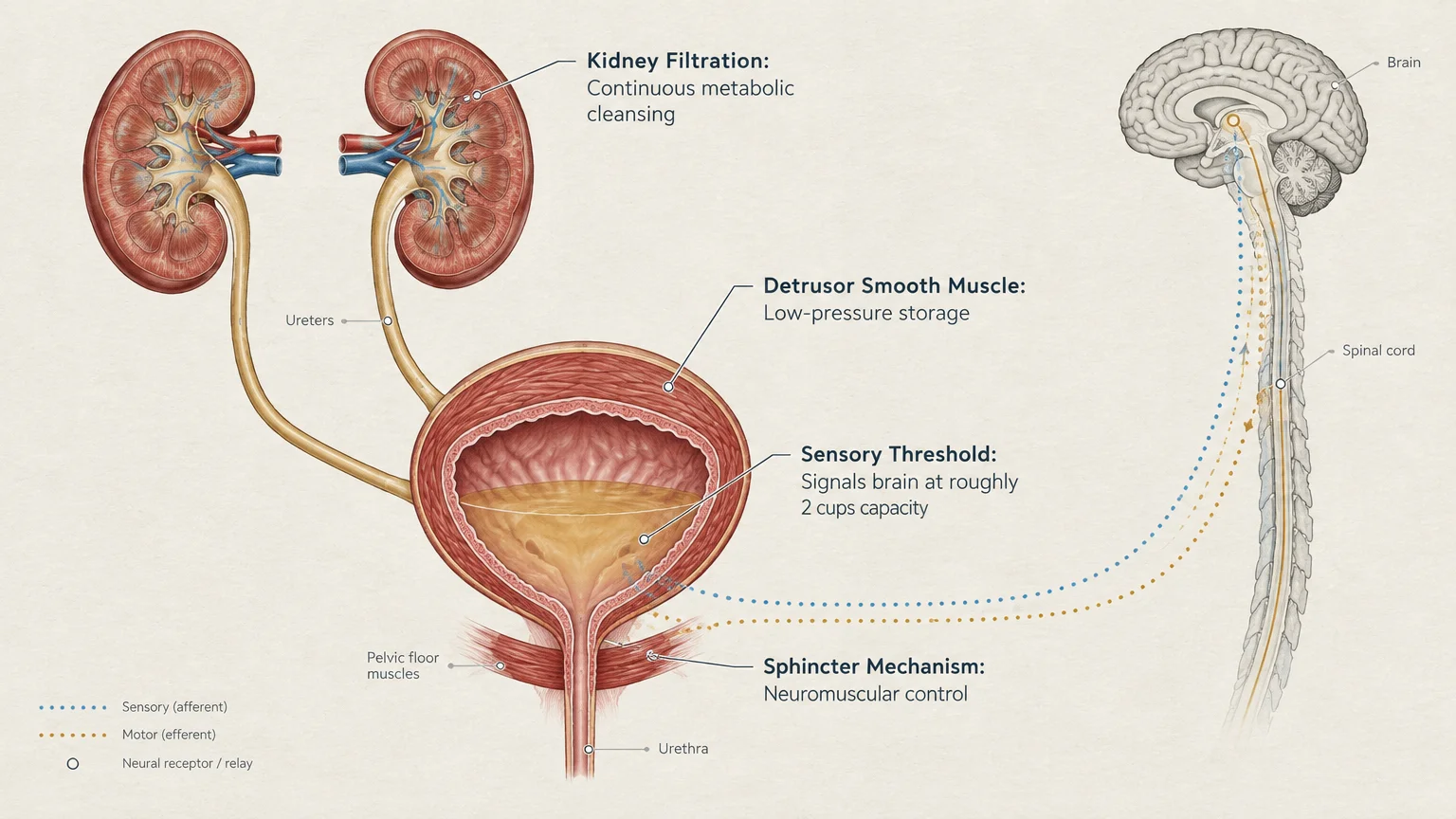
Your urinary system coordinates a complex network of smooth muscle tissue, nerves, and mucosal barriers. Healthy kidneys continuously filter metabolic waste, transferring liquid into your bladder for temporary, low-pressure storage.
A healthy adult bladder holds roughly two cups of fluid comfortably before signaling the brain. When inflammation or physical obstructions disrupt this coordinated neuromuscular mechanism, noticeable urinary symptoms appear quickly.
10 Critical Urinary Symptoms That Demand Attention
1. Visible or Microscopic Blood in Your Urine
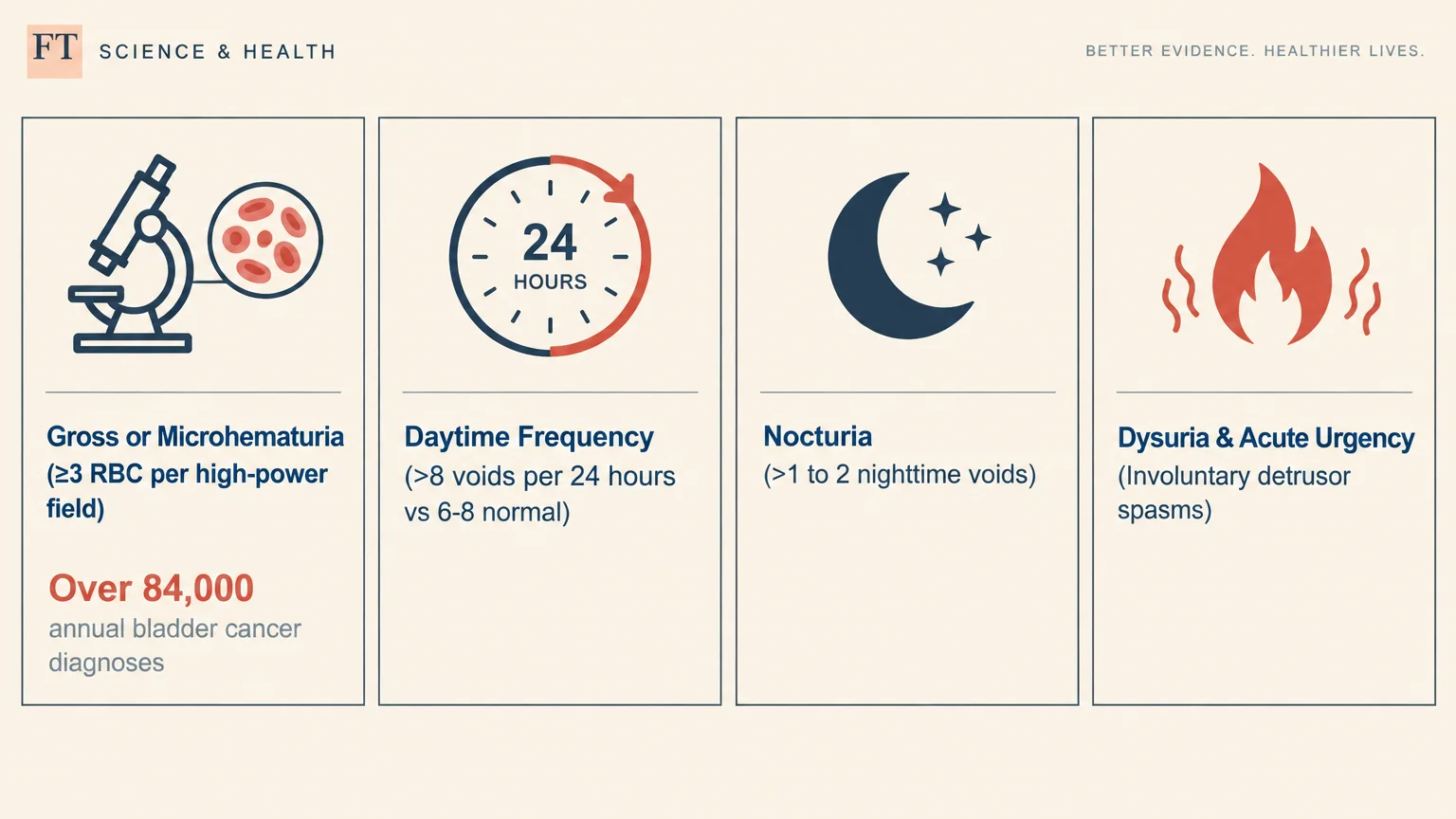
Noticing pink, red, or tea-colored urine represents gross hematuria, whereas microscopic hematuria involves invisible red blood cells detected via urinalysis. Guidelines from the American Urological Association define microhematuria as three or more red blood cells per high-power field.
Up to 10% of hematuria cases indicate genitourinary malignancy, with bladder cancer accounting for over 80% of these cases. According to the American Cancer Society, over 84,000 Americans receive a bladder cancer diagnosis annually, making painless bleeding an urgent warning sign.
2. Persistent Daytime Frequency
Most healthy adults urinate six to eight times within a 24-hour period when drinking roughly two liters of fluid. Urinating more than eight times daily signals an underlying shift that warrants clinical investigation.
Frequent urination causes range from excessive caffeine intake and bladder wall inflammation to early-stage diabetes mellitus. Consistent frequency disrupts daily focus and indicates potential metabolic or anatomical imbalances.
3. Frequent Nighttime Waking (Nocturia)
Waking up more than once or twice per night to void is termed nocturia. This disruption interrupts restorative sleep cycles and elevates cardiovascular stress.
Nocturia often indicates nighttime fluid shifts, congestive heart disease, poorly managed sleep apnea, or progressive prostate swelling in men. Persistent nighttime waking demands a targeted clinical evaluation.
4. Pain or Burning During Urination
Experiencing a stinging, sharp, or burning sensation during urination indicates dysuria. This discomfort signals acute inflammation along your urethral lining or bladder wall.
Dysuria commonly stems from microbial infections, passing kidney stone fragments, or contact dermatitis from hygiene products. Left unaddressed, localized lower tract infections can ascend into your kidneys.
5. Sudden, Uncontrollable Urgency
Urinary urgency creates an overwhelming, sudden compulsion to void that feels impossible to delay safely. This distressing sensation frequently prompts intense anxiety regarding immediate bathroom access.
Urgency usually stems from involuntary spasms within your bladder detrusor muscle, often termed overactive bladder. Neurological conditions like stroke, multiple sclerosis, or spinal cord compression can also disrupt these signals.
6. Involuntary Leakage or Incontinence
Involuntary loss of urine affects millions of adults, manifesting as stress leakage during exertion or urge leakage following intense bladder spasms. Social stigma often delays necessary medical care for years.
Data from the National Institute of Diabetes and Digestive and Kidney Diseases shows incontinence affects 30% to 50% of adults aged 65 and older. Furthermore, nearly half of women over age 50 experience involuntary leakage.
7. Weak, Hesitant, or Interrupted Stream
Struggling to initiate urination or producing a weak, spraying, or intermittent flow indicates physical resistance along the urinary pathway. You might find yourself straining or waiting several minutes for flow to start.
In men, this hesitation frequently points toward an enlarged prostate compressing the urethra. In women, structural issues such as pelvic organ prolapse or urethral strictures can similarly impede normal outflow.
8. Sensation of Incomplete Emptying
Finishing urination only to feel that your bladder remains partially full indicates urinary dysfunction. This persistent fullness often forces you to return to the bathroom just minutes after voiding.
Chronic retention of residual urine stretches your bladder muscle over time, diminishing its contractility. Stagnant urine also creates an ideal breeding ground for recurrent bacterial colonies and bladder stones.
9. Complete Inability to Pass Urine
Acute urinary retention occurs when you experience an intensely full, painful bladder but cannot void a single drop. This condition represents an emergency requiring prompt catheterization.
Acute retention affects roughly 10% of men over age 70, frequently triggered by benign prostatic swelling, anesthesia, or medications. Untreated retention can rapidly cause bladder rupture, urosepsis, and acute renal failure.
10. Deep Pelvic, Groin, or Flank Pain
Discomfort radiating from your lower back around to your groin frequently originates within the urinary tract. This discomfort ranges from a dull ache to sharp spasms that arrive in waves.
Flank pain often points toward kidney stones lodged in the ureter or an ascending infection known as pyelonephritis. Pairing severe flank pain with fever, chills, or nausea demands emergency care.

Clinical Insights on Urinary Problems in Older Adults
Aging naturally alters the structural elasticity and nerve responsiveness of your lower urinary tract. Recognizing demographic patterns helps clinicians separate manageable benign changes from acute pathology.
Benign prostatic hyperplasia represents the leading benign cause of lower urinary tract symptoms in aging men. Histological data indicates that prostate enlargement affects roughly 50% of men in their fifties and climbs to nearly 90% by age 80.
Women encounter distinct physiological shifts as estrogen levels decline following menopause. Thinning of the urogenital mucosa increases vulnerability to microbial invasion while weakening supportive pelvic connective tissue.
Epidemiological research from the Centers for Disease Control and Prevention highlights that 50% to 60% of adult women experience at least one urinary tract infection during their lifetime.
Furthermore, up to 44% of those women suffer a recurrence within six to twelve months. While younger men experience infections rarely, lifetime UTI incidence among men rises significantly to 14% as age advances.

Voices from the Clinic: The Power of Early Reporting
Experienced urologists and pelvic health physical therapists emphasize that silence remains the biggest obstacle to effective treatment. Patients frequently normalize severe symptoms, assuming that pain, leakage, or frequent urination are mandatory parts of aging.
Dr. Elena Ramos, an integrative urologic specialist, notes that early reporting transforms clinical outcomes. “When patients mention mild hesitation or microhematuria during routine visits, we resolve underlying problems before irreversible renal or detrusor muscle damage occurs,” she explains.
Patients who speak up early also avoid debilitating lifestyle adjustments, such as withdrawing from exercise or avoiding social events. Honest clinical conversations pave the way toward targeted diagnostic evaluations and rapid relief.
Three Strategic Pillars for Sustainable Bladder Wellness
Protecting your urinary system requires a proactive strategy combining dietary habits, musculoskeletal support, and structured medical care. Implementing these three foundational pillars can strengthen your bladder and reduce irritation.
Pillar 1: Conscious Hydration and Bladder Nutrition
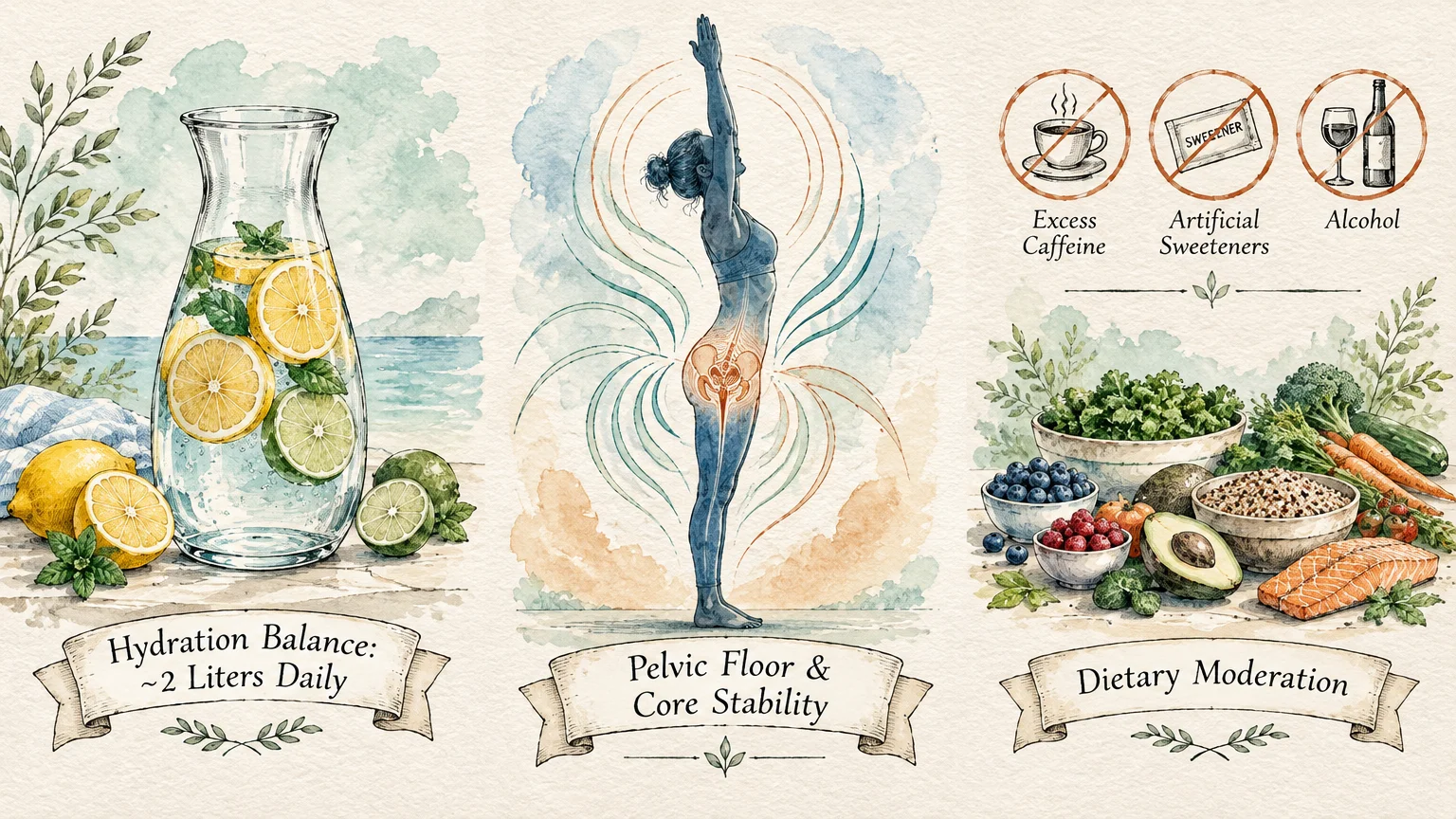
Aim to consume approximately 1.5 to 2 liters of fluid daily, distributing your intake evenly to avoid evening kidney overload. Counterintuitively, restricting water concentrates your urine, which severely inflames sensitive bladder tissue and accelerates bacterial growth.
Limit common dietary irritants such as artificial sweeteners, spicy foods, concentrated caffeine, and alcohol that trigger detrusor muscle spasms. Additionally, prioritize dietary fiber to prevent chronic constipation from placing physical pressure against your bladder wall.
Pillar 2: Pelvic Floor Conditioning and Mindful Movement
Your pelvic floor muscles form a supportive sling that stabilizes your bladder and controls urinary outflow. Consulting a specialized pelvic physical therapist helps identify whether your muscles require targeted strengthening exercises or downtraining relaxation techniques.
Complement specialized physical therapy with daily low-impact activities like brisk walking or gentle swimming. Consistent physical movement stimulates pelvic circulation, aids systemic metabolic control, and reduces dependent fluid pooling in your legs.
Pillar 3: Clinical Collaboration and Systematic Tracking
Maintain a detailed 72-hour bladder log recording fluid volume, voiding frequency, leakage episodes, and associated discomfort. This objective documentation gives your doctor precise diagnostic context rather than relying on vague recollections.
Review your medication list with your physician, because common drugs like diuretics, antihistamines, and antihypertensives directly alter urinary output. Working together ensures you address drug-induced side effects without compromising your general health.
When to See a Doctor Immediately for Urinary Symptoms
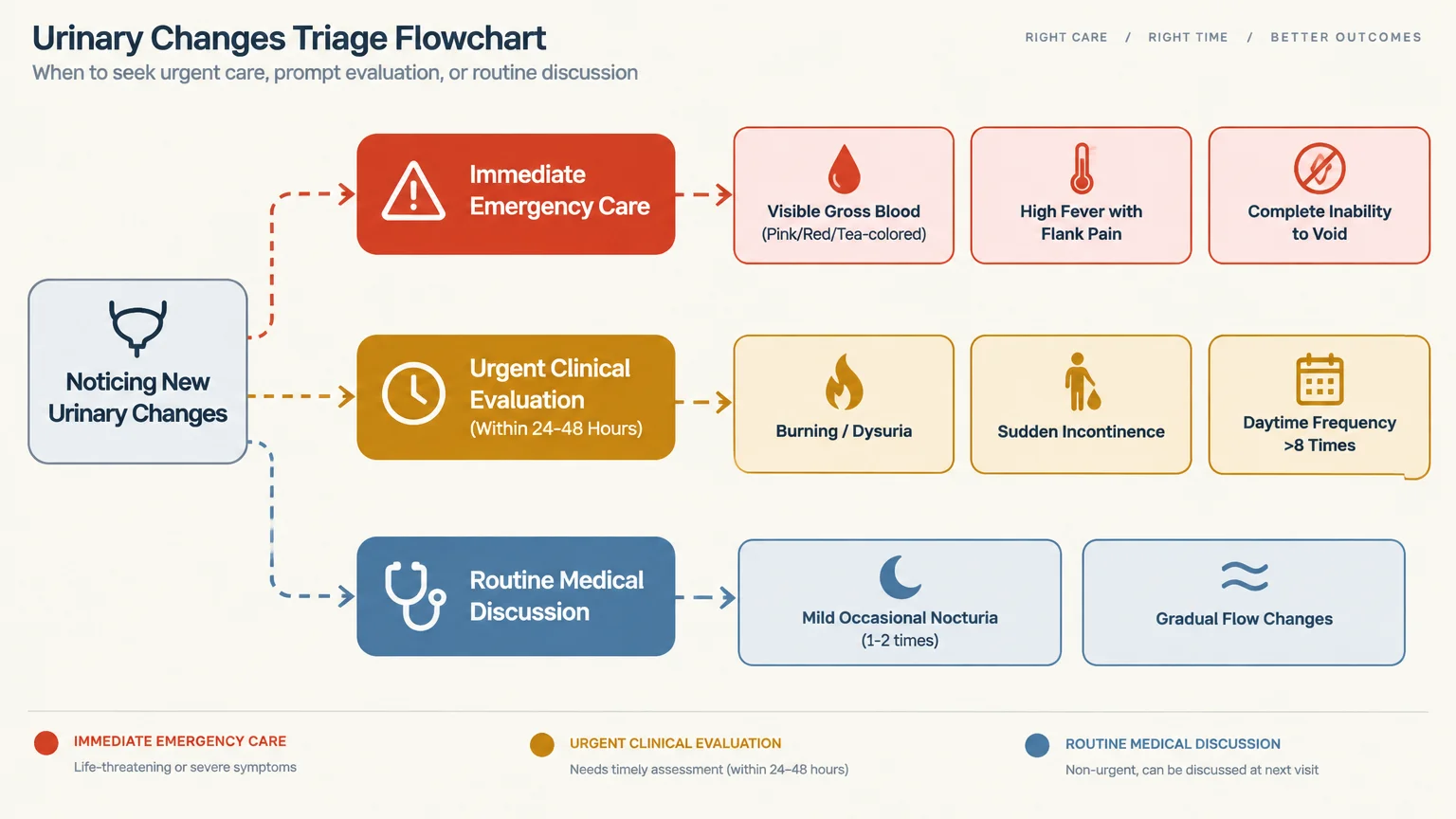
While some bladder complaints evolve slowly over several months, specific warning signs demand urgent emergency attention. Recognizing these critical presentations protects your organs from permanent injury.
Seek same-day medical care if you observe visible blood clots in your urine or experience severe flank pain. Rapid medical intervention prevents dangerous urinary blockages and addresses acute internal bleeding promptly.
Fever exceeding 101 degrees Fahrenheit accompanied by shaking chills, nausea, and burning urination points toward an ascending kidney infection. This clinical presentation requires immediate intravenous or high-potency oral antibiotics to prevent life-threatening urosepsis.
Finally, a total inability to pass urine over several hours represents an acute emergency. Proceed straight to an urgent care or emergency department to decompress your bladder safely.
Frequently Asked Questions
How many times a day should a healthy adult urinate?
Most healthy adults empty their bladder six to eight times within 24 hours when consuming two liters of fluid. Urinating more than eight times daily, or waking repeatedly at night, warrants clinical exploration.
Is urine leakage simply an unavoidable part of aging?
Incontinence is common among older adults, but it is never an unavoidable consequence of aging. Targeted pelvic floor therapies, lifestyle adjustments, and medical treatments can successfully restore bladder control and confidence.
Why do older adults experience more frequent urinary tract infections?
Aging brings shifts such as lower postmenopausal estrogen levels, prostate enlargement, and incomplete bladder emptying that foster bacterial growth. Older individuals also often experience subtle symptoms like confusion or fatigue rather than acute burning.
Can dietary adjustments completely resolve frequent urination?
Eliminating bladder irritants like caffeine, alcohol, and artificial sweeteners can significantly calm overactive symptoms. However, structural obstructions, metabolic conditions like diabetes, and active infections still require targeted medical care.
Taking Your First Step Toward Bladder Health
Restoring bladder wellness does not require overwhelming overhauls of your daily routine. Begin today with a simple, manageable step: track your daily fluids and bathroom visits for the next three days.
Take a quiet moment to reflect on how your physical habits affect your daily peace of mind. Are you altering your travel plans or limiting your social engagements due to bathroom anxiety?
Sharing your observations with a compassionate healthcare provider can unlock targeted therapies and restore your peace of mind. Prioritize your physical signals today, because your urinary system is vital to your lasting vitality.






Leave a Reply