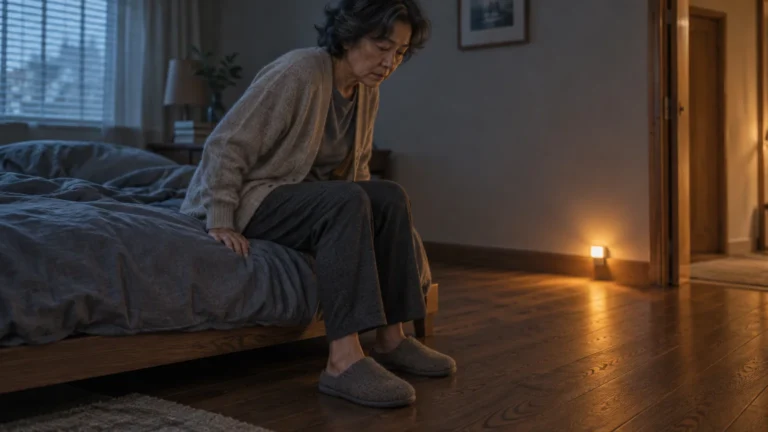

Clinical Insights on Urinary Problems in Older Adults
Aging naturally alters the structural elasticity and nerve responsiveness of your lower urinary tract. Recognizing demographic patterns helps clinicians separate manageable benign changes from acute pathology.
Benign prostatic hyperplasia represents the leading benign cause of lower urinary tract symptoms in aging men. Histological data indicates that prostate enlargement affects roughly 50% of men in their fifties and climbs to nearly 90% by age 80.
Women encounter distinct physiological shifts as estrogen levels decline following menopause. Thinning of the urogenital mucosa increases vulnerability to microbial invasion while weakening supportive pelvic connective tissue.
Epidemiological research from the Centers for Disease Control and Prevention highlights that 50% to 60% of adult women experience at least one urinary tract infection during their lifetime.
Furthermore, up to 44% of those women suffer a recurrence within six to twelve months. While younger men experience infections rarely, lifetime UTI incidence among men rises significantly to 14% as age advances.