

Listening to subtle digestive cues safeguards your long-term vitality before minor disruptions escalate into severe medical conditions. You deserve clear answers when your stomach feels unpredictable, uncomfortable, or persistently painful.
Occasional indigestion happens to everyone, yet ongoing gastrointestinal discomfort often signals deeper physiological distress requiring clinical attention. Recognizing distinct gut health warning signs empowers you to seek timely care and protect your digestive wellbeing.
This practical guide highlights ten critical digestive symptoms worth discussing with your physician. Discovering when to see a doctor for stomach problems ensures you receive accurate testing, targeted treatments, and enduring relief.
Understanding Your Gastrointestinal Health
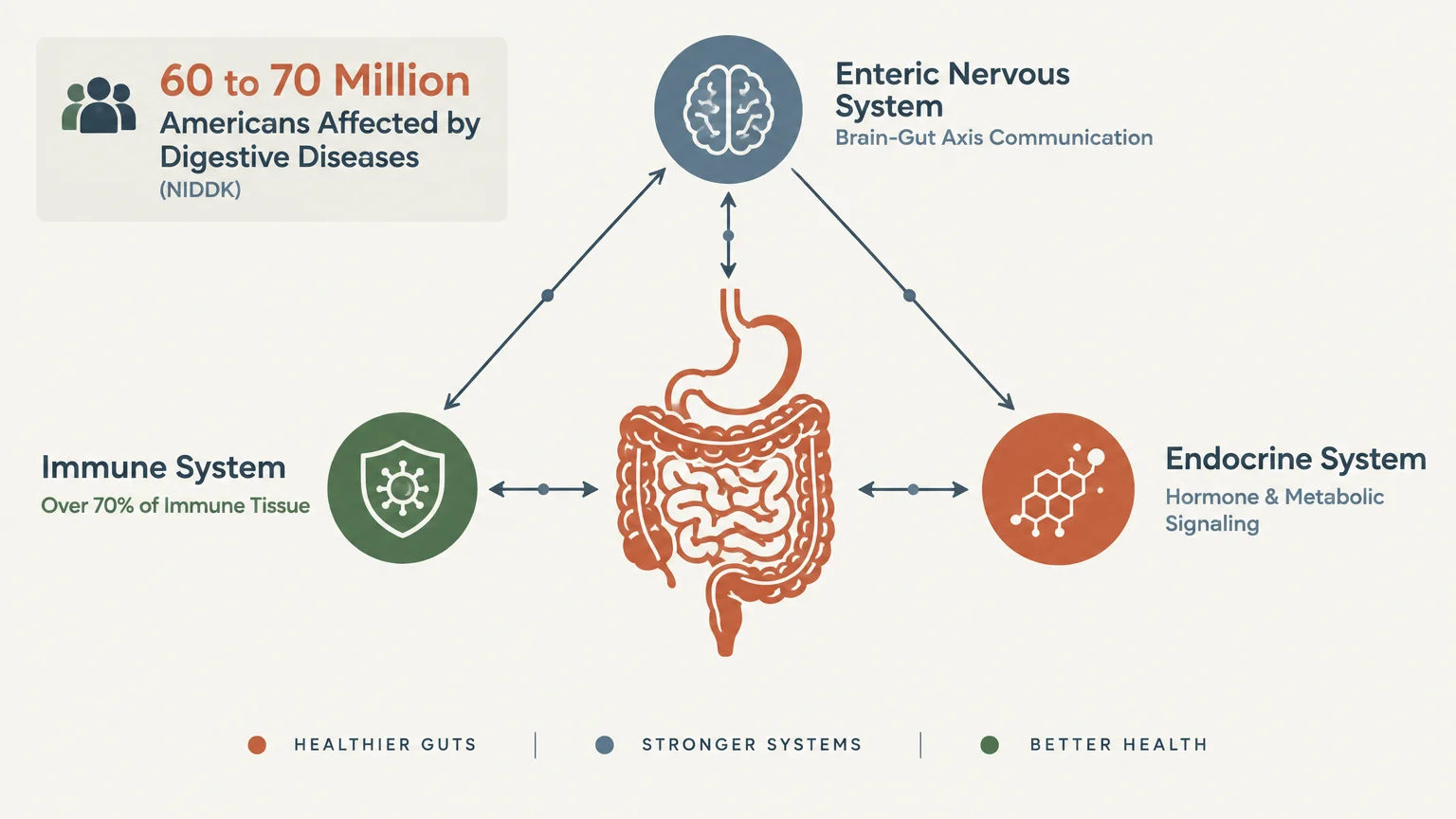
According to the National Institute of Diabetes and Digestive and Kidney Diseases, digestive diseases affect between 60 million and 70 million Americans. These conditions account for millions of clinic and emergency department visits each year.
Your gastrointestinal tract interacts constantly with your nervous, immune, and endocrine systems. When inflammation or mechanical dysfunction disrupts this delicate axis, your body sends overt physiological signals.
Many people mistakenly dismiss persistent bloating and stomach pain as harmless reactions to dietary choices. However, lingering discomfort often reflects underlying structural changes, microbiome imbalances, or systemic disease processes.
Diagnostic delays can lead to avoidable complications; conversely, early intervention dramatically improves clinical outcomes. Consulting your primary care physician promptly transforms ambiguous discomfort into an actionable recovery plan.
Ten Digestive Symptoms You Should Never Ignore
1. Unexplained Involuntary Weight Loss
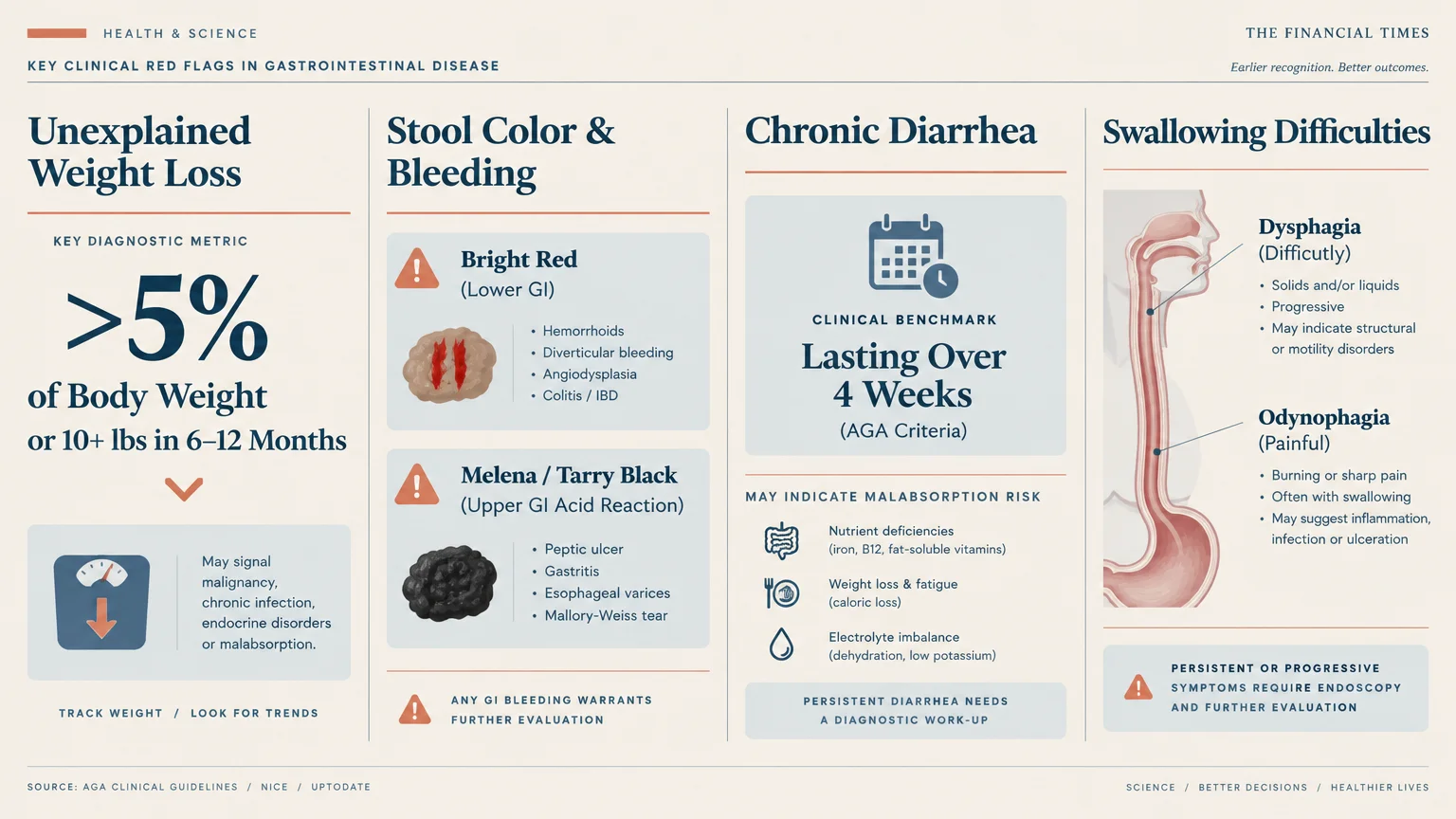
Sudden, unintentional weight loss represents a critical red-flag digestive symptom. Clinicians define this benchmark as losing over five percent of your baseline body weight—or ten or more pounds—within six to twelve months without intentional diet changes.
Rapid weight loss frequently stems from malabsorption disorders, celiac disease, inflammatory bowel disease, or hidden malignancies. You should contact your physician promptly if your clothes loosen unexpectedly without deliberate exercise or caloric restriction.
2. Rectal Bleeding or Stool Color Changes
Visible blood in your stool demands thorough clinical evaluation regardless of your age. Bright red blood may indicate hemorrhoids or anal fissures, but it can also reveal polyps, colitis, or colorectal tumors.
Dark, tarry stools—a condition known clinically as melena—indicate bleeding within your upper gastrointestinal tract. Stomach acid oxidizes hemoglobin into a sticky black substance that requires urgent medical investigation.
3. Persistent Diarrhea Lasting Over Four Weeks
Occasional loose stools typically resolve within a few days following temporary viral or bacterial infections. However, the American Gastroenterological Association diagnostic criteria classify loose stools lasting beyond four weeks as chronic diarrhea.
Chronic loose stools prevent your body from absorbing vital electrolytes, minerals, and fluids. This lingering disruption frequently points toward microscopic colitis, bile acid malabsorption, food intolerances, or parasitic infections requiring prescription treatment.
4. Trouble Swallowing or Painful Swallowing
Difficulty swallowing, termed dysphagia, occurs when food or liquid feels stuck in your throat or chest. This symptom is never considered normal, nor is it an inevitable consequence of aging.
Structural blockages like esophageal strictures or tumors can physically obstruct swallowed food, while painful swallowing—known as odynophagia—suggests severe mucosal inflammation. A gastroenterologist can perform an upper endoscopy to evaluate your esophagus safely.
5. Severe, Localized Abdominal Pain
Acute, localized stomach pain represents a critical signal that requires swift clinical assessment. Pain centered strictly in your lower right abdomen, for instance, often points toward acute appendicitis.
Conversely, acute lower left quadrant discomfort is a hallmark of diverticulitis, a condition affecting over 50 percent of adults by age 60 and over 60 to 70 percent past age 80. When localized pain is accompanied by fever, seek immediate medical attention.
6. Persistent Bloating and Stomach Pain
Feeling temporarily full after a heavy meal is normal, but unrelenting abdominal distension is not. Persistent bloating and stomach pain can indicate small intestinal bacterial overgrowth, gastroparesis, or underlying gynecological conditions.
When fluid accumulates within the peritoneal cavity—a state termed ascites—rapid abdominal swelling and pressure emerge. A comprehensive medical examination helps your physician distinguish benign functional gas from organic pathological conditions.
7. Chronic Heartburn Unresponsive to Treatment
Heartburn occurs when stomach acid flows upward into your esophageal lining, causing burning chest discomfort. According to American College of Gastroenterology clinical guidance, gastroesophageal reflux disease affects approximately 20 percent of American adults.
Daily heartburn that fails to respond to medications warrants medical investigation. Untreated reflux can erode esophageal tissue and trigger Barrett’s esophagus, a precancerous condition requiring regular surveillance.
8. Sudden Changes in Bowel Habits After Age 50
A sudden shift in your bowel frequency, stool caliber, or consistency demands careful clinical review. Narrow, pencil-thin stools or alternating bouts of constipation and diarrhea can indicate a mechanical obstruction within the colon.
Current U.S. Preventive Services Task Force guidelines recommend that routine colorectal cancer screening begin at age 45 for all average-risk adults. Any sudden bowel changes after age 50 require prompt diagnostic colonoscopy rather than assumed functional irritation.
9. Unexplained Iron Deficiency Anemia
Chronic fatigue, paleness, cold extremities, and brittle nails frequently accompany iron deficiency anemia. When routine blood work reveals depleted ferritin levels without clear dietary causes, your digestive tract is often responsible.
Microscopic, occult gastrointestinal bleeding slowly drains your red blood cells without visibly altering your stool. Peptic ulcers, vascular lesions, or colon polyps can bleed silently, requiring upper and lower endoscopic investigations.
10. Nocturnal Symptoms That Wake You From Sleep
Functional gastrointestinal disorders like irritable bowel syndrome typically quiet down while you rest. Functional discomfort rarely awakens you from sound sleep or causes distressing overnight emergencies.
If severe abdominal cramps or watery diarrhea routinely awaken you during the night, organic pathology is likely. Clinicians consider nocturnal bowel movements an alarm symptom indicating active inflammation or secretory dysfunction that warrants testing.

Strategy Pillars for Sustainable Digestive Health
Combining clinical medicine with evidence-based lifestyle habits protects your gastrointestinal tract. Integrating strategic nutrition, movement, mindset, and medical collaboration supports long-term digestive vitality.
Pillar One: Targeted Nutrition and Fiber Diversity
Feeding your gut microbiome a wide variety of plant fibers fosters microbial diversity and metabolic resilience. Aim to consume thirty different plant foods weekly, including diverse vegetables, legumes, whole grains, nuts, and seeds.
Soluble fiber from oats, flaxseeds, and psyllium husks forms a gentle gel that regulates stool consistency. Meanwhile, insoluble fiber adds necessary bulk, encouraging consistent peristalsis and effortless transit through your colon.
Introduce new fiber sources gradually while increasing your daily water intake to avoid transient gas. If certain carbohydrates trigger severe cramping, consult a registered dietitian nutritionist about structured low-FODMAP dietary protocols.
Pillar Two: Functional Movement and Physical Activity
Regular physical movement directly stimulates gastrointestinal motility, helping alleviate chronic constipation and abdominal bloating. Gentle aerobic activities, such as brisk walking or swimming, encourage rhythmic muscular contractions within your intestines.
Engaging in light core activation and yoga postures enhances blood circulation throughout your abdominal cavity. Targeted physical therapy can also retrain pelvic floor musculature, correcting functional evacuation disorders that complicate bowel movements.
Strive for at least 150 minutes of moderate aerobic exercise every week to support digestive regularity. Consistent physical activity also reduces systemic inflammation, providing measurable benefits for your overall gut health.
Pillar Three: Nervous System Regulation and Mindset
The gut-brain axis functions as a bidirectional communication highway connecting your central nervous system to enteric neurons. Psychological stress rapidly alters gut motility, increases intestinal permeability, and amplifies visceral pain sensitivity.
Practicing slow diaphragmatic breathing before meals shifts your autonomic nervous system into a restorative parasympathetic state. This shift optimizes enzyme secretion, gastric acid production, and smooth muscular coordination during digestion.
Evidence-based therapies like gut-directed hypnotherapy and cognitive behavioral therapy yield substantial relief for functional bowel disorders. Prioritizing emotional resilience helps quiet an overactive nervous system, protecting your gut from stress-induced flare-ups.
Pillar Four: Proactive Medical Collaboration
Self-advocacy in clinical settings ensures your digestive complaints receive thorough and objective investigation. Maintain a detailed symptom journal documenting food intake, bowel patterns, pain severity, and timing for several weeks.
Bring this diagnostic logbook to your clinical visits to provide your physician with concrete historical data. If your provider dismisses severe symptoms as mere nervousness, seek a second opinion from a board-certified gastroenterologist.
Reliable clinical directories and resources from the Centers for Disease Control and Prevention screening resources help locate qualified specialists in your area. Open communication with healthcare providers builds a safe foundation for long-term recovery.

Clinical Perspectives and Patient Realities
Clinicians frequently observe that patients wait months before voicing persistent digestive distress. Shame, fear of invasive diagnostic procedures, or downplaying symptoms often delays timely medical consultations.
Gastroenterologists emphasize that initial diagnostic evaluations are routine, gentle, and often completely non-invasive. Stool inflammatory markers, breath tests, and abdominal ultrasound imaging routinely identify disorders without surgery.
Societal barriers and healthcare access disparities also influence when individuals seek care. Working with community health clinics and patient navigators ensures equitable access to essential diagnostic screenings.
Frequently Asked Questions
How do I know when to see a doctor for stomach problems versus managing them at home?
You can manage transient upset stomach at home with hydration, rest, and bland foods. However, consult a physician if symptoms persist beyond two weeks or involve severe pain, fever, or weight loss.
Experiencing alarm signs like nocturnal symptoms or rectal bleeding requires prompt clinical attention. A personalized evaluation ensures accurate differentiation between benign discomfort and progressive medical conditions.
Can irritable bowel syndrome develop suddenly in older adults?
The American College of Gastroenterology estimates that IBS affects 10 to 15 percent of American adults. However, new-onset IBS symptoms appearing after age 50 are unusual and warrant comprehensive medical evaluation.
Late-onset digestive shifts necessitate ruling out organic pathologies such as diverticular disease, microscopic colitis, or colorectal neoplasia. Your doctor will likely recommend a colonoscopy to verify the underlying cause of your symptoms.
What is the difference between occasional gas and problematic bloating?
Occasional flatulence and mild fullness are normal byproducts of microbial fiber fermentation in your colon. Problematic bloating involves persistent abdominal distension, visible swelling, or sharp, relentless stomach pain.
When bloating does not subside overnight or worsens steadily over several weeks, schedule a medical exam. Your doctor can investigate potential underlying drivers such as gastroparesis, bacterial overgrowth, or ascites.
Are home stool tests reliable substitutes for colonoscopies?
Non-invasive stool DNA and occult blood tests can detect microscopic bleeding or abnormal genetic markers effectively. They serve as valuable initial screening tools for average-risk individuals who cannot access colonoscopies immediately.
However, positive results from home stool tests require a follow-up colonoscopy to visualize and remove polyps. Consult your physician to determine which screening modality best aligns with your personal medical profile.
Empowering Your Journey Toward Digestive Vitality
Caring for your digestive tract requires patience, self-compassion, and an attentive partnership with trusted clinicians. You do not have to endure chronic stomach pain or disruptive gastrointestinal changes in isolation.
Take one practical step today by recording your digestive symptoms and daily habits in a private notebook. This simple act of tracking gives you objective data to share with your primary care provider.
Reflect on how your digestive health currently influences your energy, emotional stability, and overall quality of life. Embracing proactive medical guidance today will protect your vitality, comfort, and peace of mind for years to come.








Leave a Reply