
How do you recognize protein deficiency?
“Eat more protein!” These are the three words doctors cannot stress enough, but even with so many ads on social media and all over the internet, not many people are aware of how important proteins are for our bodies. Proteins are necessary for everything from immunological system function to muscle restoration.
“But how much protein do I need daily?” This is actually a very good question with a simple answer: the average amount of protein per day an adult needs is around 0.8 grams of protein per kilogram of body weight. If you don’t know for sure, there is a protein calculator available online that’s super user-friendly!
Are you experiencing fatigue, having trouble gaining weight unexpectedly, or recovering from exercises more slowly than usual? These could be just three of the warning signs of protein deficiency.
In this article, we will discuss the issue in more depth, and we will also provide useful tips on how to fuel your body with proteins throughout the day.

Your immune system is weak
Are you experiencing a runny nose every couple of weeks during the cold season? This might indicate you have a protein deficiency. The proper fuel is essential for the immune system to operate as intended. T cells, which are crucial immune system fighters, are lost as a result of a protein deficit, according to a study published in the Progress of Food and Nutrition Science.
A constant need to munch on something
Are you always hungry and ready to munch on something even after you eat a full plate? Then you might have protein deficiency! While carbs (the good ones, not the processed ones!) are meant to boost your energy, proteins keep you satiated for longer periods. In fact, proteins are one of the three musketeers, along with fats and carbs, that keep us in good shape.
Since protein takes longer to digest, it fills you up and gives you energy. The key to getting your daily protein intake is to eat three times a day and add one or two snacks between meals. This applies if you’re an active person who commutes a lot for the job or does regular physical exercises five times a week.
Since getting your protein intake solely from foods is usually a bit harder than it seems, both doctors and fitness trainers advise us to consume protein powder shakes made for both vegans and vegetarians and for those who eat meat as well.
Flabby looking muscles
If you work out constantly and your main goal is to look like a smaller version of Arnold Schwarzenegger, lifting heavy weights and cardio workouts aren’t enough; you must also take care of your protein intake.
Insufficient protein intake results in your body breaking down your muscles to get amino acids from their fibers, which is the only way it can supply your body’s tissues with the appropriate quantity of amino acids. Doctors advise us to pay attention to the collarbone, and in case you notice it is getting more visible, it may be good to start eating more calories and proteins per day.
Mood swings
Another sign you have protein deficiency is if you notice you have mood swings. For instance, low serotonin and dopamine levels might make you feel melancholy or excessively angry. Neurotransmitters are substances that your brain utilizes to transfer information between cells. The building blocks of protein, amino acids, are used to make several of these neurotransmitters.
Thus, a low-protein diet may prevent your body from producing enough of those neurotransmitters, which would alter how your brain functions.
Struggling to lose weight
You’ve been struggling to lose a few pounds since the beginning of the year, but nothing seems to work; then you have protein deficiency. According to research, people who tried to include more protein in their daily meals managed to lose around 11 pounds over three months.
Eating enough protein will help you lose fat and gain muscle without being afraid you will gain the pounds back in a few months. Processing high-protein meals requires more energy as they need more work to digest, metabolize, and absorb. Additionally, they take longer to pass through your stomach, giving you a longer-lasting and earlier feeling of fullness.
Your hair is thinner and weaker
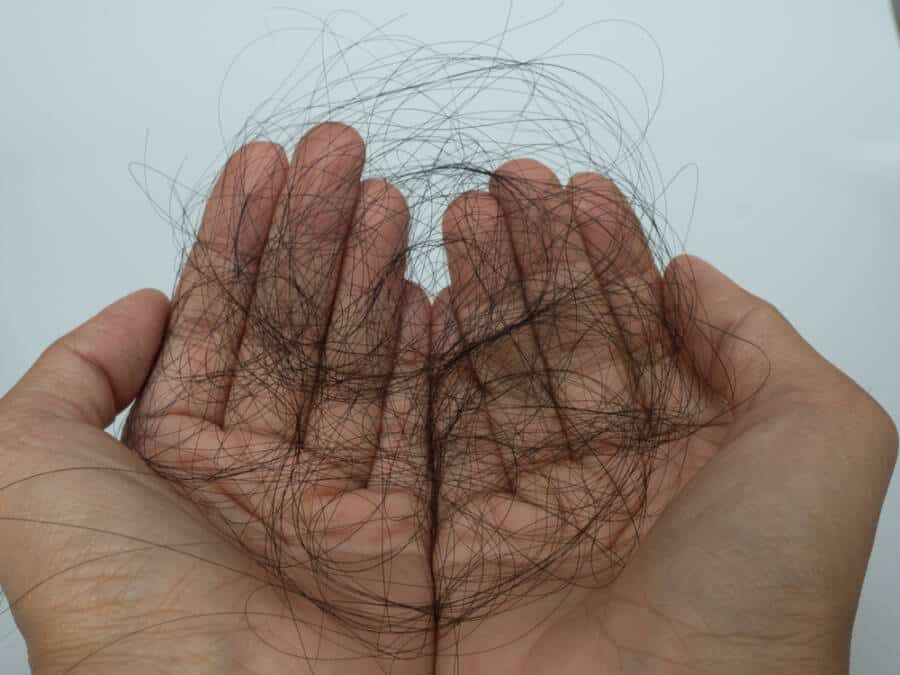
An unusual test yet very good to determine if you have protein deficiency or not is running fingers through your hair. In case you notice a significant amount of hair falling out with just a gentle tug, you may need to increase your daily protein intake.
Since protein makes up the majority of hair, it requires enough protein to develop and remain healthy and strong. The body will attempt to conserve protein levels and transition hair growth into a resting phase if it isn’t getting enough protein from your diet.
Swollen feet
Not many people know, but water retention (especially the one around feet and ankles) is caused by protein deficiency. Insufficient levels of protein in the body can allow salt and water to leak into the surrounding tissues since proteins are the major help keeping these fluids in blood vessels.
Edema, or swelling of the lower body, causes uncomfortable bloating and since this condition isn’t always caused by a lack of protein, if you see this occurring frequently, you should ask your doctor to run some tests.
Skin issues
An insufficiency of protein can occasionally cause flaky dermatitis or skin irritation, particularly on the glutes and backs of the thighs. Same as edema, your diet might not be the only factor that makes your skin vulnerable to allergens, so it’s better to consult a doctor as well.
To prevent serious health issues due to insufficient protein intake, we’re here to help you develop life-changing healthy habits.
Swap cereals with eggs
We get it! Everyone is busy, and most of the time breakfast is completely avoided. However, if you want to boost your protein intake, it’s a good idea to wake up a bit earlier than usual to make sure you eat your first meal of the day.
Nutritionists recommendation is to swap cereals with eggs or oatmeal. Why? For example, one cup of oatmeal provides 5 grams of protein, and an omelet made of 3 large eggs has around 20 grams of protein. Since you will feel full for many hours, you will also avoid munching on random stuff until lunch.
Have one or two protein shakes per day
You probably heard a lot of things like “too much protein will damage your kidneys!” or “Yikes, that protein shake is so bad for you!”. Well, none of these are true. These are just myths, and as usual, we’re here to debunk them. If you have protein deficiency is recommended to consume one or two protein shakes per day, and if you also work out regularly up to three per day.
Compared to a glass of smoothie, for example, one scoop of protein powder has 17 grams of protein. Super easy to make; just throw a full scoop in a shaker, add water (around 8 oz), shake it well, and voila, your chock-full of protein drink is ready. If you don’t like the taste of it with plain water, you can switch to a milk of your choice for an extra boost of protein. Add crushed ice if it’s summer.
Looking for some good-quality protein powder that will help you keep the protein deficiency as far away as possible? Try the ones from Levels Nutrition Store, with a plethora of flavors available so you can choose your favorite.
Add 30 or 40 grams of protein at each meal
It may sound a bit much, but it’s doable if you add fish, poultry, meat of your choice (maybe veal since it’s less fatty than pork), eggs, grilled veggies, and if you are a vegan or vegetarian, indulge yourself with tofu, tempeh, or soy products. Just make sure that the chunk of meat has a considerable size compared to what you have on the side.
If you’re in a hurry and you don’t have time to do meal prep, canned fish are also a great choice. A 3.5 oz. can of canned tuna, for example, contains 19 grams of protein and under 100 calories.
Indulge with edamame
Whenever you feel like munching on something, try edamame. One cup (155 g) of edamame provides 188 calories and 18.4 g of protein and is an excellent source of antioxidants. Eat it as a snack or mix it with rice, stews, salads, and stir-fries.
How many grams of protein do you consume per day? Tell us in the comments.
Looking to boost your energy levels? Check out what supplements can help you out!






Leave a Reply