

Protecting your central vision starts with recognizing the subtle changes your eyes undergo long before significant impairment occurs. Age-related macular degeneration alters the macula—the part of your retina responsible for sharp, straight-ahead vision—and catching it in its earliest stage opens the door to effective interventions. As we age, prioritizing eye health becomes just as crucial as managing blood pressure or cholesterol, yet many ignore minor visual shifts as normal aging. Understanding the quiet warnings your eyes give can prevent irreversible vision loss and preserve your independence. Learn exactly what to watch for and how proactive care, nutrition, and lifestyle adjustments can safeguard your sight for the long haul.
The Science Snapshot Behind Macular Degeneration
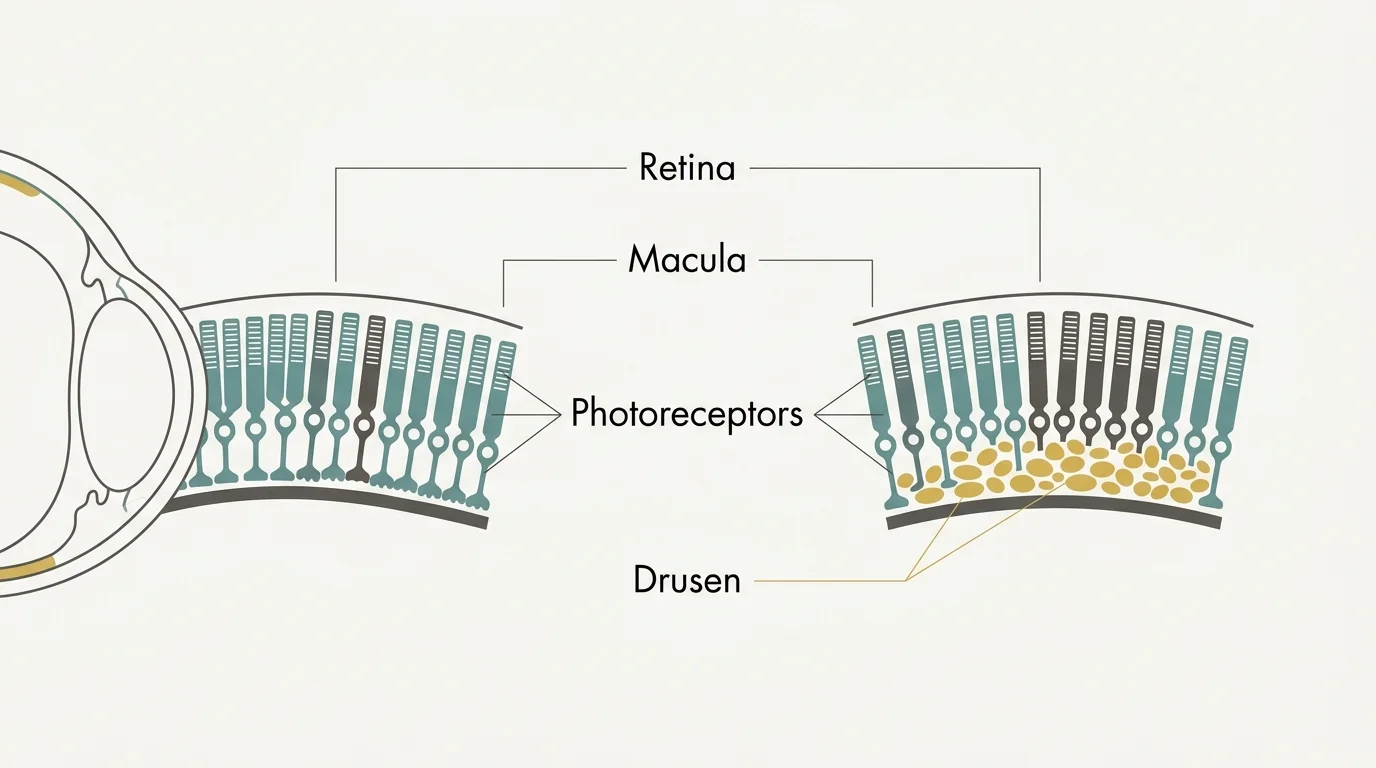
Age-related macular degeneration represents a leading cause of vision loss among older adults globally, according to data from the World Health Organization, fundamentally changing how you perceive the world directly in front of you. The disease primarily targets the macula, a small but vital oval-shaped area near the center of the retina. When you look directly at a person, read a book, or drive a car, you rely on the macula to deliver sharp, detailed images to your brain. Scientists categorize this condition into two main types: dry and wet. The dry form accounts for the vast majority of cases and develops gradually as aging thins the macular tissues and yellow protein deposits called drusen accumulate under the retina.
Researchers note that early-stage dry macular degeneration often presents with medium-sized drusen but no immediate vision loss. As the condition advances, these deposits grow and disrupt the delicate photoreceptor cells. The wet form occurs less frequently but causes more rapid damage when abnormal blood vessels leak fluid into the macula. Clinical data shows a strong genetic component to the disease, but environmental factors play a massive role in its progression. According to research published by the National Eye Institute, mitigating lifestyle risks can significantly slow the advance of macular degeneration, underscoring the absolute necessity of early detection.

7 Subtle Signs of Vision Loss From Macular Degeneration
Because the earliest stages of macular degeneration often unfold without pain or drastic changes, you must remain vigilant for minor disruptions in your visual field. Paying attention to these seven subtle signs can prompt you to seek timely medical care and implement protective strategies before irreversible damage occurs.
Straight Lines Appearing Wavy or Distorted
One of the earliest and most classic indicators of macular degeneration is a symptom known as metamorphopsia, where straight lines suddenly look bent, crooked, or wavy. You might notice this distortion when looking at the edge of a doorframe, a telephone pole, or the horizontal slats of window blinds. This optical illusion happens because fluid or tissue changes physically elevate and distort the normally flat surface of the macula. If you observe lines bending in the center of your vision while the peripheral edges remain perfectly straight, you need to schedule a comprehensive eye examination immediately.
Mild Blurriness in Central Vision
A slight blurring of printed words or the center of an image frequently serves as an early warning sign. Unlike the generalized blurriness caused by needing reading glasses or developing cataracts, this specific haze isolates itself entirely to your direct line of sight. You might find that the letters in the middle of a word look smudged, while the letters on the outside remain crisp and legible. This blurriness typically starts so subtly that your brain actively compensates for it, especially if only one eye is affected; testing each eye individually by covering the other can reveal hidden deficits.
Difficulty Adapting to Low Light Levels
Your macula contains a high concentration of cone cells responsible for high-resolution and color vision, but the surrounding retina relies on rod cells to navigate dim environments. As macular degeneration begins to disrupt the overall retinal architecture, transitioning from a bright sunny street into a dimly lit restaurant can become incredibly disorienting. You might notice that your eyes take significantly longer to adjust to the dark than they used to, or that you struggle to navigate your home at night without turning on every overhead light. This delayed dark adaptation signals early cellular stress within the retina.
Needing Increasingly Brighter Light for Reading
If you find yourself constantly reaching for a stronger reading lamp or moving much closer to a light source to decipher a menu or a book, your macula might be struggling. Early macular degeneration diminishes the biological efficiency of your retinal cells, forcing them to require more photons to register a clear image. People frequently dismiss this need for brilliant illumination as a standard, unavoidable part of growing older. However, an insatiable demand for direct, bright task lighting to perform up-close activities warrants a thorough evaluation by an eye care professional.
Colors Looking Less Vibrant or Washed Out
The cone cells in your macula handle your ability to perceive the rich, dynamic spectrum of colors. When protein deposits or fluid begin to damage these delicate photoreceptors, your color vision inevitably suffers. You might notice that familiar objects appear faded, or that differentiating between closely related shades—like dark navy blue and black—becomes surprisingly difficult. A vibrant red apple might look dull, muted, or slightly brown. Because this fading occurs so gradually, you might not realize your color perception has shifted until a doctor formally tests it during a clinical exam.
Trouble Recognizing Faces From a Distance
Human interaction heavily relies on recognizing facial features, an intricate task managed entirely by your central vision. As macular degeneration encroaches on the macula, the specific details required to identify a friend across the room or a relative walking down the street begin to vanish. You might see the outline of the person clearly using your peripheral vision, but their face may appear blurred, distorted, or obscured by a shadow. Struggling to recognize familiar faces until they are standing right in front of you represents a significant functional impact of early macular disease.
A Hazy or Dark Spot in Your Field of Vision
While an advanced stage of macular degeneration often presents as a pronounced, empty black spot in the center of your sight, the earliest stages might manifest as a faint, translucent shadow or a small smudge. You might feel as though you have a speck of dirt on your glasses or a persistent floater stuck right in the middle of your visual field. This localized haze results from a cluster of damaged cells in the macula failing to transmit visual data to the optic nerve. Monitoring the size and density of this spot provides critical diagnostic information for your ophthalmologist.
Strategy Pillars to Protect Your Vision
Recognizing the subtle signs of visual decline empowers you to take decisive action. By implementing structured lifestyle and medical strategies, you can foster optimal retinal health and potentially slow the progression of age-related eye conditions.
Medical Care and Consistent Monitoring
Your primary defense against progressive vision loss involves scheduling regular comprehensive dilated eye exams. During these visits, an eye care specialist can detect the microscopic drusen associated with early macular degeneration long before you notice symptoms. Between appointments, you can monitor your own visual acuity using an Amsler grid—a simple paper grid pattern with a dot in the middle. By looking at the dot with one eye at a time, you can quickly identify any wavy, broken, or missing lines. Promptly reporting these changes to your doctor enables them to adjust your care plan, which may include referring you to a retinal specialist for advanced imaging. You can find comprehensive guidelines on early detection protocols through the American Academy of Ophthalmology. Furthermore, access to routine eye care often depends on your geographical location and health coverage; exploring community health clinics or state-sponsored vision programs is essential if insurance poses a barrier.
Nutrition for Retinal Resilience
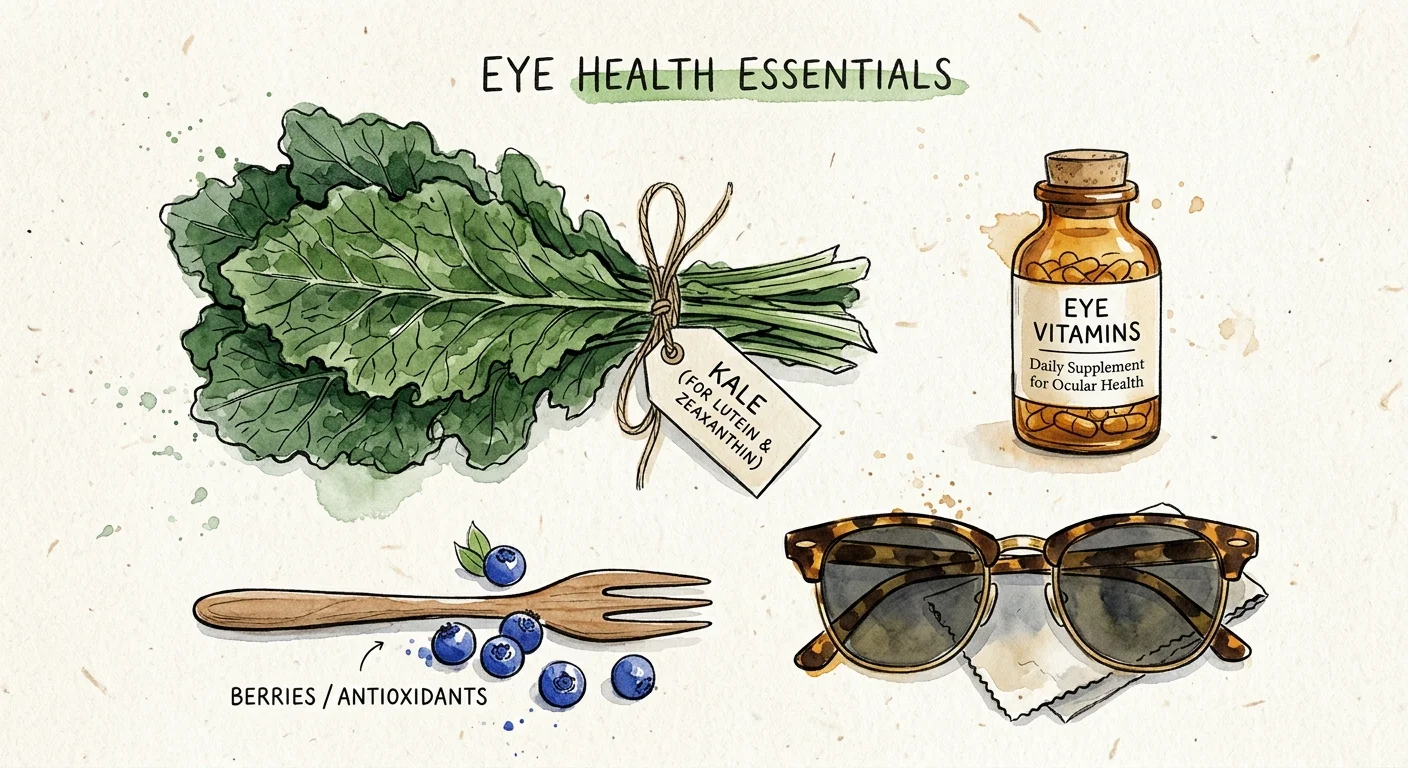
What you put on your plate directly impacts the intricate vascular network inside your eyes. To support the macula, based on general wellness recommendations supported by the Centers for Disease Control and Prevention, focus on integrating high levels of antioxidants, vitamins, and minerals into your daily meals. Dark leafy greens like spinach, kale, and Swiss chard provide abundant lutein and zeaxanthin—two potent pigments that naturally accumulate in the retina and filter out damaging ultraviolet light. Additionally, consuming cold-water fatty fish such as salmon, mackerel, and sardines delivers omega-3 fatty acids essential for maintaining retinal cell integrity. While fresh seafood and organic greens offer tremendous benefits, frozen or canned options provide comparable nutrient density at a more accessible price point for varying budgets. In cases where dietary intake falls short, your doctor might recommend a specific formulation of high-dose vitamins based on clinical studies.
Movement and Cardiovascular Connections
Your eyes depend on a robust, highly efficient blood supply to deliver oxygen and sweep away cellular waste. Therefore, any condition that compromises your cardiovascular system—such as high blood pressure, elevated cholesterol, or a sedentary lifestyle—simultaneously threatens your vision. Engaging in regular, moderate aerobic exercise helps maintain flexible blood vessels and steady blood pressure, echoing the wellness guidelines of the American Heart Association, which indirectly protects the fragile capillaries nourishing your macula. Furthermore, smoking introduces massive amounts of oxidative stress and constricts blood vessels, making it the most significant modifiable risk factor for macular degeneration. Partnering with a healthcare provider to quit smoking and establish a safe movement routine offers profound, measurable benefits for your long-term sight.
Mindset and Adapting to Vision Changes
Receiving a diagnosis related to vision loss often triggers anxiety and deep fear regarding a loss of independence. Cultivating a proactive mindset transforms how you navigate this journey. Focus on practical adaptations within your living space, such as utilizing high-contrast labels in your kitchen, investing in specialized task lighting, and leveraging audiobooks or screen-reading software. Acknowledging the emotional toll of visual changes is equally important. Seeking support from counselors who specialize in chronic health conditions or joining a local vision support group can alleviate isolation and equip you with actionable, day-to-day coping mechanisms.

Real Voices in Eye Health
Clinical guidance becomes much more resonant when viewed through the lens of lived experience and expert observation. Retinal specialists frequently emphasize that patient awareness dramatically changes clinical outcomes. Many ophthalmologists note that patients who proactively use an Amsler grid at home catch wet macular degeneration in its absolute infancy, allowing for swift, sight-saving medical injections. They urge you not to wait for your annual exam if something feels off; a delay of even a few weeks can permanently alter your visual prognosis.
Individuals living with early-stage macular degeneration often echo this sentiment, stressing the supreme importance of self-advocacy. Many report that their first symptom was merely a struggle to thread a needle or a frustrating inability to read the scrolling sports ticker on television. By acknowledging these small frustrations rather than dismissing them as mere fatigue or normal aging, they accessed crucial lifestyle interventions and nutritional counseling early. Their stories highlight that paying precise attention to the minutiae of your vision gives you the ultimate power to preserve it.
Frequently Asked Questions About Macular Degeneration
Can early macular degeneration be reversed?
Currently, medical science cannot reverse the physical cellular damage caused by age-related macular degeneration. However, detecting the condition in its earliest stages allows you to make vital lifestyle and dietary changes that can significantly slow or even halt its progression. Your doctor will focus entirely on preservation and maximizing your remaining vision rather than a complete cure.
Are specialized vitamins necessary for everyone with the condition?
Not everyone benefits from the high-dose antioxidant formulas commonly known as AREDS2 supplements. Clinical trials indicate these specific vitamins primarily help individuals with intermediate or advanced macular degeneration in one or both eyes. You must consult your ophthalmologist before starting any high-dose supplement regimen, as inappropriate use will not prevent the disease and may carry other systemic health risks.
Does looking at screens cause macular degeneration?
While staring at digital devices for prolonged periods undoubtedly causes eye strain, dry eyes, and mental fatigue, current scientific evidence does not link screen time or blue light from consumer computers to the physical development of age-related macular degeneration. The primary risk factors remain advanced age, genetics, a history of smoking, and poor cardiovascular health.
How quickly does vision loss occur once symptoms begin?
The progression timeline varies drastically from person to person. The dry form generally progresses quite slowly over several years, allowing ample time for adaptation and lifestyle changes. Conversely, if the disease shifts to the wet form, severe central vision loss can occur rapidly—sometimes within a matter of weeks or months—making immediate medical evaluation of any new visual symptoms absolutely critical.
Your Next Step Toward Better Eye Health
Safeguarding your central vision does not require an overnight lifestyle overhaul; it simply demands a heightened awareness of your body and a commitment to routine preventative care. If you have not had a comprehensive dilated eye exam in the past year, make scheduling that appointment your primary goal for this week. As you move forward, reflect on your daily habits and consider how incorporating an extra serving of leafy greens or taking a brisk evening walk might serve both your heart and your eyes. Your vision is an invaluable asset. Take the necessary steps today to ensure it remains sharp, vibrant, and clear for all the seasons ahead.









Leave a Reply