
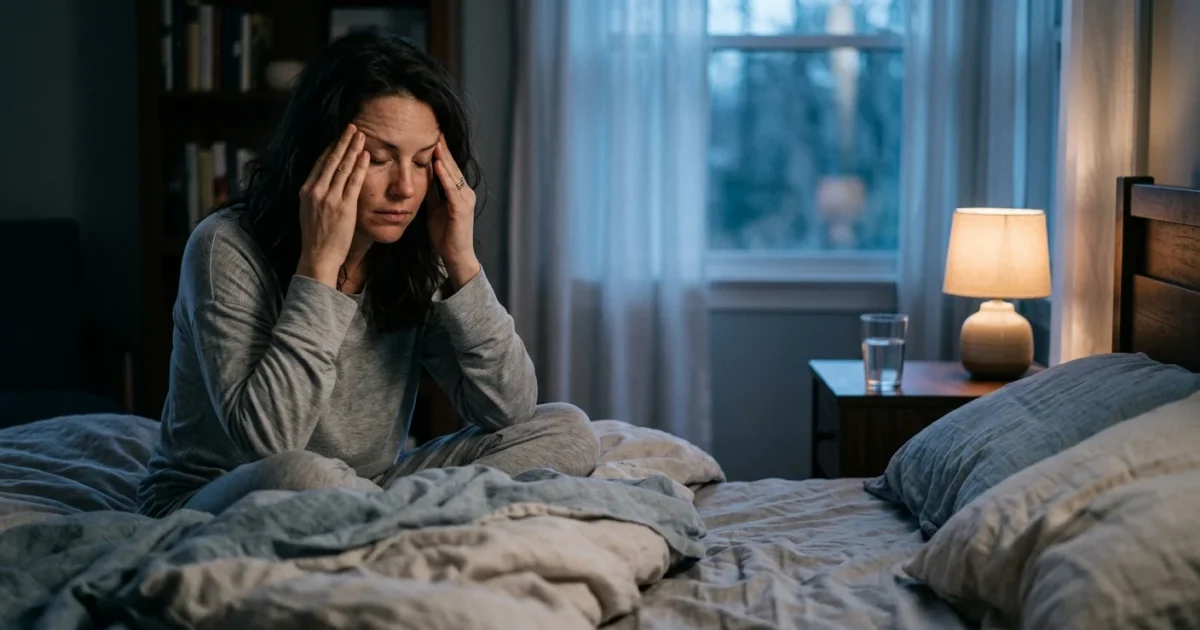
You can identify life-threatening sleep apnea and restore your daytime energy even if you never make a sound at night. While most people associate obstructive sleep apnea with disruptive snoring, millions live with subtle, systemic warning signs that quietly undermine their cardiovascular health, mental clarity, and metabolic function. Breathing cessations fragment your sleep architecture without fully waking your conscious mind, leaving you exhausted despite spending eight hours in bed. Recognizing these hidden signals allows you to pursue an accurate diagnosis and prevent long-term complications like stroke and heart disease. Here is what your body is trying to tell you each night.
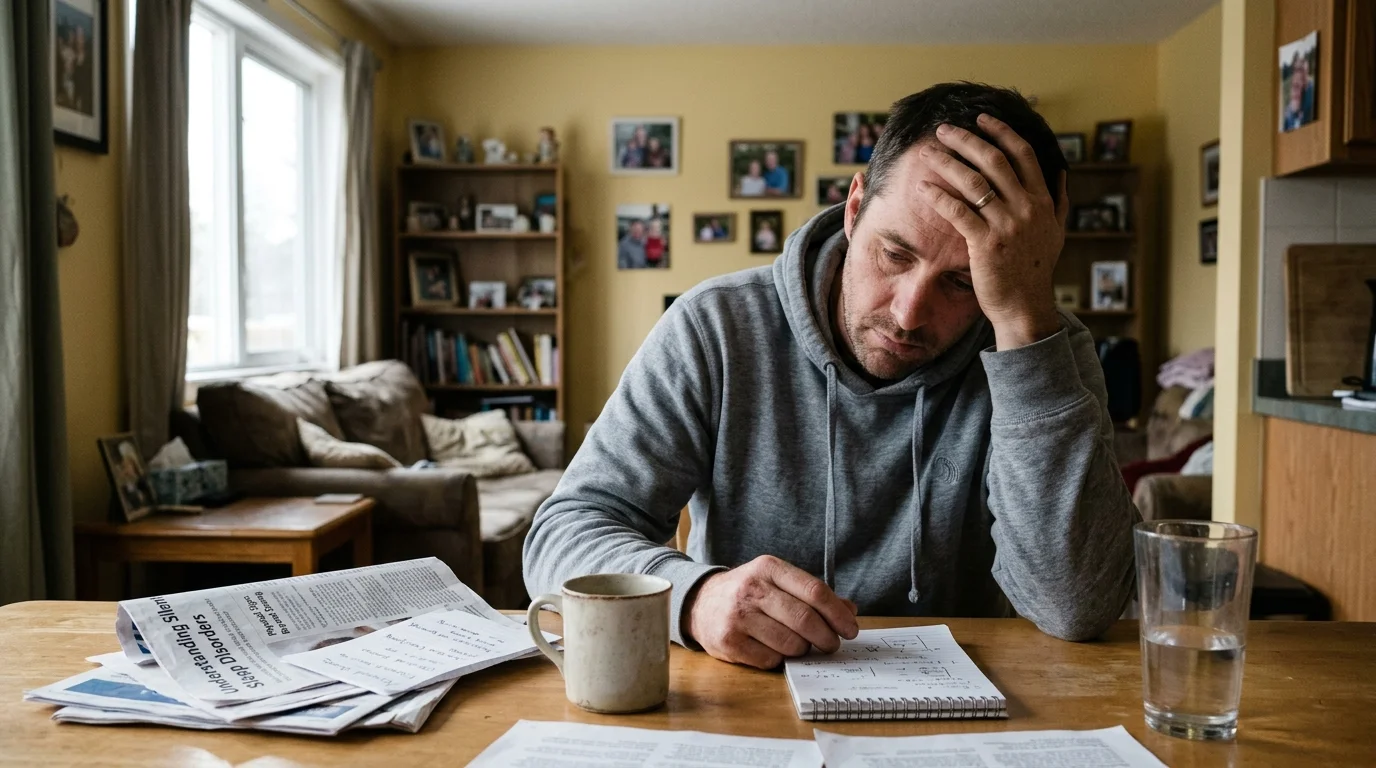
The Hidden Epidemic of Silent Airway Collapse
According to the American Academy of Sleep Medicine, nearly 30 million adults in the United States live with obstructive sleep apnea, yet approximately 80% of these cases remain undiagnosed. Across the globe, researchers estimate that 936 million adults between the ages of 30 and 69 experience mild to severe airway obstruction during sleep. This diagnostic blind spot creates a staggering societal toll; untreated sleep apnea costs the United States economy approximately $149.6 billion annually through lost workplace productivity, motor vehicle accidents, and chronic disease management.
Clinicians evaluate the severity of sleep apnea using the Apnea-Hypopnea Index, which measures the number of breathing pauses or shallow breathing episodes lasting at least ten seconds per hour of sleep. An index score between 5 and 14.9 indicates mild apnea; a score between 15 and 29.9 represents moderate apnea; and a score of 30 or higher signifies severe disease. When you rely exclusively on loud snoring as the universal warning sign, you risk overlooking dangerous airway collapse that quietly damages your vascular and nervous systems.

7 Crucial Signs of Sleep Apnea Beyond Snoring
1. Frequent Nighttime Urination (Nocturia)
Waking up two or more times each night to use the bathroom frequently points to an airway obstruction rather than a primary bladder or prostate problem. When your upper airway collapses, your diaphragm and chest wall continue to struggle against the closed airway, creating powerful negative pressure inside your chest cavity. This mechanical force draws extra blood into your heart chambers, stretching the atrial walls and tricking your heart into sensing fluid overload. In response, your heart releases atrial natriuretic peptide—a hormone that signals your kidneys to excrete water and sodium rapidly. Between 50% and 75% of untreated sleep apnea patients experience this nocturnal urinary surge, which resolves once airway patency is restored.
2. Persistent Morning Headaches
Waking with a dull, throbbing sensation across your forehead or temples serves as a classic indicator of nocturnal respiratory distress. As repeated airway blockages interrupt your normal ventilation, carbon dioxide accumulates in your bloodstream—a state known clinically as hypercapnia. Simultaneously, your blood oxygen saturation drops to abnormally low levels. The combination of carbon dioxide retention and oxygen deprivation forces cerebral blood vessels to dilate rapidly to protect your brain tissue. This sudden vascular dilation increases intracranial pressure, producing painful morning headaches that typically dissipate within thirty to sixty minutes of upright, waking respiration.
3. Treatment-Resistant High Blood Pressure
When nocturnal airway collapse cuts off your oxygen supply, your central nervous system triggers an acute survival response, flooding your bloodstream with adrenaline and cortisol. These repeated surges cause immediate vasoconstriction and elevate your heart rate dozens of times throughout the night. Over time, this chronic sympathetic overactivity damages your endothelial lining and resets your baseline vascular tone. The American Heart Association reports that up to 50% of people with hypertension—and up to 80% of individuals with drug-resistant hypertension requiring three or more medications—suffer from undiagnosed obstructive sleep apnea.
4. Severe Morning Dry Mouth and Teeth Grinding
Awakening with a parched mouth or a sore throat affects between 30% and 50% of individuals with sleep apnea due to obligatory mouth breathing when pharyngeal tissues collapse. Furthermore, many people unconsciously clench and grind their teeth throughout the night—a condition known as sleep bruxism. When your upper airway narrows, your brain stimulates the masticatory muscles, thrusting your lower jaw forward to mechanically reopen the collapsed airway space behind your tongue. This survival reflex protects your respiration but leaves you with flattened tooth enamel, cracked dental work, and sore jaw muscles in the morning.
5. Cognitive Fog, Memory Lapses, and Slower Processing
If you struggle to recall basic details, maintain concentration at work, or process complex information, sleep fragmentation may be impairing your prefrontal cortex. Obstructive sleep apnea causes dozens of micro-arousals every hour, wrenching you out of restorative slow-wave and rapid eye movement sleep without waking your conscious mind. This disrupted sleep architecture deprives your brain of critical opportunities to consolidate memories and clear neurotoxic waste through the glymphatic system, leaving you with severe daytime brain fog, sluggish reaction times, and executive dysfunction.
6. Atypical Mood Changes, Anxiety, and Depression
Chronic nocturnal oxygen deprivation and non-restorative rest disrupt the delicate balance of neurotransmitters responsible for emotional regulation, including serotonin and dopamine. Research supported by the National Institutes of Health indicates that mood disturbances frequently serve as the primary warning sign in women, who are significantly less likely to present with stereotypical loud snoring. Because women more commonly report chronic daytime fatigue, emotional volatility, irritability, and depressive symptoms, healthcare providers frequently misdiagnose their underlying airway obstruction as generalized anxiety or primary clinical depression.
7. Sleep Maintenance Insomnia and Sudden Night Sweats
Many adults assume that difficulty staying asleep always stems from psychological stress or hormonal fluctuations, but airway collapse frequently mimics middle-of-the-night insomnia. When your airway closes and your oxygen level plummets, your nervous system initiates a panic arousal characterized by a racing heart, sudden sweating, and an abrupt feeling of alertness at 2:00 AM or 3:00 AM. Because you may not consciously recall choking or gasping for air, you interpret this sudden awakening as simple insomnia, remaining completely unaware of the underlying respiratory trigger.

Clinical Perspectives: Why Snoring Is an Incomplete Marker
Board-certified sleep specialists frequently emphasize that evaluating airway health requires looking beyond audible snoring. Clinicians note that patients often spend years visiting urologists for nighttime urination, cardiologists for unyielding blood pressure, and psychiatrists for mood fluctuations before anyone assesses their nocturnal breathing. When airway tissues collapse silently without vibration, severe oxygen desaturation still takes place. Recognizing non-snoring indicators enables healthcare providers to intervene before structural cardiovascular remodeling, metabolic dysfunction, or stroke occurs.
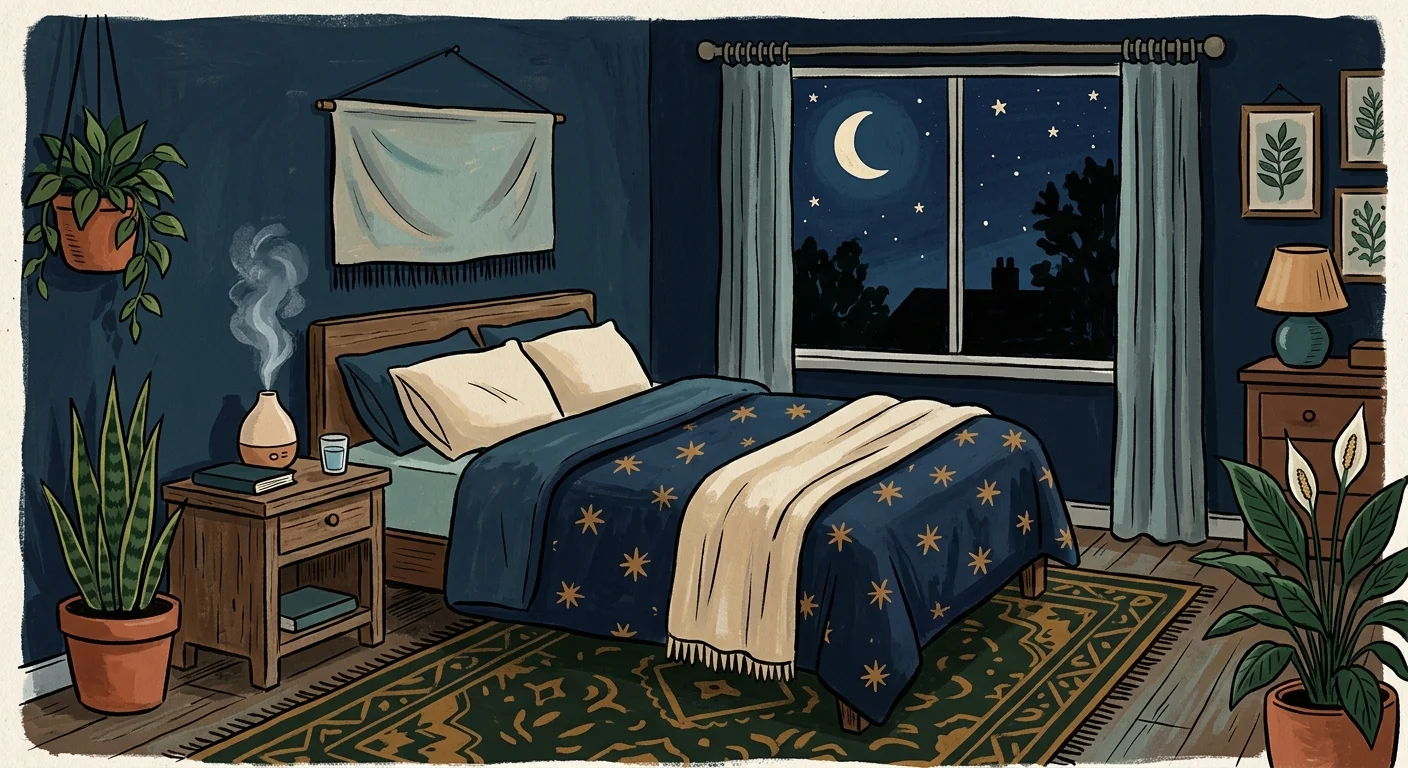
Actionable Strategies to Restore Healthy Sleep Architecture
1. Pursue Comprehensive Clinical Diagnostics
Schedule an evaluation with your primary care physician or a board-certified sleep specialist to discuss diagnostic testing. A home sleep apnea test monitors your respiratory effort, airflow, and blood oxygen levels in your own bed, making it a convenient initial screening tool. Alternatively, an in-lab polysomnography records comprehensive electroencephalogram data, sleep stages, muscle tone, and subtle arousals. Depending on your diagnosis, therapeutic options include continuous positive airway pressure therapy, custom mandibular advancement oral devices fitted by a dental sleep specialist, or positional conditioning.
2. Optimize Nutrition and Reduce Nocturnal Fluid Shifts
Adopt an anti-inflammatory dietary pattern centered on whole vegetables, lean proteins, and omega-3 fatty acids to minimize soft tissue swelling along your upper airway. Moderate your evening sodium intake, as excess dietary salt promotes fluid retention that migrates upward into your neck tissues when you lie flat, increasing airway collapsibility. Furthermore, eliminate alcohol consumption at least four hours before bedtime; alcohol acts as a potent muscle relaxant that paralyzes the upper airway dilator muscles and dramatically increases breathing pauses.
3. Implement Positional Therapy and Myofunctional Exercises
Sleeping flat on your back allows gravity to pull the base of your tongue and soft palate backward against the rear pharyngeal wall. You can utilize contoured side-sleeping pillows, wedge cushions, or specialized wearable positional devices to encourage continuous lateral sleeping. Additionally, practice daily myofunctional therapy—targeted isometric exercises for your tongue, soft palate, and facial muscles. Clinical trials demonstrate that regular oropharyngeal training strengthens upper airway tone, reducing the severity of airway collapse without invasive procedures.
4. Regulate Your Nervous System and Sleep Environment
Counteract the chronic sympathetic stress caused by nocturnal oxygen drops by practicing intentional nervous system regulation. Maintain a consistent sleep schedule by waking up at the exact same hour every morning to reinforce your master circadian pacemaker. Spend thirty minutes before bed in dim lighting engaging in slow diaphragmatic breathing to stimulate vagal tone and down-regulate stress hormones. Keep your sleeping environment dark, silent, and cool—ideally between 60 and 67 degrees Fahrenheit—to support uninterrupted deep sleep cycles.
Frequently Asked Questions About Sleep Apnea
Can you develop sleep apnea if you maintain a normal body weight?
Yes. While excess adipose tissue around the neck increases airway collapsibility, structural anatomy plays an equally critical role in sleep-disordered breathing. Individuals with narrow dental arches, a recessed lower jaw, enlarged tonsils, a high-arched hard palate, or a genetically thick neck circumference can develop severe obstructive sleep apnea regardless of body mass index. Lean and athletic individuals frequently suffer from undiagnosed sleep apnea because they assume their weight protects them from the condition.
How does a home sleep test compare to an in-lab sleep study?
A home sleep apnea test offers a practical, cost-effective way to evaluate respiratory effort, blood oxygen saturation, and airflow in your normal sleeping environment. However, home monitors do not measure brain wave activity or direct sleep stages. An in-lab polysomnography remains the clinical gold standard, capturing detailed electroencephalogram data, sleep architecture, periodic limb movements, and subtle respiratory effort-related arousals that home tests often miss.
Why are women diagnosed with sleep apnea less frequently than men?
The Centers for Disease Control and Prevention notes that historical diagnostic criteria focused predominantly on male symptom patterns like thunderous snoring. Women more commonly present with atypical signs, including morning headaches, insomnia, restless legs, daytime fatigue, and mood changes. Furthermore, upper airway collapsibility increases significantly during perimenopause and menopause, yet healthcare providers frequently attribute these emerging symptoms purely to hormonal shifts rather than airway dysfunction.
Can holistic lifestyle changes completely cure sleep apnea?
Holistic lifestyle modifications such as weight loss, smoking cessation, lateral sleep positioning, and myofunctional exercises can significantly lower your Apnea-Hypopnea Index, especially in mild cases. However, underlying anatomical narrowness and genetic airway traits often prevent lifestyle modifications alone from fully resolving moderate-to-severe disease. You should treat lifestyle improvements as essential complementary therapies alongside professional medical interventions rather than an unmonitored substitute for clinical airway care.
Taking Your First Step Toward Restorative Rest
Recognizing the subtle warning signs of sleep apnea empowers you to protect your cardiovascular health and reclaim your daily energy. If you experience two or more of the symptoms discussed above, track your morning headaches, energy levels, and nocturnal awakenings in a dedicated sleep journal for one week. Bring these observations to your primary healthcare provider to request an objective airway screening. Restoring your airway health sharpens your mental clarity, stabilizes your blood pressure, and renews your vitality. Take a moment today to reflect on how much your focus, mood, and daily wellbeing will improve once you achieve truly restorative, uninterrupted sleep.







Leave a Reply