

Waking up soaked in sweat forces you to strip away heavy blankets and wonder if your bedroom thermostat failed, yet persistent nocturnal drenching often signals internal physiological shifts rather than external heat. While occasional overheating from a heavy duvet is harmless, true night sweats regularly saturate your sleepwear and sheets, disrupting your sleep architecture and straining your body’s autonomic thermoregulation system. Identifying the underlying trigger transforms panic into proactive healthcare, enabling you to address potential endocrine, infectious, or cardiovascular conditions early. By evaluating your symptom patterns alongside specific red flags, you can confidently distinguish a warm bedroom from a critical medical warning sign and take precise action with your physician.
The Physiology of Night Sweats: What Happens Inside Your Body
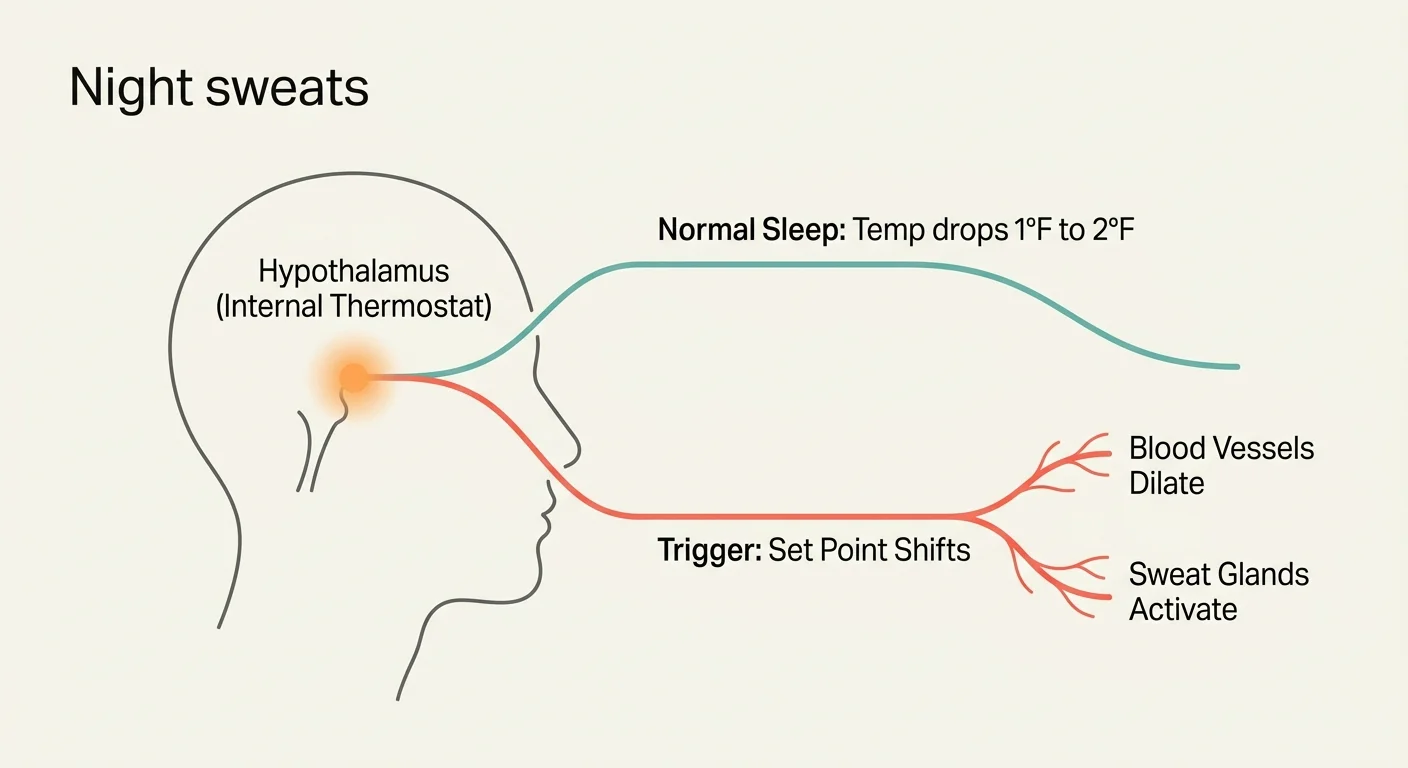
Your hypothalamus acts as your internal thermostat, continually adjusting your core body temperature through delicate neural and hormonal feedback loops. During normal sleep stages, your core temperature naturally drops by one to two degrees Fahrenheit to promote cellular repair and deep, restorative rest. However, underlying medical conditions can disrupt this central mechanism, tricking your brain into sensing hyperthermia when your surroundings are perfectly cool.
When your thermoregulatory set point shifts unexpectedly, your central nervous system triggers a rapid heat-clearing response; peripheral blood vessels dilate, your heart rate increases, and sweat glands activate to expel extra heat. Clinical studies published by the American Academy of Family Physicians reveal that while night sweats frequently stem from benign triggers like environmental heat or mild stress, recurrent drenching sweats warrant medical evaluation to rule out system-wide physiological stress. Understanding how metabolic pathways, immune responses, and hormone levels interact helps you identify when your body is sending an urgent warning signal.
8 Warning Signs That Demand Medical Attention
Distinguishing between simple ambient overheating and a systemic health issue requires careful observation of accompanying symptoms. When night sweats occur alongside structural shifts in your physical health, you must look deeper into potential medical causes.
1. Unexplained Weight Loss Alongside Nocturnal Sweating
If you are shedding pounds without changing your diet or exercise routine, drenching night sweats become a priority medical concern. Unintentional weight loss—defined clinically as losing more than five percent of your body weight over six to twelve months—signals high metabolic expenditure. Malignancies such as lymphoma, as well as chronic infections, accelerate your baseline metabolic rate, driving up core temperature during the night. Research highlighted by the Mayo Clinic underscores that night sweats paired with unexplained weight loss require comprehensive blood work and medical imaging to identify systemic inflammation or cellular changes.
2. Persistent High Fevers or Drenching Chills
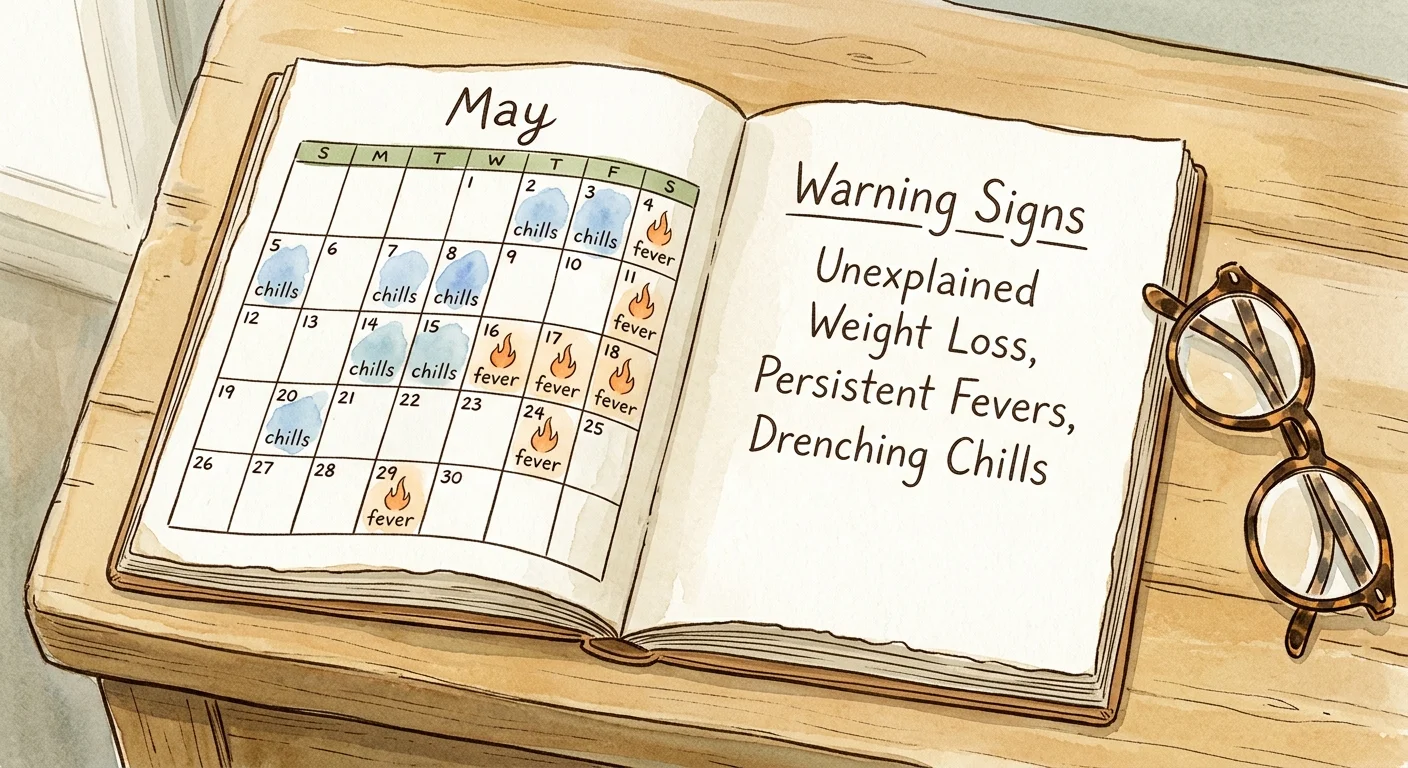
Waking up drenched in sweat after experiencing intense, localized chills or afternoon fevers points directly toward an active immune response. Your body raises its temperature set point to fight off invading pathogens, triggering intense sweating when the fever breaks during sleep. Conditions like bacterial endocarditis, tuberculosis, and occult abscesses frequently present with cyclical fever patterns that peak at night. Guidance from the Centers for Disease Control and Prevention emphasizes that persistent nocturnal fevers, especially when accompanied by shivering, demand prompt medical diagnostic workups to rule out serious chronic or acute infections.
3. Unexplained Swollen Lymph Nodes
Palpating firm, enlarged, or non-tender lymph nodes in your neck, armpits, or groin alongside night sweats serves as a primary red flag. Your lymphatic system filters cellular waste and houses immune cells that fight disease. When lymph nodes swell without an obvious viral illness—such as a common cold or sinus infection—and remain enlarged for several weeks, your immune system may be reacting to deeper pathology. Oncologists and hematologists frequently monitor night sweats, unexplained fever, and painless lymphadenopathy as classic systemic symptoms that require thorough diagnostic evaluation.
4. Severe Fatigue That Restorative Sleep Does Not Relieve
Experiencing profound, bone-deep exhaustion despite spending eight hours in bed indicates that your night sweats are severely disrupting your non-REM sleep cycles. When sweating repeatedly wakes you, your brain cannot complete essential memory consolidation and physical repair processes. Chronic exhaustion combined with nighttime drenching can also point to underlying autoimmune disorders, such as lupus or rheumatoid arthritis, where systemic inflammation drains cellular energy reserves and alters normal thermoregulation.
5. Chronic Cough, Shortness of Breath, or Chest Discomfort
Night sweats that coincide with a lingering cough, difficulty catching your breath, or chest pressure require urgent respiratory and cardiovascular evaluation. Pulmonary infections, fungal exposure, and granulomatous diseases like sarcoidosis frequently alter internal temperature controls while compromising lung tissue. If you notice persistent respiratory symptoms alongside drenched sheets, schedule an immediate consultation with your doctor to obtain chest radiographs and pulmonary function tests.
6. Irregular Menstrual Cycles or Severe Hormonal Fluctuations
Hormonal transitions represent one of the most common causes of nocturnal thermoregulatory instability, particularly during perimenopause and menopause. As estrogen levels fluctuate and eventually drop, the hypothalamus becomes excessively sensitive to minor temperature changes, triggering sudden vasodilation and heavy sweating. Resources from the National Institute on Aging note that while these hormonal fluctuations are natural, severe night sweats that impair sleep quality can be managed effectively through targeted lifestyle modifications, non-hormonal therapies, or hormone replacement under medical supervision.
7. Daily Dependence on Specific Medications or Recent Prescription Changes
Certain prescription medications directly alter central neurotransmitters or peripheral blood vessels, inducing heavy sweating during sleep. Antidepressants, particularly selective serotonin reuptake inhibitors (SSRIs), increase sweat production in up to fourteen percent of patients by stimulating hypothalamic serotonin receptors. Blood pressure medications, diabetes treatments like insulin, and hormone therapies can similarly trigger nocturnal hypoglycemia or altered sweat responses. Reviewing your medication list with your pharmacist or physician can pinpoint pharmaceutical culprits and allow for safe adjustments.
8. Significant Daytime Anxiety, Heart Palpitations, or Tremors
If you experience racing heartbeats, internal tremors, and heightened anxiety throughout the day alongside night sweats, your endocrine system may be overproducing hormones. An overactive thyroid gland, known as hyperthyroidism, accelerates your metabolism, raising your baseline temperature and forcing your body to sweat excessively to release excess heat. The Endocrine Society highlights that endocrine imbalances frequently manifest through autonomic arousal symptoms, making blood tests like thyroid-stimulating hormone (TSH) panels vital for an accurate diagnosis.

Actionable Pillars for Managing and Resolving Night Sweats
Addressing persistent night sweats requires a multi-faceted approach that combines clinical diagnosis, environmental adjustments, and metabolic support. By implementing structured strategies across three primary pillars, you can systematically investigate root causes while optimizing your sleep environment.
Pillar 1: Comprehensive Medical Audits and Clinical Diagnostics
Your first step involves gathering precise clinical data to share with your healthcare provider. Keep a detailed seven-day tracking journal that records room temperature, sleepwear materials, evening meal timing, and the exact severity of your sweating episodes. Request a foundational lab panel from your physician, including a complete blood count, thyroid function tests, inflammatory markers such as C-reactive protein, and fasting glucose levels. These objective metrics help your medical team identify underlying infections, metabolic dysfunction, or hormonal shifts rapidly.
Pillar 2: Thermoregulatory Sleep Environment and Metabolic Support
Transforming your sleep environment creates an optimal thermal gradient that supports natural temperature drops. Set your bedroom thermostat between 60 and 67 degrees Fahrenheit, and invest in breathable, moisture-wicking bedding made from organic cotton, linen, or bamboo rather than synthetic polyester. Modify your evening nutrition by avoiding spicy foods, refined sugars, alcohol, and caffeine within four hours of bedtime; these substances dilate peripheral blood vessels and spike metabolic heat production, exacerbating nighttime sweating.
Pillar 3: Nervous System Regulation and Stress Management
Your autonomic nervous system directly controls your sweat glands through sympathetic nerve pathways. Chronic daytime stress elevates cortisol and adrenaline, keeping your nervous system in a hyper-aroused state that spills into your sleep hours. Engage in targeted stress-reduction techniques before sleep, such as diaphragmatic breathing, progressive muscle relaxation, or warm-water immersion two hours before bed. Lowering sympathetic drive calms hypothalamic signaling and reduces the likelihood of midnight flushing episodes.
Clinical Perspectives: What Experts Emphasize
Medical specialists stress the importance of contextualizing night sweats within your overall health trajectory rather than ignoring recurring symptoms. Board-certified internists frequently note that patients tolerate months of poor sleep and ruined bedding before seeking help, assuming that sweating is simply an inevitable sign of aging or ambient heat. Clinicians emphasize that while occasional sweating is entirely normal, any symptom that systematically interrupts rest or occurs alongside red-flag markers like unexplained weight loss or fever requires structured medical investigation. Partnering early with your primary care provider ensures that you identify treatable underlying conditions before they significantly compromise your quality of life.
Frequently Asked Questions About Night Sweats
How do I know if my night sweats stem from my mattress or room temperature?
Evaluate your immediate environment by reducing your thermostat to 65 degrees Fahrenheit, switching to breathable cotton sheets, and wearing lightweight sleepwear for three consecutive nights. If you continue to wake up drenched despite a cold, well-ventilated room, your sweating stems from an internal physiological trigger rather than external heat trapping.
Can stress and anxiety alone cause severe drenching night sweats?
Yes, acute psychological stress and chronic anxiety can trigger intense nocturnal sweating by activating your sympathetic flight-or-fight response during sleep. Stress hormones elevate heart rate and body temperature, leading to physical flushing; however, you should still consult a physician to rule out organic medical causes before attributing persistent night sweats solely to stress.
Which specific blood tests should my doctor order to evaluate my symptoms?
Your healthcare provider will typically begin with a complete blood count with differential, a comprehensive metabolic panel, thyroid-stimulating hormone levels, erythrocyte sedimentation rate, and C-reactive protein. Depending on your age and clinical history, they may also check hormone levels, such as follicle-stimulating hormone or testosterone, and order targeted infectious disease screenings.
When should night sweats prompt an immediate trip to urgent care or the emergency room?
Seek immediate medical care if your night sweats accompany high sudden fevers, stiff neck, severe chest pain, sudden shortness of breath, unexplained bruising, or severe confusion. These acute symptoms can signal rapidly progressing systemic infections or cardiovascular events that require urgent medical intervention.
Taking Your First Step Toward Restorative Sleep
Restoring peaceful, comfortable sleep begins with a single deliberate action today. Start by recording your sleep environment details and nightly symptoms in a simple journal tonight, creating an accurate log that empowers your doctor to tailor diagnostic testing. Take a moment to reflect: What subtle cues has your body been giving you during rest, and how can listening to those signals today transform your health tomorrow? Prioritizing your physiological wellbeing now lays the foundation for vibrant energy, deep recovery, and long-term vitality.






Leave a Reply