

Persistent physical discomfort often points to an overactive immune system misidentifying your healthy tissue as a threat. Recognizing these quiet warning signs early allows you to pursue targeted clinical care and halt progressive cellular damage before complications multiply.
Over one hundred autoimmune conditions exist today, yet their earliest manifestations consistently masquerade as common, everyday stress. Learning to distinguish normal fatigue from pathological immune activation puts control directly back into your hands.
This guide breaks down ten critical symptoms and offers practical, evidence-based steps to help you navigate diagnostic conversations with your medical provider.
The Biological Basis of Autoimmune Disease
According to the National Institutes of Health, autoimmune diseases affect roughly 8% of the United States population. Advocacy groups such as the Autoimmune Association estimate that up to 50 million Americans live with these complex disorders.
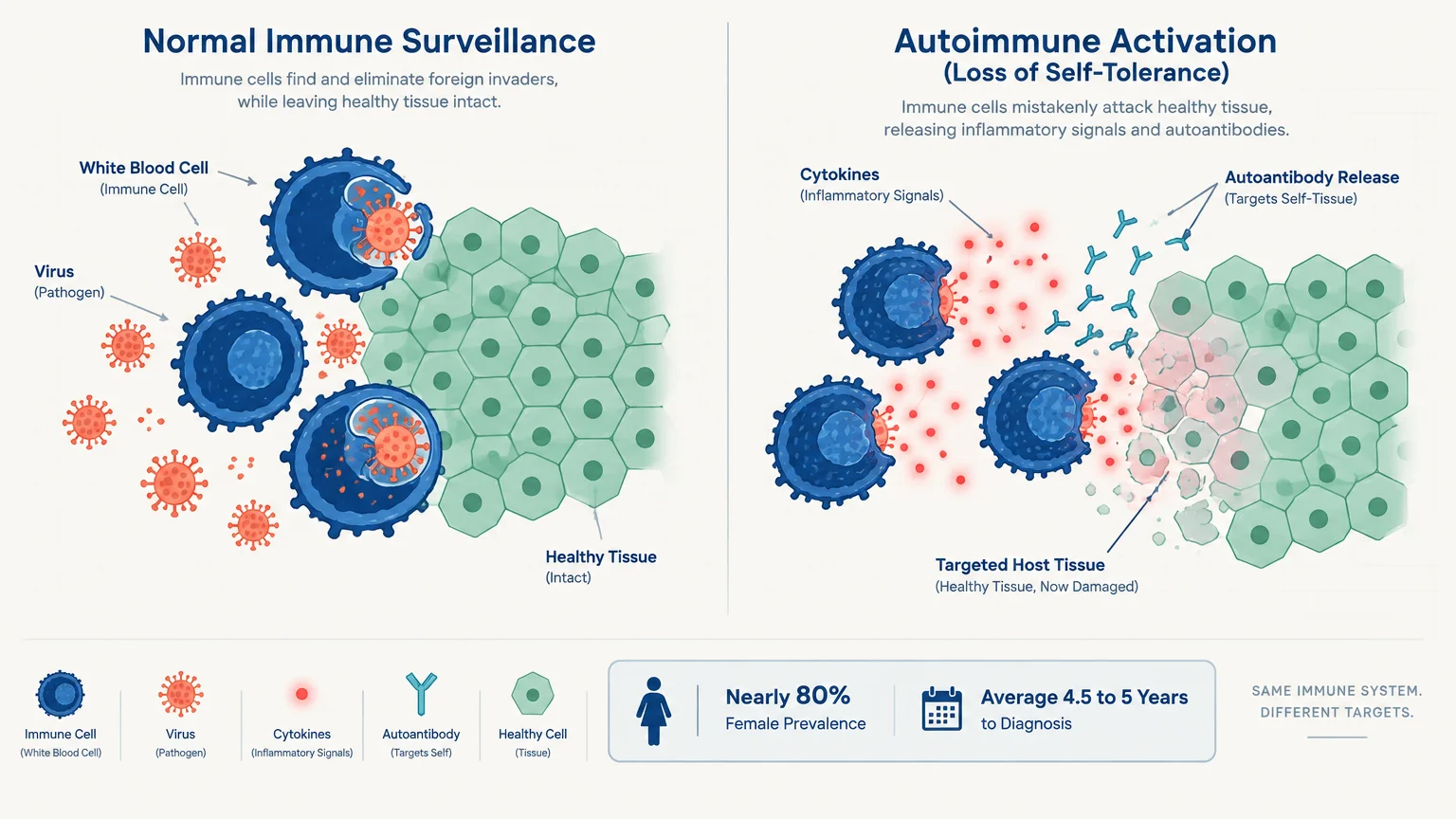
Your immune system relies on specialized white blood cells to neutralize pathogens and abnormal cells. In autoimmune conditions, this surveillance network loses self-tolerance and mistakenly directs inflammatory cytokines against your own healthy tissues.
Epidemiological records show that nearly 80% of individuals diagnosed with autoimmune disorders are female. Medical researchers identify sex hormones, epigenetic alterations, and X-chromosome genetics as primary drivers of this substantial disparity.
Patients spend an average of 4.5 to 5 years seeking an accurate diagnosis. During this prolonged journey, an individual typically consults four different healthcare providers because symptoms fluctuate and mimic other routine health conditions.
10 Symptoms That Could Signal a Hidden Autoimmune Disease
Recognizing physical changes early gives you a vital advantage in protecting your wellbeing. The following ten clinical signs warrant careful diagnostic exploration with your physician.
1. Debilitating, Unyielding Fatigue
Autoimmune fatigue feels completely distinct from the predictable exhaustion that follows a demanding week. Sleep fails to restore your vitality; you wake feeling as drained as when your head touched the pillow.
This chronic exhaustion stems from sustained systemic release of inflammatory cytokines that disrupt cellular energy production. Conditions such as Hashimoto’s thyroiditis, lupus, and multiple sclerosis frequently produce this unyielding fatigue.
2. Prolonged Morning Joint Pain and Stiffness
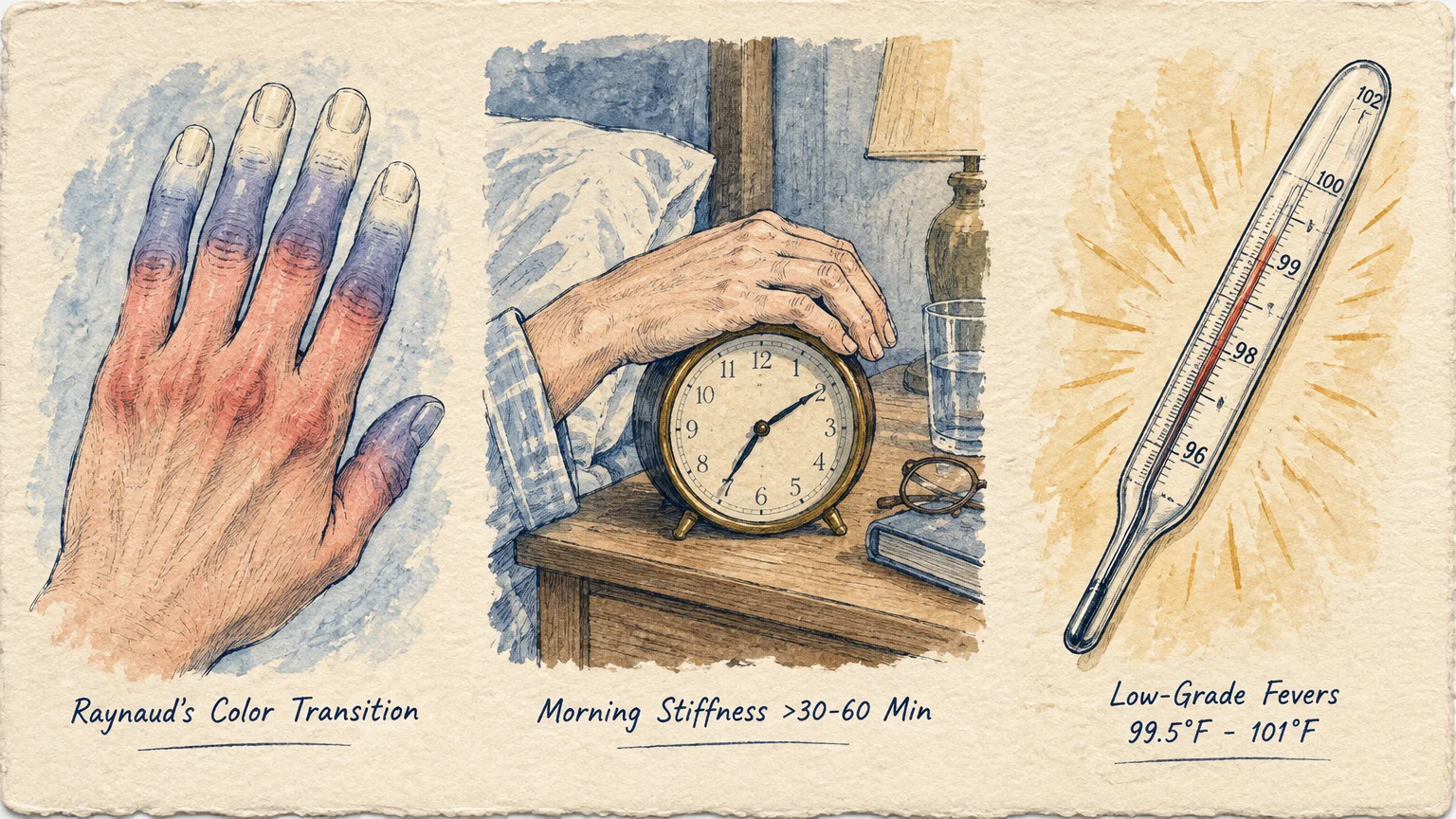
Waking up with tight, throbbing joints that require longer than 30 to 60 minutes to loosen indicates inflammatory arthritis. Unlike mechanical osteoarthritis, which eases rapidly with gentle movement, autoimmune synovitis generates prolonged morning stiffness.
This prolonged immobility points toward conditions like rheumatoid arthritis or psoriatic arthritis. Left unchecked, chronic synovial inflammation degrades cartilage and compromises long-term joint mobility, making early medical intervention essential.
3. Raynaud’s Phenomenon and Extremity Color Changes
If exposure to cold temperatures or acute emotional stress turns your fingers white, then blue, and finally red, you may have Raynaud’s phenomenon. This tri-phasic vascular reaction occurs when digital capillaries undergo sudden, severe vasospasms.
While primary Raynaud’s is often benign, secondary Raynaud’s serves as a critical early biomarker for scleroderma, lupus, or mixed connective tissue disease. You should track these episodes carefully if they accompany joint swelling.
4. Persistent Low-Grade Fevers
Daily temperature fluctuations between 99.5°F and 101°F (37.5°C to 38.3°C) without an active viral or bacterial infection demand attention. These recurrent low-grade spikes indicate systemic immune hyperactivity as defensive cells continuously release pyrogenic cytokines.
Patients often dismiss these periodic sweats as hormonal shifts or lingering stress. However, unexplained recurring fevers frequently accompany systemic inflammatory flares and require thorough clinical evaluation.
5. Sudden, Unintentional Weight Fluctuations
Rapid metabolic shifts occurring without deliberate dietary or exercise adjustments frequently suggest an endocrine-targeted autoimmune response. Sudden, unexplained weight gain accompanied by severe sluggishness often signals autoimmune hypothyroidism caused by Hashimoto’s thyroiditis.
Conversely, rapid and unexplained weight loss alongside increased thirst or appetite frequently indicates autoimmune hyperthyroidism from Graves’ disease or new-onset Type 1 diabetes. Both metabolic conditions require prompt blood glucose and hormone testing.
6. Severe Dry Eyes and Dry Mouth (Sicca Syndrome)
If your eyes constantly feel gritty and irritated, your lacrimal glands may be inflamed. Paired with severe xerostomia—a lack of saliva that causes difficulty swallowing and rapid dental cavities—this cluster is called sicca syndrome.
Sicca syndrome represents the defining clinical marker of Sjögren’s disease, where immune cells infiltrate moisture-producing exocrine glands. Using artificial tears and hydrating regularly provides temporary relief, but addressing the underlying inflammation remains crucial.
7. Characteristic Skin Rashes and Sun Sensitivity
Your skin frequently mirrors internal immunological distress. A fixed, photosensitive rash across the bridge of your nose and cheeks that spares the nasolabial folds is the hallmark malar rash of systemic lupus erythematosus.
Alternatively, well-demarcated silvery-scaled plaques point to psoriasis, where accelerated skin turnover stems from hyperactive T-cell activity. If sunlight triggers rash outbreaks or worsens your systemic fatigue, discuss photosensitivity with your doctor.
8. Chronic Gastrointestinal Distress and Malabsorption
Alternating diarrhea, abdominal cramping, and severe bloating often signify localized gut wall inflammation. When your immune system attacks the digestive tract, your intestines lose their ability to absorb nutrients efficiently.
These symptoms commonly stem from celiac disease or inflammatory bowel disorders like Crohn’s disease. Consequently, chronic iron-deficiency anemia that resists oral supplementation often serves as a primary warning sign of gut autoimmunity.
9. Patchy Hair Loss (Alopecia Areata)
Sudden shedding resulting in discrete, coin-shaped bald patches on your scalp or body occurs when self-directed T-cells target hair follicles. This localized follicle disruption is the defining feature of alopecia areata.
Diffuse thinning across your entire scalp can also signal autoimmune thyroid dysfunction or systemic lupus. Documenting when shedding spikes helps your physician correlate hair follicle changes with broader inflammatory flares.
10. Peripheral Neuropathy and Brain Fog
Unexplained numbness, burning sensations in your limbs, or electric shock sensations indicate peripheral nerve irritation. Autoimmune small fiber neuropathy and demyelinating conditions like multiple sclerosis attack the protective myelin sheaths of your nervous system.
Alongside sensory loss, many patients battle cognitive slowing, memory lapses, and concentration difficulties. This pervasive brain fog directly correlates with neuroinflammation and circulating inflammatory cytokines crossing the blood-brain barrier.

Actionable Pillars for Long-Term Health
Navigating autoimmune concerns requires combining conventional medical diagnostics with proactive lifestyle modifications. You can build sustainable vitality by focusing on three evidence-based pillars.
Medical Advocacy and Diagnostic Testing
Schedule an appointment with your primary care provider to discuss your physical symptoms and request baseline screening bloodwork. The antinuclear antibody (ANA) blood test serves as the primary initial screening tool for systemic autoimmune conditions.
According to clinical guidelines from the American College of Rheumatology, roughly 15% of healthy individuals test ANA-positive without having an underlying illness. Therefore, laboratory results must always correlate with active physical symptoms.
Maintain an organized health journal tracking symptom duration, fever readings, and possible environmental triggers. Presenting clear, chronological data helps your physician determine whether a referral to a rheumatologist is appropriate.
Anti-Inflammatory Nutrition
Nutrition directly influences mucosal immunity and systemic inflammatory signaling. Focus your daily diet on whole, minimally processed foods abundant in polyphenols, antioxidants, and anti-inflammatory omega-3 fatty acids.
Incorporate wild salmon, dark leafy greens, extra-virgin olive oil, and blueberries while reducing refined sugars and processed convenience foods. These dietary adjustments help preserve intestinal barrier integrity and soothe immune hyperactivity.
If you suspect celiac disease, complete necessary antibody blood tests before eliminating dietary gluten. Removing gluten prematurely clears circulating antibodies from your bloodstream, leading to false-negative test results.
Restorative Movement and Stress Modulation
High-intensity workouts during an active flare can overwhelm compromised neuroendocrine and immune pathways. Instead, prioritize low-impact, restorative movement modalities such as walking, gentle swimming, and restorative stretching.
Regular gentle exercise maintains joint flexibility, supports circulation, and reduces inflammatory biomarkers. Always adjust your physical activity to match your current energy threshold rather than forcing your body through severe pain.
Chronic psychological stress triggers sympathetic nervous system dominance, elevating cortisol and provoking inflammatory cascades. Dedicate time each day to evidence-based calming practices, such as diaphragmatic breathing, meditation, or nature walks, to quiet immune reactivity.

Clinical Perspectives from the Field
Clinicians often remind patients that autoimmune diseases do not follow a simple, predictable course. Symptoms frequently alternate between quiet periods of remission and unexpected flares across several months or years.
Rheumatologists emphasize that diagnosis resembles assembling a complex clinical puzzle. No single laboratory marker provides a definitive answer; providers must synthesize antibody levels, tissue biopsies, and your lived symptom history.
The Centers for Disease Control and Prevention highlights chronic disease self-management as an essential pillar of long-term care. Patients who actively partner with their healthcare providers consistently experience superior clinical outcomes.
As patient advocates emphasize, trusting your intuition remains paramount. If you sense ongoing physiological dysfunction, persistent medical pursuit ensures you receive the targeted attention you deserve.
Frequently Asked Questions
Navigating autoimmune testing can feel complex and intimidating. Below are clear, evidence-based answers to four common questions regarding diagnosis and daily management.
What initial blood tests should my doctor order?
Your doctor typically starts with a complete blood count, a metabolic panel, and an antinuclear antibody (ANA) screening test. They also check inflammatory markers such as C-reactive protein and erythrocyte sedimentation rate.
These broad screening tools reveal whether systemic inflammation or organ stress exists in your body. If abnormal results appear, your doctor can order specialized antibody panels to pinpoint the exact condition.
Does a positive ANA test mean I definitely have an autoimmune disease?
A positive ANA test does not automatically confirm an autoimmune diagnosis. Approximately 15% of healthy individuals carry antinuclear antibodies without experiencing clinical disease or cellular damage.
Physicians diagnose autoimmune disorders only when positive laboratory tests align directly with active physical symptoms. Your doctor will interpret your lab values alongside your specific physical signs before confirming a condition.
Can lifestyle modifications alone cure an autoimmune condition?
Nutritional adjustments, stress reduction, and restorative rest provide tremendous support for immune balance. However, lifestyle changes cannot cure underlying genetic autoimmune conditions.
These holistic habits work best alongside targeted medical therapies to reduce inflammation and promote lasting remission. Always coordinate diet and lifestyle shifts with your physician to ensure safe, comprehensive care.
Why does receiving an autoimmune diagnosis take so long?
Autoimmune symptoms often overlap with common ailments and fluctuate in intensity. According to the National Institute of Arthritis and Musculoskeletal and Skin Diseases, this diagnostic complexity frequently requires multi-specialty evaluations.
Because you may see different specialists for joint pain, digestive distress, and skin changes, connecting the dots takes time. Keeping comprehensive copies of your lab results and medical records helps streamline your diagnostic journey.
Moving Forward with Clarity and Confidence
Uncovering the root cause of chronic, subtle symptoms requires steady patience and proactive self-advocacy. Rather than feeling discouraged by unexplained discomfort, use this symptom checklist to guide your next clinical conversation.
Begin by writing a chronological log of your daily symptoms and scheduling an appointment with your primary care provider. Reflect on which daily routines nourish your energy and which habits aggravate your physical stress.
Your body provides valuable feedback through every ache, rash, and bout of fatigue. By paying close attention and pursuing timely medical evaluation, you protect your long-term health and step toward lasting balance.









Leave a Reply