

Kidney stones, also known as nephroliths or renal calculi, are the most prevalent urinary system health problem. Every year, around 600,000 kidney stone cases are reported in the United States.
Stones are hard mineral pieces that can develop in the kidneys. They are frequently tiny enough to pass through your body through your urine. However, if they are extremely huge, you may require medical intervention to break them up or remove them.
Seek medical assistance right once if you suspect you have a kidney stone. A fever with a kidney stone or a urinary tract infection (UTI) with a kidney stone, in particular, are surgical emergencies.
When kidney stones are treated early, serious consequences are rare, but if left untreated, they can be fatal.
Continue reading to discover more about kidney stone symptoms.
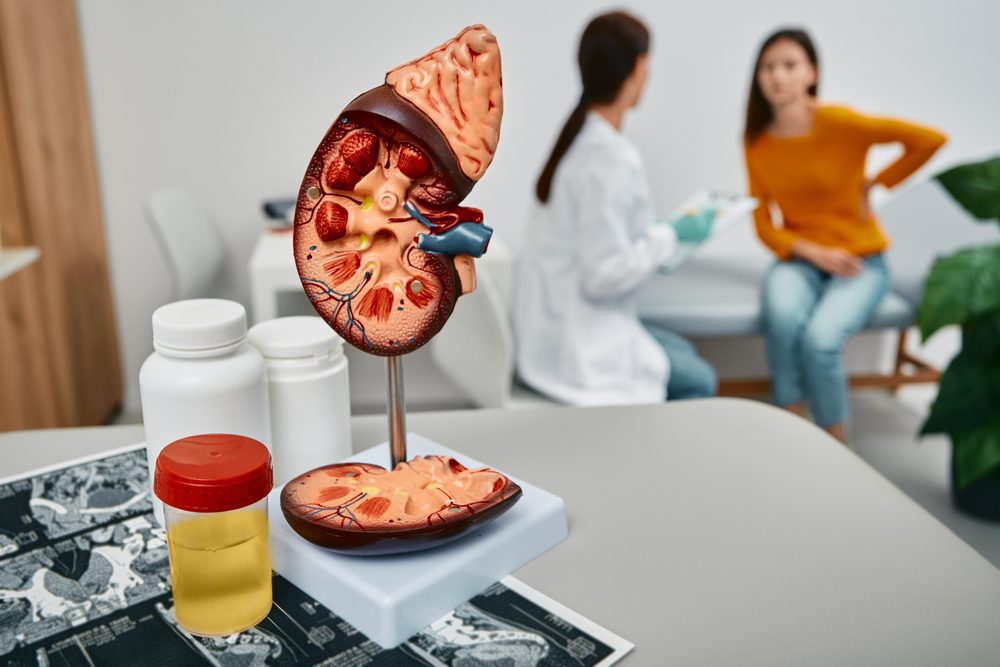
What are Kidney Stones?
Kidney stones are hard deposits of salt and minerals that are often composed of calcium or uric acid. They develop within the kidney and can spread to other areas of the urinary system.
The size of the stones varies. Some are smaller than the size of a period at the end of this sentence, a fraction of an inch. Others can reach a size of a few inches wide. Some kidney stones can become so enormous that they consume the entire kidney.
A kidney stone forms when your urine contains an excess of minerals from your body. Your urine gets more concentrated and contains more minerals when you are dehydrated. A kidney stone is more prone to develop when mineral levels are high.
Men are more likely to have stones. In the United States, around 11% of men and 6% of women will have kidney stones at some point in their lives.
Diabetes and obesity are other risk factors for kidney stones. Kidney stones can also be caused by cystinuria, a hereditary disease.
Smaller kidney stones that stay in the kidney are generally asymptomatic. You may not realize anything is wrong until the stone gets into your ureter — the tube via which urine flows from your kidney to your bladder.
If the stone is tiny enough, it will pass through your urethra and exit your body through your pee. The smaller the stone, the more probable it is to pass on its own and the faster the procedure.
Most stones will pass spontaneously in 31 to 45 days. If a stone does not pass within this timeframe, it is critical to seek medical assistance since the stone may raise the risk of kidney damage and other consequences.
To aid with this process, your doctor may encourage you to drink plenty of water. They may also ask you to strain your pee to collect the stone. The stone’s analysis can aid in determining the underlying reason.
Kidney stones are generally excruciatingly painful. The majority of stones will pass on their own without any treatment. However, you may require a surgery to break up or remove stones that will not pass.
Types of kidney stones
Stones are classified into four types:
- Calcium oxalate: The most common type of kidney stone, formed when calcium and oxalate mix in the urine. They may form as a result of insufficient calcium and hydration, as well as other causes.
- Uric acid: Another prevalent sort of kidney stone is this one. Purines are a naturally occurring chemical component found in high concentrations in meals such as shellfish and organ meats. When you consume a lot of purines, your body produces more monosodium urate, which can cause kidney stones under the correct circumstances. The creation of these stones usually runs in families.
- Struvite: These stones are less prevalent and are produced by upper urinary tract infections.
- Cystine: These stones are extremely uncommon and usually run in families.
What are the symptoms of a kidney stone?
If you have a minor kidney stone, you may not experience any symptoms while it goes through your urinary tract. However, if your kidney stone is huge, you will most certainly have some symptoms.
The following are 8 signs and symptoms of kidney stones.
1. Pain in the stomach, back, or side
Kidney stone pain, also known as renal colic, is one of the most intense forms of agony that can be imagined. Some people who have kidney stones compare the discomfort to childbirth or being stabbed with a knife.
The agony is severe enough that more than 500,000 people visit emergency rooms each year.
The discomfort usually begins when a stone enters the small ureter. This generates a blockage, which leads to increased pressure on the kidney. The pressure triggers nerve fibers in the brain that send pain sensations.
Kidney stone discomfort often appears out of nowhere. The agony shifts in position and severity as the stone travels.
The ureter contracts as it tries to force the stone out, which causes the pain to come and go in waves. Each wave may linger a few minutes before disappearing and reappearing.
The discomfort is usually felt along your side and back, just behind your ribcage. As the stone goes through your urinary tract, it may cause pain in your stomach and groin.
Large stones can be more painful than little stones, although the degree of the discomfort is not always proportional to the stone’s size. Even a little stone that shifts or causes an obstruction can be uncomfortable.
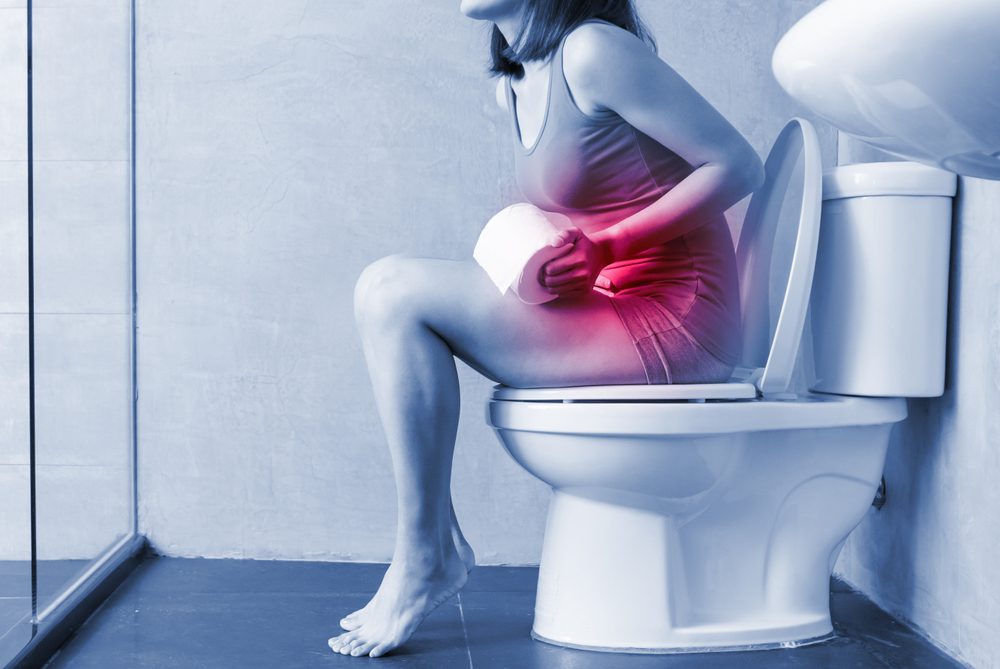
2. Pain or burning during urination
A kidney stone might be at blame if peeing aches. Some patients experience this sort of discomfort as a stone passes through the ureter and approaches the bladder.
However, any burning with urine is more likely to be caused by an infection, such as a urinary tract infection, rather than by kidney stones. According to one study, 8% of kidney stone patients had a UTI. (A foul-smelling odor is also an indication of a UTI rather than kidney stones.) People seldom mention that their pee smells bad when they have a stone.)
3. Urgent need to go
People who have kidney stones may feel the urge to pee often. This symptom is determined by the location of the stone. Bladder stones cause a variety of bladder symptoms, including frequency, urgency, wanting to use the restroom rapidly, and going in little amounts.
What’s the reason? Stones irritate the bladder walls, which manifests as the bladder constricting, making you feel the need to go.
If you don’t pass much pee, you could assume you’re having problems passing urine. However, bladder contractions can persist even when your bladder is empty. Unless the stone is in the urethra, there should be no difficulty peeing; you should always be making urine.
4. Blood in the urine
A typical sign of kidney stones is blood in the urine. Hematuria is another name for this disorder.
The hue of blood might be red, brown, or pink. Although blood cells are often too minute to view without a microscope (a condition known as microscopic hematuria), your doctor can analyze your urine to check whether it includes blood.
5. Cloudy or smelly urine
Urine that is healthy is clear and does not have a strong odor. An infection in your kidneys or another portion of your urinary system might cause cloudy or foul-smelling urine.
A UTI was discovered in roughly 16 percent of persons with acute kidney stones in research published in 2021.
Cloudiness in the urine indicates pyuria, or pus in the urine. The bacteria that cause UTIs may generate the odor. Urine that is more concentrated than usual might also produce an odor.
With or without a fever, a UTI with a kidney stone is considered a surgical urgency.
6. Getting very small amount at a time
The ureter can get clogged with large kidney stones. Urine flow might be slowed or stopped due to this obstruction.
You can only be able to urinate a limited amount each time if you have a blockage. A total stoppage of urine flow is considered a medical emergency.
7. Nausea and vomiting
Nausea and vomiting are frequent symptoms of kidney stones. These symptoms occur as a result of nerve connections between the kidneys and the GI tract. Kidney stones can stimulate nerves in the GI system, causing an unpleasant stomach.
Nausea and vomiting can also be your body’s method of coping with excruciating discomfort.
8. Fever and chills
Fever and chills are signs of a kidney infection or another illness in the urinary system or urinary tract infection (UTI). A kidney stone can cause this, which can be deadly. It might also be a sign of more serious disorders besides kidney stones. Any fever accompanied by pain needs immediate medical intervention.
Infections typically cause high fevers of 100.4 F (38 C) or higher. Fever is sometimes accompanied by shivering or chills.
If a stone blocks the flow of urine, people with kidney stones might develop a fever. If that’s the case, it’s a medical emergency. Antibiotics won’t go through a blocked kidney; therefore, you’ll have to remove the obstruction.
In certain circumstances, shock wave lithotripsy, which breaks stones into tiny fragments that you then excrete in your urine, can be utilized to eliminate the obstruction. Other times, physicians use a scope to enter the urinary tract and trap the stone or use a laser to break it up. Large stones can be removed with surgery that includes a tiny incision in your back.

How long do kidney stone symptoms last?
As previously stated, the duration of these symptoms might range from a week to a month and beyond. Even if it appears that your kidney stone pain has decreased, it is critical to contact your doctor because occasional discomfort is frequent with this illness.
While some kidney stones pass on their own, others necessitate treatment, such as drugs or treatments to break up the stone or surgical removal. Your doctor can run the necessary tests to determine if the stone will pass on its own or whether you will require treatment.
Furthermore, your doctor can assist you in managing the pain associated with passing the stone.
What are the variables that put you at risk for kidney stones?
Although anybody can have a kidney stone, several variables might increase your chances. Some risk factors are unavoidable, while others may be managed or reduced.
You may be more likely to develop kidney stones if: you’ve ever had kidney stones; you’re male; you’re not getting enough fluids; you’re a male; you’re white and non-Hispanic; you’re obese or overweight; you eat a lot of protein, salt, and/or sweets; you suffer from gout; you’re diabetic; you’re suffering from polycystic kidney disease; you take anacids or diuretics that include calcium (water pills); you’ve had one or more pregnancies and are of reproductive age; you’ve undergone a gastric bypass or other gastrointestinal procedure; you consume a diet that’s heavy in red meat or oxalate; you have a condition that causes your urine to include excessive levels of cystine, uric acid, calcium, or oxalate.
When to see a doctor
If you experience any of the signs of kidney stones, contact your doctor. If you develop any of the following symptoms, which might signal an infection or other significant problem, get medical attention immediately away: difficulty peeing, blood in your urine, intense agony that you can’t bear, nausea, vomiting, fever, or chills in addition to the pain.
The bottom line
Kidney stones are hard deposits of salt and minerals that develop in the kidneys and can spread to other areas of the urinary tract.
Stones induce symptoms such as discomfort, difficulty urinating, hazy or odorous urine, nausea, and vomiting.
Some stones will naturally pass. Others need sound wave treatment or surgery to be broken apart or removed.
If you experience any of the signs of kidney stones, contact your doctor. The sooner you receive treatment, the less probable it is that kidney stones may cause difficulties.
Don’t let your kidney issue limit your daily life and make you give up the delights of a good meal. Here’s a cookbook with plenty of recipes for those with kidney problems!
You might also like 10 Serious Signs Your Kidneys Need Help.








Leave a Reply