

Recognizing subtle cardiovascular distress can preserve your heart muscle and save your life. While popular media portrays heart attacks as sudden, dramatic collapses, female cardiac events frequently unfold through quiet warning signs.
Cardiovascular disease remains the leading health threat for women, yet fewer than half recognize their personal vulnerability. Learning how female physiology signals arterial blockages empowers you to act before irreversible tissue damage occurs.
This comprehensive guide details the physiological signs, immediate emergency steps, and evidence-based lifestyle habits you need to protect your cardiovascular wellbeing today.
Understanding Female Cardiovascular Biology
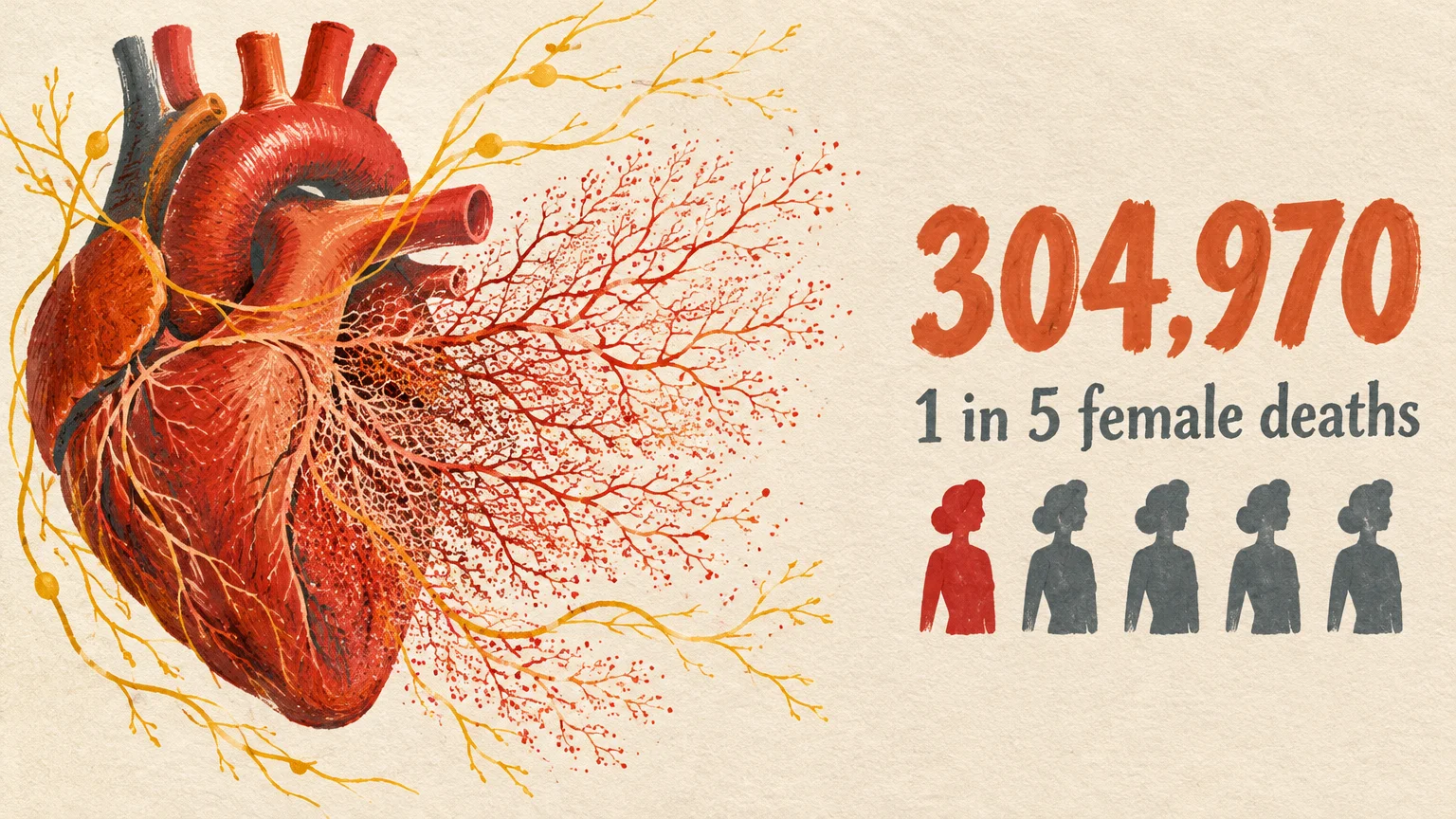
According to the Centers for Disease Control and Prevention, heart disease caused 304,970 female deaths in 2023. This devastating statistic represents approximately one in every five female deaths across the United States.
Data from the American Heart Association reveals that a heart attack strikes an individual every 40 seconds. Despite this frequency, national surveys indicate that only 44% to 56% of women identify cardiovascular disease as their primary health hazard.
Many women mistakenly assume that cancer poses a much higher threat to their longevity. In reality, cardiovascular disease claims far more female lives every single year than all cancers combined.
Female coronary anatomy differs meaningfully from male biology. While men frequently develop localized blockages in large epicardial arteries, women often experience diffuse coronary microvascular disease within microscopic vessels.
Furthermore, autonomic nerve networks convey ischemic pain along varied sensory channels in women. This biological distinction explains why female myocardial infarctions frequently manifest as diffuse pressure, neurological sensations, or sudden digestive distress.
9 Symptoms of Heart Attack in Women
1. Uncomfortable Chest Pressure, Squeezing, or Fullness
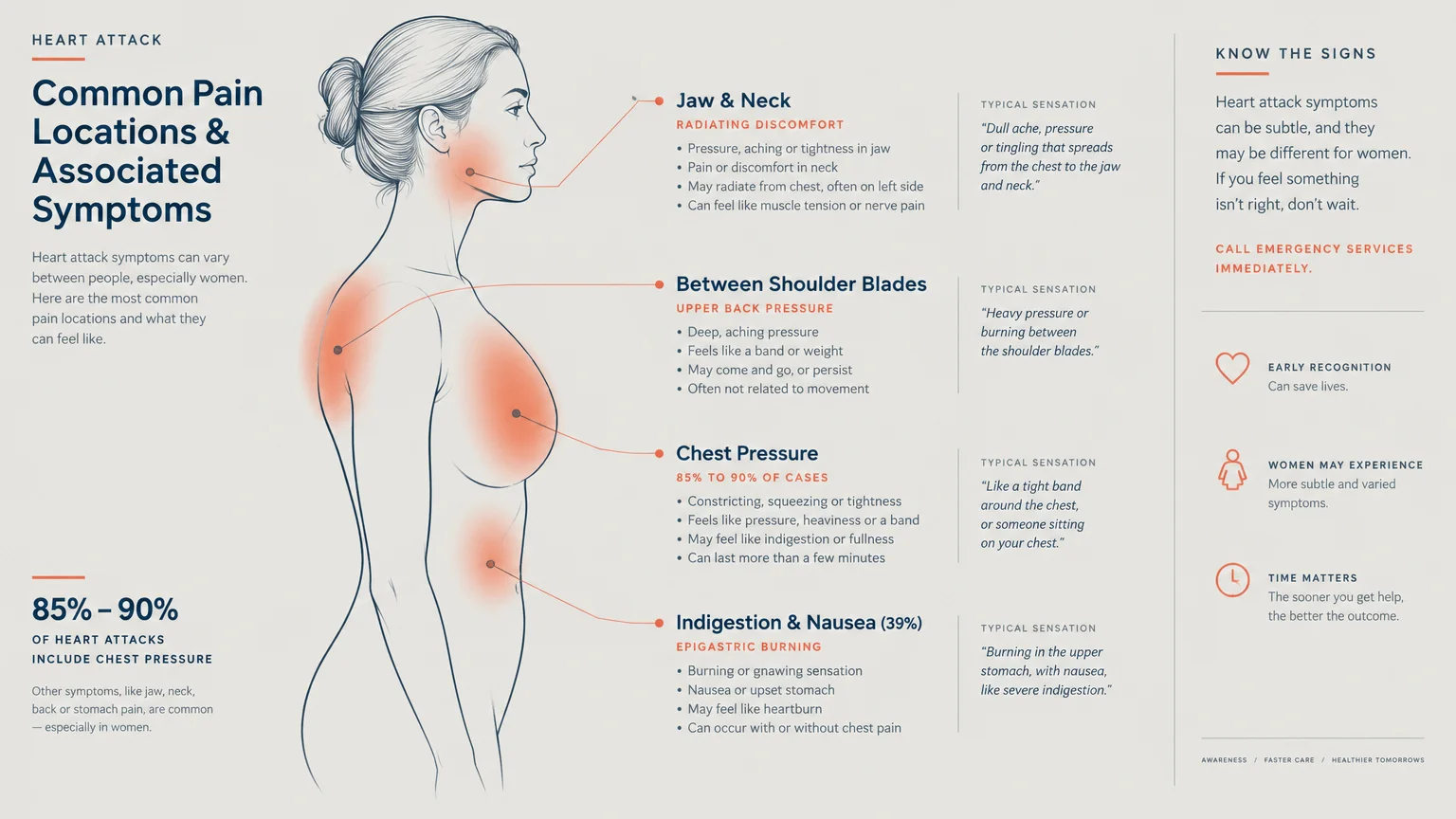
Medical research confirms that chest discomfort remains the primary indicator of a heart attack for both women and men. Studies in the Journal of the American Heart Association show this symptom occurs in 85% to 90% of cases.
Rather than sharp pain, you may feel an escalating squeezing, aching, or heavy pressure across your breastbone. This sensation often lingers for several minutes, or it may fade away and return with greater intensity.
2. Radiating Pain in the Jaw, Neck, or Throat
Cardiac sensory nerves converge alongside somatic fibers originating in your upper cervical spine. This shared neural network causes ischemic discomfort to radiate upward into your jawline, neck, and throat.
You might experience this sensation as an unexplained toothache, throbbing jaw ache, or throat tightness. Pay close attention if this discomfort surfaces during physical exertion and subsides during rest.
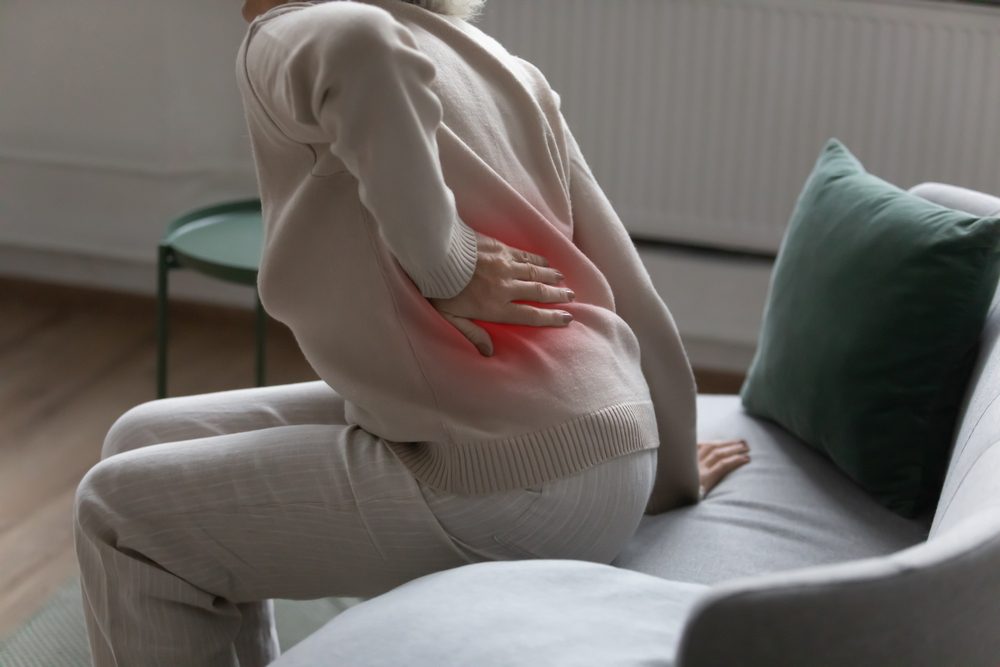
3. Crushing Pressure Between the Shoulder Blades
Many female patients report an unmistakable, heavy tightness situated high in the upper back. Women frequently describe this symptom as a tight band constricting the thoracic spine between their shoulder blades.
Because back discomfort is common, women often assume they strained a muscle during exercise. However, cardiac back tightness rarely responds to position changes, stretching, heat application, or massage.
4. Epigastric Burning, Indigestion, and Severe Nausea
When the inferior wall of your heart experiences oxygen deprivation, it stimulates the vagus nerve. This neurological reaction triggers upper gastrointestinal distress, burning stomach discomfort, and sudden nausea.
Roughly 39% of women report indigestion or nausea prior to an acute myocardial infarction. Over-the-counter antacids will not soothe this discomfort, so seek immediate evaluation if stomach burning accompanies clamminess.
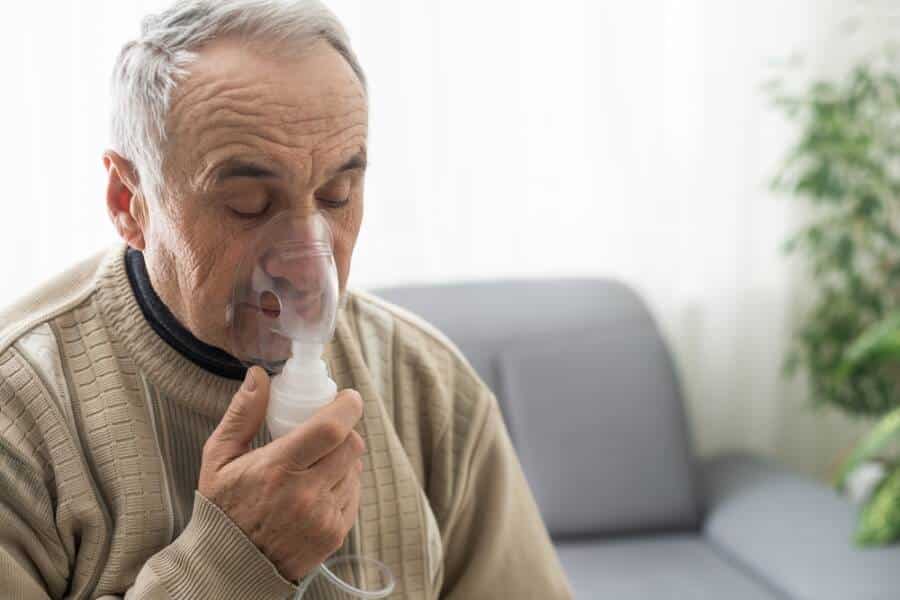
5. Sudden Shortness of Breath Without Exertion
Failing myocardial function causes acute pressure increases inside your pulmonary blood vessels. This hemodynamic backup forces fluid into lung tissues, causing sudden breathlessness even while you rest quietly.
Studies in the journal Circulation indicate that 42% of women experience notable shortness of breath before an infarction. Treat unexplained respiratory difficulty as an urgent warning sign even without accompanying chest pain.
6. Profound and Unexplained Systemic Fatigue
Profound fatigue represents one of the most prominent prodromal warning signs in women. Research reveals that over 70% of female cardiac patients experienced overwhelming exhaustion up to a month before their event.
This exhaustion feels far heavier than ordinary tiredness from daily work. You might feel physically unable to walk across a room, fold laundry, or make your bed without resting.
7. Cold Sweats and Clammy Skin
Acute coronary ischemia triggers an aggressive sympathetic nervous system response. This fight-or-flight reaction releases adrenaline, producing sudden, profuse sweating alongside constricted peripheral blood vessels.
Your skin may suddenly become damp, clammy, and cool to the touch. A cold sweat that appears alongside nausea, back pressure, or breathlessness indicates serious circulatory distress.
8. Sudden, Unexplained Sleep Disturbances
Cardiovascular research demonstrates that 48% of women notice significant sleep disruptions in the weeks leading up to a heart attack. You may wake up repeatedly gasping for air or struggle to fall asleep entirely.
These nocturnal disturbances occur as fluctuating blood pressure and declining oxygen saturation disturb your brain stem. Track sudden shifts in your sleep architecture as potential cardiovascular warning signs requiring clinical attention.
9. Acute Lightheadedness and Unshakeable Dread
Impaired cardiac output directly restricts blood flow and oxygen transport to your cerebral cortex. This hemodynamic deficit causes sudden lightheadedness, unsteadiness, or near-fainting episodes.
Roughly 35% of women also report a sudden, unshakeable sense of impending doom or panic. If sudden terror surfaces alongside lightheadedness and physical weakness, demand an immediate cardiac assessment.
Clinical Timelines and Medical Realities
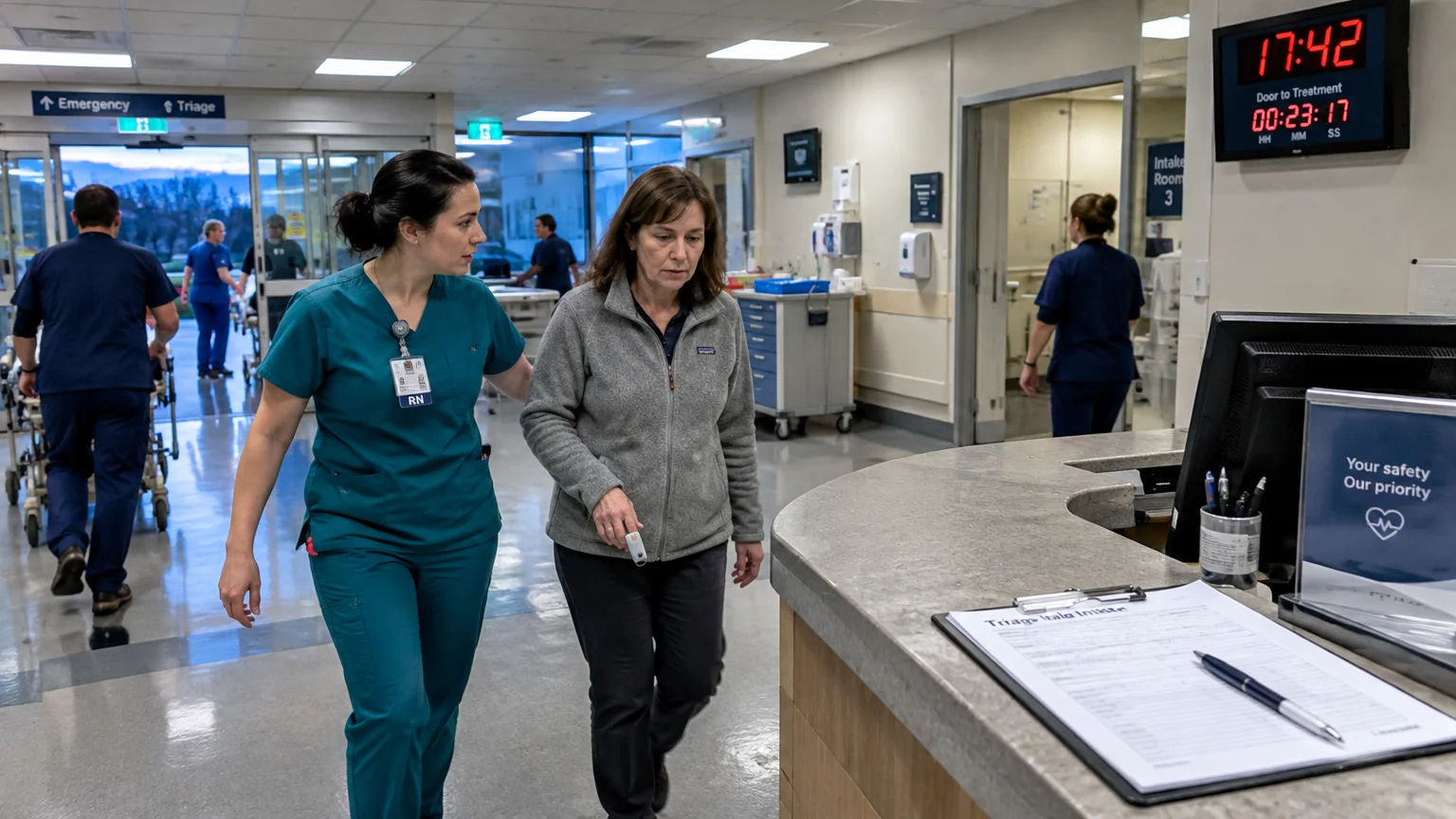
When heart muscle experiences acute ischemia, time directly dictates tissue survival. The American College of Cardiology establishes a strict door-to-balloon benchmark of 90 minutes or less for emergency interventions.
This critical metric measures the duration from hospital arrival to restoring arterial blood flow via catheter angioplasty. Every minute beyond this target increases your risk of permanent heart failure or death.
Emergency physicians emphasize that calling for an ambulance provides immediate triage advantages over personal transportation. First responders bypass emergency room waiting areas to bring critical patients directly into surgical suites.
Calling 911 ensures that medical treatment begins the moment first responders arrive. Paramedics can perform vital electrocardiograms and notify hospital catheterization teams while transporting you safely.
Perspectives from Clinicians and Survivors
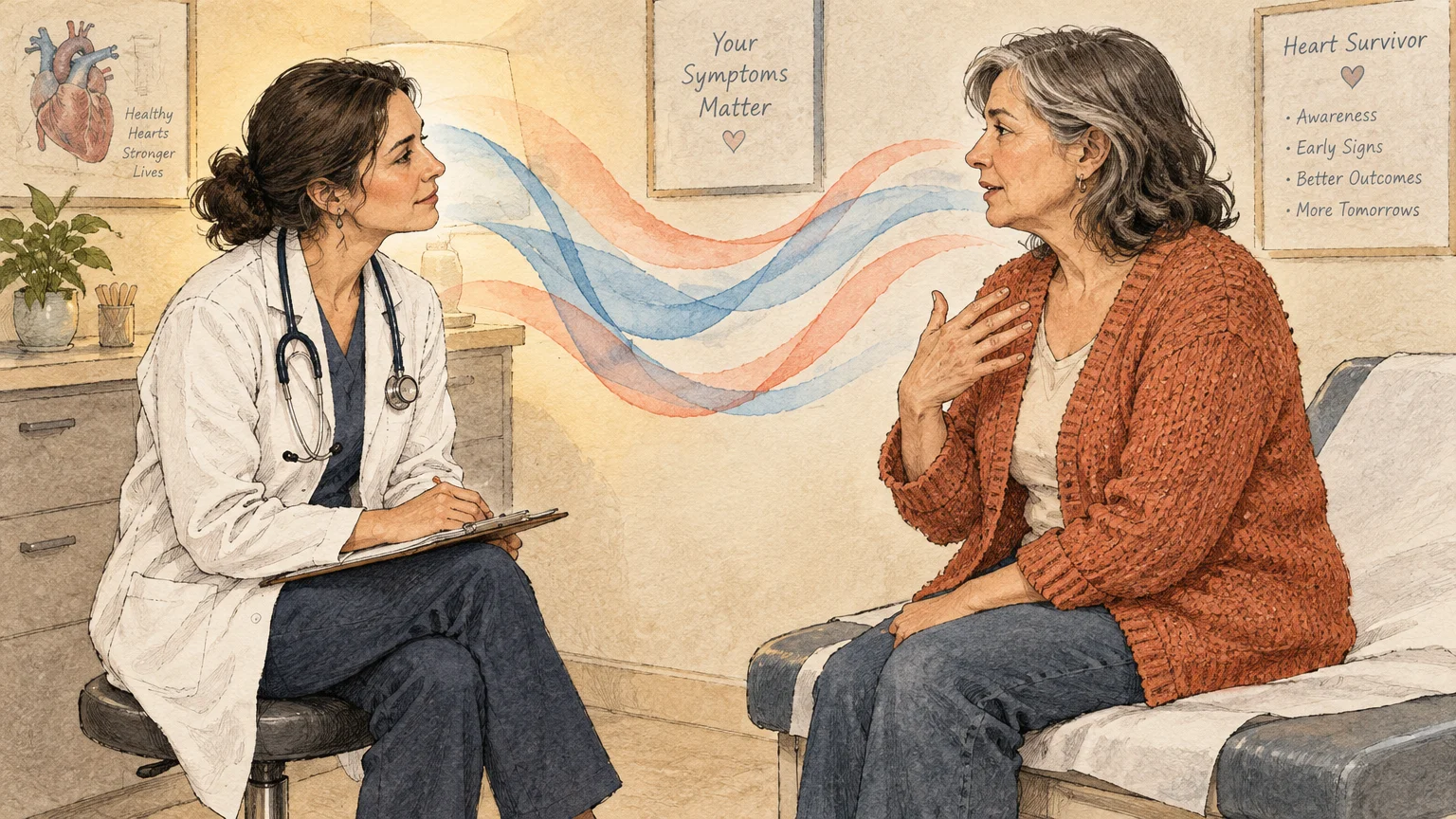
Cardiovascular specialists emphasize that women must learn to trust their bodily intuition. If something feels fundamentally wrong within your chest, neck, or stomach, seek professional medical guidance immediately.
Dr. Sharonne Hayes, founder of the Mayo Clinic Women’s Heart Clinic, notes that female symptoms are not truly atypical. Rather, they represent typical female patterns that medical literature historically overlooked.
Cardiologists recommend bringing an advocate or family member to emergency evaluations whenever possible. A supportive companion can help reiterate your symptoms and ensure that attending staff address your concerns without delay.
Survivor Sarah Jenkins recalls that her heart attack felt like stubborn indigestion paired with shoulder fatigue. Her quick decision to call emergency responders prevented severe, permanent damage to her heart muscle.

Strategy Pillars for Long-Term Heart Health
Pillar 1: Whole-Food Cardiovascular Nutrition
Nutritional choices establish the foundational biochemistry for your vascular endothelium. Adopting a Mediterranean dietary pattern rich in leafy vegetables, cold-water fish, and extra-virgin olive oil actively reduces vascular inflammation.
Incorporate soluble fiber from chia seeds, rolled oats, and lentils into your daily routine. Soluble fiber binds intestinal bile acids, effectively lowering circulating low-density lipoprotein cholesterol and protecting arterial health.
Limit your consumption of ultra-processed foods, refined carbohydrates, and artificial additives. These industrial food products trigger systemic inflammation that degrades arterial linings over time.
Pillar 2: Intelligent Movement and Conditioning
Engage in at least 150 minutes of moderate-intensity aerobic exercise or 75 minutes of vigorous activity weekly. Consistent aerobic movement promotes coronary collateralization, improving oxygen distribution across your myocardial tissue.
Add two sessions of progressive resistance training each week to optimize glucose regulation. Building skeletal muscle improves insulin sensitivity, lowering arterial stiffness and stabilizing resting blood pressure.
Pillar 3: Mindset, Stress Biology, and Rest
Chronic psychological stress elevates circulating cortisol and sympathetic tone, provoking microvascular spasms. Managing mental stress is just as crucial for your arteries as tracking your serum cholesterol numbers.
Prioritize seven to eight hours of sound, restorative sleep each night in a quiet environment. Restorative sleep permits essential nocturnal blood pressure dipping, which protects delicate vascular linings from continuous strain.
Pillar 4: Proactive Clinical Advocacy and Diagnostic Testing
Establish a relationship with a physician who takes female cardiovascular risk factors seriously. You can consult evidence-based guidelines through the National Heart, Lung, and Blood Institute to prepare for annual checkups.
Discuss advanced evaluations with your doctor, including coronary artery calcium scoring and apolipoprotein B testing. Sharing your full obstetric history—including any preeclampsia or gestational diabetes—ensures an accurate assessment of lifetime risk.
Frequently Asked Questions
Can a woman have a heart attack without any chest pain?
Yes, women can experience an acute myocardial infarction without noticeable chest discomfort. Between 10% and 15% of female patients present exclusively with non-chest symptoms like dyspnea, nausea, or profound weakness.
Never wait for crushing chest pain before taking medical action. If you experience an unexplained cluster of subtle symptoms, treat the situation as a potential cardiac emergency.
How far in advance do warning signs typically emerge?
Prodromal warning signs frequently develop several weeks or even months prior to an acute blockage. Research in Circulation found that over 95% of female patients experienced prodromal symptoms before their event.
Severe, unexplained fatigue and sudden sleep disturbances represent the most common early warning indicators. Consulting your physician about new physical changes can prevent an impending cardiac crisis.
Why do medical providers sometimes misdiagnose female cardiac symptoms?
Historic medical training centered primarily around male symptom presentations, leading some providers to overlook female patterns. Additionally, women frequently experience microvascular disease, which conventional coronary angiography cannot always visualize clearly.
If a doctor dismisses your physical concerns as simple anxiety, firmly request an electrocardiogram and serial troponin blood tests. Direct medical self-advocacy ensures you receive appropriate, evidence-based clinical testing.
What should you do immediately if you suspect a heart attack?
Call 911 immediately rather than asking a family member to drive you to the hospital. Emergency medical responders possess defibrillators, oxygen therapy, and life-saving medications to stabilize your condition en route.
If the emergency dispatcher instructs you to do so, chew a full 325-milligram adult aspirin. Chewing aspirin facilitates rapid absorption, inhibiting platelet aggregation and slowing arterial clot expansion.
Taking Your First Step Toward Heart Protection
Protecting your cardiovascular longevity requires actionable daily choices, vigilant self-awareness, and clinical partnership. When you understand your body’s subtle warning signals, you take full command of your long-term wellbeing.
Take a quiet moment today to reflect on your physical stamina, stress levels, and cardiovascular heritage. What single, positive habit will you adopt this week to support your arterial health?
Schedule an annual wellness visit with your primary healthcare provider to establish your personal cardiovascular baseline. Working with an experienced medical professional guarantees that your prevention plan reflects your unique biological needs.







Leave a Reply