
Frequently Asked Questions
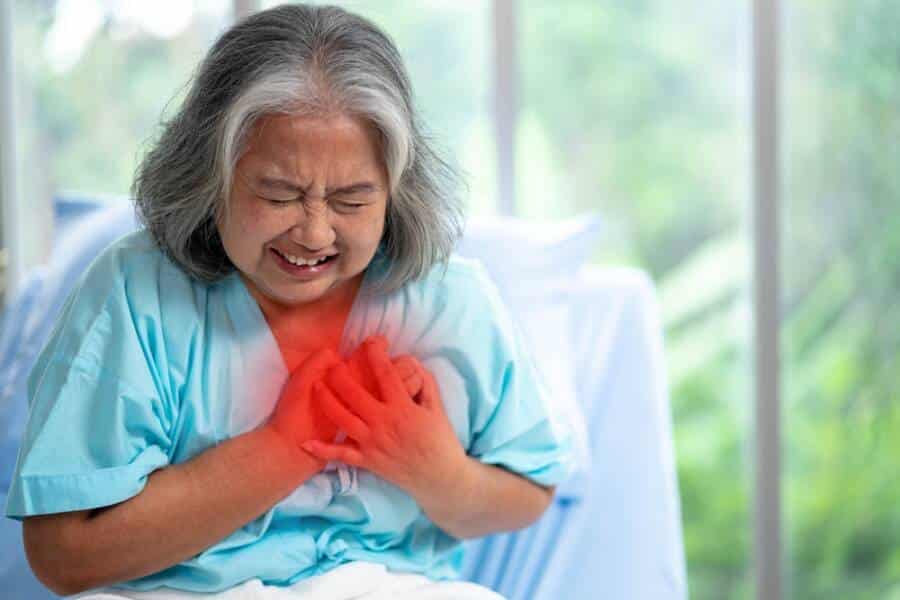
Can a woman have a heart attack without any chest pain?
Yes, women can experience an acute myocardial infarction without noticeable chest discomfort. Between 10% and 15% of female patients present exclusively with non-chest symptoms like dyspnea, nausea, or profound weakness.
Never wait for crushing chest pain before taking medical action. If you experience an unexplained cluster of subtle symptoms, treat the situation as a potential cardiac emergency.
How far in advance do warning signs typically emerge?
Prodromal warning signs frequently develop several weeks or even months prior to an acute blockage. Research in Circulation found that over 95% of female patients experienced prodromal symptoms before their event.
Severe, unexplained fatigue and sudden sleep disturbances represent the most common early warning indicators. Consulting your physician about new physical changes can prevent an impending cardiac crisis.
Why do medical providers sometimes misdiagnose female cardiac symptoms?
Historic medical training centered primarily around male symptom presentations, leading some providers to overlook female patterns. Additionally, women frequently experience microvascular disease, which conventional coronary angiography cannot always visualize clearly.
If a doctor dismisses your physical concerns as simple anxiety, firmly request an electrocardiogram and serial troponin blood tests. Direct medical self-advocacy ensures you receive appropriate, evidence-based clinical testing.
What should you do immediately if you suspect a heart attack?
Call 911 immediately rather than asking a family member to drive you to the hospital. Emergency medical responders possess defibrillators, oxygen therapy, and life-saving medications to stabilize your condition en route.
If the emergency dispatcher instructs you to do so, chew a full 325-milligram adult aspirin. Chewing aspirin facilitates rapid absorption, inhibiting platelet aggregation and slowing arterial clot expansion.




Leave a Reply