Clinical Timelines and Medical Realities
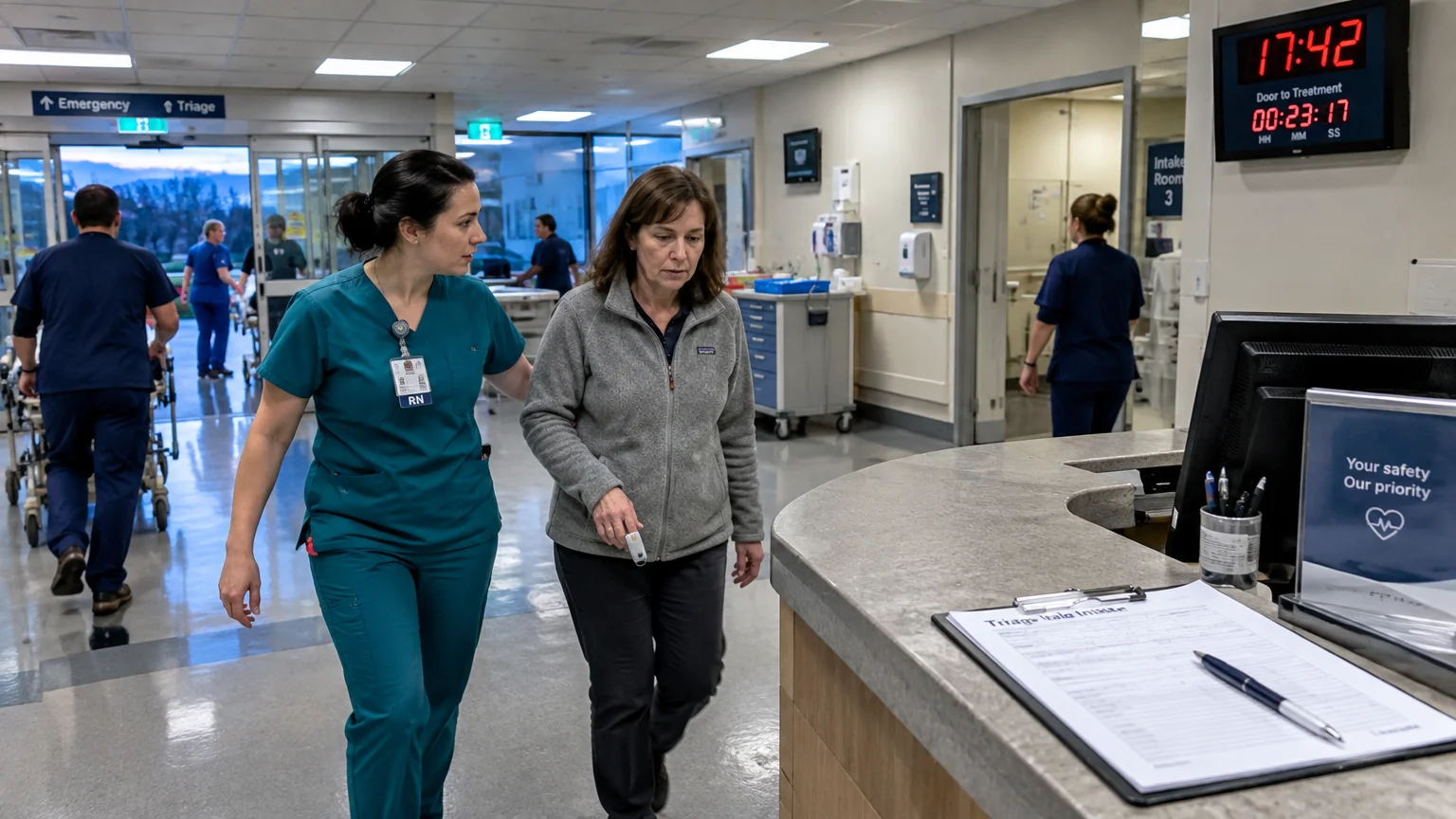
When heart muscle experiences acute ischemia, time directly dictates tissue survival. The American College of Cardiology establishes a strict door-to-balloon benchmark of 90 minutes or less for emergency interventions.
This critical metric measures the duration from hospital arrival to restoring arterial blood flow via catheter angioplasty. Every minute beyond this target increases your risk of permanent heart failure or death.
Emergency physicians emphasize that calling for an ambulance provides immediate triage advantages over personal transportation. First responders bypass emergency room waiting areas to bring critical patients directly into surgical suites.
Calling 911 ensures that medical treatment begins the moment first responders arrive. Paramedics can perform vital electrocardiograms and notify hospital catheterization teams while transporting you safely.