
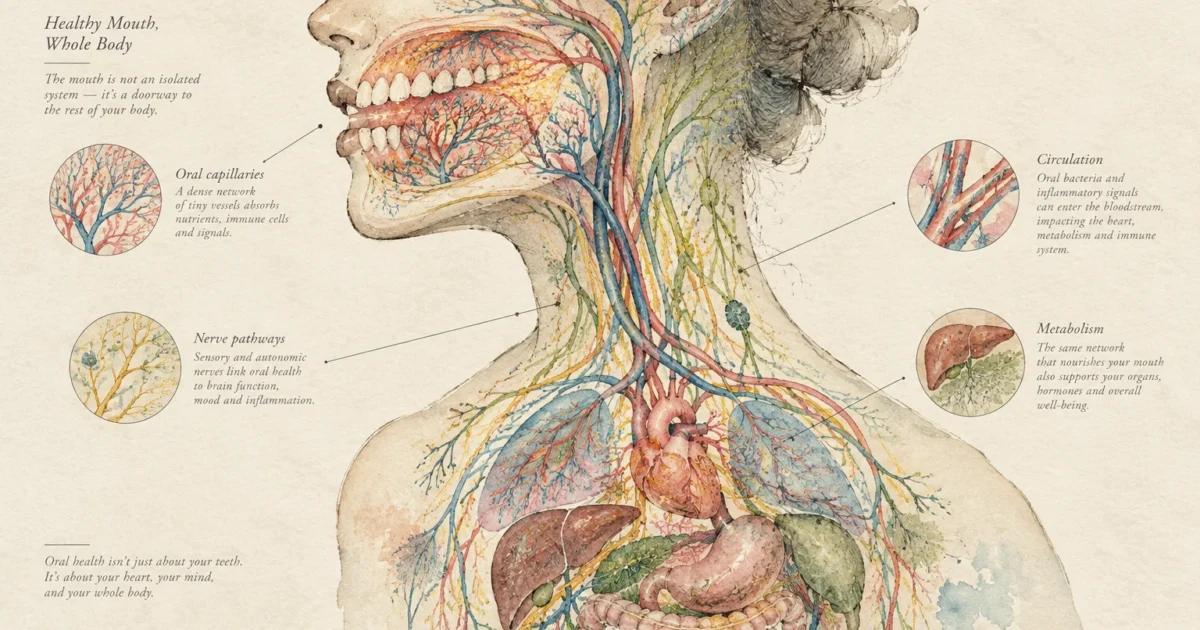
Your mouth often reveals systemic health crises long before routine medical screenings detect a problem. Subtle shifts in your gums, tongue, and saliva provide immediate clues about what happens deep inside your body.
Chronic inflammation, vascular strain, and cellular mutations routinely manifest as everyday dental complaints. Recognizing these early indicators empowers you to address undiagnosed conditions before irreversible damage occurs.
Listening to these subtle oral alerts helps you safeguard your long-term health. By spotting these warning signs early, you take decisive control of your metabolic and cardiovascular vitality.
The Oral-Systemic Connection: How Your Mouth Mirrors Internal Health
Your oral cavity does not operate in isolation from your broader physiology. The delicate tissues of your gums and tongue host dense networks of blood vessels and immune cells that react to systemic shifts.
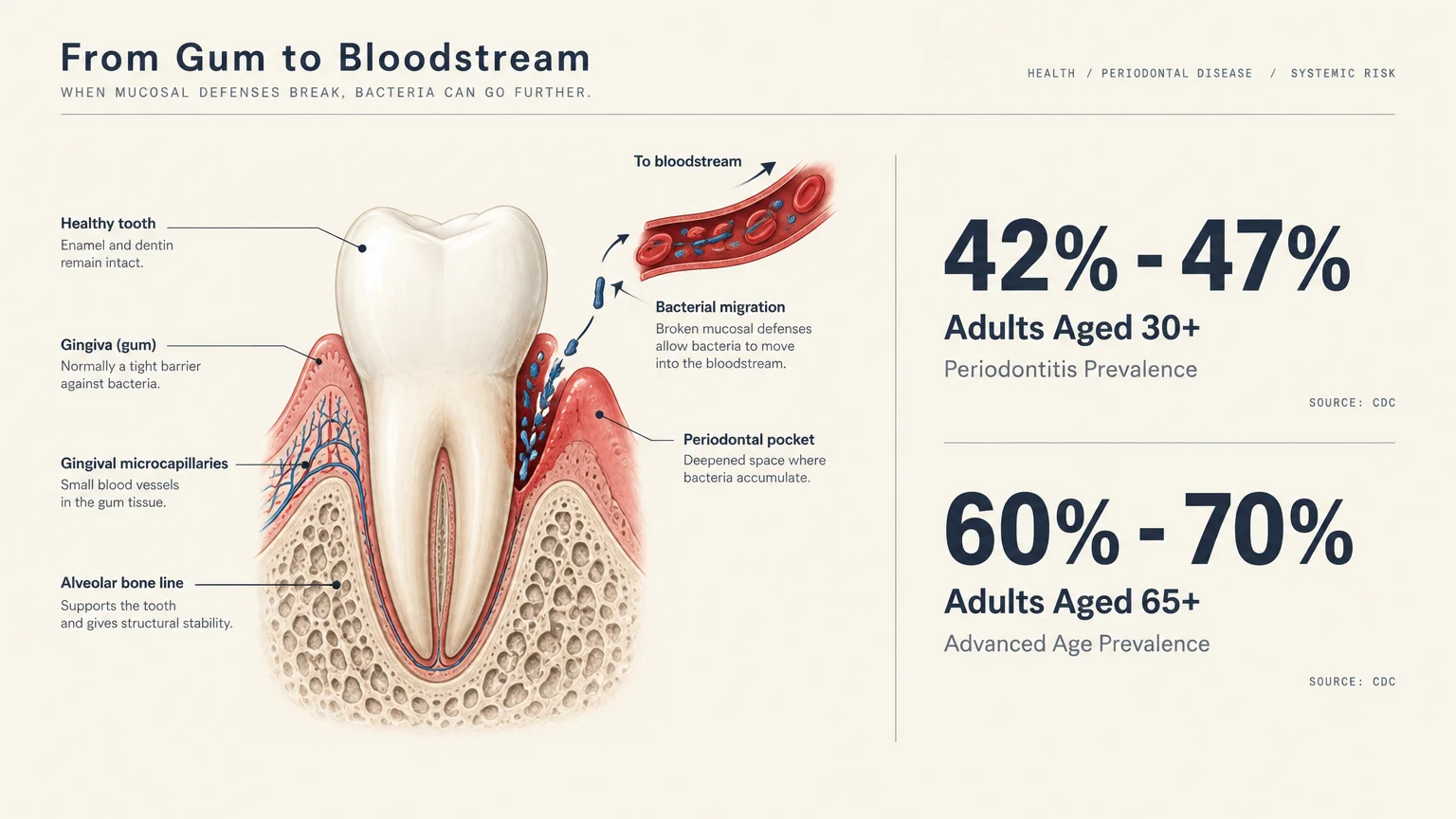
According to the Centers for Disease Control and Prevention report on gum disease, approximately 42% to 47% of American adults aged 30 and older have periodontitis. That prevalence rises to 60% to 70% among adults aged 65 and older.
While gingivitis causes completely reversible gum inflammation, untreated periodontitis permanently destroys connective tissue and alveolar bone. This breakdown allows oral pathogens to breach mucosal defenses and enter your bloodstream.
Diabetes Warning Signs: When Blood Sugar Disrupts Your Oral Microbiome
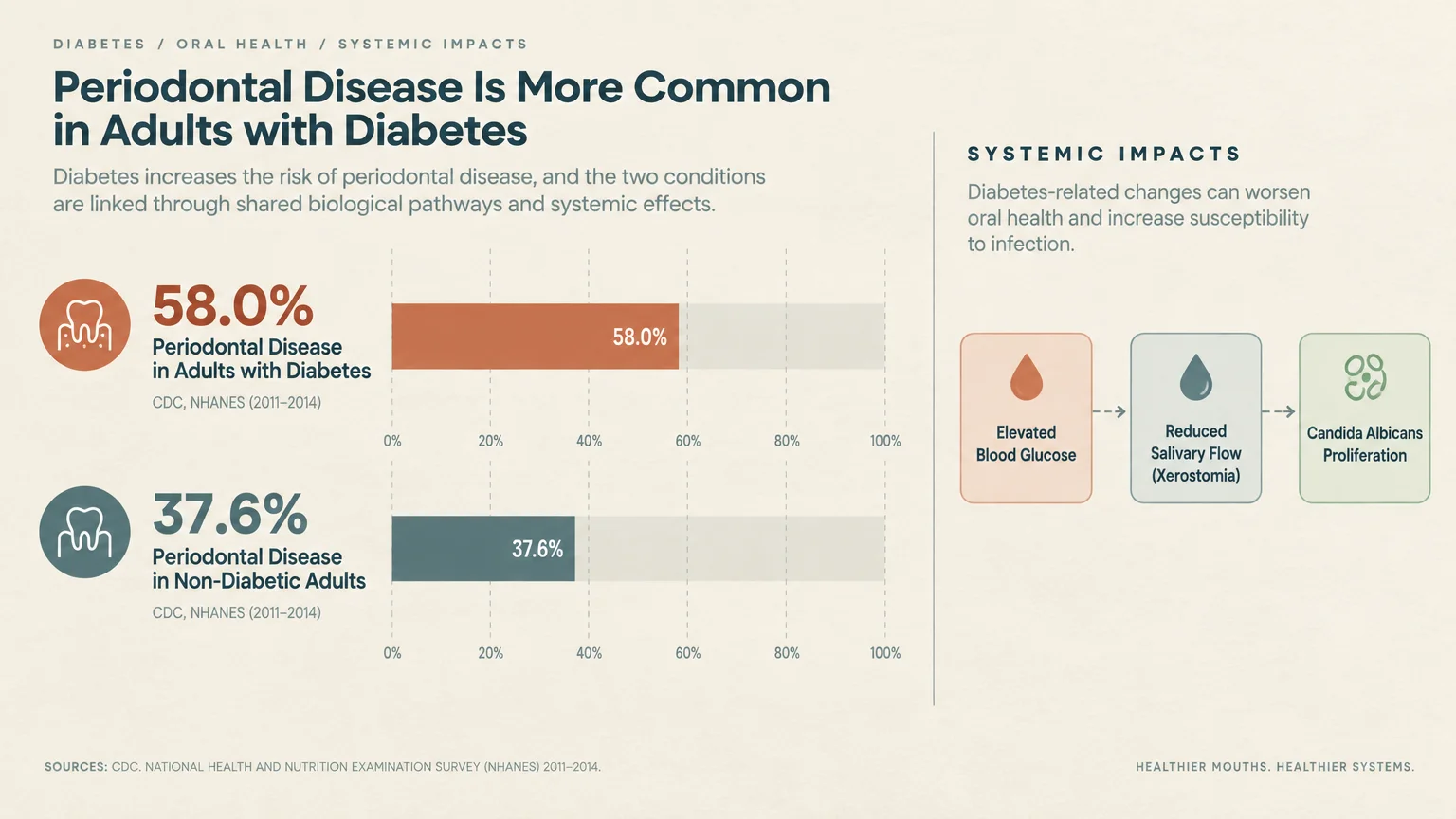
Data from the CDC and NHANES reveal that 58% of adults with diabetes have periodontal disease, compared to 37.6% of non-diabetic adults. Uncontrolled blood glucose elevates severe gum disease risk by two- to three-fold.
The American Diabetes Association Standards of Care recommends that adults with diabetes receive professional dental examinations at least once per year. This proactive screening helps identify chronic infections that can destabilize glycemic control.
Dry Mouth and Salivary Dysfunction
Chronic hyperglycemia and systemic dehydration impair your salivary glands, leading to persistent xerostomia. Without adequate saliva to buffer acids and clear food particles, your teeth face accelerated bacterial decay.
You might notice a sticky oral sensation, cracked lips, or a constant urge to sip water throughout the day. These subtle disruptions signal reduced salivary flow and ongoing metabolic strain.
Recurrent Oral Thrush and Burning Sensations
Elevated salivary glucose creates an ideal microenvironment for fungal proliferation, particularly Candida albicans. This overgrowth produces oral thrush, which presents as white, curd-like patches on your tongue or inner cheeks.
Scraping these patches often reveals an inflamed, raw surface that bleeds easily. Thrush frequently causes burning mouth syndrome, leaving your mucosal tissues feeling scalded and tender.
Delayed Healing and Acetone Breath
Poor glycemic management compromises microvascular circulation and slows white blood cell response times. As a result, routine canker sores, small abrasions, or extraction sites take prolonged periods to heal.
Additionally, dangerously unmanaged blood sugar can induce diabetic ketoacidosis, producing a distinct sweet or acetone breath odor. If your breath smells fruity despite thorough brushing, contact your physician immediately.
Oral Signs of Cardiovascular Strain and Vascular Disease
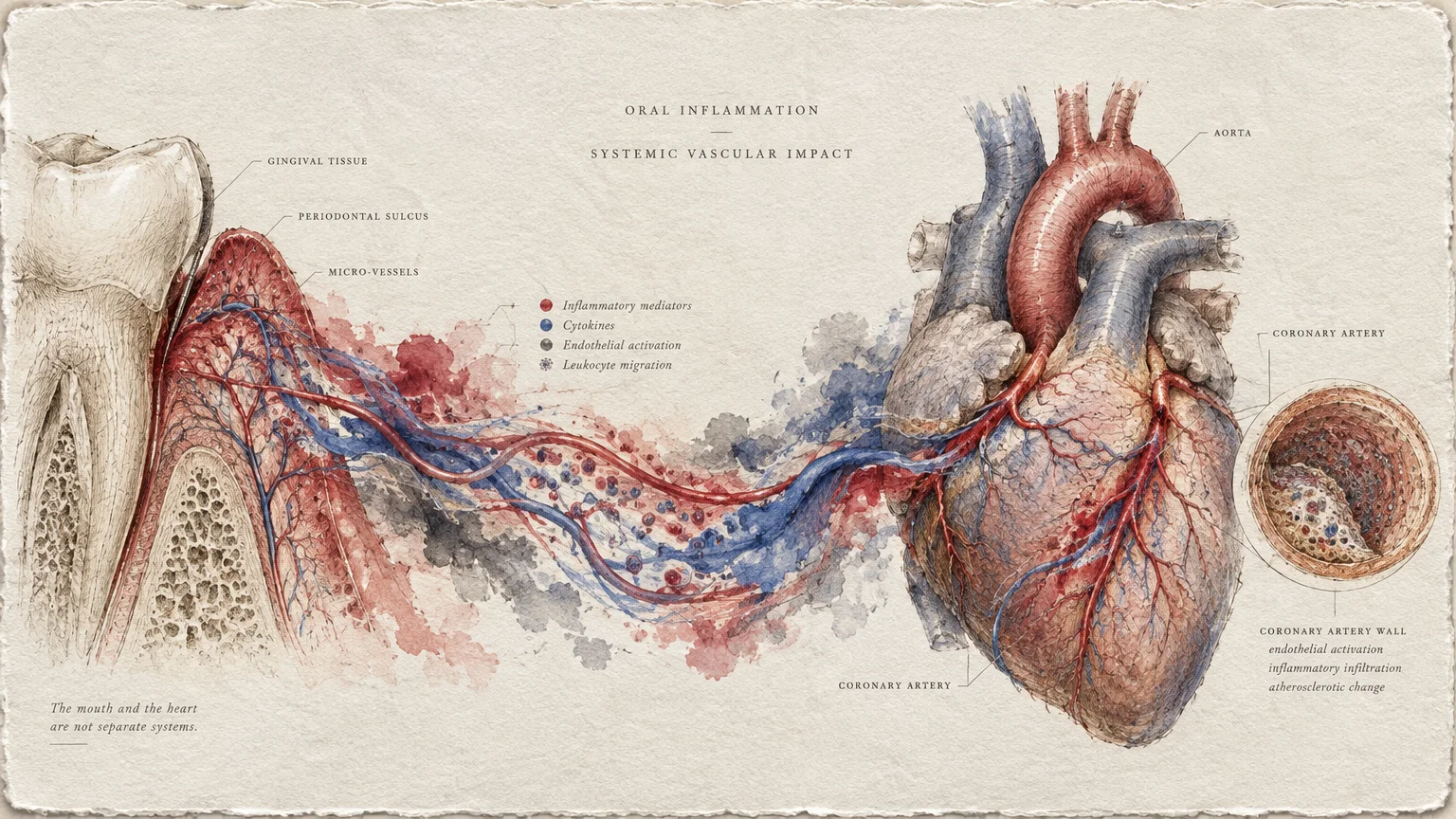
An updated American Heart Association scientific statement confirms that periodontal disease is independently associated with atherosclerotic cardiovascular disease. This vascular risk includes elevated rates of myocardial infarction, stroke, heart failure, and atrial fibrillation.
Periodontal Inflammation and Arterial Plaque
When periodontal pockets ulcerate, invasive bacteria like Porphyromonas gingivalis enter your bloodstream. This transient bacteremia provokes systemic inflammation, triggering sharp increases in C-reactive protein, interleukin-6, and tumor necrosis factor-alpha.
These circulating inflammatory mediators injure delicate endothelial linings, accelerating arterial plaque formation and increasing your long-term cardiovascular risk profile.
Atypical Jaw Pain and Referred Cardiac Pain
Your heart and jaw share sensory nerve pathways that converge within your central nervous system. During episodes of cardiac ischemia, your brain often perceives myocardial distress as pain in your lower teeth.
This referred discomfort creates a dull, heavy ache in the jawline without any evident dental decay. Women, older adults, and individuals with diabetes experience this atypical symptom far more frequently than men.
Infective Endocarditis Risks
Severe gum inflammation permits oral bacteria to enter your bloodstream during routine chewing or flossing. For individuals with structural heart defects or prosthetic valves, these circulating microbes can colonize damaged endocardial tissue.
This colonization causes infective endocarditis, a potentially fatal heart infection that requires aggressive antibiotic treatment and immediate medical intervention.
Mouth Symptoms of Cancer: Spotting Mucosal Changes
The American Cancer Society oral cancer statistics estimate roughly 60,480 new oral cavity and oropharyngeal cancer cases and 13,150 deaths annually in the United States. Men face more than twice the risk of women.
The Two-Week Rule for Persistent Lesions
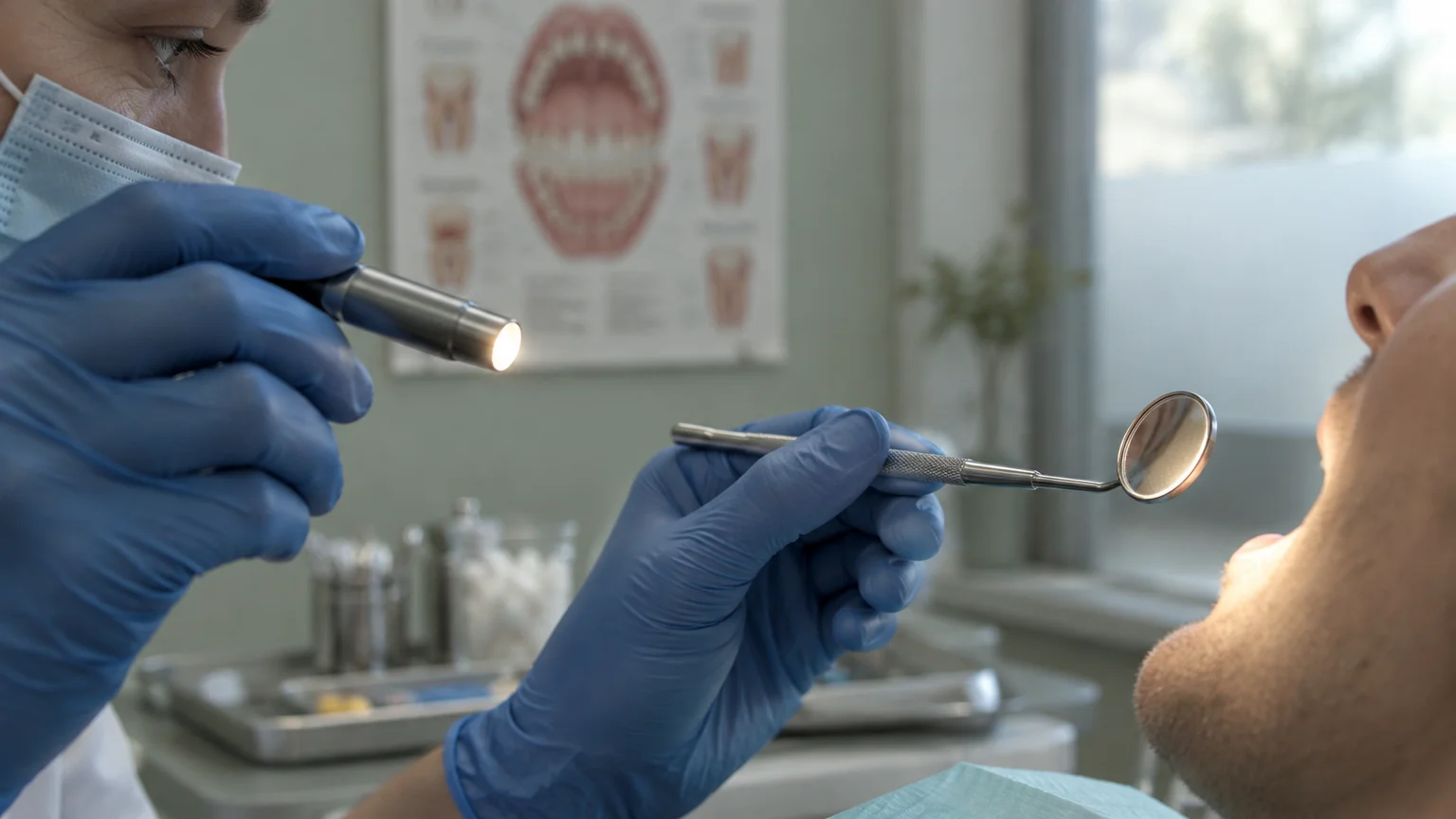
Clinical guidelines mandate that any mouth sore, non-healing ulcer, or tissue thickening persisting for more than 14 days requires professional biopsy. Many early-stage malignancies mimic harmless canker sores or minor cheek bites.
Be particularly vigilant regarding erythroplakia, which manifests as velvety red patches with high malignant potential. White patches, known as leukoplakia, also warrant evaluation if they resist gentle scraping with a soft brush.
Oropharyngeal Shifts and Rising HPV Trends
While tobacco-related oral cancers have plateaued, HPV-associated oropharyngeal cancers are increasing by 1% to 1.9% annually. These cancers primarily target lymphoid tissues in the tonsils and base of your tongue.
Subtle symptoms include chronic unilateral throat soreness, difficulty swallowing, or an unexplained lump in your neck. Consult an ear, nose, and throat specialist promptly if these sensations persist without infection.

Clinical Insights: Perspectives from Oral Medicine Experts
Dental and medical clinicians increasingly advocate for collaborative care models that connect oral findings with systemic diagnosis. Routine dental appointments often serve as the earliest opportunity to identify silent metabolic dysfunction.
Periodontists regularly encounter patients whose persistent, bleeding gum inflammation provides the initial clue to undiagnosed type 2 diabetes. Treating that oral infection often leads to measurable improvements in their systemic glycemic control.
Cardiologists likewise emphasize that controlling periodontal disease reduces systemic inflammatory markers like C-reactive protein. This clinical collaboration demonstrates that targeted oral therapies directly support your broader cardiovascular recovery efforts.

Evidence-Based Strategies to Safeguard Your Health
Protecting your body from systemic inflammation begins with practical daily habits that nourish your oral tissues. Implementing targeted nutrition, refined hygiene, and regular screenings creates a strong defense.
Nutrition and Glycemic Regulation
Limit refined carbohydrates and added sugars that feed pathogenic oral bacteria and drive glycemic spikes. Elevated glucose in saliva weakens your oral defenses and accelerates plaque biofilm formation.
Emphasize anti-inflammatory whole foods rich in antioxidants, vitamin C, and omega-3 fatty acids. Leafy vegetables, wild salmon, and berries support collagen synthesis in your gums and reduce systemic oxidative stress.
Maintain consistent daily hydration to ensure robust salivary flow. Adequate water intake clears acidic residue and provides protective antimicrobial enzymes that guard against opportunistic fungal infections.
Precision Daily Oral Hygiene
Brush gently along your gumline twice daily using a soft-bristled brush angled at 45 degrees. Aggressive scrubbing damages fragile gingival margins, while gentle circular motions effectively remove destructive bacterial plaque.
Clean between your teeth daily using interdental brushes or unwaxed dental floss. Flossing clears interproximal bacteria from deep crevices where standard toothbrushes cannot reach.
Avoid harsh alcohol-based oral rinses that dry delicate mucous membranes and disrupt your oral microbiome. Instead, choose soothing saline rinses or alcohol-free formulations that preserve natural salivary enzymes.
Collaborative Screening and Professional Care
Review the National Institute of Dental and Craniofacial Research guidelines to tailor your clinical checkup schedule. Share your complete family medical history, current medications, and chronic conditions with your dental hygienist.
Schedule professional dental debridement every three to six months based on your individual periodontal risk profile. Thorough cleanings remove hardened calculus that harbored virulent pathogens beneath your gumline.
Request a comprehensive oral cancer screening during every routine dental visit. Early visual inspection and tissue palpation detect premalignant changes when treatment is most effective.
Frequently Asked Questions
Can bleeding gums indicate an underlying heart problem?
Bleeding gums indicate active tissue ulceration that allows oral bacteria to enter your bloodstream and generate systemic inflammation. This chronic inflammatory state significantly increases your atherosclerotic cardiovascular risk.
While bleeding gums do not confirm heart disease, they warrant an evaluation by both your dental provider and your primary care physician.
Why does unmanaged diabetes cause severe dry mouth?
High blood glucose levels draw fluid from your body tissues, causing systemic dehydration that directly reduces salivary output. Chronic hyperglycemia can also damage the microvascular supply nourishing salivary glands.
If increasing your water intake fails to relieve persistent oral dryness, request a comprehensive blood glucose evaluation from your primary care provider.
What steps should I take if I spot a painless white lesion?
First, attempt to wipe the spot gently with a soft swab to see if it scrapes away. If the lesion remains firmly attached, monitor it for two weeks.
If the patch persists beyond 14 days, schedule an immediate professional dental evaluation. Early biopsy of persistent leukoplakia ensures timely identification of cellular dysplasia.
How often should individuals with chronic conditions see a dentist?
People managing diabetes or cardiovascular disease often benefit from professional cleanings every three to four months. More frequent visits prevent bacterial plaque from triggering systemic inflammatory responses.
Consult your dentist and medical specialist to design a personalized maintenance schedule that accommodates your unique systemic risk factors.
Taking Your Next Step Toward Integrated Wellness
Start by examining your mouth today under bright light, checking your gums, tongue borders, and inner cheeks for unusual patches. Take note of any persistent tenderness, bleeding, or chronic dryness you encounter.
How might addressing subtle oral changes today enhance your broader health and peace of mind? Acknowledging these minor indicators allows you to intervene before manageable issues become serious medical conditions.
Schedule your next professional dental cleaning and discuss your systemic health goals with your care team. Proactive oral care remains one of the simplest, most powerful investments in your long-term vitality.








Leave a Reply