

As you age, unexplained abdominal pain and erratic bowel habits can signal something more urgent than a temporary digestive upset, making the distinction between irritable bowel syndrome and diverticular disease critical for your long-term digestive health. You might assume your sudden bloating or lower belly ache is just another flare-up of a familiar functional disorder, but ignoring these symptoms can lead to severe infections or hospitalizations. Seniors face a unique risk because age-related structural changes in the colon often mask the development of infected pouches. Understanding these five specific warning signs empowers you to seek prompt medical intervention, avoid life-threatening complications, and establish a comprehensive colon health strategy that safeguards your daily comfort and overall longevity.
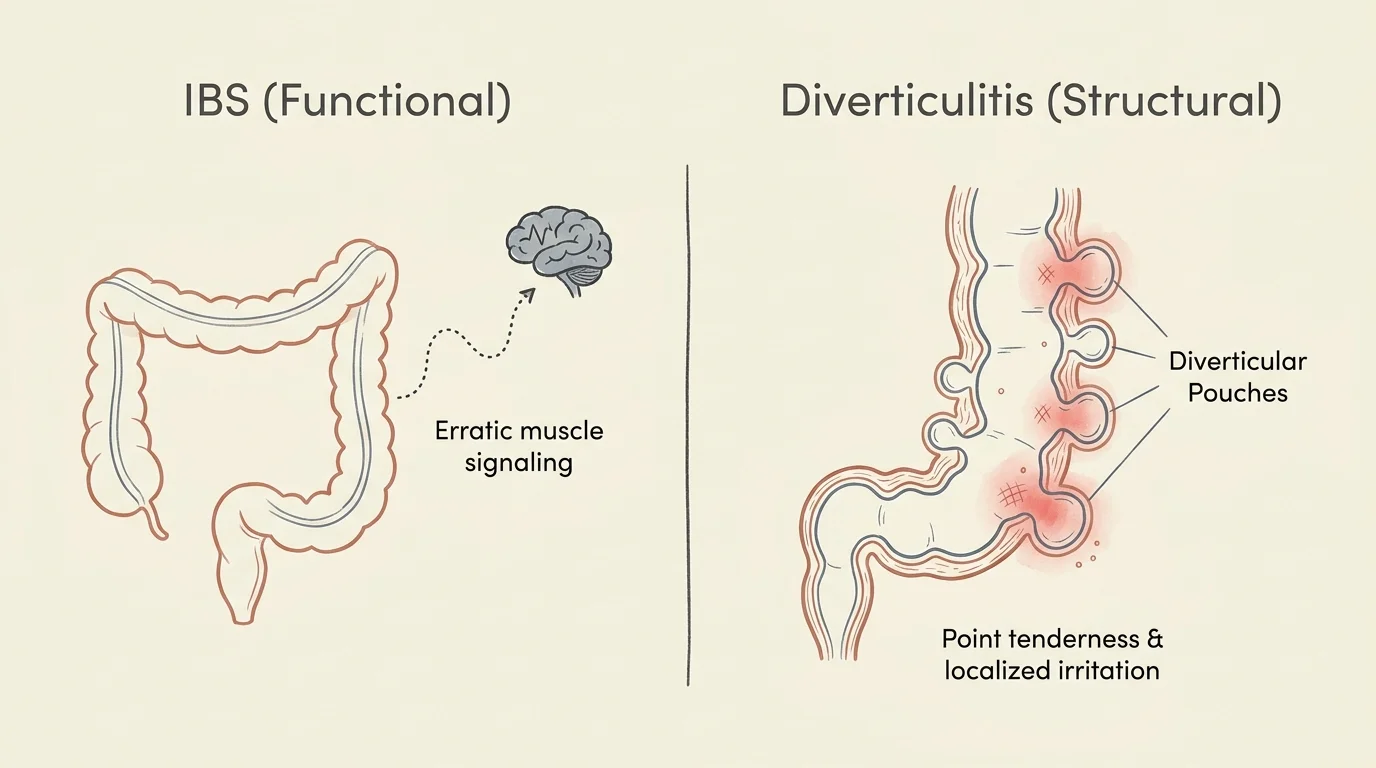
The Science Snapshot: Understanding the Diverticular Divide
Irritable bowel syndrome represents a functional disorder where your brain and your gut struggle to coordinate proper muscle contractions and pain signals. Your colon looks entirely normal under a microscope, but it behaves erratically. Conversely, diverticulitis involves a structural defect; small, bulging pouches form in the weakened lining of your digestive tract. When these pouches trap microscopic bits of stool or bacteria, they become dangerously inflamed and infected.
According to the National Institute of Diabetes and Digestive and Kidney Diseases, over half of adults will develop these structural pouches by the time they reach their sixties. Because both conditions trigger cramping, gas, and unpredictable trips to the bathroom, overlapping symptoms frequently cause seniors to delay seeking proper medical care. Recognizing the distinct clinical presentations between a functional spasm and an active structural infection dictates whether you need a simple dietary adjustment or immediate antibiotic therapy.
5 Warning Signs That Demand Immediate Medical Attention
1. Persistent, Localized Pain in the Lower Left Abdomen
When you suffer from a functional digestive disorder, the associated cramping typically migrates around your abdomen. You might feel a sharp twinge near your ribs one hour and a dull ache near your pelvis the next, often finding temporary relief immediately after passing gas or having a bowel movement. Diverticulitis paints a much different, more stubborn picture.
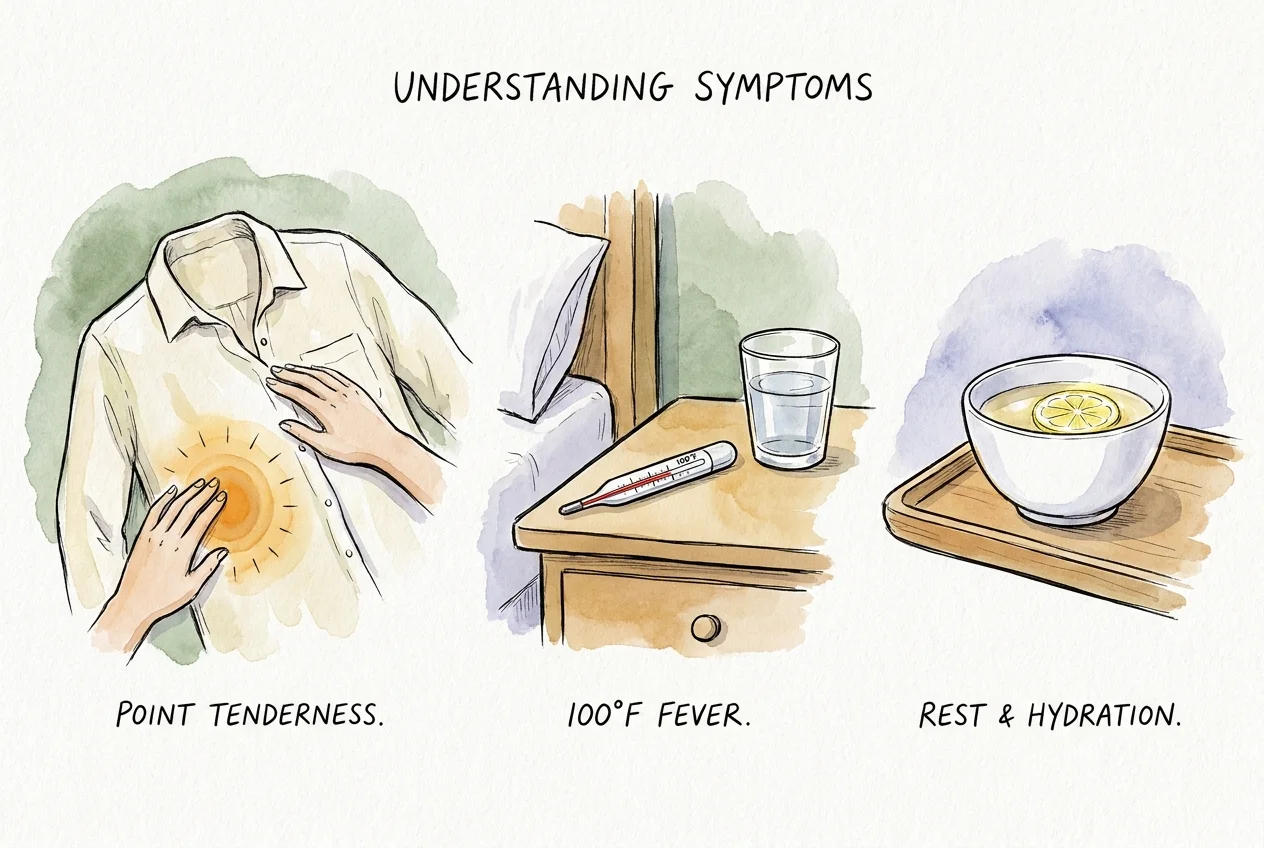
Because the pouches predominantly form in the descending colon, the resulting pain anchors itself firmly in the lower left quadrant of your abdomen. This discomfort does not fade away after you use the restroom; instead, it remains constant, steadily intensifying over several days. If pressing gently on your lower left abdomen causes a sharp spike in pain—a phenomenon medical professionals call point tenderness—you are likely dealing with localized inflammation rather than routine gas pains.
2. A Sudden Low-Grade Fever Accompanying Discomfort
Functional digestive disorders do not involve your immune system in a way that alters your core body temperature. While you might feel flushed or sweaty during a particularly severe episode of cramping, a genuine fever requires the presence of an active infection or profound systemic inflammation.
When infected pouches leak toxins into the surrounding intestinal tissues, your immune system launches a defensive response by raising your body temperature. A low-grade fever hovering around 100 degrees Fahrenheit, especially when paired with chills and lower abdominal pain, serves as a glaring red flag. Ignoring this pyretic response allows the localized infection to spread, potentially leading to an abscess or peritonitis.
3. Unexplained Nausea or Occasional Vomiting
Feeling slightly queasy occasionally accompanies severe digestive spasms, but active vomiting remains highly uncharacteristic of routine functional bowel disorders. Nausea tied to everyday digestive distress usually stems from eating a rich meal or experiencing a temporary bout of severe indigestion.
Diverticulitis forces your entire gastrointestinal tract to alter its normal motility pattern. The intense inflammation swelling inside your colon can create a localized paralysis of your bowel muscles, essentially creating a functional roadblock for digesting food. As the traffic jam backs up your digestive tract, severe nausea and vomiting frequently follow. If you cannot keep clear fluids down while experiencing abdominal pain, you must seek urgent medical evaluation to rule out a dangerous intestinal obstruction.
4. A Dramatic Shift in Bowel Habits Without Dietary Triggers
Individuals managing chronic digestive sensitivities know their specific dietary triggers. You likely understand that eating a heavy, greasy meal or consuming dairy might result in a predictable morning of loose stools. These fluctuations represent the natural ebb and flow of a sensitive gut responding to external stimuli.
An infected colon acts entirely independently of your recent meals. The severe swelling associated with the infection physically narrows the passageway of your lower intestine, often resulting in sudden, unyielding constipation. Alternatively, the inflamed tissues might expel massive amounts of mucus and loose stool as the colon frantically attempts to clear the infection. When your bowel habits change dramatically and inexplicably over a forty-eight-hour period without any obvious dietary cause, structural inflammation usually drives the change.
5. Uncharacteristic Rectal Bleeding or Unusually Dark Stools
The American College of Gastroenterology repeatedly emphasizes one critical truth regarding functional gut disorders: they never cause rectal bleeding. Seeing blood in the toilet bowl or on the tissue requires an immediate transition from managing a chronic annoyance to investigating a potentially serious medical event.
As the walls of the intestinal pouches stretch and thin out over time, the tiny blood vessels running through them become incredibly fragile. An active infection or sudden pressure shift can cause these delicate vessels to rupture, resulting in bright red blood or dark, maroon-colored stools. Even if the bleeding stops quickly on its own, it remains a definitive indicator that your symptoms stem from a structural abnormality rather than simple nerve sensitivity.
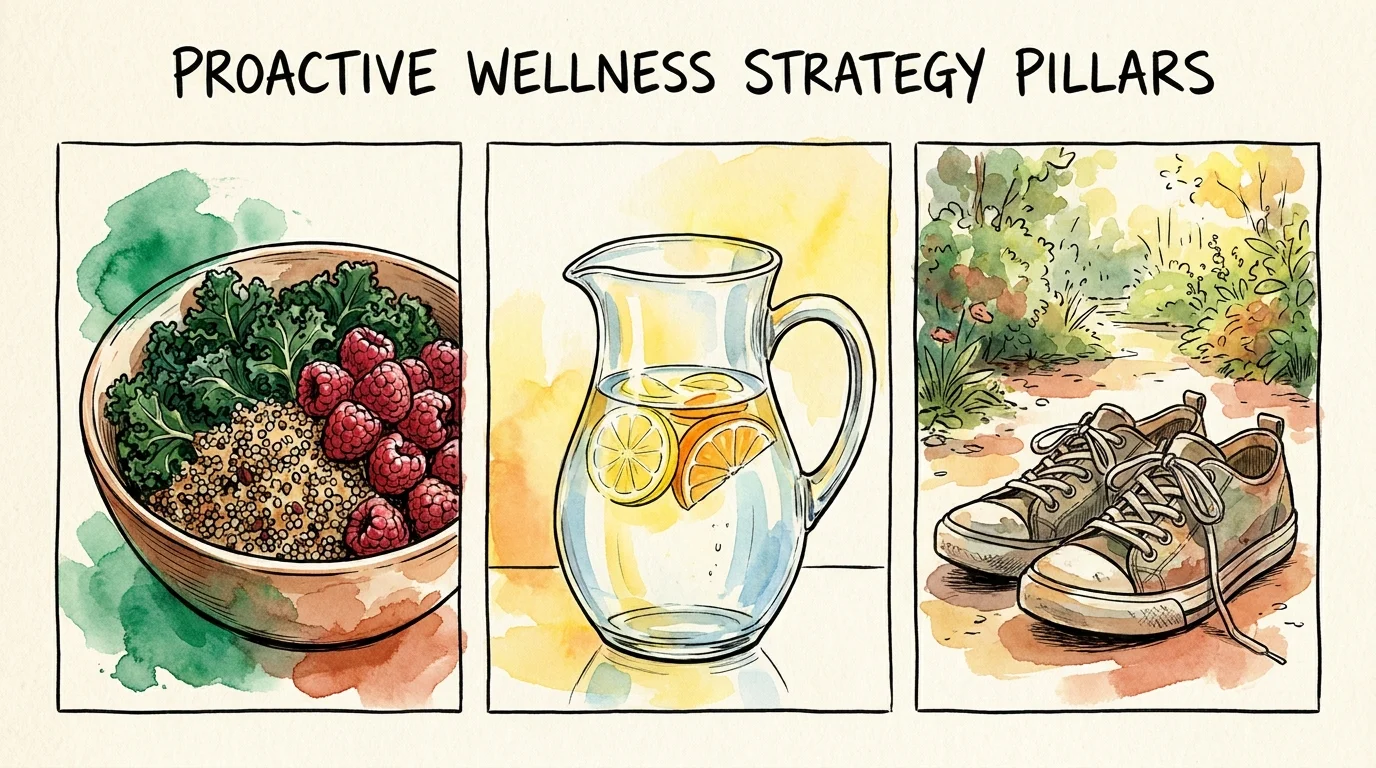
Strategy Pillars for Proactive Colon Health
Nutrition Modifications During and After a Flare-Up
Managing structural colon health requires a distinct biphasic approach to your daily nutrition. During an active attack of abdominal pain, your colon requires profound rest. Healthcare professionals typically recommend switching entirely to a clear liquid diet featuring bone broths, clear juices, and gelatin. As the inflammation subsides, you gradually introduce low-residue foods like white rice and applesauce to avoid mechanically aggravating the healing tissues.
Once you completely recover, your nutritional strategy must aggressively pivot. Consistent, daily fiber intake becomes your primary defense against future attacks. Transitioning to a plant-forward diet rich in legumes, oats, and leafy greens keeps your stool bulky and soft, preventing the dangerous pressure buildup that causes pouches to form and rupture. Acknowledging social determinants of health, if you live in an area where fresh produce proves difficult to source or afford, utilizing frozen vegetables or bulk dried lentils provides the exact same preventative benefits.
Movement Protocols to Support Digestion
Sedentary behavior directly correlates with sluggish gut motility. When you spend most of your day sitting, your colon must work twice as hard to propel waste through its muscular tubes, creating excessive pressure against weakened intestinal walls. Implementing daily physical movement acts as an external massage for your digestive organs.
You do not need to engage in high-impact exercises to protect your colon. Following the Centers for Disease Control and Prevention guidelines for moderate daily activity—such as taking a brisk thirty-minute walk, practicing gentle morning yoga, or participating in water aerobics—stimulates peristalsis. This mechanical stimulation ensures waste moves swiftly and efficiently through your digestive tract, vastly reducing the likelihood of pouch infections.
Mindset and Medical Care Integration
Your mental approach to chronic health symptoms dictates your clinical outcomes. Seniors frequently fall into the dangerous psychological trap of normalizing their physical pain, dismissing alarming new symptoms as an inevitable consequence of aging. You must cultivate a mindset that values your daily comfort and actively challenges the assumption that digestive distress is simply your burden to bear.
Integrating professional medical care into your lifestyle requires honest, proactive communication with your physician. Track your symptoms accurately, documenting the exact location of your pain and measuring your body temperature during flare-ups. This precise data allows your healthcare provider to construct an accurate clinical picture, expediting diagnostic imaging like CT scans or blood tests when infections arise.

Real Voices: Clinical Perspectives on Digestive Aging
Geriatric gastroenterologists frequently express frustration over the delayed diagnoses they observe in their clinics. Medical professionals note that many seniors endure weeks of smoldering, localized pain simply because they convinced themselves their familiar functional spasms had just grown a little more aggressive with age. Clinicians warn that this stoic endurance often transforms a highly treatable mild infection into a complex medical emergency requiring surgical bowel resection.
Patient advocates similarly highlight the relief that comes from finally receiving an accurate diagnosis. Many individuals report feeling profound vindication when a CT scan reveals active inflammation, proving that their sudden, severe pain was not merely a psychological manifestation of stress. By sharing these experiences, the medical community hopes to empower you to trust your bodily intuition when a familiar ache suddenly changes its pattern.
Frequently Asked Questions About Digestive Health
Do seeds and nuts trigger diverticulitis attacks?
For decades, physicians instructed patients to strictly avoid popcorn, seeds, and nuts, theorizing that these hard fragments would get physically trapped in the intestinal pouches. Modern clinical research entirely debunks this myth. The World Health Organization guidelines on diet and major gastroenterology societies now confirm that a diet rich in high-fiber nuts and seeds actually prevents flare-ups by keeping your stool remarkably soft and lowering overall colon pressure.
How fast do symptoms escalate compared to a typical functional disorder?
Functional spasms often hit quickly after a meal and resolve within a few hours or after a successful trip to the bathroom. An infectious flare-up escalates steadily over a period of two to three days. The pain transitions from a dull ache to a sharp, unrelenting stabbing sensation, usually culminating in a fever or complete loss of appetite.
Will a routine screening detect infected pouches?
A standard colonoscopy easily visualizes the presence of structural pouches in your colon, providing a definitive diagnosis of diverticular disease. However, physicians strongly advise against performing colonoscopies during an active, painful infection due to the high risk of puncturing the inflamed, fragile tissue. Doctors typically rely on a CT scan to diagnose an acute attack, scheduling a follow-up colonoscopy six weeks after you fully heal.
When does abdominal discomfort warrant an immediate trip to the emergency room?
You must bypass the waiting room and head directly to emergency care if your lower left abdominal pain becomes so severe that you cannot stand up straight. Furthermore, experiencing a fever above 101 degrees Fahrenheit, repeated vomiting, an inability to pass gas, or any amount of visible rectal bleeding requires immediate, acute medical evaluation to rule out a ruptured intestine.
Taking the First Step Toward Better Gut Function
Transitioning from anxious symptom-watching to empowered health management begins with a single, practical action. Place a small notebook in your bathroom today and start logging your digestive patterns, noting the specific location of any pain and its duration. This simple baseline gives you the hard data required to confidently discuss your digestive health with your doctor. By listening closely to the nuanced signals your body sends, you take command of your aging process and ensure your colon supports a vibrant, active lifestyle for years to come.








Leave a Reply