

Your aortic valve manages vital blood flow from your heart to your entire body with every beat. Spotting subtle warning signs early safeguards you against irreversible cardiovascular damage and sudden cardiac events.
Many people mistake early valve dysfunction for routine aging, brushing off creeping fatigue or mild breathlessness. Paying close attention to your body’s subtle signals preserves your vitality and expands your treatment options.
When you understand how aortic stenosis and regurgitation develop, you can seek timely medical evaluations. Here are the critical symptoms to monitor and actionable steps to protect your cardiovascular wellness.
The Science of Aortic Valve Disease
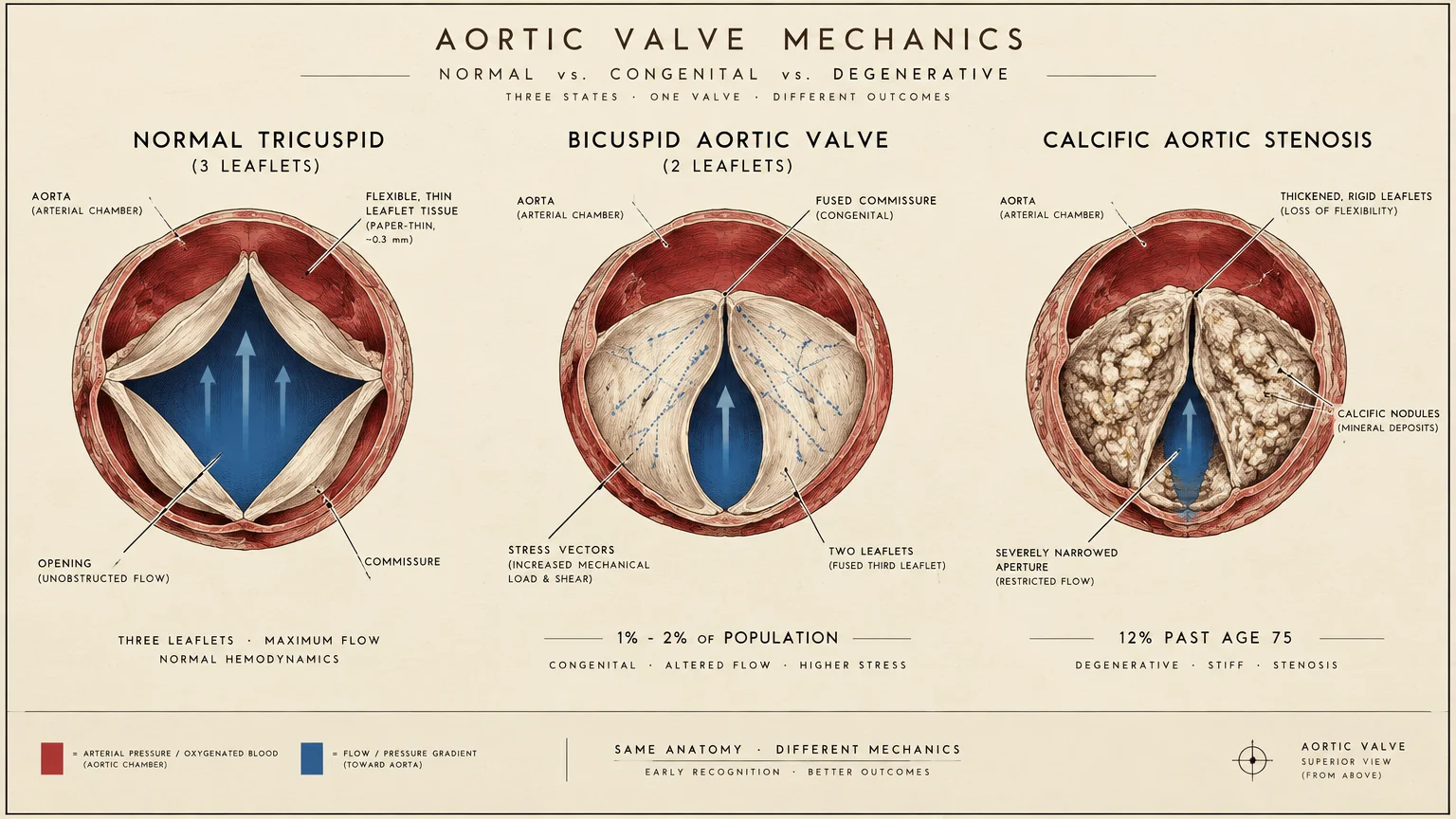
The aortic valve acts as a one-way gate between your heart’s left ventricle and your aorta. When functioning normally, it opens wide to deliver oxygen-rich blood and closes tightly to prevent backflow.
According to the Centers for Disease Control and Prevention, heart valve disease affects approximately 2.5% of the overall adult population in the United States.
Problems typically arise in two primary forms: aortic stenosis, where the valve stiffens and narrows, or aortic regurgitation, where it fails to close completely. Both conditions force your heart muscle to work harder.
Aortic stenosis affects roughly 5% of adults aged 65 and older, climbing to over 12% past age 75. In this older demographic, severe stenosis affects about 3.4% as decades of calcification progressively restrict leaflet mobility.
Congenital anatomy also creates substantial vulnerability. Between 1% and 2% of the general population is born with a bicuspid aortic valve, possessing two leaflets instead of the customary three.
This structural variation represents the most common congenital heart defect in adults. It concentrates mechanical stress across fewer tissue folds, often precipitating severe stenosis or regurgitation between the ages of 30 and 60.

7 Warning Signs of Aortic Valve Problems
1. Unexplained Chest Discomfort or Angina
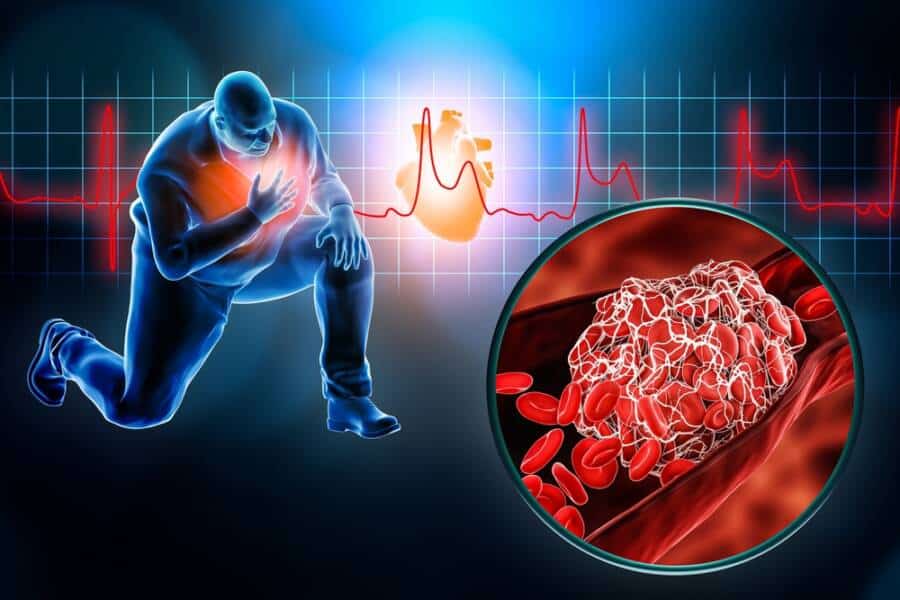
Chest tightness, burning, or squeezing pressure during exertion represents a hallmark indicator of aortic valve stenosis. Clinicians refer to this symptom as angina, which occurs when your heart muscle cannot receive adequate oxygen.
As the aortic orifice narrows, your left ventricle must generate immense pressure to force blood outward. This intense mechanical workload thickens the heart wall, compressing small coronary vessels and restricting local myocardial perfusion.
You might experience this ache radiating into your jaw, neck, shoulder, or left arm. Classic cardiovascular benchmarks demonstrate that symptomatic angina carries an untreated median survival of approximately five years.
2. Shortness of Breath During Exertion (Dyspnea)
Experiencing disproportionate breathlessness during routine tasks is often the initial functional symptom of aortic valve disease. You might struggle to complete a standard flight of stairs or feel winded carrying everyday groceries.
When a narrowed valve restricts forward blood flow, pressure increases inside your left ventricle. This elevated pressure radiates backward into your pulmonary veins, forcing microscopic fluid into delicate lung tissue.
Research highlighted by the American Heart Association identifies dyspnea as an unmistakable manifestation of advancing heart failure. Without intervention, patients face an untreated median survival of approximately 1.5 to 2 years.
3. Lightheadedness, Dizziness, or Fainting (Syncope)
Sudden episodes of lightheadedness or unprovoked fainting spells indicate severe hemodynamic compromise across your aortic valve. Clinicians categorize this fainting as exertional syncope, which happens when cerebral blood supply drops abruptly.
During physical activity, peripheral blood vessels in your working muscles naturally dilate to deliver oxygen. However, a rigid, calcified aortic valve cannot increase cardiac output to meet this systemic demand.
Consequently, your blood pressure drops precipitously, starving your brain of necessary oxygen. Cardiovascular data show that patients with exertional syncope face an untreated median survival timeline of roughly three years.
4. Disproportionate Fatigue and Loss of Stamina
Pervasive, heavy exhaustion that fails to improve with adequate nighttime sleep frequently signals cardiac inefficiency. You might find yourself abandoning beloved hobbies or needing multiple daytime naps to survive basic daily routines.
When your aortic valve obstructs systemic circulation, vital organs and working skeletal muscles suffer from reduced oxygenation. Your metabolism attempts to compensate by conserving energy, producing profound physical lethargy.
5. Heart Palpitations and Irregular Rhythms
A fluttering sensation, thumping pulse, or feeling like your heart skipped a beat reflects rising ventricular strain. Chronic pressure overload forces the muscular walls of your heart to stretch and thicken over time.
This structural alteration disrupts normal electrical pathways, frequently initiating secondary arrhythmias like atrial fibrillation. Atrial fibrillation further impairs forward cardiac output, elevating your risk of systemic blood clots and stroke.
6. Swelling in the Feet, Ankles, or Legs (Edema)
Persistent swelling in your lower extremities suggests that your circulatory system is struggling with fluid congestion. When your left ventricle fails to pump effectively, venous pressures rise backward throughout your entire body.
Gravity draws this backed-up vascular fluid down into the interstitial spaces of your ankles, feet, and shins. You may notice tight footwear or deep indentations left by your sock elastic at day’s end.
7. Breathing Difficulties When Lying Flat (Orthopnea)
Finding yourself unable to sleep comfortably without stacking multiple pillows beneath your head points directly to orthopnea. When you lie horizontally, gravity redistributes blood from your legs into your central thoracic cavity.
An overburdened heart cannot accommodate this sudden influx of venous blood, spiking capillary pressure inside your lungs. The resulting fluid congestion provokes immediate coughing fits, wheezing, and an alarming sensation of suffocation.
Many patients find temporary relief by sitting upright on the edge of the bed or sleeping in armchairs. Discuss this positional breathlessness with your healthcare provider immediately to prevent acute pulmonary complications.

Diagnostic Realities and Clinical Detection
Despite the progressive nature of these physical warnings, heart valve disorders remain extensively underdiagnosed in clinical settings. Many individuals adapt subconsciously by slowing down, which inadvertently masks the true severity of their condition.
A real-world database study published in the Journal of the American College of Cardiology revealed that over 39% of patients diagnosed with severe aortic stenosis remain untreated within four years of diagnosis.
This staggering therapeutic gap highlights significant delays in symptom recognition, clinical referral, and timely surgical intervention. A skilled physician can often detect an abnormal heart murmur simply by performing stethoscope auscultation during an annual wellness check.
Per clinical guidelines from the American College of Cardiology, a transthoracic echocardiogram serves as the definitive gold-standard diagnostic tool. This non-invasive ultrasound confirms aortic valve narrowing, evaluates leaflet calcification, and measures blood-flow velocity.
Swift diagnosis is critical because untreated symptomatic aortic stenosis carries an approximate 50% mortality rate within one to two years without valve repair or replacement. Early detection preserves your myocardium and keeps less invasive treatment options open.

Holistic Action Pillars for Valve and Heart Health
1. Heart-Supportive Nutrition and Sodium Management
Nutritional strategies cannot dissolve calcified valve leaflets, but they significantly ease the mechanical workload placed on your heart muscle. Focus on whole, nutrient-dense foods including dark leafy greens, antioxidant-rich berries, legumes, and healthy unsaturated fats.
Strict sodium management is vital for controlling systemic fluid volume and stabilizing resting blood pressure. Restricting sodium intake to under 2,000 milligrams daily minimizes fluid retention, keeping pulmonary pressures within safer thresholds.
2. Tailored Movement and Energy Conservation
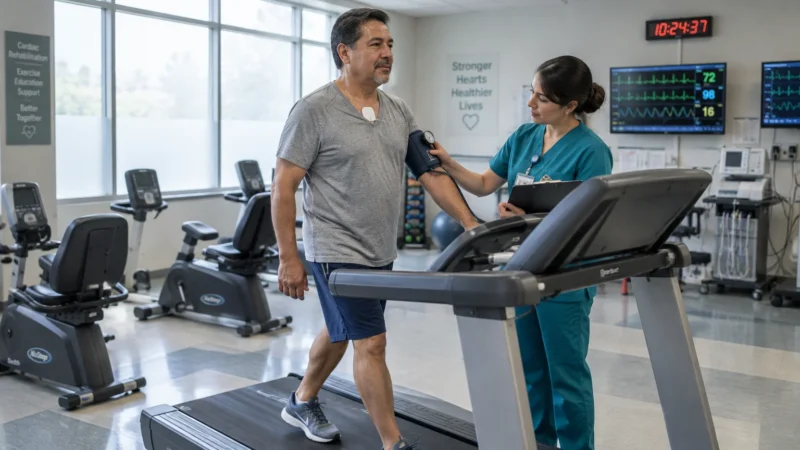
Regular physical activity preserves your muscle strength and cardiovascular endurance, but structural valve disease requires modified exercise boundaries. You should avoid heavy weightlifting, intense isometric straining, and high-intensity interval workouts entirely.
Intense straining causes sudden spikes in intrathoracic and arterial pressure, which dangerously overtaxes a stenotic valve. Choose gentle, steady aerobic options such as walking on level ground, gentle stretching, or monitored stationary cycling.
Always consult your cardiologist or a certified clinical exercise physiologist before initiating any new fitness routine. If you ever experience chest tightness, sudden breathlessness, or lightheadedness while moving, stop immediately and rest.
3. Nervous System Regulation and Stress Reduction
Sustained emotional stress floods your bloodstream with catecholamines, elevating your resting heart rate and constricting peripheral blood vessels. Over time, persistent sympathetic activation forces an already burdened left ventricle to labor harder.
Integrate deliberate relaxation practices into your daily routine to stimulate your vagus nerve and encourage parasympathetic tone. Simple techniques like diaphragmatic breathing, progressive muscle relaxation, and mindfulness meditation reliably decrease autonomic strain.
Coping with a chronic cardiovascular condition can also cause understandable anxiety and emotional distress. Connecting with dedicated patient support communities or consulting a mental health professional builds emotional resilience throughout your journey.
4. Collaborative Medical Care and Routine Monitoring
Proactive partnership with an experienced cardiologist forms the cornerstone of effective heart valve management. Serial echocardiograms allow your specialist to measure subtle hemodynamic changes and intervene before permanent myocardial dysfunction occurs.
Keep a structured daily log documenting your resting blood pressure, pulse, body weight, and exertion tolerance. Bringing this longitudinal data to your regular appointments assists your care team in tailoring clinical recommendations.
Educate yourself regarding advanced structural interventions, including surgical aortic valve replacement and minimally invasive transcatheter aortic valve replacement. Understanding your treatment options relieves fear and equips you to make confident medical choices.

Perspectives From Clinical Practice
Cardiologists frequently observe that the greatest obstacle in treating aortic valve disease is late presentation. Patients often unconsciously modify their daily habits—taking the elevator or walking slower—convincing themselves that nothing is medically wrong.
Clinicians emphasize that gradual functional decline is not an inevitable byproduct of aging. By seeking an early echocardiogram, patients preserve their ventricular function and gain access to safer, highly effective therapeutic options.
Frequently Asked Questions
Can lifestyle changes reverse aortic valve stenosis?
Dietary improvements and exercise cannot dissolve calcium deposits or reopen a mechanically narrowed aortic valve. However, evidence-based lifestyle changes manage systemic hypertension, reduce arterial stiffening, and protect remaining heart muscle function.
Work closely with your cardiologist to implement sustainable lifestyle adjustments alongside your prescribed clinical treatment plan. Medical monitoring remains essential to track structural progression accurately over time.
How rapidly does aortic valve disease progress?
Disease progression varies widely among individuals, influenced by congenital valve anatomy, smoking history, and metabolic health. While mild narrowing may remain dormant for years, calcification typically accelerates once the disease reaches moderate severity.
Following surveillance protocols from the National Heart, Lung, and Blood Institute ensures that any sudden hemodynamic decline is detected without delay.
What is the difference between aortic stenosis and regurgitation?
Aortic stenosis occurs when valve leaflets stiffen and fuse, creating a restricted opening that blocks forward blood ejection. Aortic regurgitation occurs when valve leaflets fail to coapt tightly, allowing pumped blood to leak backward.
Stenosis forces your ventricle to generate extreme pressure, while regurgitation causes chronic volume overload and chamber dilation. Both mechanical defects eventually manifest with similar warning signs, including fatigue, dyspnea, and exercise intolerance.
Is surgery immediately necessary upon diagnosis?
Procedural intervention is rarely required immediately for mild or moderate valve disease that causes no physical symptoms. Instead, your medical team will implement watchful waiting, utilizing periodic echocardiograms to track structural alterations.
Once severe stenosis produces symptoms, valve replacement becomes necessary to restore healthy circulatory dynamics and prevent heart failure. Modern transcatheter options now offer minimally invasive repair pathways with significantly faster recovery times.
Taking Your First Steps Forward
Safeguarding your long-term cardiovascular wellness begins with paying deliberate attention to your daily physical capacity. Schedule an annual wellness exam today and ask your healthcare provider to perform a focused cardiac auscultation.
Take a quiet moment to reflect on your physical stamina over the past several months. Have you subtly reduced your physical activities or brushed aside lingering exhaustion as simple aging?







Leave a Reply