

Your lungs silently sustain every moment of your day, yet subtle breathing changes often reveal hidden respiratory strain long before serious illness develops. Recognizing critical lung health signs allows you to take protective action and preserve your respiratory stamina.
Many people dismiss mild breathing problems as normal aging or seasonal fatigue. Unfortunately, delaying medical attention can turn manageable airway inflammation into irreversible tissue damage.
Learning to identify key warning signs empowers you to schedule timely medical evaluations and protect your vitality. Paying close attention to your daily respiratory baseline gives you lasting peace of mind.
The Science of Respiratory Health and Early Detection
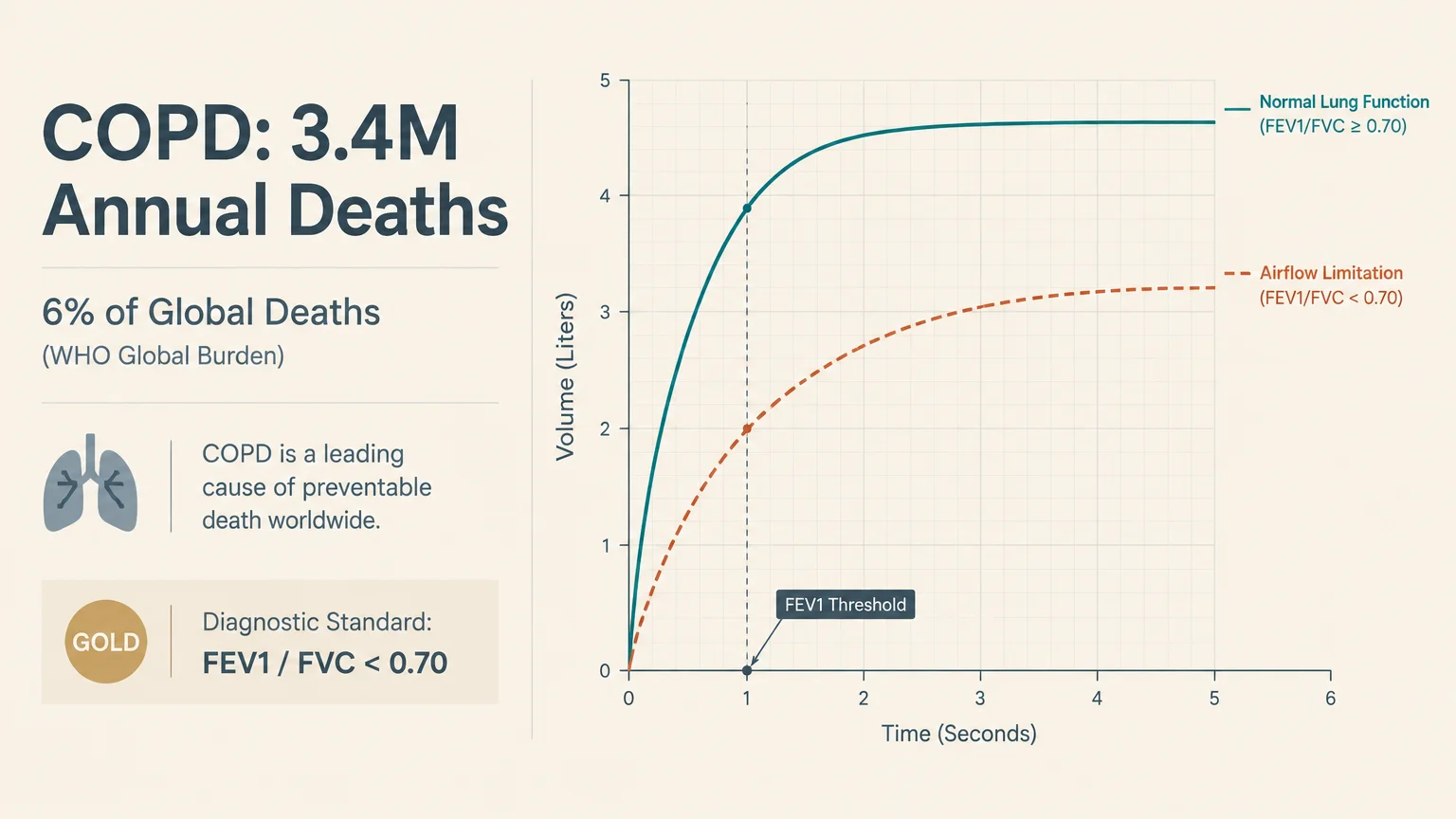
Chronic Obstructive Pulmonary Disease currently ranks as the third leading cause of death worldwide. According to the World Health Organization, COPD claims roughly 3.4 million lives annually, representing approximately 6% of all global deaths.
Unlike musculoskeletal tissue, your pulmonary parenchyma lacks pain-sensing nerves within the alveoli. Consequently, progressive airway narrowing and alveolar destruction can advance quietly for years before prompting obvious clinical distress.
Pulmonologists utilize noninvasive spirometry testing to measure functional lung capacity and detect obstructive deficits. A post-bronchodilator ratio of forced expiratory volume in one second to forced vital capacity below 0.70 establishes irreversible airflow limitation under GOLD diagnostic standards.
Early detection interrupts this progressive decline before permanent structural remodeling occurs. Routine monitoring of functional breathing markers enables clinicians to preserve your alveolar surface area and optimize microvascular oxygen exchange.
Nine Lung Health Signs Worth Checking
1. Chronic Cough Lasting Eight Weeks or More
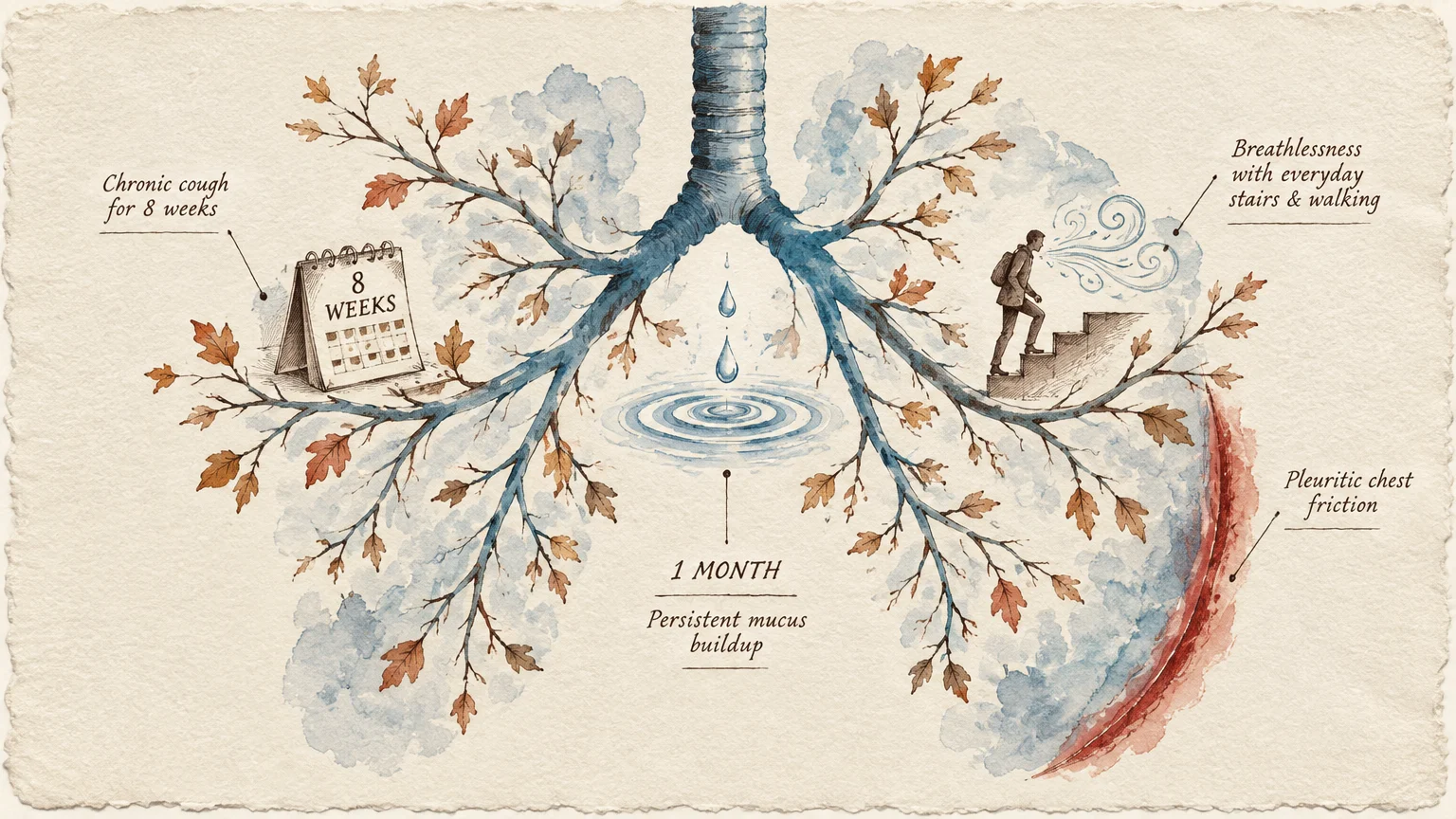
A standard viral cough generally resolves within two to three weeks as airway inflammation subsides. However, a cough persisting for eight weeks or longer meets the clinical definition of a chronic cough.
Guidelines from the American College of Chest Physicians recommend diagnostic evaluation for an eight-week cough to investigate underlying asthma, chronic bronchitis, gastroesophageal reflux, or post-nasal drip. Chronic coughing signals active, unaddressed airway irritation.
2. Persistent Mucus Production for Over a Month
Bronchial epithelial cells produce modest amounts of clear phlegm to trap inhaled pathogens and particulate matter. When your airways churn out excessive sputum continuously for one month or longer, chronic airway inflammation is underway.
The American Lung Association identifies this one-month mucus threshold as a primary warning sign of chronic bronchitis or bronchiectasis. You should track whether your sputum appears thick, sticky, or discolored throughout the day.
3. Unexplained Shortness of Breath During Routine Activities
Breathlessness following vigorous athletic training reflects normal physiological exertion. In contrast, feeling winded while folding laundry, climbing a short flight of stairs, or walking to your car indicates dyspnea on exertion.
This insidious symptom often prompts individuals to subconsciously lower their physical activity instead of seeking clinical support. Any unexpected change in your breathing effort during modest everyday exertion warrants a comprehensive lung health check.
4. Chronic Chest Pain or Discomfort
Unexplained chest discomfort lingering for a month or more requires diligent medical exploration. Clinicians pay particular attention to pleuritic chest pain, which intensifies sharply whenever you take a deep breath or cough.
The American Lung Association notes that persistent chest pain can indicate pleural inflammation, pulmonary lesions, or vascular strain. Never dismiss lingering thoracic soreness as simple skeletal strain or temporary muscular fatigue.
5. Wheezing or Stridor During Normal Breathing
Wheezing produces a musical whistling sound when exhaled air squeezes through narrowed, inflamed bronchial passages. This sound frequently marks reactive airway diseases like asthma, chronic obstructive pulmonary disease, or acute allergic responses.
Stridor, by contrast, generates a harsh vibration during inhalation that originates in the upper trachea or larynx. This distinct sound signals critical upper airway obstruction and necessitates an immediate professional medical evaluation.
6. Coughing Up Blood or Rust-Colored Sputum
Coughing up blood, clinically termed hemoptysis, represents an urgent warning sign that demands immediate clinical evaluation. Even faint pink streaks or rust-tinted specks within morning mucus require professional diagnosis.
This sign can indicate acute bronchitis, invasive infections, pulmonary vascular conditions, or bronchial tumors. Seeking rapid clinical evaluation preserves lung architecture and rules out life-threatening pulmonary complications.
7. Low Blood Oxygen Saturation
A fingertip pulse oximeter assesses peripheral capillary oxygen saturation, known clinically as SpO2. Healthy adults operating at sea level routinely display oxygen saturation values between 95% and 100%.
Readings that fall consistently below 90% define hypoxemia, an acute or chronic condition where vital organs receive insufficient oxygen delivery. Individuals with chronic medical conditions should seek evaluation if readings remain at or below 92%.
8. Unexplained Fatigue and Exercise Intolerance
When compromised airways or stiffened lung tissue impede ventilation, your respiratory muscles must work substantially harder with every breath. This disproportionate muscular labor consumes massive metabolic energy, leaving you profoundly drained.
Subtle hypoxemia also undermines cellular energy production across peripheral skeletal muscles. If you experience persistent lethargy despite getting adequate rest, an underlying pulmonary constraint may be limiting your stamina.
9. Chronic Hoarseness or Voice Changes
A raspy or strained voice that lingers longer than three or four weeks warrants comprehensive medical inspection. The left recurrent laryngeal nerve, which regulates vocal cord movement, travels deep into your thoracic cavity near the lungs.
Enlarged mediastinal lymph nodes, pulmonary masses, or severe chronic inflammation can compress this delicate nerve pathway. Investigating lasting vocal changes helps identify thoracic structural changes before major breathing difficulties emerge.
Holistic Strategy Pillars for Long-Term Lung Vitality
Medical Evaluation and Preventative Screenings
Regular preventive care forms your primary defense against silent pulmonary disease progression. Comprehensive lung examinations allow physicians to auscultate faint crackles, detect early wheezes, and order targeted diagnostic imaging.
The U.S. Preventive Services Task Force recommends annual screening with low-dose computed tomography for adults aged 50 to 80 who have a 20 pack-year smoking history. This vital guideline applies to individuals who currently smoke or who have quit within the past 15 years.
Low-dose CT scans identify suspicious pulmonary nodules when therapeutic interventions remain most successful. If you meet these screening criteria, speak with your doctor to coordinate this potentially life-saving annual scan.
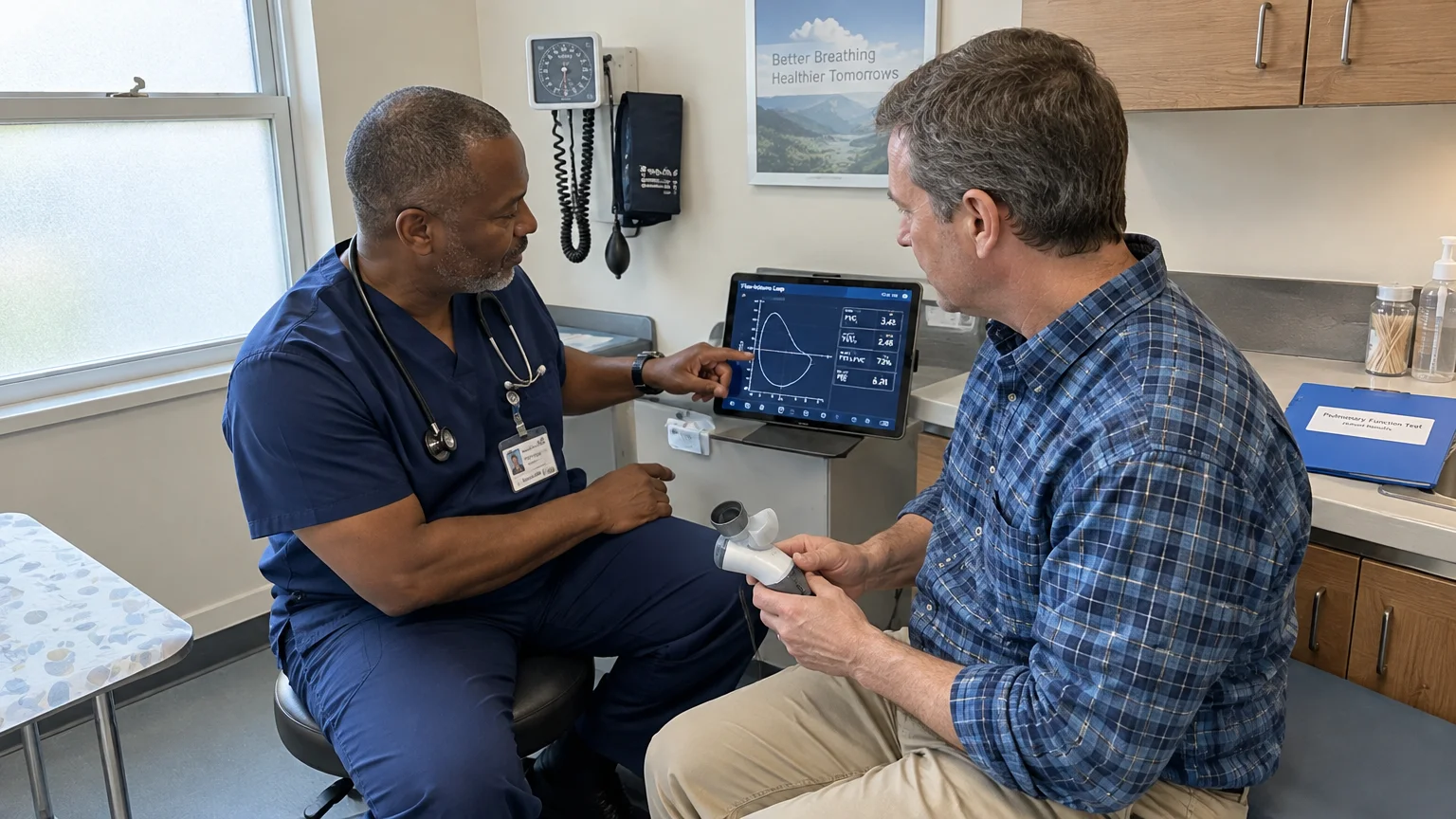
Furthermore, specialized spirometry testing objectively confirms whether your airways have developed measurable airflow limitations. Combining clinical screenings with prompt symptom reporting guarantees prompt and accurate treatment.
Nutritional Support and Airway Inflammation
The food you consume directly influences oxidative stress markers and systemic inflammatory tone throughout your airway epithelium. A nutrient-dense dietary pattern featuring colorful vegetables, dark berries, and wholesome legumes strengthens cellular resilience.
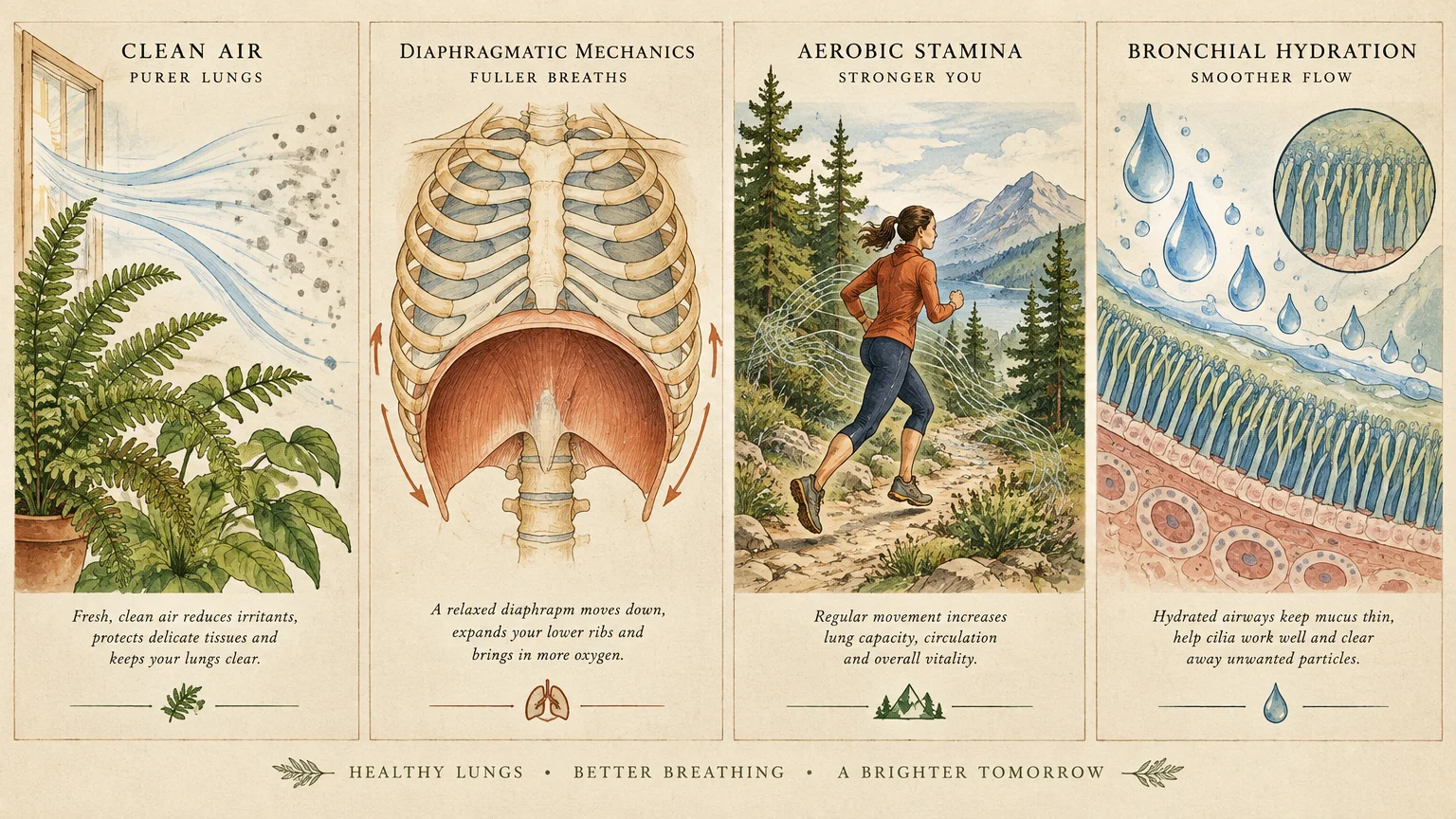
Omega-3 fatty acids found in wild salmon, chia seeds, and walnuts help downregulate pro-inflammatory eicosanoid pathways in bronchial tissue. Clinical dietitians emphasize that consistent systemic hydration thins airway secretions, facilitating productive mucosal clearance.
Emerging research also highlights the protective role of optimal vitamin D status in maintaining respiratory immune defenses. Adequate vitamin D levels support antimicrobial peptide synthesis within the bronchial lining, reducing susceptibility to respiratory infections.
Physical Movement and Breathwork Training
Cardiovascular conditioning challenges your heart and lungs to cooperate efficiently, optimizing systemic oxygen delivery. Engaging in moderate aerobic exercise like power walking, rowing, or swimming enhances ventilatory endurance and vital capacity.
Structured breathwork practices provide direct mechanical conditioning for your diaphragm and intercostal musculature. Pursed-lip breathing creates gentle backpressure in your airways, preventing distal bronchioles from collapsing during active exhalation.
Diaphragmatic breathing trains your body to abandon shallow, anxiety-driven chest breathing in favor of deep abdominal expansion. Practicing these conscious breathing exercises for ten minutes each day promotes autonomic balance and maximizes alveolar ventilation.
Environmental Mindset and Air Quality Defense
Your immediate environment directly affects the cellular health of your delicate respiratory membranes. Investing in medical-grade HEPA air purifiers removes fine particulate matter, mold spores, and household pet dander from your indoor air.
Check your regional Air Quality Index daily before undertaking strenuous outdoor exercise, particularly during summer heatwaves or wildfire seasons. On days with elevated particulate pollution, shift your cardiovascular workouts to well-ventilated indoor spaces.
Conduct a home radon test to evaluate invisible radioactive gas accumulation within basements and ground-floor living areas. Eliminating indoor aerosol sprays, synthetic fragrances, and combustion smoke protects your bronchial epithelial barrier.
Recognize that access to clean air remains deeply intertwined with socioeconomic status and urban neighborhood infrastructure. Supporting clean-air initiatives fosters collective respiratory well-being while safeguarding your personal living environment.
Clinical Perspectives and Patient Realities
Pulmonary specialists observe that patients often adapt to gradual breathlessness by scaling back their lifestyle rather than seeking medical advice. Clinicians stress that breathlessness during everyday tasks should never be accepted as an unavoidable consequence of aging.
Keeping a written symptom log transforms vague physical complaints into actionable clinical data for your diagnostic team. Documenting when coughs peak, how mucus appears, and what activities trigger shortness of breath accelerates diagnostic accuracy.
Patients who address their symptoms early consistently report greater long-term independence and superior functional capacity. Partnering proactively with your medical team replaces anxiety with a clear, evidence-based plan for respiratory health.
Frequently Asked Questions About Lung Health Signs
Can seasonal allergies cause symptoms that mimic chronic lung disease?
Yes, allergic rhinitis and environmental sensitivities can trigger chronic dry coughing, throat irritation, and reactive airway bronchospasms. However, if your symptoms persist beyond typical pollen seasons or provoke true wheezing, schedule clinical testing to rule out asthma.
What is the key diagnostic difference between asthma and COPD?
Asthma typically presents with reversible airway obstruction that improves significantly following the administration of a bronchodilator. In contrast, COPD involves permanent, progressive airflow limitation characterized by a post-bronchodilator FEV1/FVC ratio below 0.70.
When should a low pulse oximeter reading prompt urgent emergency care?
Any resting oxygen reading consistently below 90% indicates hypoxemia and necessitates immediate medical evaluation. If your low reading occurs alongside chest pain, blue-tinted lips, or acute shortness of breath, seek emergency medical care without delay.
How does air quality affect daily respiratory symptom thresholds?
Microscopic particulate matter penetrates deep into lung tissue, triggering acute airway inflammation and dynamic bronchoconstriction. On high-pollution days, vulnerable individuals experience increased airway resistance and heightened symptom severity even during modest exertion.
Your Next Step Toward Respiratory Wellness
Cultivating optimal lung health begins with honest self-awareness and steady, proactive habits. Take a quiet moment right now to observe your natural breathing pattern, rhythm, and resting comfort.
If you notice any lingering cough, unexplained breathlessness, or persistent chest tightness, do not wait for symptoms to intensify. Schedule a comprehensive lung health check with your healthcare provider to protect your respiratory vitality for years to come.









Leave a Reply