

Recognizing the subtle warning signs of erratic blood sugar allows you to protect your long-term metabolic health and reclaim steady daily energy before chronic complications develop. When your body struggles to balance glucose, it rarely remains silent; instead, it sends distinct physical signals that many people mistakenly dismiss as ordinary stress, aging, or fatigue. Persistent afternoon exhaustion, sudden irritability between meals, and disruptive midnight awakenings often point directly to sharp glycemic spikes and precipitous crashes. By paying close attention to these physiological cues, you can take informed, proactive steps toward metabolic stability through targeted daily habits and clinical guidance.

Seven Critical Signs Your Blood Sugar Needs Attention
Your body relies on glucose as its primary cellular fuel, but rapid fluctuations create metabolic turbulence. When blood sugar surges too high or plummets too fast, your nervous and endocrine systems react immediately. Paying attention to specific bodily patterns helps you identify whether your daily habits support or disrupt metabolic equilibrium.
1. The Severe Post-Meal Energy Crash
If you routinely experience an overwhelming urge to nap 45 to 90 minutes after eating, you may be experiencing reactive hypoglycemia. When you consume a meal heavy in refined carbohydrates or lacking sufficient protein, your blood glucose spikes rapidly. In response, your pancreas oversecretes insulin to clear the excess sugar from your bloodstream. This exaggerated insulin response drives circulating glucose down too quickly, starving your brain cells of immediate fuel and leaving you feeling utterly exhausted, heavy, and lethargic.
2. Intense Sugar Cravings and “Hanger”
Sudden, intense irritability when meals are delayed indicates that your brain is struggling with dropping fuel levels. As circulating glucose dips below optimal operating levels, your body releases stress hormones like epinephrine and cortisol to mobilize stored glucose. This biochemical surge triggers acute anxiety, agitation, and an urgent physiological craving for fast-acting sweets or starches. When you notice that missing a meal by thirty minutes ruins your emotional composure, your glycemic control warrants a closer look.
3. Midnight Awakenings with a Racing Heart
Waking up abruptly between 2:00 a.m. and 4:00 a.m. with night sweats or a pounding pulse is a classic sign of nocturnal hypoglycemia. When glucose levels drop excessively low during sleep, your adrenal glands release a counter-regulatory burst of adrenaline to prevent a dangerous crash. This hormonal jolt activates your sympathetic nervous system, pulling you out of deep restorative sleep and leaving you wired, anxious, and unable to drift back to sleep easily.
4. Persistent Brain Fog and Mental Fatigue
Your brain consumes roughly 20 percent of your body’s total glucose energy, making neural tissue exceptionally sensitive to glycemic swings. Rapid spikes cause temporary neuroinflammation, while steep crashes deprive neurons of energy, resulting in sluggish processing, poor working memory, and difficulty concentrating on complex tasks. If your mental clarity fluctuates wildly throughout the day regardless of your morning caffeine intake, unstable glucose levels may be clouding your cognitive function.
5. Stubborn Visceral Weight Accumulation
Frequent blood sugar spikes force your body to maintain elevated circulating insulin levels throughout the day. Because insulin functions as your primary fat-storage hormone, persistently high levels signal your body to store excess glucose as visceral fat around your abdomen while actively blocking the breakdown of stored fat for fuel. If you maintain a consistent exercise routine yet experience unexplained abdominal weight gain, underlying insulin resistance and blood sugar volatility may be resisting your efforts.
6. Excessive Thirst Coupled with Frequent Urination
When blood glucose climbs above normal physiological thresholds, your kidneys work overtime to filter and eliminate the excess sugar through your urine. This osmotic diuretic effect pulls essential fluids and electrolytes from your tissues, leading to chronic dehydration, a dry mouth, and an unquenchable thirst. If you find yourself visiting the restroom every hour and drinking water constantly without feeling hydrated, your body is actively trying to dilute and expel surplus bloodstream sugar.
7. Unprovoked Jitters, Shakiness, and Sudden Anxiety
Physical shakiness, trembling hands, and sudden heart palpitations that vanish within fifteen minutes of eating point directly toward rapid glucose drops. Clinical guidelines define mild hypoglycemia as a blood glucose drop below 70 mg/dL, while drops below 54 mg/dL represent clinically significant hypoglycemia capable of triggering severe dizziness, confusion, and muscle tremors. When your glucose fluctuates erratically, your autonomic nervous system reacts to these drops as acute survival emergencies.

The Science of Glycemic Variability and Long-Term Health
Glycemic variability refers to the magnitude, frequency, and speed of blood glucose fluctuations over a given period. Research documented by the National Institutes of Health demonstrates that repeated glucose spikes and rapid plunges induce more oxidative stress and endothelial dysfunction than sustained, mild hyperglycemia. Each sharp spike generates reactive oxygen species that damage delicate blood vessels, promote arterial stiffness, and trigger systemic low-grade inflammation.
According to the Centers for Disease Control and Prevention, an estimated 115.2 million American adults—more than one in three—live with prediabetes, yet roughly 80 percent of them remain completely unaware of their condition. Furthermore, approximately 40.1 million Americans have diabetes, and 27.6 percent of those individuals (nearly 11 million people) remain undiagnosed. Tracking glycemic fluctuations early allows you to intercept metabolic deterioration decades before irreversible vascular or nerve damage occurs.
Understanding Clinical Benchmarks and Diagnostic Numbers
To evaluate where your metabolic health stands, clinical organizations establish standardized diagnostic criteria. The American Diabetes Association recommends that universal screening for prediabetes and type 2 diabetes begin at age 35 for all asymptomatic adults, or earlier for individuals with elevated risk factors such as a body mass index above 25 kg/m² or a family history of metabolic disease.
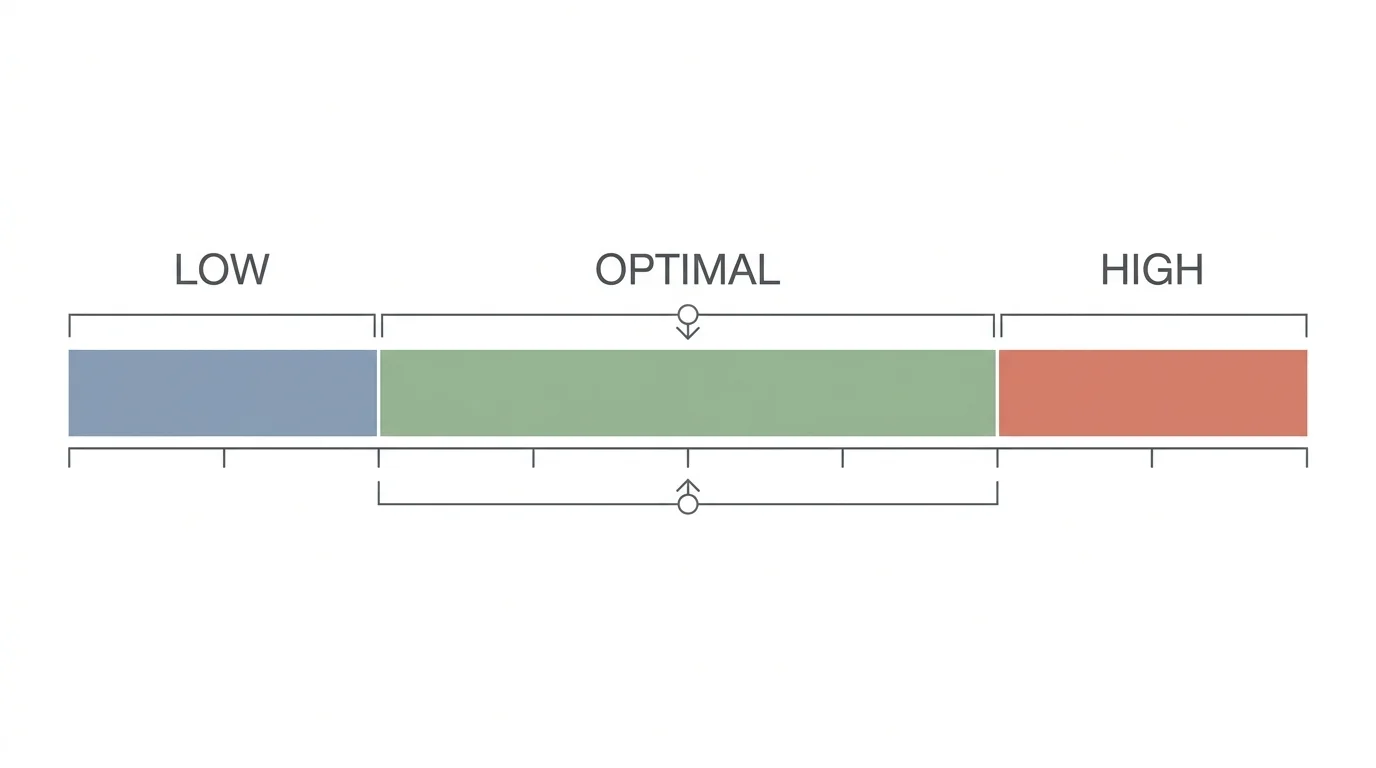
Fasting blood glucose measures your baseline sugar level after an overnight fast of at least eight hours. A fasting reading under 100 mg/dL is considered normal; readings between 100 and 125 mg/dL indicate prediabetes (impaired fasting glucose); and a reading of 126 mg/dL or higher on two separate tests confirms diabetes. A two-hour post-meal or oral glucose tolerance test should remain under 140 mg/dL, whereas 140 to 199 mg/dL reflects prediabetes, and 200 mg/dL or above indicates diabetes.
Your Hemoglobin A1c (HbA1c) test reflects your average blood sugar over the preceding two to three months by measuring the percentage of glycated hemoglobin in your red blood cells. An A1c level below 5.7 percent represents healthy glucose regulation; a level between 5.7 and 6.4 percent signifies prediabetes; and an A1c of 6.5 percent or higher meets the diagnostic threshold for diabetes.

Four Practical Pillars for Restoring Blood Sugar Stability
Achieving stable blood sugar does not require restrictive deprivation; rather, it demands intentional, sustainable habits that support how your cells process fuel. Implementing strategic lifestyle pillars creates an internal environment where glucose enters your bloodstream smoothly and leaves efficiently.
1. Strategic Nutritional Sequencing and Macronutrient Anchoring
The order in which you eat your food profoundly impacts post-meal glucose spikes. Eating fibrous vegetables and protein anchors before starchy carbohydrates slows gastric emptying and delays glucose absorption in the small intestine. Pairing complex carbohydrates with healthy fats and lean proteins blunts the glycemic response, preventing the sharp peaks that trigger reactive crashes. Simple adjustments—such as eating a mixed green salad before pasta or adding chia seeds and Greek yogurt to fruit—deliver substantial glycemic dividends.
2. Postprandial Physical Activity and Muscle Glucose Uptake
Skeletal muscle serves as your body’s largest glucose reservoir, accounting for up to 80 percent of post-meal glucose disposal. Engaging in light physical activity—such as a brisk 10 to 15-minute walk—immediately following a meal activates GLUT4 glucose transporters within your muscle cells. This process pulls glucose directly out of your bloodstream without requiring additional insulin secretion, dramatically dampening post-meal spikes and reducing the subsequent workload on your pancreas.
3. Restorative Sleep and Stress Hormone Regulation
Chronic sleep deprivation and unrelenting emotional stress keep your sympathetic nervous system in a state of hyper-arousal. Elevated levels of circulating cortisol and adrenaline prompt your liver to dump stored glycogen into the bloodstream while simultaneously making peripheral tissues more resistant to insulin. Prioritizing seven to eight hours of uninterrupted sleep and practicing daily down-regulation techniques—such as diaphragmatic breathing or progressive muscle relaxation—restores cellular insulin sensitivity naturally.
4. Modern Tracking Tools and Continuous Glucose Monitors
Direct tracking transforms subjective symptoms into objective personal data. In 2024, the U.S. Food and Drug Administration cleared the first non-prescription continuous glucose monitors (CGMs) for adults not using insulin, including the Dexcom Stelo and Abbott Lingo sensors. These wearable bio-sensors adhere to the back of your arm for 14 to 15 days, providing real-time visibility into how specific foods, sleep disruptions, and exercise sessions impact your personal glucose curves.

Clinical Insights on Metabolic Self-Awareness
Metabolic specialists emphasize that tracking blood sugar is not about perfection; it is about self-discovery and curiosity. Healthcare providers remind patients that individual glycemic responses vary widely based on genetics, gut microbiome composition, stress levels, and baseline fitness. A food that causes a sharp spike in one person might produce a mild, steady curve in another.
When you view your daily biometric signals through a non-judgmental lens, tracking becomes an empowering compass rather than a source of dietary anxiety. Working alongside a registered dietitian, certified diabetes educator, or physician ensures that you interpret data accurately, select appropriate monitoring tools, and build a tailored metabolic plan that respects your unique physiology, budget, and daily routine.
Frequently Asked Questions About Glucose Swings
How do I know if my fatigue stems from blood sugar swings or poor sleep?
While poor sleep causes generalized, low-grade fatigue that persists steadily throughout the entire day, blood sugar fatigue occurs in predictable waves linked directly to meal timing. If your exhaustion peaks dramatically within an hour after eating carbohydrates or lifts noticeably within fifteen minutes of having a balanced snack, glycemic volatility is the probable culprit.
Can someone have normal fasting glucose but still suffer extreme sugar spikes?
Yes. Fasting glucose is often the last biomarker to show abnormalities in progressive insulin resistance. Many individuals maintain fasting blood sugar below 100 mg/dL while experiencing massive post-meal spikes exceeding 160 mg/dL followed by deep crashes. Testing your postprandial glucose or wearing a continuous glucose monitor reveals these hidden daytime fluctuations.
Are over-the-counter continuous glucose monitors worth using for non-diabetics?
Non-prescription CGMs can provide valuable educational insights for motivated individuals seeking to understand their unique metabolic responses. Using an over-the-counter sensor for a single two-week period can highlight unexpected food sensitivities, demonstrate the power of post-meal walks, and help you fine-tune meal timing without committing to permanent, lifelong monitoring.
What simple snack stabilizes blood sugar during a sudden crash?
If you experience a mild crash with jitters and brain fog, avoid consuming pure refined sugar, which triggers another sharp spike-and-crash cycle. Instead, choose a balanced snack combining a small amount of complex carbohydrate with protein and fat—such as a small apple paired with a tablespoon of almond butter, or a handful of walnuts with a piece of string cheese.
Your First Step Toward Lasting Balance
Transforming your metabolic health begins with awareness rather than sweeping lifestyle overhauls. Over the next three days, keep a simple journal recording what you eat, when you move, and how your energy feels two hours after each meal. Bring these observations to your primary care physician to request a comprehensive metabolic panel, including fasting glucose, fasting insulin, and HbA1c testing. By listening to what your body communicates today, you lay the groundwork for steady energy, sharp cognitive focus, and vibrant long-term health.








Leave a Reply