

You might dismiss a hacking cough as the tail end of an ordinary seasonal cold. Recognizing when that reflex signals a deeper respiratory issue protects your long-term lung function and accelerates your recovery.
Most everyday coughs resolve on their own with adequate rest and fluid intake. However, subtle shifts in sound, duration, and accompanying physical sensations often reveal an underlying infection or pulmonary condition.
Listening to these physical cues empowers you to seek timely medical attention before airway irritation escalates into an emergency. Here is how you can distinguish between minor throat irritation and an urgent medical warning.
Understanding Your Cough Reflex and Clinical Timelines
A cough serves as your body’s primary defense mechanism to clear foreign debris, irritants, and excess mucus from your bronchial passages. Sensory vagal nerve fibers line your respiratory epithelium and trigger this sudden expulsion when stimulated.
While coughing protects delicate pulmonary tissue, an uncontrolled cough reflex can signal tissue remodeling, chronic inflammation, or progressive disease. Clinicians categorize coughing into three diagnostic timeframes to guide their medical evaluation.
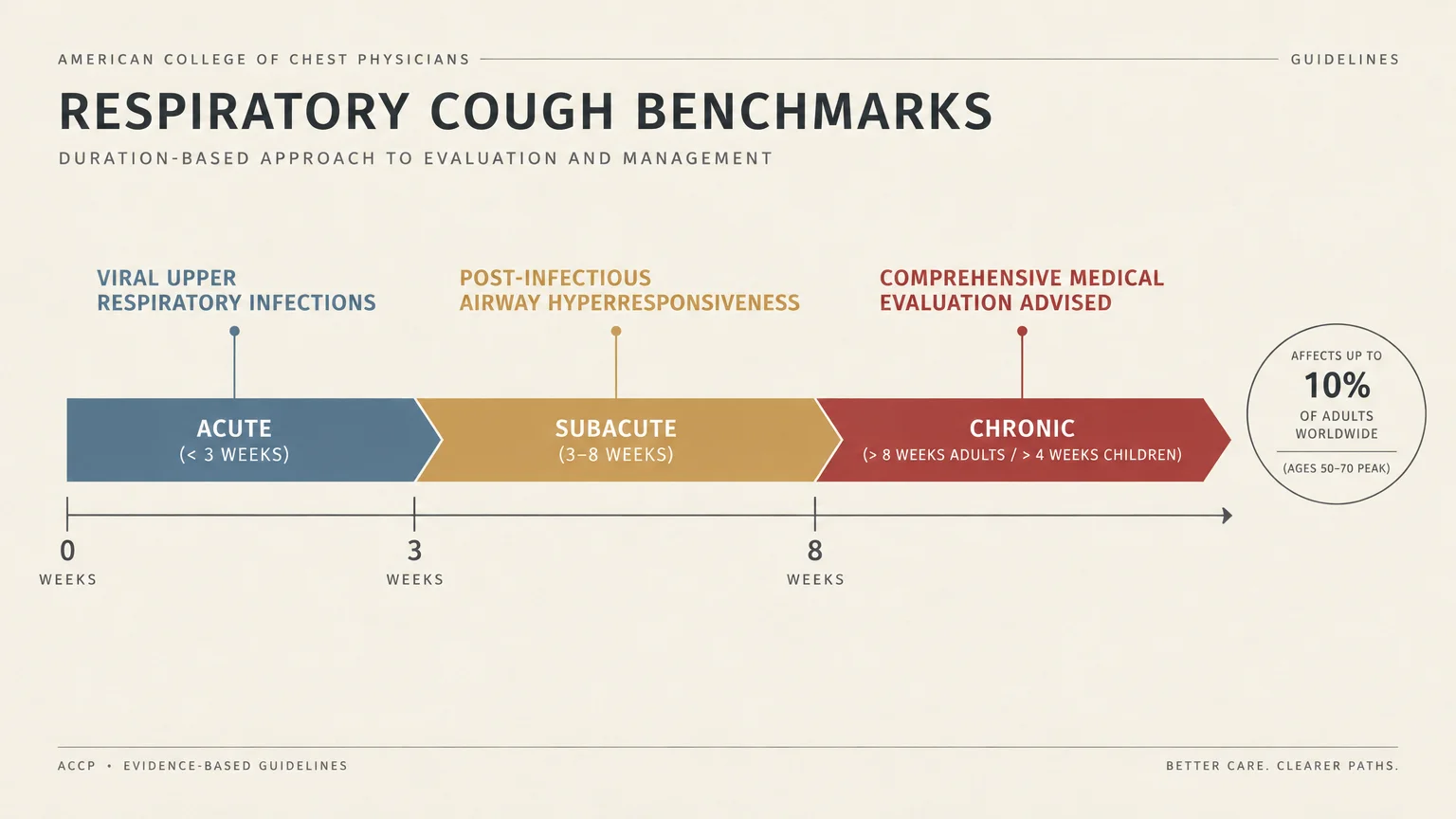
According to clinical guidelines from the American College of Chest Physicians, an acute cough lasts less than 3 weeks. These episodes usually stem from uncomplicated viral upper respiratory tract infections.
A subacute cough lingers between 3 and 8 weeks, frequently representing post-infectious bronchial hyperresponsiveness. During this phase, sensitive airway tissues remain inflamed long after the original pathogen has cleared.
A cough persisting for more than 8 weeks meets the clinical definition of a chronic cough in adults. In children, healthcare providers classify a cough as chronic when it persists daily for more than 4 weeks.
Global respiratory studies reveal that chronic cough affects up to 10% of adults worldwide. The highest prevalence occurs between ages 50 and 70, with women accounting for approximately two-thirds of all reported cases.
Data compiled by the World Health Organization highlights the widespread burden of chronic respiratory conditions on global health systems. Tracking your cough duration helps clinicians select the most targeted diagnostic pathway.
Understanding these standardized medical timeframes allows you to advocate for yourself effectively when scheduling appointments. Knowing your precise timeline ensures your doctor orders appropriate diagnostic tests without unnecessary delays.
10 Warning Signs That Warrant Immediate Medical Attention
1. The Cough Persists Past Eight Weeks
Crossing the eight-week threshold means your symptoms have moved well beyond the expected recovery timeline for a routine respiratory infection. At this stage, your body is struggling with ongoing inflammation or an unresolved anatomical trigger.
In non-smoking adults, chronic cough most commonly stems from upper airway cough syndrome, asthma, non-asthmatic eosinophilic bronchitis, or gastroesophageal reflux disease. In some individuals, persistent coughing alters airway nerve sensitivity, causing cough hypersensitivity syndrome.
In pediatric patients, any daily cough lasting more than 4 weeks warrants an evaluation by a pediatrician. Children face unique risks, including protracted bacterial bronchitis, unaddressed foreign body aspiration, and early childhood asthma.
Make an appointment with your primary care provider once your cough exceeds these established benchmarks. Documenting the specific times of day your symptoms peak provides your clinician with valuable diagnostic clues.
2. High or Biphasic Fever
A mild viral cold rarely causes a high or lingering temperature in adults. Significant spikes in body temperature indicate that an invasive bacterial or severe viral pathogen has entered your lower respiratory tract.
You should seek medical evaluation for a fever exceeding 101.3°F (38.5°C) that lasts for more than 3 days. Furthermore, any single temperature reading exceeding 102.2°F (39°C) warrants immediate clinical attention.
Watch closely for a biphasic fever pattern, where your initial temperature subsides only to spike again several days later. This trajectory represents a classic warning sign of secondary bacterial pneumonia developing after a viral illness.
Secondary bacterial pneumonia requires prompt treatment with targeted antibiotics rather than watchful waiting. Ignoring a returning fever allows alveolar consolidation to spread throughout your lung parenchyma, prolonging your recovery.
3. Blood Oxygen Saturation Below Ninety-Five Percent
A severe cough accompanied by reduced oxygen delivery indicates that inflammation is impairing alveolar gas exchange. Monitoring your capillary oxygen saturation with a reliable fingertip pulse oximeter provides objective biological data during illness.
Normal resting pulse oximeter readings range from 95% to 100% under standard physiological conditions. Readings between 91% and 94% indicate mild or insufficient oxygenation levels that warrant medical evaluation.
Consult guidance from the Centers for Disease Control and Prevention regarding proper pulse oximeter usage and accuracy variables. Poor peripheral circulation, cold fingers, and artificial nails can distort device readings.
An oxygen saturation level below 90% defines clinical hypoxemia and demands immediate emergency medical intervention. Without rapid supplemental oxygen and therapeutic support, hypoxemia can strain your cardiovascular system and compromise vital organs.
4. Shortness of Breath and Resting Air Hunger
While a vigorous coughing fit can briefly leave you breathless, persistent air hunger at rest is abnormal. Experiencing noticeable breathlessness while resting or carrying out light daily tasks indicates significant physiological distress.
Physicians refer to this distressing sensation as dyspnea, which signals acute airway obstruction, fluid accumulation, or ventilation-perfusion mismatching. It frequently accompanies severe pneumonia, acute asthma exacerbations, and congestive heart failure.
Pay attention to your breathing mechanics, particularly if you need to lean forward in a tripod position to breathe. Struggling to complete a full sentence without pausing for breath demands immediate emergency room care.
Notice if your breathing difficulty worsens dramatically whenever you lie completely flat in bed. This postural symptom, called orthopnea, often points toward cardiac dysfunction rather than isolated bronchial inflammation.
5. Coughing Up Blood (Hemoptysis)
Coughing up blood, known clinically as hemoptysis, is an alarming symptom that always requires professional evaluation. Even minor specks or thin streaks of blood in your sputum justify an urgent medical assessment.
Violent coughing can occasionally rupture delicate superficial capillaries in an irritated throat or trachea. However, expectorated blood can also originate deeper in the lungs due to pneumonia, bronchiectasis, pulmonary embolism, or malignancy.
Coughing up larger volumes of blood or dark clots constitutes an immediate medical emergency. Call emergency medical services right away rather than attempting to transport yourself to a healthcare facility.
Take note of the color, consistency, and approximate amount of blood to share with the attending clinical team. Clear documentation helps emergency clinicians determine whether the bleeding originates from your airways, stomach, or nasopharynx.
6. Sharp, Pleuritic Chest Pain
Frequent coughing often strains your intercostal muscles, creating a dull, tender ache across your chest wall. By contrast, sharp or stabbing pain that intensifies whenever you take a deep breath suggests pleurisy.
Pleurisy arises when the visceral and parietal pleural membranes surrounding your lungs become inflamed and grate against one another. This friction commonly develops secondary to bacterial pneumonia, viral pleuritis, or pulmonary infarction.
Never ignore localized chest pain that prevents you from taking full, restorative breaths. Restricting your tidal volume leads to shallow breathing, which promotes atelectasis and accelerates bacterial growth in unventilated lung bases.
Seek urgent medical care if chest discomfort radiates into your jaw, neck, back, or left arm. Differentiating acute pulmonary inflammation from cardiovascular ischemia requires clinical evaluation and an electrocardiogram.
7. Thick Rust-Colored, Green, or Foul-Smelling Mucus
Examining the characteristics of your phlegm offers direct insight into the nature of your respiratory illness. Clear, watery, or thin white mucus typically accompanies seasonal allergies, non-infectious airway irritation, or mild viral colds.
When mucus turns opaque, dark green, or brownish-rust, your immune system is actively fighting off microbial pathogens. Rust-colored sputum is a hallmark clinical indicator of pneumococcal pneumonia, reflecting extravasated red blood cells in the alveoli.
Foul-smelling or putrid sputum strongly suggests an infection caused by anaerobic bacteria or an unresolved lung abscess. Patients with bronchiectasis also produce copious, foul secretions that require targeted antibiotic regimens and specialized clearance techniques.
Report any sudden shift in your mucus volume, viscosity, or odor to your healthcare provider. Your physician can obtain a sputum sample for culture to identify the specific pathogen and prescribe targeted therapy.
8. Unexplained Weight Loss and Drenching Night Sweats
When a chronic cough coincides with constitutional symptoms, your entire body is coping with a significant systemic burden. Unintentional weight loss and drenching night sweats serve as prominent red flags in pulmonary medicine.
Clinicians consider unexplained weight loss significant when a patient unintentionally loses more than 5% of their body weight within 6 to 12 months. This involuntary loss suggests elevated metabolic demand from chronic infection, autoimmune disease, or malignancy.
Drenching night sweats that force you to change your sleepwear or bed linens point toward a persistent systemic inflammatory response. These nocturnal episodes frequently accompany chronic granulomatous infections such as tuberculosis or pulmonary fungal diseases.
Schedule a comprehensive medical examination if your persistent cough coincides with night sweats and unexplained weight loss. Your clinician will typically order blood tests, a tuberculin screening, and computed tomography of your thorax.
9. Persistent Stridor, Wheezing, or Barking Sounds
The sound your cough makes provides critical anatomical clues regarding the location of airway constriction. Wheezing produces a continuous musical or whistling tone during exhalation, indicating narrowed or bronchospastic lower airways.
Stridor, on the other hand, is a harsh, high-pitched vibrating sound heard primarily during inhalation. It signals critical narrowing or obstruction in your extrathoracic upper airway, such as your larynx or trachea.
Inspiratory stridor represents a serious clinical emergency that requires prompt airway evaluation and stabilization. Rapid swelling from severe allergic reactions, acute epiglottitis, or foreign body aspiration can quickly occlude your breath.
A harsh, metallic barking cough suggests swelling around the vocal cords, seen in croup or vocal cord dysfunction. Any cough that produces abnormal musical or mechanical sounds demands a professional clinical diagnosis.
10. Chronic Hoarseness or Difficulty Swallowing
A persistent cough accompanied by changes in your vocal quality or trouble swallowing requires thorough investigation. Hoarseness that persists for several weeks without improvement indicates chronic laryngeal inflammation or vocal fold pathology.
Persistent voice changes can arise from vocal fold nodules, laryngopharyngeal reflux, or recurrent laryngeal nerve irritation. Tumors or enlarged lymph nodes within the mediastinum can impinge upon this nerve, causing both hoarseness and coughing.
Difficulty swallowing, known as dysphagia, increases the danger of pulmonary aspiration. When liquids or food particles inadvertently enter your trachea, they trigger severe coughing fits and introduce bacteria into your lower airways.
Consult an otolaryngologist or speech-language pathologist if coughing consistently occurs during or immediately after eating. Identifying swallowing dysfunction early prevents recurrent aspiration pneumonia and preserves your long-term lung integrity.

Holistic Strategy Pillars: Restoring Respiratory Wellness
Pillar 1: Targeted Hydration and Mucosal Nutrition
Maintaining adequate systemic hydration keeps your protective mucus thin and manageable. When secretions remain fluid, the microcilia lining your respiratory tract can easily propel trapped dust and pathogens out of your lungs.
Drink warm herbal infusions, clear broths, and clean water steadily throughout your waking hours. Warm liquids stimulate blood flow to your pharynx while gently soothing irritated airway tissues.
Incorporating raw honey into warm water can soothe an irritated throat and suppress involuntary coughing spasms. Research supports honey as an effective natural demulcent that calms nocturnal coughing and improves sleep quality.
Adopt an anti-inflammatory nutritional pattern focused on leafy greens, antioxidant-rich berries, and healthy omega-3 fatty acids. Minimizing refined sugars and heavily processed foods helps reduce the systemic inflammatory burden on your respiratory mucosa.
If silent reflux contributes to your cough, avoid consuming acidic, caffeinated, or high-fat meals close to bedtime. Allowing your stomach to empty completely before you lie down prevents acid vapors from irritating your vocal cords.
Rinsing your mouth and gargling with warm salt water twice daily reduces localized throat swelling. This time-tested home practice washes away irritants without causing negative pharmacological side effects.
Pillar 2: Postural Drainage and Active Airway Clearance
Utilizing body positioning harnesses gravity to assist in draining retained secretions from specific lung segments. Lying on your side with supportive cushions encourages trapped mucus to move toward your central bronchial tree.
The huff coughing technique clears secretions efficiently while minimizing exhaustion and avoiding throat trauma. Inhale a moderate breath, hold it briefly, and exhale forcefully through an open airway as though fogging up glass.
Perform several controlled huffs followed by a quiet, relaxed inhalation before clearing the mobilized phlegm. This technique keeps your airways open, whereas uncontrolled hacking causes dynamic airway collapse and chest soreness.
Incorporate gentle indoor walking into your daily routine to expand your chest wall and mobilize secretions. Engaging in light, rhythmic movement encourages deeper breathing and prevents mucus from stagnating in dependent lung bases.
Consider working with a physical therapist who specializes in cardiopulmonary care if you have chronic respiratory conditions. They can teach you personalized autogenic drainage and chest percussion exercises to maximize airway hygiene.
Pillar 3: Environmental Hygiene and Mindset Strategies
The air quality within your living environment directly affects the reactivity of your bronchial nerve endings. Running an air purifier equipped with a certified filter captures microscopic allergens, dust, and particulate matter.
Maintain a moderate indoor humidity level using a clean cool-mist humidifier in your sleeping area. Excessively dry air desiccates your mucous membranes, whereas overly damp environments promote mold proliferation and dust mite proliferation.
Eliminate exposure to environmental irritants, including secondhand smoke, aerosolized sprays, scented candles, and harsh cleaning solutions. These airborne compounds stimulate sensory c-fibers in your airways, perpetuating a relentless cycle of neurogenic coughing.
Chronic coughing frequently triggers somatic anxiety and heightens nervous system sensitivity, reinforcing involuntary cough reflexes. Practicing diaphragmatic breathing and gentle mindfulness meditation calms your autonomic nervous system and dampens the urge to cough.
Elevate the head of your bed using a supportive wedge pillow or bed risers. Sleeping with your upper torso slightly raised minimizes nocturnal acid reflux and prevents post-nasal drip from triggering nighttime spasms.
Pillar 4: Navigating Clinical Evaluations and Diagnostic Testing
Advocating for your health requires an organized approach when consulting with medical professionals. Keep a detailed log outlining your symptom duration, sputum characteristics, and any identifiable environmental triggers before your appointment.
During your clinical visit, your doctor will perform a thorough physical exam and listen closely to your lung sounds. A standard chest X-ray provides an initial structural overview to rule out consolidation, effusion, or masses.
If basic imaging does not yield answers, your physician may recommend spirometry or comprehensive pulmonary function testing. These physiological tests measure airflow limitation and lung volumes, confirming or ruling out asthma and chronic obstructive pulmonary disease.
The National Institutes of Health provides evidence-based resources detailing how chronic respiratory conditions are systematically diagnosed and managed. Reviewing clinical guidelines helps you understand the rationale behind specialized testing protocols.
Request a referral to a pulmonologist or allergist if your cough resists standard first-line therapies. A specialist possesses the diagnostic tools needed to identify less common etiologies like non-acid reflux or tracheobronchomalacia.

Clinical Perspectives: Expert Insights from the Frontlines
Experienced pulmonologists emphasize that treating a cough successfully requires identifying and targeting its true physiological root. Dr. Elena Gomez, a pulmonary medicine specialist, reminds patients that suppressing a cough without a diagnosis can delay vital care.
She explains that a productive cough plays an essential protective role by expelling inflammatory debris and infectious bacteria. Suppressing this clearing reflex with heavy medications can cause secretions to pool, significantly increasing pneumonia risk.
For Marcus Turner, a marathon runner, a persistent dry hacking sound seemed like leftover irritation from a seasonal respiratory virus. However, when his cough lingered for weeks and caused resting breathlessness, he sought comprehensive medical testing.
His diagnostic workup revealed cough-variant asthma that flared exclusively during cold weather and physical exertion. A personalized plan combining an inhaled anti-inflammatory medication with warm-up modifications completely resolved his symptoms within a month.
His story illustrates why persistent changes in breathing warrant professional clinical investigation rather than passive acceptance. Partnering with attentive clinicians restores vitality and prevents mild respiratory irritation from escalating into permanent dysfunction.
Frequently Asked Questions About Persistent Cough Symptoms
Can a severe cough cause physical damage to your ribs or lungs?
Violent coughing generates immense intra-thoracic pressure that places heavy mechanical stress on your musculoskeletal system. Strenuous coughing bouts can cause intercostal muscle strains, costochondral inflammation, or painful rib stress fractures.
In rare circumstances, intense coughing can rupture fragile surface blebs on lung tissue, causing air to leak into the pleural space. Addressing persistent coughing promptly minimizes these traumatic mechanical forces on your thoracic cage.
How can you tell if your cough stems from silent acid reflux?
Reflux-induced coughing frequently flares when you recline, bend forward, or eat heavy meals. You might also notice frequent throat clearing, a persistent globus sensation, or vocal hoarseness in the morning without classic indigestion.
A significant portion of individuals with reflux-mediated cough do not experience traditional heartburn symptoms. Your doctor can recommend lifestyle changes and a diagnostic medication trial to confirm whether silent reflux is driving your cough.
Why does your cough intensify when you lie down to sleep?
Lying horizontal removes gravitational assistance, causing nasal secretions to pool near your larynx and activate sensitive cough receptors. Furthermore, a flat posture enables gastric acid to travel up your esophagus and irritate your upper airways.
Elevating your upper body with a wedge pillow and operating a cool-mist humidifier provides substantial nighttime symptom relief. If positional modifications fail to calm your nocturnal coughing, schedule an appointment with your doctor for further testing.
When should you choose urgent care over a standard doctor visit?
Visit an urgent care center if your cough accompanies a fever exceeding 101.3°F lasting more than 3 days, mild breathlessness, or persistent chest tightness. Urgent care clinics offer prompt physical evaluations, rapid diagnostic swabs, and on-site radiography.
Conversely, proceed immediately to an emergency department if you experience severe shortness of breath, sudden chest pain, coughing up blood, or blood oxygen below 90%. These alarming symptoms indicate an acute medical emergency requiring immediate life support.
Taking Your First Actionable Step Toward Healing
Recovering your respiratory comfort begins with mindful observation and proactive communication with your medical team. You do not have to struggle through painful coughing episodes alone or endure disrupted nights in silence.
Start today by recording your cough frequency, sound characteristics, and potential environmental triggers in a daily symptom log. Sharing this objective timeline with your physician streamlines diagnostic testing and speeds up your clinical care plan.
Consider which simple adjustment you can make right now, such as improving your hydration or eliminating indoor fragrance sprays. You can also explore patient education materials from the American Lung Association to support your journey.
Your breath is your most essential physical resource, and your body communicates valuable information through persistent symptoms. Reach out to a qualified healthcare provider, advocate for your wellness, and take confident steps toward easy, comfortable breathing.









Leave a Reply