

Recognizing early signs of colon cancer can protect your long-term vitality and save your life. Subtle digestive changes often provide the earliest clues before serious complications develop.
You do not need to wait for severe symptoms to take decisive action. Noticing persistent patterns in your digestion empowers you to seek clinical care when interventions work best.
Understanding your body and tracking subtle warnings allows you to advocate for your health effectively. Here is the verified clinical evidence on symptoms, modern testing, and essential protective strategies.
Science Snapshot: Understanding the Changing Colorectal Landscape
Colorectal cancer represents a major public health priority across the globe. The World Health Organization identifies colorectal cancer as the second-leading cause of cancer-related deaths worldwide.
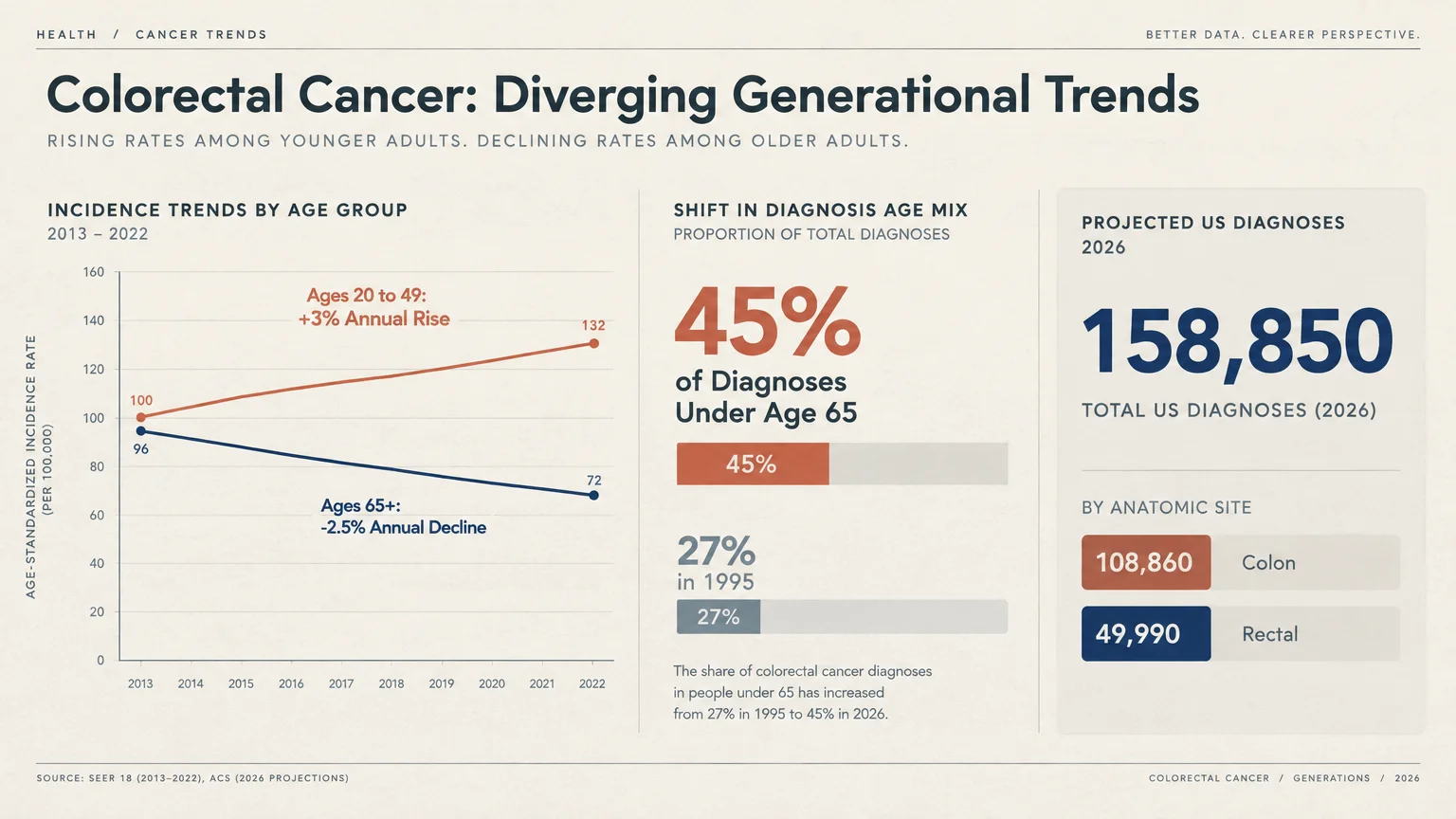
In the United States, public health data highlights an urgent need for proactive symptom awareness. The American Cancer Society estimates that 158,850 individuals will receive a colorectal cancer diagnosis in 2026.
This estimate includes 108,860 colon cancer cases and 49,990 rectal cancer cases. Furthermore, an estimated 55,230 people will die from the disease during the same calendar year.
Colorectal cancer is the second-leading cause of cancer mortality overall in the United States. However, a startling generational shift has emerged across recent clinical registries.
Colorectal cancer now ranks as the leading cause of cancer-related death in adults under age 50. Medical researchers continue to study the environmental and biological mechanisms behind this concerning trend.
Demographic data shows that 45% of all new diagnoses now occur in adults younger than age 65. That figure stood at just 27% in 1995, marking a profound demographic realignment.
Between 2013 and 2022, diagnosis rates among adults aged 65 and older declined by 2.5% annually. In contrast, rates among adults aged 20 to 49 rose by 3% each year over that decade.
Compounding this challenge, 3 in 4 colorectal cancers in adults under age 50 are discovered at an advanced stage. Delayed medical evaluation often plays a primary role in these late-stage diagnoses.
Younger individuals frequently attribute initial digestive disruptions to benign issues like hemorrhoids or stress. Recognizing warning signs early helps you bypass diagnostic delays and protect your future.
The 5 Early Signs of Colon Cancer
Colon cancer often begins quietly, producing minor physiological disturbances rather than sudden pain. Paying close attention to persistent deviations from your normal digestive baseline is essential.
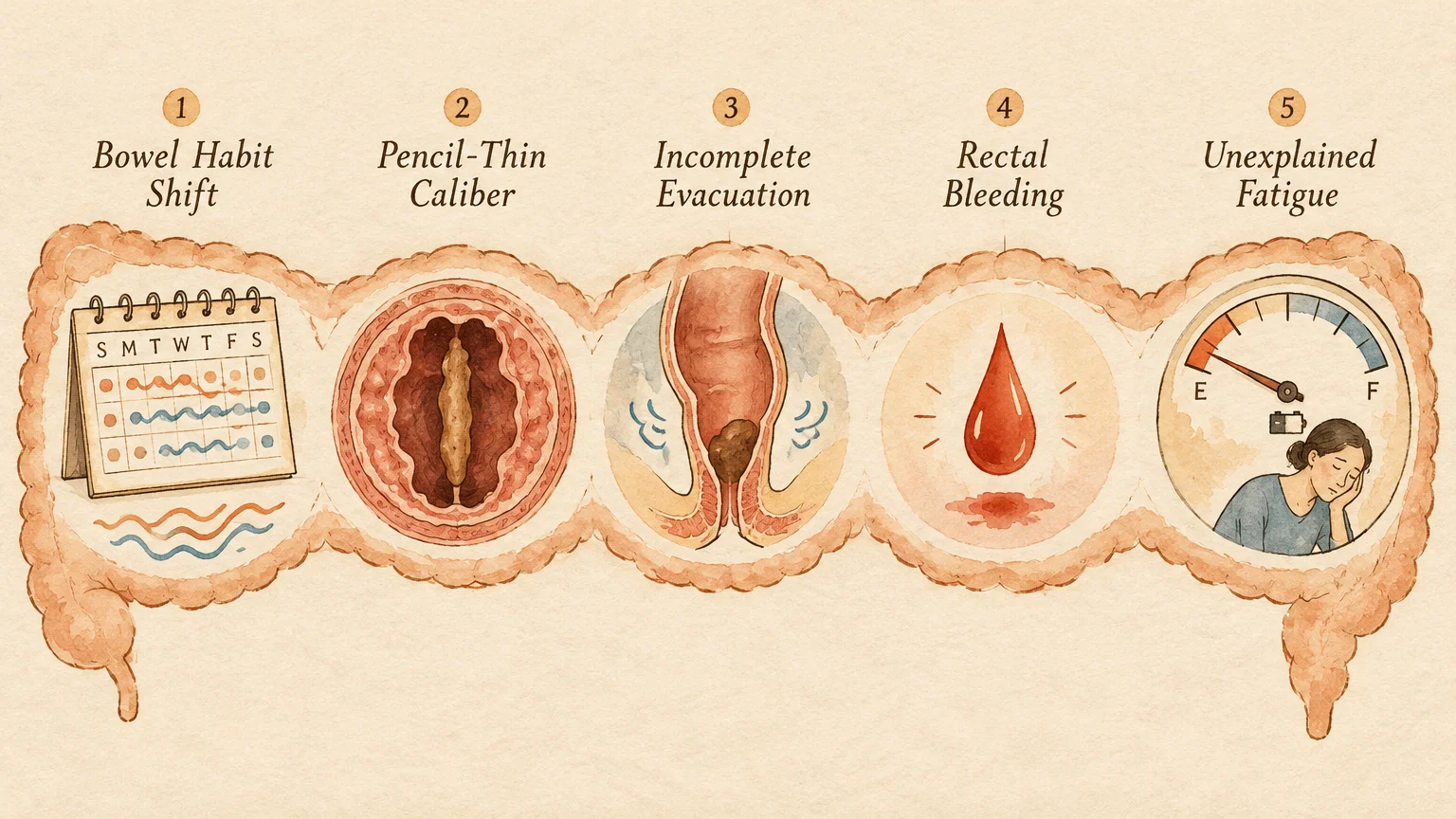
1. Persistent Changes in Bowel Habits
Your baseline bowel habits are unique to your metabolic rhythm and diet. An early sign of colon cancer involves a clear, lasting shift in your usual frequency or stool consistency.
This shift may present as persistent diarrhea, worsening constipation, or an alternating pattern between the two. When these changes persist for several weeks without an obvious dietary trigger, you should investigate.
You may also observe a noticeable narrowing of your stool caliber over time. Tumors growing within the colon lumen can restrict the passageway, creating pencil-thin or ribbon-like stools.
Passing narrow stools on rare occasions can happen due to minor dietary variations. However, consistently slender stools indicate a localized structural obstruction that requires prompt medical evaluation.
A persistent sensation of incomplete evacuation, clinically termed tenesmus, represents another key symptom. You may feel an urgent need to pass stool even immediately after using the restroom.
This phantom fullness occurs when an obstruction mimics retained stool in your lower digestive tract. Never ignore a constant feeling of rectal pressure or incomplete emptying.
2. Rectal Bleeding or Blood in Your Stool
Rectal bleeding serves as one of the most visible early warning signs of colorectal tumors. You must evaluate any visible blood associated with your bowel movements promptly.
Blood from a lower digestive issue can present in distinct visual ways depending on the tumor location. Bright red blood on your toilet paper or in the bowl often originates in the rectum or sigmoid colon.
Conversely, lesions positioned higher within your ascending colon produce darker, oxidized blood. This bleeding can make your bowel movements appear deep maroon, black, or tarry.
Many individuals assume rectal bleeding merely indicates common hemorrhoids or minor anal fissures. While benign anorectal conditions occur frequently, assuming hemorrhoids without an internal exam creates hazardous clinical delays.
Hemorrhoids and malignancies can also coexist simultaneously within the lower digestive canal. A physician must examine any recurring blood to identify the underlying source accurately.
Take note of whether the blood coats the outside of your stool or mixes thoroughly within it. Sharing these specific visual details helps your medical provider select the appropriate diagnostic procedure.
3. Unexplained Iron-Deficiency Anemia and Chronic Fatigue
Colon tumors frequently bleed in minute, microscopic amounts that remain completely invisible to the naked eye. Over weeks or months, this chronic blood loss depletes your body of stored iron.
Iron-deficiency anemia often develops before you notice any overt alterations in your digestive output. Without adequate iron, your bone marrow cannot synthesize sufficient hemoglobin to oxygenate your tissues.
This systemic oxygen deficit leads to profound, unrelenting fatigue that resists restorative sleep. You may find regular physical tasks suddenly exhausting or feel lightheaded during modest exertion.
Physical signs of iron deficiency may also include pale skin, brittle nails, and unexpected shortness of breath. Occasional heart palpitations or cold hands and feet can also signal depleted red blood cell reserves.
Routine laboratory blood panels often uncover this deficiency through low ferritin and hemoglobin values. Unexplained iron deficiency in men or postmenopausal women warrants an immediate diagnostic investigation of the gastrointestinal tract.
Even in premenopausal women, clinicians should not reflexively blame low iron on menstrual cycles. If your fatigue persists despite iron supplementation, discuss a colon examination with your doctor.
4. Persistent Abdominal Discomfort, Cramping, or Bloating
Occasional abdominal bloating, gas, or mild cramps happen to everyone after eating certain foods. However, persistent or progressively worsening abdominal discomfort can signal an underlying colon issue.
Tumors can cause partial blockages that impede the smooth transit of gas, fluids, and digesting food. This physical barrier leads to localized pressure, painful muscle spasms, and recurrent distension.
You might feel continuous, dull aching or sharp, cramp-like pains across your lower abdomen. These sensations frequently worsen shortly after meals as your digestive tract works to move contents forward.
Unrelieved abdominal bloating that lasts for weeks without a clear diagnosis requires professional clinical attention. Many young adults spend months treating presumed irritable bowel syndrome before discovering an organic obstruction.
Pay close attention to whether passing gas or having a bowel movement relieves your abdominal discomfort. Discomfort from a physical mass often persists regardless of bowel evacuation.
Keep a symptom log tracking the location, severity, and timing of your abdominal pain. Detailed personal records empower your clinical care team to make swift diagnostic decisions.
5. Unexplained Weight Loss and Loss of Appetite
Losing significant body weight without changes to your exercise regimen or caloric intake demands medical evaluation. Unexplained weight loss frequently accompanies the growth of gastrointestinal malignancies.
Tumors actively consume a substantial share of your metabolic energy supply to fuel their cellular proliferation. This high metabolic draw alters your resting energy expenditure, burning calories more rapidly than usual.
In response to tumor presence, your immune system also releases specialized signaling proteins known as cytokines. These biological compounds alter your brain chemistry, dampening your natural appetite and promoting muscle wasting.
You may feel full after eating only small portions of food, an experience known as early satiety. A persistent aversion to food combined with unexpected weight reduction points to systemic metabolic stress.
Gastrointestinal tumors can also compromise your bowel lining, hindering normal nutrient absorption through the gut wall. This malabsorption accelerates unintentional weight loss even if your portions remain relatively constant.
Losing 5% or more of your total body weight within six months without trying represents a clear clinical warning. Contact your physician immediately to begin a systematic medical evaluation.
Symptom Evaluation Versus Routine Screening
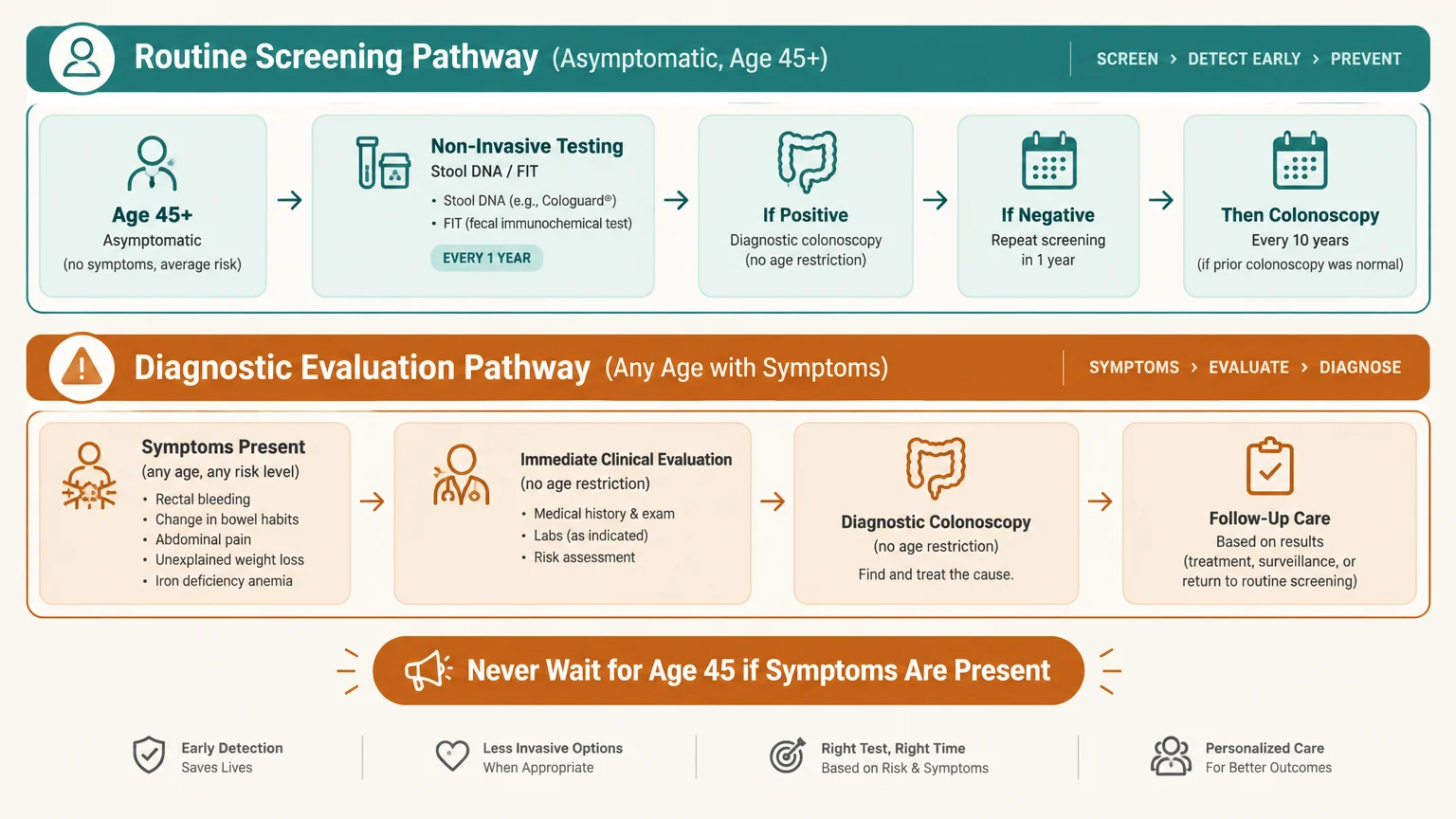
You must understand the vital clinical difference between routine screening and a diagnostic evaluation. Screening protocols apply strictly to individuals who feel entirely well and exhibit zero digestive symptoms.
If you experience any of the five early warning signs, you bypass average-risk screening guidelines entirely. You require an immediate diagnostic colonoscopy to examine the physical lining of your colon directly.
For individuals who remain completely asymptomatic, regular screening remains essential for long-term prevention. Both the U.S. Preventive Services Task Force and the American Cancer Society recommend beginning average-risk screening at age 45.
Routine screening should continue consistently through age 75 for all average-risk adults. Between ages 76 and 85, screening decisions are individualized based on overall health and prior history.
On May 27, 2026, the American Cancer Society updated its official colorectal cancer screening guidelines. The update reaffirmed the starting age of 45 while expanding access to innovative screening technologies.
The updated recommendations added a modern at-home multitarget stool RNA test to the list of verified screening options. This non-invasive method analyzes stool samples for specific genetic markers shed by precancerous polyps.
The guidelines also incorporated FDA-approved blood-based screening tests, such as Shield, for average-risk individuals. These blood tests offer an alternative for adults who decline visual examinations or stool tests.
However, non-invasive tests carry critical clinical conditions you must understand before choosing them. Any abnormal finding from an at-home stool test or blood draw requires a prompt follow-up colonoscopy.
The American Cancer Society recommends completing this diagnostic colonoscopy within six months of an abnormal screening result. Delaying follow-up care past this window significantly increases your risk of disease progression.
Family history also alters your clinical timeline substantially. If you have a first-degree relative diagnosed with colorectal cancer, your personal risk increases considerably.
Medical protocols advise individuals with a first-degree family history to start screening via colonoscopy at age 40. Alternatively, begin screening 10 years before the relative’s age at diagnosis, whichever comes first.

Strategy Pillars: Proactive Steps for Colon Health
Guarding your colorectal wellness requires a comprehensive approach combining lifestyle choices with clinical vigilance. Taking targeted steps supports your microbiome and reduces systemic chronic inflammation.
Nutrition and Microbiome Support
What you eat exerts a profound influence on your intestinal barrier integrity and cellular turnover. Emphasize diverse, fiber-rich plant foods to support the production of protective short-chain fatty acids.
Soluble and insoluble fibers accelerate fecal transit, minimizing the time potential carcinogens remain in contact with your gut wall. Strive to consume abundant legumes, whole grains, seeds, berries, and cruciferous vegetables daily.
Minimize your intake of ultra-processed food products and processed meats like bacon, hot dogs, and cured sausages. The National Cancer Institute connects high processed meat intake with increased colorectal inflammation.
Moderate your consumption of grain-fed red meat and prioritize lean poultry, cold-water fish, and plant proteins. Consistent, balanced hydration also keeps digestive waste soft, supporting effortless elimination and gut tissue health.
Incorporate traditional fermented foods like unpasteurized sauerkraut, plain kefir, and kimchi into your weekly meals. These living cultures enrich your microbiome, improving gut resilience and metabolic equilibrium.
Physical Activity and Metabolic Health
Regular physical movement directly influences your gastrointestinal motility and systemic metabolic health. Engaging in moderate-intensity exercise stimulates regular peristalsis, helping waste move efficiently through your bowels.
Physical movement also helps regulate your fasting insulin and circulating blood glucose levels. Chronic hyperinsulinemia acts as a growth-promoting stimulus that can accelerate abnormal cellular replication within the colon.
Aim for at least 150 minutes of moderate aerobic exercise, such as brisk walking, each week. Supplement this cardiovascular work with two dedicated resistance training sessions to maintain active, metabolically healthy muscle tissue.
Break up prolonged sedentary periods throughout your workday by taking brief walking breaks every hour. Research consistently shows that prolonged unbroken sitting increases systemic inflammation and slows intestinal transit.
Prioritize consistent restorative sleep to allow your gastrointestinal epithelium adequate opportunity to repair. Disrupted circadian cycles can alter your gut microbiota and elevate inflammatory markers throughout your digestive system.
Medical Advocacy and Healthcare Navigation
Navigating the healthcare system requires clear personal communication, self-advocacy, and thorough recordkeeping. Never minimize digestive changes out of embarrassment or fear during medical appointments.
If you experience unusual digestive changes, describe your symptoms clearly and directly to your healthcare provider. Use precise, objective terms regarding stool color, frequency changes, and the exact duration of your discomfort.
Healthcare access barriers and financial constraints often complicate timely gastrointestinal evaluations for many people. According to the Centers for Disease Control and Prevention, expanding diagnostic access remains essential for eliminating survival disparities.
Inquire about community health clinics, income-based sliding scale programs, or non-profit patient assistance foundations. Many regional health networks offer specialized navigation services to help underinsured patients access colonoscopies.
If a clinician attributes your symptoms to minor conditions without conducting an objective evaluation, seek a second opinion. You deserve a comprehensive, evidence-based assessment whenever persistent gastrointestinal changes occur.

Real Voices: Clinical Wisdom and Patient Insights
Clinical gastroenterologists consistently emphasize the importance of early personal action when digestive changes appear. Specialist providers frequently encounter patients who waited months to report obvious rectal bleeding.
Experienced clinicians note that young adults often feel invulnerable, assuming severe gastrointestinal diseases only affect older generations. This common misconception often leads individuals to ignore warning signs until abdominal pain becomes unbearable.
Gastroenterologists stress that a colonoscopy represents both a diagnostic procedure and a powerful preventive intervention. During a colonoscopy, specialists identify and remove precancerous polyps before they ever transform into invasive malignancies.
Surviving patients often share that their earliest symptom was subtle, like slight fatigue or narrower stools. Many report that overcoming their personal embarrassment regarding bowel movements ultimately saved their lives.
Clinicians urge patients to view bowel habits as a routine vital sign, equal in importance to blood pressure. Tracking and discussing your gastrointestinal health with a medical professional should feel completely normal.
Frequently Asked Questions
Can hemorrhoids cause symptoms similar to colon cancer?
Yes, hemorrhoids frequently cause bright red rectal bleeding, local anal discomfort, and mild itching during bowel movements. Because hemorrhoids are exceedingly common, many people assume any blood in the toilet bowl comes from enlarged veins.
However, you cannot reliably differentiate between hemorrhoids and an internal tumor based solely on visual inspection at home. A physician must perform an internal examination to ensure you receive an accurate clinical diagnosis.
What should you do if a clinician dismisses your symptoms?
If a doctor dismisses your persistent gastrointestinal changes based solely on your young age, advocate firmly for yourself. Present a detailed, written symptom diary that documents your stool changes, bleeding episodes, and personal pain levels.
Politely request that your provider document their refusal to order diagnostic testing directly within your electronic medical record. If your symptoms continue without clear explanation, promptly consult another healthcare provider for a second opinion.
Are at-home screening tests equal to a diagnostic colonoscopy?
At-home stool and blood screening tests offer valuable non-invasive options, but they serve different clinical purposes than colonoscopies. These non-invasive tests are designed exclusively for asymptomatic, average-risk adults to detect potential microscopic abnormalities.
If you currently have symptoms, non-invasive at-home tests are inadequate; you need a direct diagnostic colonoscopy. Furthermore, any positive at-home screening test still requires a visual follow-up colonoscopy to confirm findings and remove polyps.
How does family medical history alter your screening timeline?
A family history of colorectal cancer or advanced adenomatous polyps significantly increases your personal risk of developing the disease. Having a first-degree relative—such as a parent, sibling, or child—with colorectal cancer requires earlier screening.
You should begin colonoscopy screening at age 40, or 10 years earlier than your relative’s diagnosis age. Consult with your healthcare provider to construct an individualized monitoring plan based on your comprehensive genetic history.
Your Immediate Next Step
Taking charge of your digestive wellness does not require drastic life overhauls overnight. Your most powerful immediate action is simply observing and documenting your normal gastrointestinal baseline.
Take two minutes today to review your recent bowel habits, energy levels, and overall abdominal comfort. If you have noticed persistent changes or have reached age 45, schedule an appointment with your healthcare professional.
Has your digestion shifted recently, or are you due for routine screening based on your age and family history? Contact your primary care physician today to discuss your next steps and safeguard your long-term health.








Leave a Reply