

Crisp autumn air should bring refreshing relief, yet millions of people dread September as their sinuses swell and energy plummets. You can reclaim your seasonal comfort by recognizing how distinct fall environmental triggers intensify everyday immune reactions.
According to the Centers for Disease Control and Prevention, seasonal allergies impact roughly 25.2 percent of adults and 20.6 percent of children nationwide. Worsening fall allergy symptoms demand proactive management rather than silent endurance.
Discover the key warning signs of autumn allergic rhinitis, understand the environmental shifts driving your discomfort, and explore targeted clinical strategies to safeguard your health this year.
Understanding the Environmental Drivers of Fall Allergies
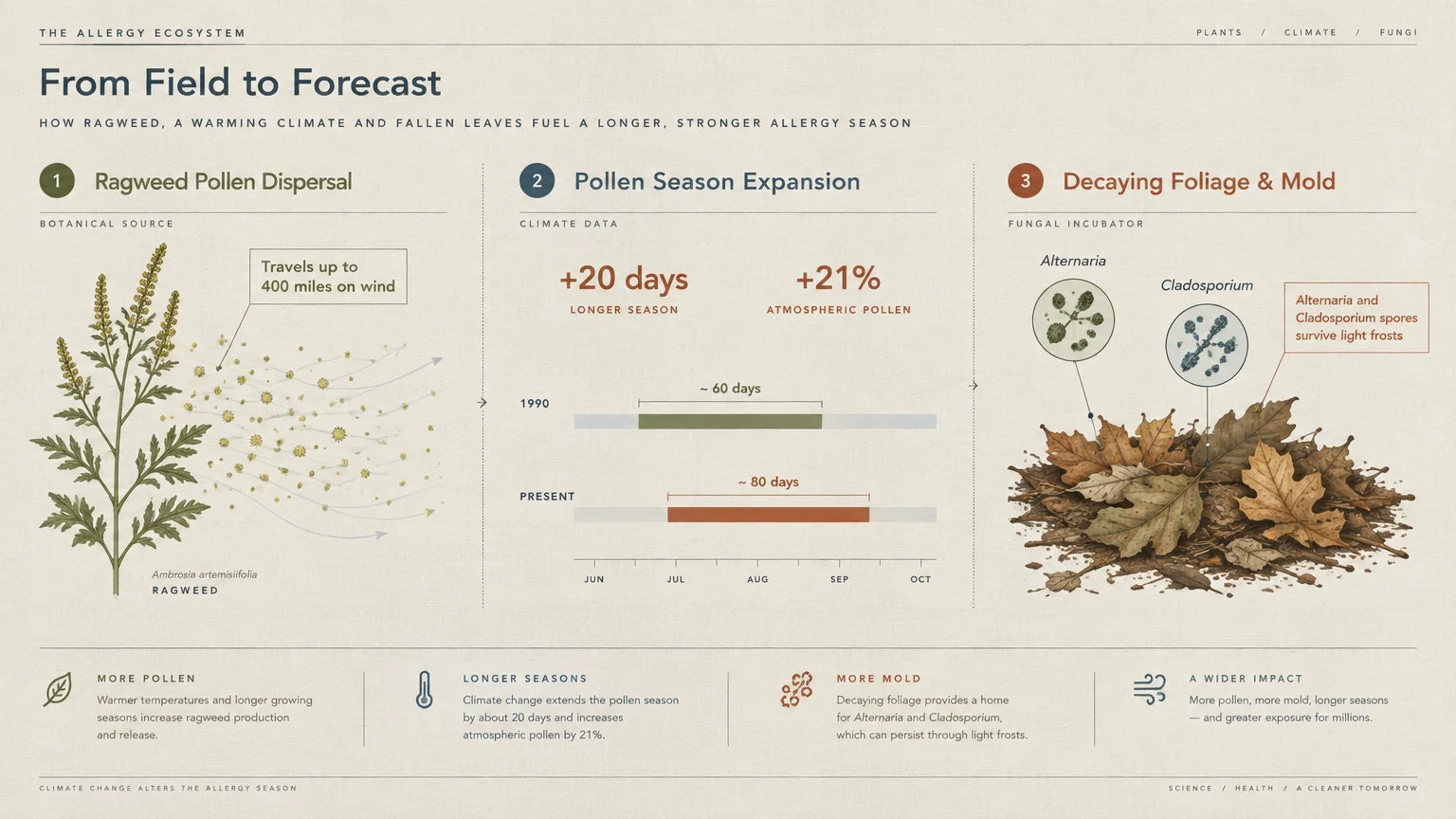
While spring pollen earns widespread notoriety, fall introduces an aggressive cocktail of unique irritants. Ragweed represents the primary botanical driver of late-season misery across North America.
A single ragweed plant can produce up to one billion pollen grains during its reproductive cycle. These microscopic grains are extraordinarily light, traveling up to 400 miles on brisk autumn breezes.
Climate shifts further exacerbate this seasonal crisis. Research published in the Proceedings of the National Academy of Sciences indicates North American pollen seasons now stretch twenty days longer than in 1990.
Atmospheric pollen concentrations have simultaneously climbed by twenty-one percent over the last three decades. Warmer temperatures delay the first hard freeze, leaving weed plants actively pollinating deep into October.
Concurrently, outdoor mold spores such as Alternaria and Cladosporium thrive in decaying foliage. When wet autumn leaves blanket your lawn, they create ideal incubation beds for fungal growth.
Unlike delicate weed flowers, outdoor mold spores often survive light frosts. They continue releasing allergenic reproductive units until persistent freezing ground temperatures finally lock the soil.
The seasonal transition to indoor living introduces another major environmental challenge. As temperatures drop and you ignite your furnace, ducts blow trapped dust mites and pet dander into living spaces.
Eight Fall Allergy Symptoms That Worsen Each Year
1. Relentless Morning Sneezing and Nasal Congestion
Waking with congested nasal passages and sneezing bursts often signals intense autumn pollen exposure. Weed pollen counts climb rapidly during early morning hours as rising breezes disperse particles.
Histamines rapidly dilate delicate blood vessels within your nasal lining, creating immediate congestion. Sleeping with open windows during cool September nights exposes your airways to continuous allergen absorption while you rest.
2. Intense Eye Irritation and Allergic Conjunctivitis
Fall allergens trigger rapid mast cell activation across your ocular surface. This immune reaction produces redness, relentless itching, burning sensations, and swollen eyelids known clinically as allergic conjunctivitis.
Outdoor mold spores and fine ragweed particles adhere directly to your natural tear film. Rubbing irritated eyes accelerates histamine release, aggravating tissue inflammation and degrading your ocular barrier.
3. Chronic Post-Nasal Drip and Throat Clearing
Excess mucus produced by inflamed sinuses naturally drains downward across the posterior pharynx. This constant drainage irritates delicate mucosal tissues, producing an uncomfortable tickling sensation and involuntary throat clearing.
You might wake up hoarse or notice persistent coughing that worsens whenever you lie flat. Over multiple weeks, unmanaged post-nasal drainage inflames vocal cords and produces chronic throat soreness.
4. Debilitating Allergic Fatigue and Brain Fog
Seasonal allergies do not merely irritate your nose; they exhaust your central nervous system. Ongoing immune activation releases inflammatory cytokines that induce daytime lethargy and cognitive fog.
Severe congestion also disrupts nocturnal respiration, depriving your brain of restorative sleep cycles. You may struggle with workplace focus, memory recall, and persistent afternoon sluggishness as a direct consequence.
5. Oral Allergy Syndrome and Produce Cross-Reactivity
If eating fresh cantaloupe, watermelon, or bananas causes your lips and throat to itch every September, you are experiencing Pollen Food Allergy Syndrome. Your immune system mistakes specific food proteins for airborne ragweed pollen.
The American College of Allergy, Asthma & Immunology reports that up to seventy-five percent of ragweed-allergic individuals experience these cross-reactive reactions. Cucumbers, zucchini, and chamomile tea can provoke similar tingling mouth discomfort.
Lightly cooking or peeling these fruits and vegetables alters their structural proteins. This heat-induced modification frequently prevents your immune antibodies from triggering localized oral itching.
6. Throbbing Sinus Headaches and Facial Pressure
Swollen mucosal membranes can completely occlude your narrow sinus ostia, preventing natural fluid drainage. Trapped air and accumulating secretions generate negative pressure and throbbing pain behind your eyes, forehead, and cheekbones.
Bending your head forward often intensifies this aching facial pressure significantly. Without adequate sinus ventilation, stagnant cavities become vulnerable to secondary bacterial infections that require intensive medical therapy.
7. Coughing, Wheezing, and September Asthma Flares
Autumn brings a documented surge in lower respiratory emergencies. The Asthma and Allergy Foundation of America monitors this annual crisis during September Asthma Peak Week.
Peaking ragweed counts converge with elevated outdoor mold spores and back-to-school respiratory viruses during the third week of September. This dangerous intersection inflames bronchial passages, causing chest tightness, wheezing, and nocturnal coughing.
Even individuals without formal asthma diagnoses can experience airway hyper-reactivity under intense allergen loads. Treat any newly developed shortness of breath as an urgent clinical priority.
8. Flare-Ups of Eczema and Cutaneous Irritation
Autumn allergy symptoms frequently compromise your skin barrier. Airborne mold spores and ragweed dust settle onto exposed skin, stimulating cutaneous mast cells and exacerbating underlying atopic dermatitis.
Plunging outdoor humidity paired with indoor heating strips essential moisture from your skin. This dry environment leaves your hands, neck, and face cracked and itchy.
Clinical Insights: Understanding Your Immune Threshold
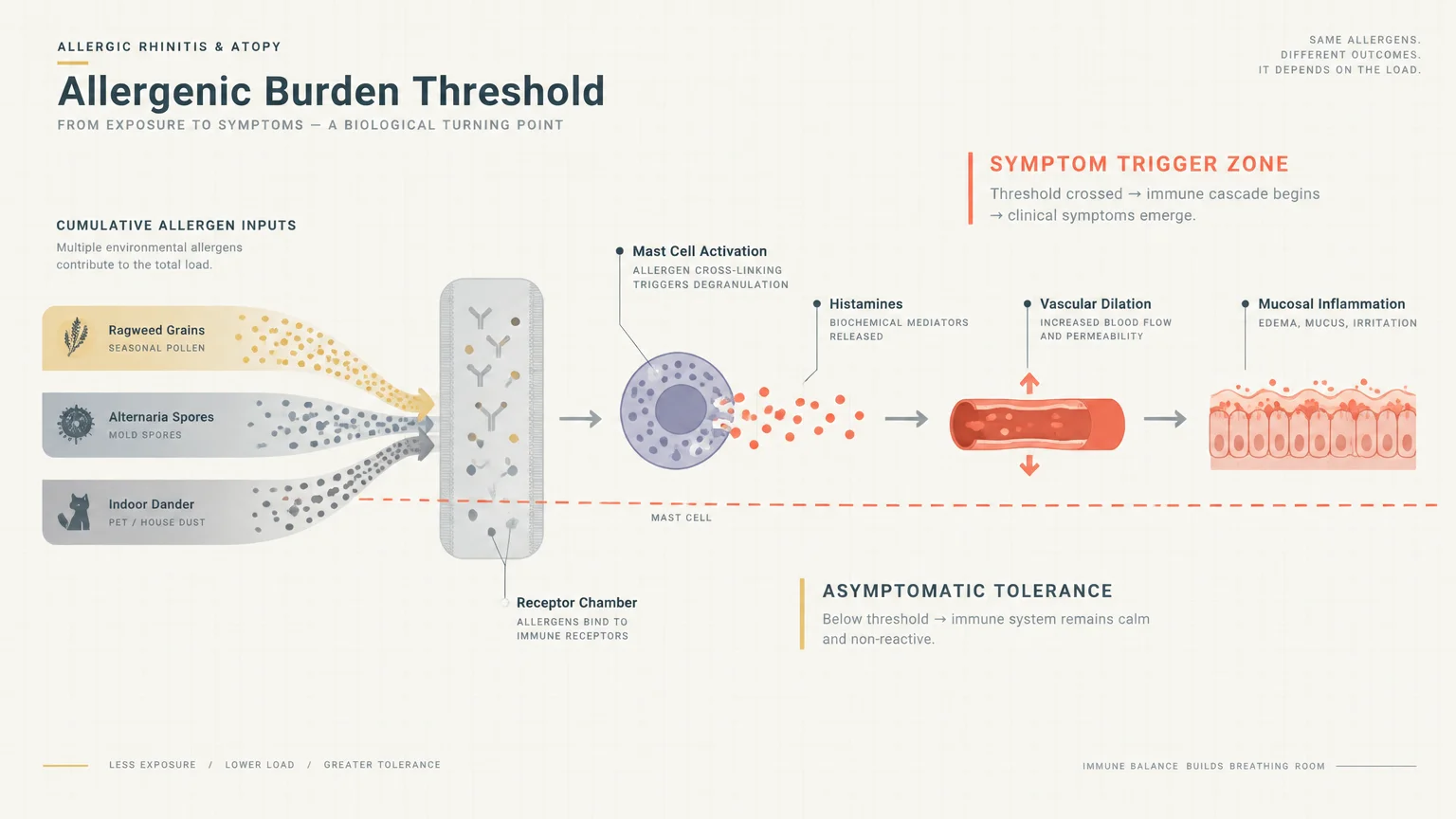
Board-certified allergists emphasize that allergic reactions operate on a cumulative threshold model. Your body might tolerate small quantities of single allergens, but multiple simultaneous exposures breach your natural defenses.
Dr. Marcus Vance, a clinical immunologist, explains that overlapping seasonal triggers create compounded stress. He observes that outdoor mold spores multiplying alongside ragweed easily push stable patients into acute distress.
Social determinants of health strongly influence individual vulnerability during peak allergy seasons. Inadequate access to modern HVAC filtration, older rental housing, and urban heat islands amplify daily allergen concentrations.
Recognizing the biological mechanisms behind your seasonal flare-ups removes self-blame. You can implement low-cost, high-yield interventions once you identify which seasonal elements drive your physical discomfort.

Strategic Action Pillars to Reclaim Autumn Comfort
Pillar 1: Targeted Medical Care and Timely Pharmacotherapy
Preventive medication delivers substantially greater clinical relief than treating full-blown inflammation. The National Institute of Allergy and Infectious Diseases recommends initiating anti-inflammatory regimens before symptoms peak.
Intranasal corticosteroid sprays represent the primary medical tool for autumn allergic rhinitis. Commencing nasal sprays two weeks before regional ragweed pollination protects delicate mucosal tissues against cellular damage.
Second-generation oral antihistamines provide dependable symptom control without causing daytime drowsiness. If over-the-counter medications provide incomplete relief, consult a board-certified allergist to evaluate personalized allergen immunotherapy.
Pillar 2: Indoor Air Sanitation and Environmental Barriers
Establishing an allergen-safe home sanctuary breaks the relentless cycle of autumn immune stimulation. Keep your residential windows shut on dry, breezy days when ragweed pollen counts reach maximum levels.
Equip your central furnace with air filters rated MERV 11 or higher before heating your home. Deploying standalone HEPA air cleaners in your bedroom eliminates lingering spores and dander.
Wash your bedding weekly in hot water reaching at least 130 degrees Fahrenheit. This simple habit eradicates dust mite populations that thrive during early fall humidity shifts.
Pillar 3: Anti-Inflammatory Nutrition and Dietary Awareness
Thoughtful nutritional choices support mucosal resilience against airborne seasonal irritants. Focus on antioxidant-rich foods like berries, onions, and leafy greens, which provide natural quercetin to stabilize overactive mast cells.
Maintain robust daily hydration to keep your protective mucous membranes fluid and functional. Generous water intake thins out sinus secretions, accelerating your respiratory tract’s natural self-clearing mechanisms.
Monitor your intake of raw trigger foods linked to Pollen Food Allergy Syndrome. If bananas, cantaloupe, or cucumbers cause mouth tingling, lightly bake, steam, or peel them prior to eating.
Pillar 4: Mindful Outdoor Movement and Hygiene Protocols
Enjoy crisp autumn weather by timing your outdoor activities wisely. Ragweed concentrations peak between mid-morning and afternoon, making dawn and post-rain periods ideal for exercise.
Wear an N95 respirator mask and wraparound eye protection when raking fallen leaves or mowing your lawn. Outdoor yard chores aerosolize massive clouds of fungal mold spores directly into your breathing zone.
Remove your outdoor outerwear immediately upon entering your home and place garments in your hamper. Taking an evening shower washes trapped pollen grains from your hair, keeping your sleeping space clean.
Frequently Asked Questions
How do you differentiate fall allergies from a viral cold?
Seasonal allergies do not cause high fevers, generalized muscle aches, or painful swollen lymph nodes. Allergic nasal drainage remains thin and clear, accompanied by relentless itching across your eyes, nose, and palate.
Common viral infections typically run their natural course within seven to ten days. Nasal symptoms persisting across multiple weeks without systemic illness point toward ongoing autumn allergen exposure.
When should you begin taking fall allergy medications?
Begin your preventive medication regimen approximately two weeks prior to the historical onset of weed pollination. In most temperate regions, starting daily nasal steroid sprays in early August yields optimal protection.
Early pharmaceutical intervention stabilizes your mucosal lining before airborne allergen concentrations spike. Pre-treating avoids the difficult challenge of calming hyper-reactive tissues once acute inflammation takes hold.
Why do fresh melons and bananas make your mouth itch in autumn?
This sensation reflects Pollen Food Allergy Syndrome, an immune cross-reaction between airborne weed pollen and botanical produce proteins. Your immune system mistakes the structural proteins in certain raw produce for ragweed pollen.
Symptoms generally remain localized to mouth itching and mild lip swelling. However, seek prompt emergency medical care if you experience throat constriction, facial swelling, or breathing difficulties.
Can you develop fall allergies as an adult without childhood symptoms?
Adult-onset seasonal allergies occur frequently across diverse populations. Geographic relocation, environmental shifts, hormonal fluctuations, and cumulative immune exposures can trigger new allergenic sensitivities at any stage of adult life.
If you experience unfamiliar respiratory symptoms during autumn, schedule a comprehensive clinical evaluation. An allergist can pinpoint your specific environmental sensitivities through targeted testing and establish an effective management plan.
Taking Your Next Step Toward Autumn Relief
Lasting relief from seasonal allergies begins with manageable, focused adjustments rather than exhausting routines. Start today by vacuuming your bedroom with a HEPA filter and washing your bedsheets in hot water.
Take a quiet moment to reflect on how seasonal symptoms influence your daily mood, physical endurance, and professional focus. Prioritizing your respiratory health allows you to experience the autumn season with energy and comfort.
Reach out to your primary care clinician or an allergist to refine your personalized seasonal health plan. Combining proactive environmental defenses with modern pharmacotherapy ensures you breathe easily all season long.








Leave a Reply