

Identifying autoimmune disease symptoms after age 60 empowers you to reclaim your vitality and prevent long-term joint or tissue damage. While many people attribute new aches or profound fatigue to normal aging, these subtle shifts often signal an overactive immune system attacking healthy cells. Late-onset autoimmune conditions present uniquely in older adults, frequently mimicking osteoarthritis or general cognitive decline. By recognizing the specific red flags that emerge later in life, you can secure an accurate diagnosis and collaborate with specialists to implement targeted therapies. You deserve to maintain an active, fulfilling lifestyle; paying close attention to these seven essential indicators offers the key to protecting your mobility, independence, and overall wellbeing during your senior years.
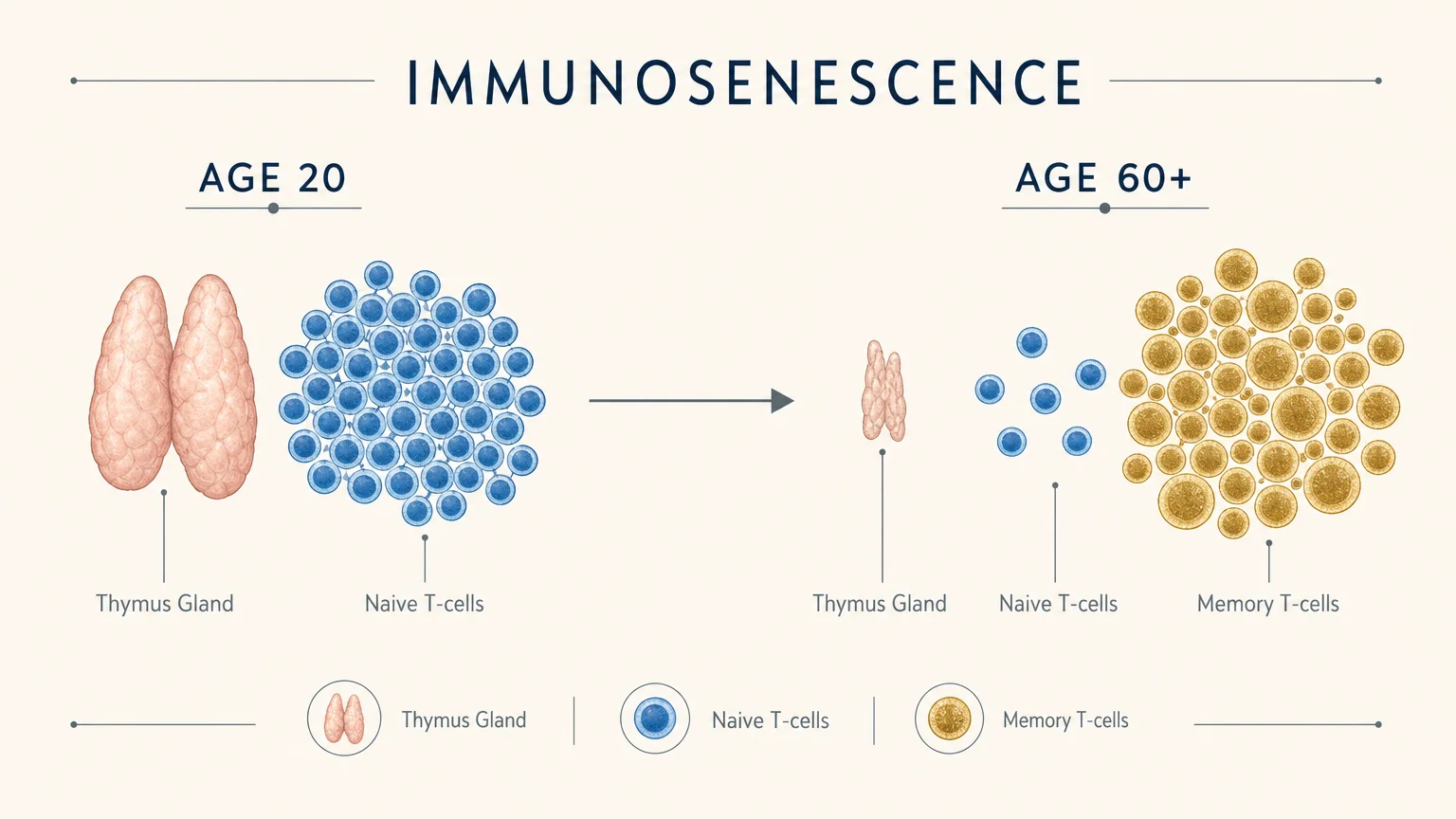
The Science of Aging and Autoimmunity
Understanding why autoimmune disorders surface later in life requires a brief look at the biology of aging. Scientists refer to the gradual deterioration of the immune system as immunosenescence. As you cross your sixtieth birthday, your thymus gland—the primary training ground for your immune cells—has significantly shrunk. This reduction diminishes your body’s supply of fresh, naive T-cells, forcing your immune system to rely heavily on an older population of memory cells. Over time, these aging cells lose their precise targeting abilities.
Simultaneously, older adults frequently experience inflammaging, a state of chronic, low-grade inflammation that keeps the immune system operating on high alert. When this constant state of alarm merges with cellular confusion, your immune system begins misidentifying your own tissues as dangerous invaders. Instead of neutralizing viruses or bacteria, your white blood cells launch friendly-fire attacks on your joints, skin, thyroid, or digestive tract. Reviewing the latest research on immunosenescence reveals that late-onset autoimmunity behaves differently than conditions diagnosed in early adulthood. Doctors often notice a more equal gender distribution in older patients, whereas younger autoimmune patients are overwhelmingly female. Furthermore, older adults may present with overlapping symptoms that mimic standard age-related wear and tear, complicating the diagnostic process. Understanding these underlying biological shifts empowers you to advocate for thorough medical investigations rather than accepting prolonged discomfort as an inevitable part of growing older.
7 Hidden Signs of Autoimmune Disease After 60
1. Profound, Unexplained Fatigue
Everyone experiences occasional tiredness, but autoimmune fatigue operates on an entirely different level. This profound exhaustion does not resolve with a good night’s sleep or an afternoon nap. You might wake up feeling as though you just ran a marathon, finding it immensely difficult to complete basic daily activities like cooking or showering. This crushing lethargy occurs because your body expends massive amounts of cellular energy sustaining an ongoing immune attack and the resulting systemic inflammation. When profound fatigue emerges suddenly in your sixties, doctors must look beyond simple sleep disturbances and evaluate your thyroid function and inflammatory markers.
2. Symmetrical Joint Pain and Morning Stiffness
Many older adults assume their aching knees or stiff fingers stem from osteoarthritis, which is the mechanical wear and tear of cartilage. However, autoimmune arthritis—such as late-onset rheumatoid arthritis—presents distinct patterns. The inflammation typically strikes symmetrically; if your left wrist aches and swells, your right wrist likely will too. Additionally, autoimmune joint pain creates a severe “gel phenomenon” in the morning. Your joints may feel completely locked or filled with thick gel, taking more than an hour of movement to loosen up. If a hot shower and light stretching do not quickly relieve your morning stiffness, an autoimmune condition might be the culprit.
3. Persistent Digestive Disturbances
Your digestive tract houses a massive portion of your immune system, making it a primary target for autoimmune dysfunction. Conditions like microscopic colitis or late-onset celiac disease can develop well past middle age. Symptoms often manifest as sudden food intolerances, chronic bloating, unpredictable bowel habits, or persistent watery diarrhea. Because the aging gut naturally undergoes microbial changes, patients and doctors sometimes dismiss these warning signs as routine stomach sensitivities. Unmanaged intestinal inflammation severely compromises nutrient absorption, posing a significant risk for malnutrition, osteoporosis, and frailty in older adults.
4. Severe Dry Eyes and Cotton Mouth
While various blood pressure and bladder medications cause dry mouth, a sudden, extreme lack of moisture often signals Sjögren’s syndrome. This autoimmune disease directly attacks the moisture-producing glands of the body. You might feel as though you have sand permanently trapped in your eyes, or you may find it impossible to swallow dry foods like crackers without a large glass of water. Beyond the daily discomfort, unmanaged Sjögren’s threatens your dental health by promoting rapid tooth decay and risks severe corneal abrasions that can permanently damage your vision.
5. Unpredictable Skin Rashes or Lesions
Your skin acts as a visible monitor for your internal health. Autoimmune conditions frequently broadcast their presence through dermatological changes. Cutaneous lupus, psoriasis, and various forms of vasculitis can erupt for the first time in your sixties or seventies. You might notice thick, scaly patches on your elbows and knees, unexplained purple spots on your lower legs, or a severe rash triggered by minimal sun exposure. Because aging skin naturally thins and becomes more sensitive, these vital clues frequently go overlooked until they become severe or widespread.
6. Neuropathy and Cognitive Fog
The sudden onset of peripheral neuropathy—characterized by burning, tingling, or numbness in your hands and feet—requires immediate medical attention. While diabetes causes many neuropathy cases, autoimmune vasculitis restricts blood flow to peripheral nerves, causing identical sensations. Concurrently, systemic inflammation severely disrupts neurotransmitter function in the brain, creating profound cognitive fog. You might struggle to recall familiar words or lose your train of thought mid-sentence. Before attributing these changes entirely to Alzheimer’s or dementia, a thorough screening for autoimmune inflammation offers a pathway to potentially reversible treatments.
7. Sudden Muscle Weakness and Shoulder Aches
Polymyalgia rheumatica (PMR) represents one of the most common inflammatory conditions exclusively affecting older adults. It rarely strikes anyone under the age of 50. PMR announces itself through profound, symmetrical aching and stiffness in the shoulder girdles and hips. You might suddenly find yourself unable to raise your arms high enough to comb your hair or lack the strength to push yourself up from a low chair. This condition responds beautifully to targeted treatments, making an accurate diagnosis an absolute necessity for restoring your functional independence.
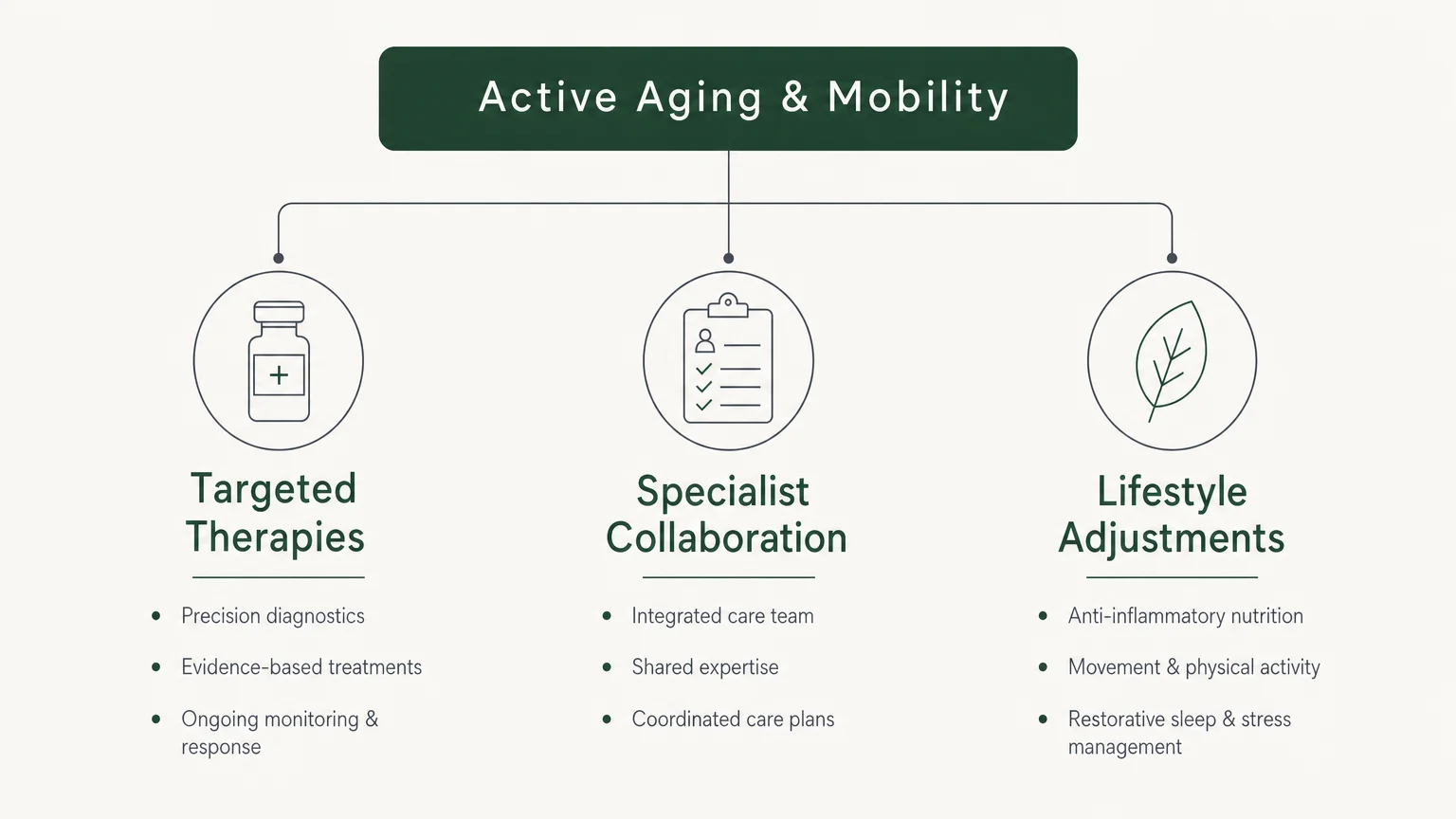
Strategy Pillars: Managing Autoimmune Health After 60
Implement Anti-Inflammatory Nutrition
Dietary adjustments serve as a powerful tool to modulate your immune system and cool systemic inflammation. Prioritize a Mediterranean-style eating pattern rich in antioxidants, fiber, and omega-3 fatty acids. Incorporate abundant leafy greens, deeply colored berries, extra virgin olive oil, and fatty fish like wild-caught salmon or sardines. Acknowledging that access to fresh seafood and produce varies greatly due to geographical or financial constraints, you can achieve excellent nutritional density using frozen vegetables and canned fish, which retain all their anti-inflammatory benefits. Reducing your intake of ultra-processed foods and refined sugars directly deprives your inflammatory pathways of the fuel they need to attack your tissues.
Embrace Strategic Movement and Joint Protection
When your joints ache or your energy plummets, exercise feels incredibly counterintuitive. Yet, strategic movement acts as essential lubrication for your joints and preserves the muscle mass needed to protect your skeletal structure. Work alongside a physical therapist to design a routine that respects your energy envelope. Low-impact activities such as water aerobics, swimming, recumbent cycling, or Tai Chi keep you mobile without subjecting inflamed joints to harsh impact forces. Reviewing the latest guidance on physical activity from major public health organizations confirms that consistent, gentle movement dramatically improves autoimmune pain outcomes and combats disease-related fatigue.
Pursue Proactive Medical Collaboration
Navigating the healthcare system with complex symptoms requires a proactive mindset. Keep detailed records of your symptom patterns, including the severity, time of day, and any potential triggers. Request referrals to board-certified rheumatologists, as they possess the specific expertise necessary to decipher complex autoantibody profiles. Blood tests like the Antinuclear Antibody (ANA), Rheumatoid Factor (RF), and C-Reactive Protein (CRP) provide vital clues, though some patients possess “seronegative” diseases where blood work appears normal despite active inflammation. Familiarize yourself with clinical recommendations for rheumatic conditions to better advocate for appropriate testing, imaging, and advanced biological therapies that can halt disease progression.

Real Voices: Insights from Rheumatology Clinics
Clinical specialists consistently emphasize the danger of dismissing new symptoms as inevitable aging. Rheumatologists frequently observe that older adults endure significant pain and declining mobility for months—sometimes years—before seeking specialized care. Many patients express profound relief when they finally receive a name for their suffering. Having a concrete diagnosis validates their physical struggles and opens the door to highly effective, modern interventions. Medical professionals advocate fiercely for early detection, noting that treating inflammation promptly preserves joint architecture, protects internal organs, and dramatically enhances the quality of life for seniors navigating chronic illness. Tapping into advocacy and education networks connects you with patient communities who deeply understand the emotional and physical nuances of aging with an autoimmune disease.
Frequently Asked Questions
Can an autoimmune disease develop suddenly in my sixties or seventies? Yes, late-onset autoimmunity is a well-documented phenomenon. While many people associate autoimmune diseases with young adults, conditions like rheumatoid arthritis, late-onset lupus, and polymyalgia rheumatica frequently emerge in older age. Changes in immune function, viral infections, extreme stress, or cumulative environmental exposures often serve as the trigger for these late-in-life diagnoses.
How do doctors differentiate between osteoarthritis and autoimmune arthritis? Physicians look for specific clinical patterns. Osteoarthritis pain generally worsens with activity and improves with rest, rarely involving prolonged morning stiffness. Autoimmune arthritis, conversely, causes severe morning stiffness lasting over an hour, symmetrical joint swelling, and systemic symptoms like low-grade fevers and profound fatigue. Doctors also utilize blood work and specialized imaging to detect precise inflammatory markers.
Are there specific blood tests I should request if I suspect an autoimmune issue? Your physician will likely begin with a comprehensive metabolic panel alongside an Antinuclear Antibody (ANA) test, Rheumatoid Factor (RF), anti-CCP, Erythrocyte Sedimentation Rate (ESR), and C-Reactive Protein (CRP). Always consult your primary care physician or a board-certified rheumatologist for personalized care to interpret these complex laboratory results properly.
How does diet impact autoimmune disease symptoms in older adults? What you eat directly influences your gut microbiome, which modulates a massive portion of your immune response. Consuming anti-inflammatory, nutrient-dense foods reduces oxidative stress and lowers the burden on an overactive immune system. Furthermore, proper nutrition combats the muscle wasting and bone density loss that frequently accompany systemic autoimmune conditions.
Take Your First Step Toward Better Health
Confronting new, frightening health challenges in your later years carries a heavy emotional weight, but you hold the power to change your trajectory. Do not settle for persistent pain or extreme fatigue simply because you have crossed a specific age milestone. Take a tangible, empowering step today by starting a symptom journal. For the next two weeks, record the time, duration, and severity of your joint stiffness, skin changes, or exhaustion. Bring this documented evidence to your next medical appointment to facilitate a focused, productive conversation with your doctor. By actively tracking your daily experiences, you build the foundation for a rapid diagnosis, targeted treatment, and a profound restoration of your physical wellbeing.









Leave a Reply