

If you develop sudden, severe abdominal cramps followed by sharp digestive distress, contaminated meat may be the culprit. Recognizing your symptoms immediately gives you the power to protect your kidneys and stabilize your recovery.
Bacteria like Shiga toxin-producing Escherichia coli lurk in undercooked beef and spread rapidly when food safety protocols fail. Pinpointing your exact timeline helps you distinguish standard stomach bugs from serious foodborne infections.
Listening to your body right now will guide your next critical medical and nutritional steps. Here is how you identify the warning signs and support your body through safe healing.
Recognizing the Hallmark Symptoms of Contaminated Meat
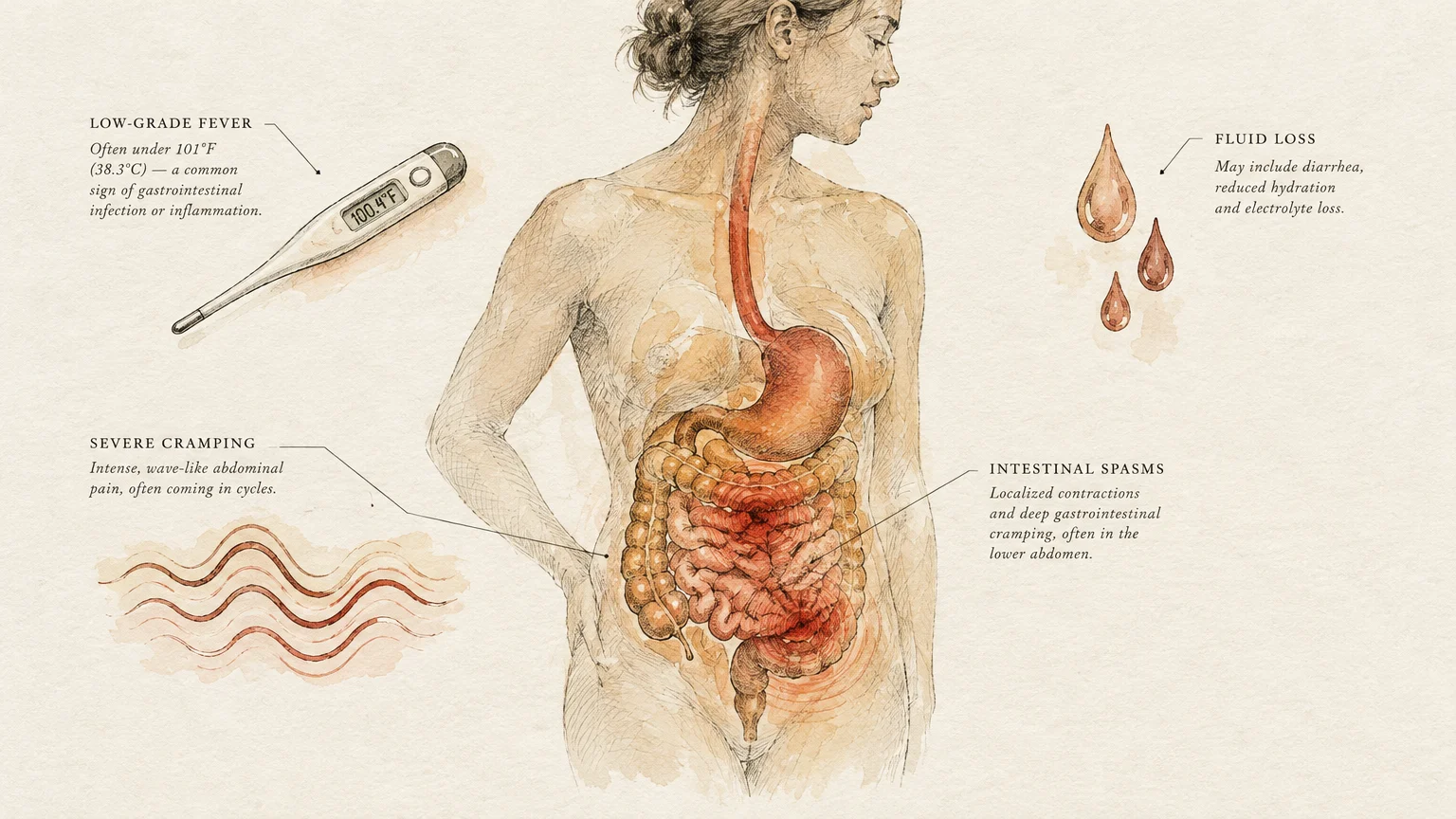
Foodborne illness often strikes without warning, but specific microbial strains trigger distinctive physical patterns. When you ingest tainted ground beef, your digestive tract responds with sharp, progressive distress.
Severe abdominal cramping represents the earliest and most intense signal of an infection. These pains often feel sharp and debilitating, mimicking conditions like acute appendicitis.
Watery diarrhea usually follows the initial cramping within a matter of hours. As inflammation deepens across your intestinal lining, the stool frequently turns visibly bloody.
Bloody diarrhea serves as a distinct hallmark of Shiga toxin-producing bacterial strains. If you observe blood in your stool, you should contact a medical professional immediately.
Nausea and persistent vomiting frequently accompany this digestive distress, making it challenging to keep fluids down. These upper gastrointestinal disruptions rapidly deplete your vital reserves.
You may also develop a low-grade fever, typically staying under 101°F. High fevers occur less frequently with this specific pathogen, distinguishing it from several other invasive intestinal bugs.
Severe fatigue and general bodily malaise accompany these gastrointestinal manifestations. Your body expends immense cellular energy trying to neutralize the bacterial invaders and manage systemic inflammation.
Tracking the exact progression of these symptoms helps clinicians make rapid diagnostic determinations. Writing down when each physical sign appeared gives your medical team critical diagnostic context.
The Delayed Timeline and Incubation Window
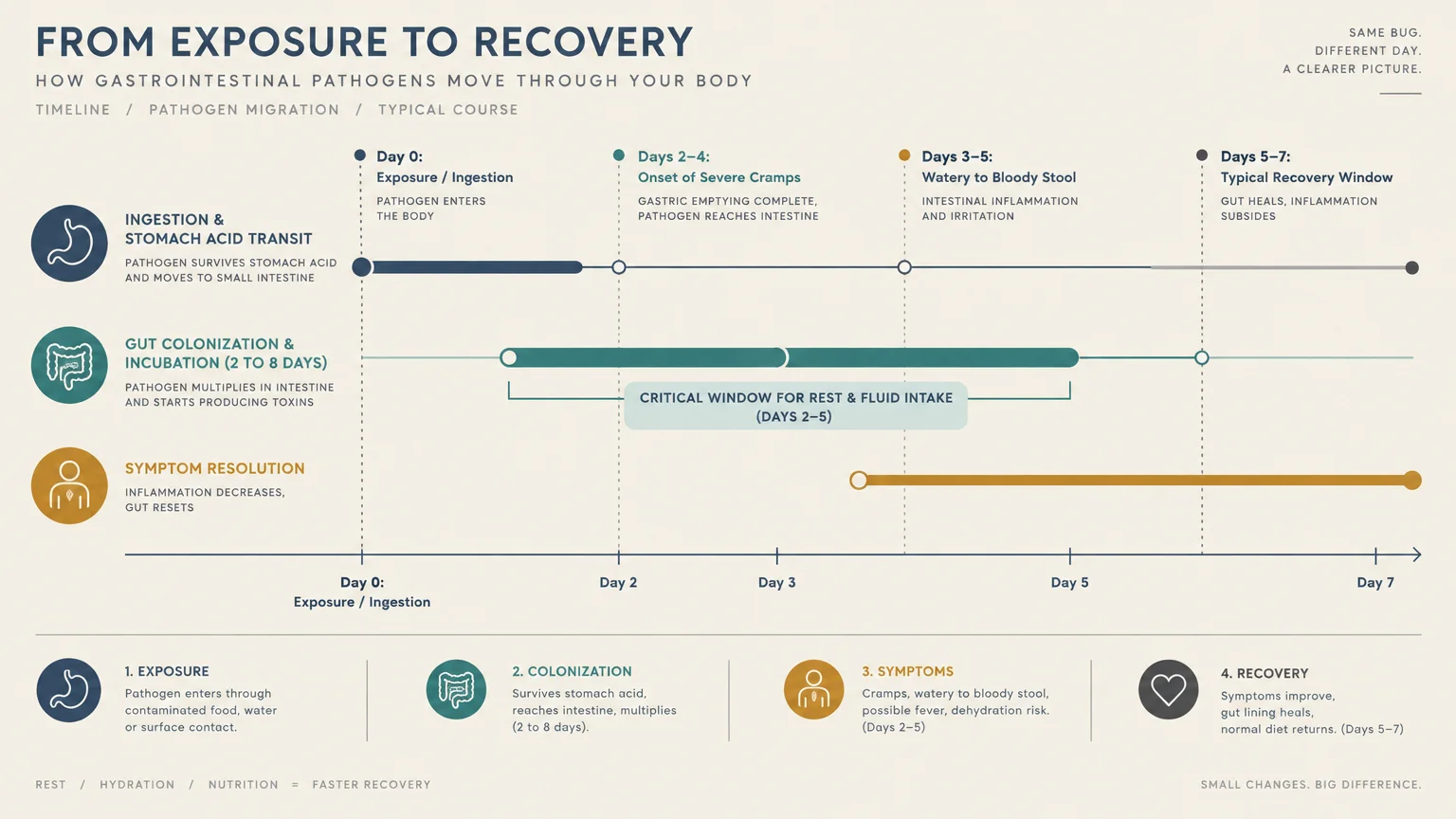
Many people incorrectly assume that food poisoning always strikes within hours of finishing a meal. In reality, Shiga toxin-producing bacteria require time to travel through your stomach acid and colonize your gut.
Symptoms typically emerge between 2 to 8 days after you consume contaminated meat. Most individuals notice their first cramps approximately 3 to 4 days after the exposure occurs.
This delayed incubation often creates confusion when you try to identify the offending meal. You must look back through your dining history across the preceding week rather than just your latest meal.
Most uncomplicated cases resolve naturally within 5 to 7 days through supportive rest and continuous rehydration. However, your body requires deliberate care throughout this entire recovery window to avoid dangerous setbacks.
Knowing this timeframe prevents you from mistakenly blaming safe meals eaten earlier in the day. It also alerts you to the fact that tainted meals eaten several days ago caused your current distress.
Keep a mental or written log of restaurant visits, family cookouts, and grocery purchases from the past week. This timeline provides invaluable information if health authorities investigate regional outbreaks.
Staying patient while your body expels the pathogen proves essential for long-term digestive balance. Rushing your return to normal activities too early can prolong intestinal weakness and physical exhaustion.
How Shiga Toxins Damage Your Intestinal Lining
The severity of this infection stems from the destructive capabilities of Shiga toxins. Certain strains of Shiga toxin-producing bacteria produce these potent proteins inside your lower intestine.
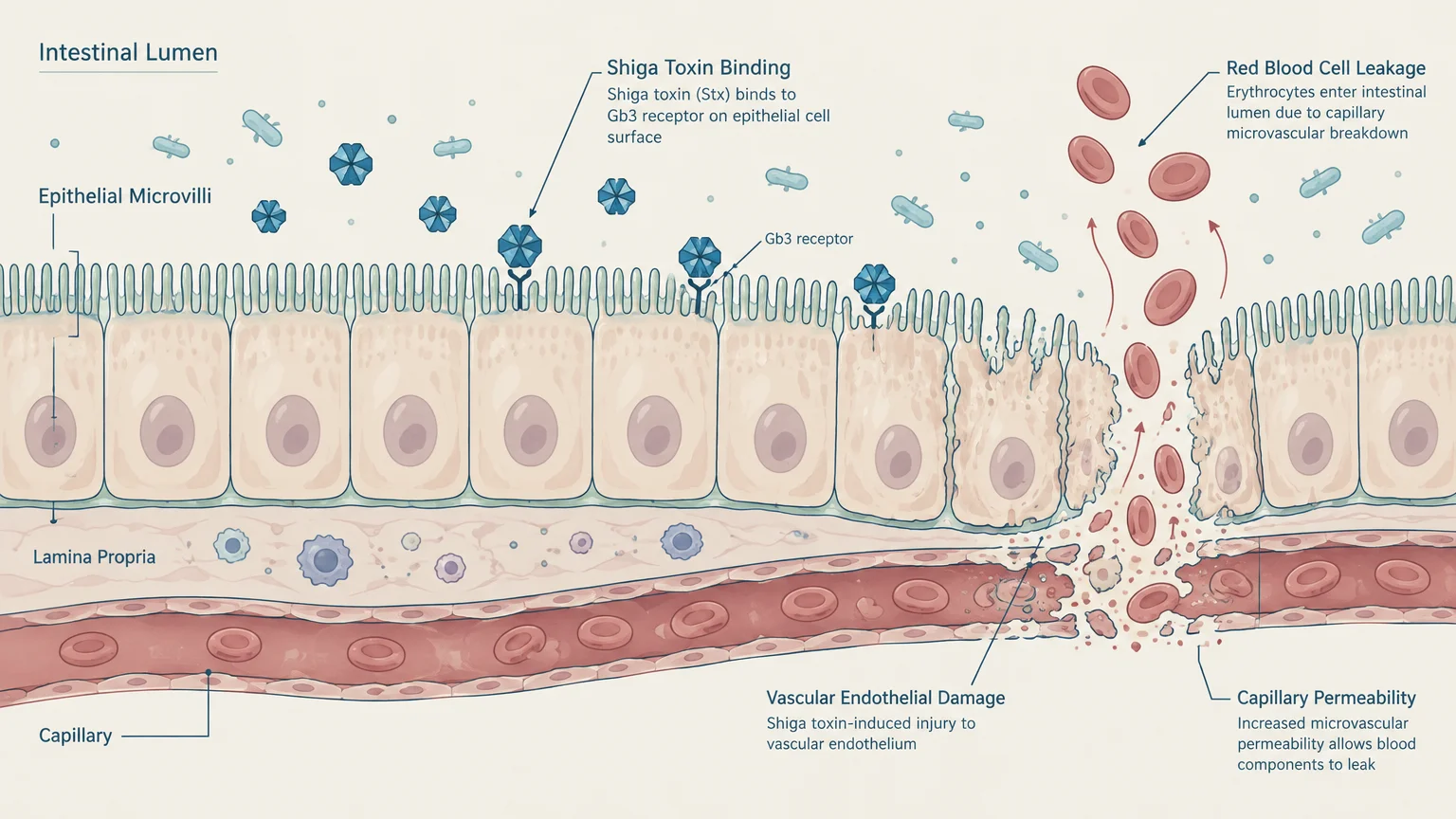
Once bacteria multiply in your colon, they anchor firmly to your epithelial mucosal cells. From this vantage point, they release chemical toxins directly into your delicate bowel tissues.
These toxins halt cellular protein synthesis, triggering widespread cell destruction along your intestinal wall. This localized tissue death directly produces intense ulceration and significant intestinal bleeding.
The resulting vascular inflammation prevents your colon from absorbing dietary water and essential minerals properly. Your nervous system reacts to this intense chemical damage by activating vigorous, painful muscle spasms.
The damage remains largely concentrated in the mucosal layers of your large intestine. This targeted destruction explains why you experience excruciating cramping paired with copious fluid discharge.
Understanding this biological mechanism clarifies why standard digestive upset differs vastly from a toxin-mediated infection. Your gastrointestinal system is navigating acute cellular trauma that demands gentle, informed support.
Protecting your remaining mucosal barrier requires you to minimize digestive friction during active illness. Giving your colon time to regenerate prevents deeper vascular injury and chronic gut dysfunction.
Why Anti-Diarrheals and Antibiotics Pose Grave Risks
Reaching for over-the-counter stomach remedies feels instinctive when severe diarrhea strikes. However, taking anti-diarrheal medications can cause severe harm during this specific infection.
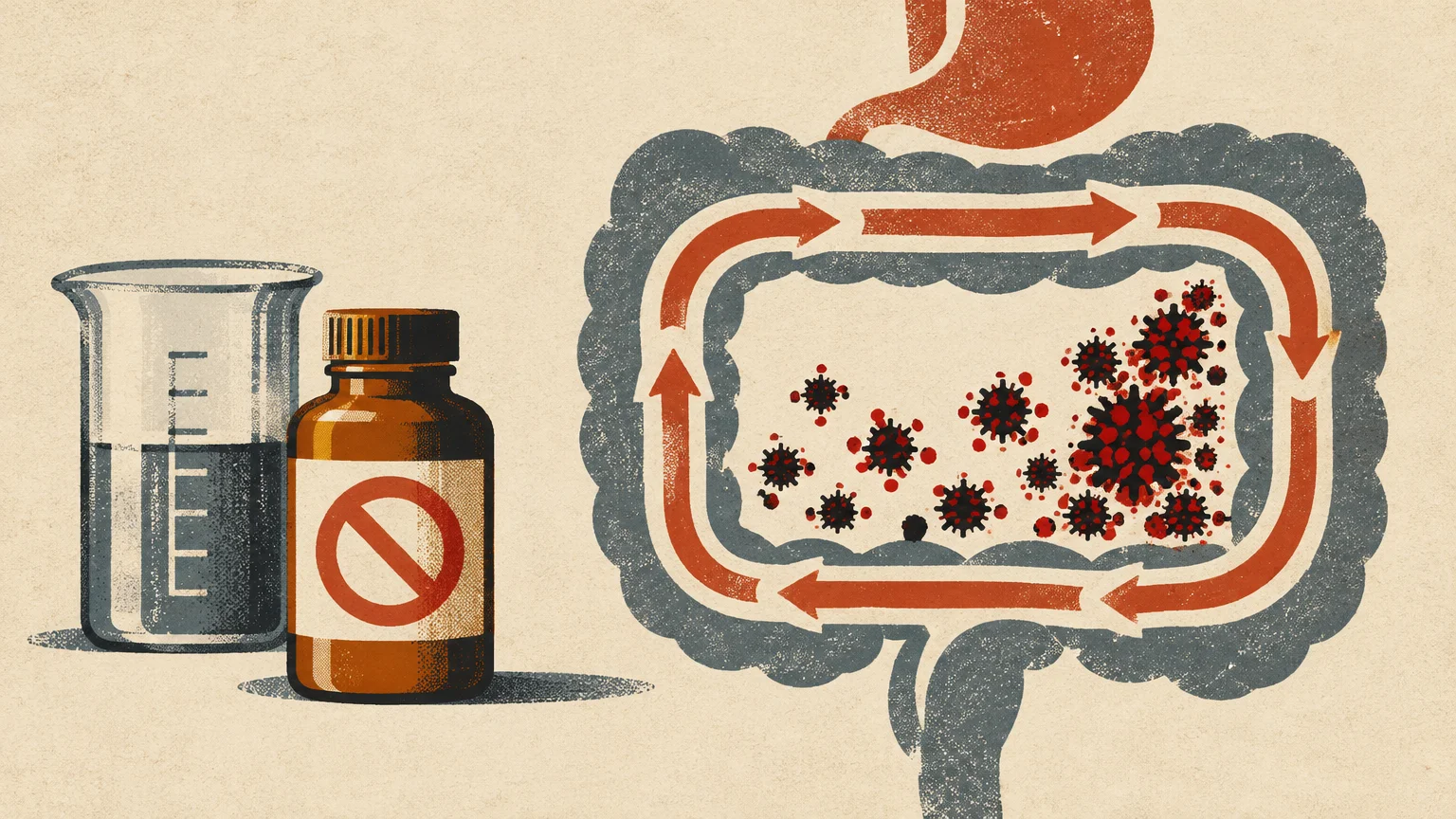
Drugs that slow bowel motility trap the bacteria and their potent toxins inside your digestive tract. This prolongs mucosal contact with Shiga toxins, significantly increasing your risk of dangerous systemic complications.
Antibiotic treatment also presents significant risks when dealing with Shiga toxin-producing strains. Clinical evidence indicates that certain antibacterial agents trigger bacterial stress, prompting the microbes to release massive surges of toxin.
When millions of bacteria rupture simultaneously, they flood your bloodstream with hazardous proteins. This rapid influx of systemic toxins places overwhelming strain upon your blood vessels and vital organs.
Health authorities explicitly caution that routine antibiotic therapy and antimotility drugs provide no clinical benefit here. You should always consult your physician before swallowing any medication for severe bloody diarrhea.
Focusing on natural physiological clearance allows your digestive tract to expel the bacterial load safely. Supporting this process requires gentle hydration rather than chemical suppression of your symptoms.
Trusting your body to clear pathogens naturally while providing supportive hydration forms the cornerstone of effective recovery. Always seek physician guidance before introducing any pharmacological agent to manage your diarrhea.
Hemolytic Uremic Syndrome: Warning Signs and Kidney Risks
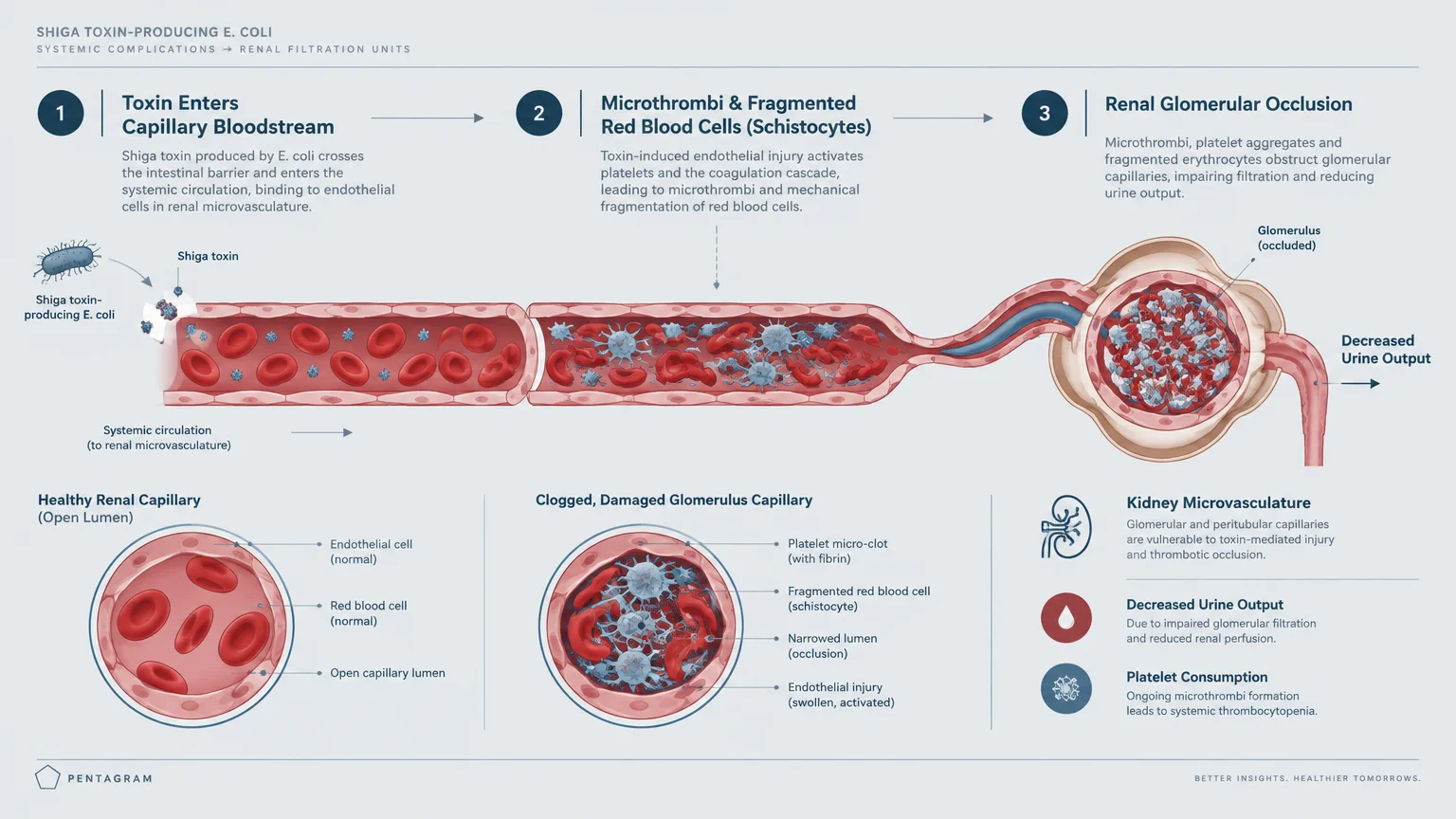
While most healthy adults recover fully, Shiga toxins can occasionally enter your bloodstream. When this occurs, the toxins travel directly toward your delicate renal filtration structures.
Approximately 5% to 10% of individuals diagnosed with this infection develop Hemolytic Uremic Syndrome. Known commonly as HUS, this condition represents a life-threatening type of acute kidney failure.
HUS symptoms typically manifest about 7 days after your initial digestive complaints begin. Crucially, these renal complications often appear just as your diarrhea seems to be improving.
The circulating toxins damage tiny blood vessels inside your kidneys, triggering localized blood clots. These microclots destroy healthy red blood cells as they squeeze through restricted capillary beds.
You should monitor your body closely for marked decreases in urination frequency or volume. Extreme fatigue, unusual pale skin tones, and unexplained subcutaneous bruising also signal potential renal distress.
Children under 5 years old and adults aged 65 and older face the highest vulnerability to HUS. Immunocompromised individuals must also maintain vigilance and seek immediate emergency evaluation if warning signs appear.
Early clinical detection of HUS dramatically improves patient outcomes and prevents permanent organ damage. If you notice swelling in your face or ankles after an infection, contact emergency services immediately.
Hospital teams manage HUS through careful fluid management, blood pressure monitoring, and renal support. Acting swiftly at the first sign of kidney involvement protects your long-term vitality.
The Mechanics of Ground Beef Contamination
Understanding how meat becomes contaminated helps you recognize culinary vulnerabilities in everyday life. Cattle naturally harbor diverse strains of intestinal bacteria without exhibiting any signs of illness.
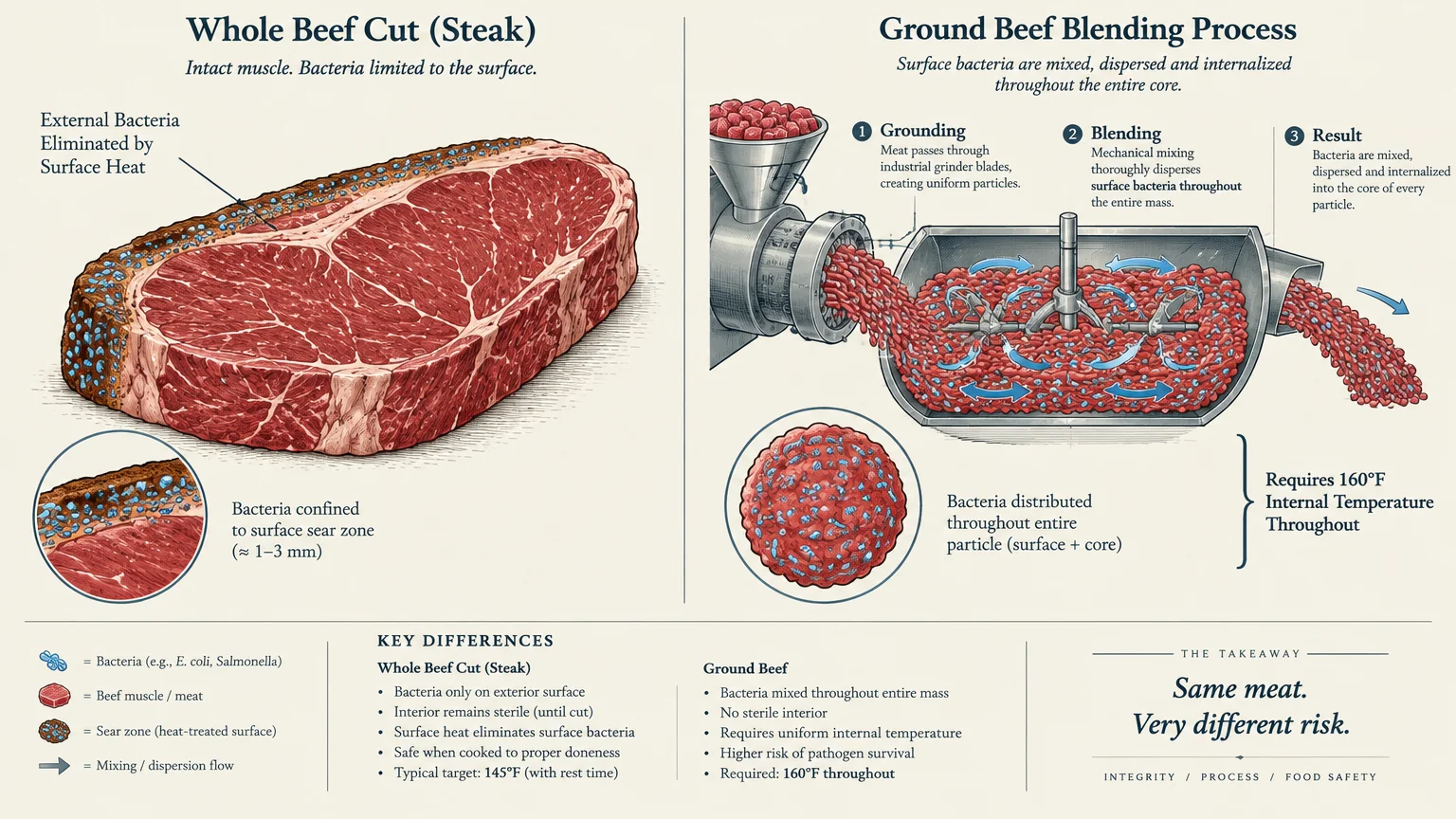
During commercial slaughter and processing, microscopic amounts of intestinal content can inadvertently touch the exterior surfaces of the carcass. On whole steaks or roasts, these bacteria remain confined to the outer surface.
Normal cooking quickly destroys surface bacteria on whole cuts because heat directly touches the exterior meat. However, the commercial grinding process alters this dynamic completely.
When meat processors grind beef, they mix the exterior surfaces into the very core of the product. Single processing batches often combine cuts from hundreds of different animals into vast industrial blends.
A single contaminated piece of meat can therefore taint thousands of retail packages of ground beef. The pathogenic bacteria end up distributed throughout the middle of your raw burger or meatloaf.
If you prepare ground beef rare or medium-rare, the interior temperature never gets hot enough to kill the pathogens. Eating undercooked ground beef directly deposits live bacteria into your digestive tract.
Recognizing this processing reality emphasizes why you must approach ground beef differently than solid cuts of steak. Thorough heat penetration remains non-negotiable for all ground meat preparations.
Recent Ground Beef Recalls and Safety Realities
Regulatory agencies continuously track agricultural hazards to safeguard consumer health across the country. The USDA-FSIS food safety teams issue national product recalls whenever routine testing flags pathogenic strains.
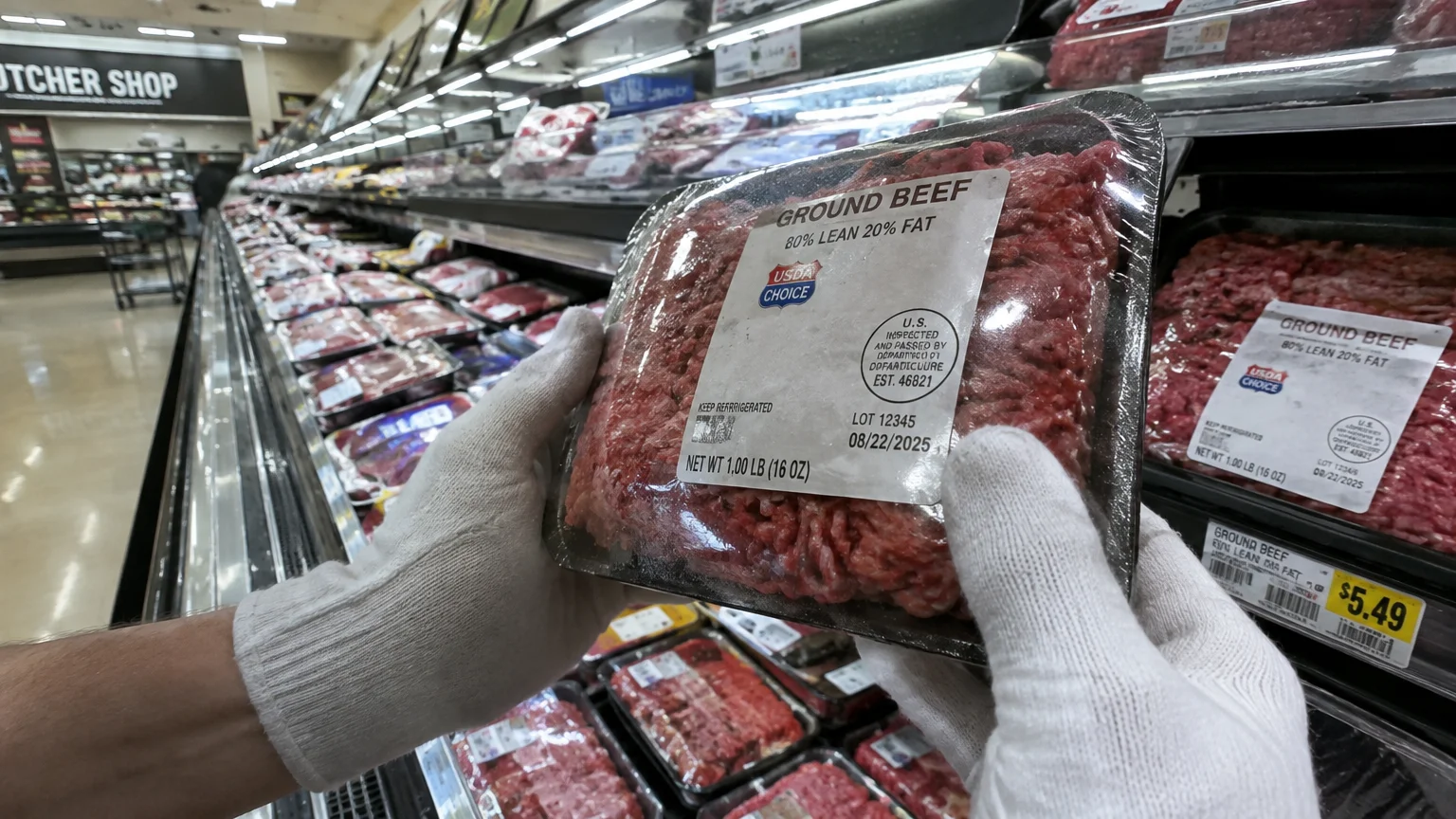
On February 11, 2026, CS Beef Packers recalled approximately 22,912 pounds of raw ground beef. Routine surveillance linked the batch to potential contamination with the non-O157 strain known as O145.
These affected raw beef products reached food service distributors across California, Idaho, and Oregon. Public health notices helped commercial kitchens isolate the tainted shipments before broader consumer exposure occurred.
Similarly, on December 27, 2025, Mountain West Food Group recalled 2,855 pounds of grass-fed ground beef. Testing detected dangerous O26 strains in retail packages distributed to six distinct states.
That specific retail distribution spanned California, Colorado, Idaho, Montana, Pennsylvania, and Washington. The recall highlighted that even grass-fed products require meticulous handling and strict temperature control.
These recurring incidents demonstrate that agricultural pathogens can emerge across all farming systems. Checking recall announcements helps you identify tainted products lingering in your home freezer.
If you discover recalled meat in your refrigerator or freezer, return it to your store or discard it immediately. Never attempt to cook contaminated meat, even to elevated temperatures, as handling it risks widespread cross-contamination.
Maintaining awareness of national food safety notices empowers you to protect your family proactively. Informed consumers create an indispensable barrier against foodborne pathogens in home kitchens.
The Broader Landscape of Domestic Foodborne Illness
Foodborne illnesses represent a substantial public health challenge across the United States. Federal estimates indicate that contaminated foods sicken roughly 48 million Americans during any given year.
These illnesses lead to approximately 128,000 hospitalizations and claim about 3,000 lives annually. Navigating food safety requires an awareness of how widely these microscopic pathogens circulate.
A focused assessment published by federal epidemiologists highlights the significant role of seven major pathogens. These primary organisms cause an estimated 9.9 million illnesses and 53,300 hospitalizations every year.
They also account for roughly 931 domestic deaths across the nation each year. Shiga toxin-producing strains remain prominent contributors to this substantial clinical burden.
Specifically, Shiga toxin-producing strains cause between 265,000 to 350,000 domestic infections annually. They also generate over 3,000 hospital admissions and result in around 30 fatalities.
Understanding these widespread statistics underscores why food safety is a collective community responsibility. You are dealing with a recognized, highly documented biological adversary that requires structured care.
Contextualizing your symptoms within these broader national figures reminds you that food poisoning reflects systemic agricultural issues. Practicing diligent home food hygiene shields your household from these widespread domestic hazards.
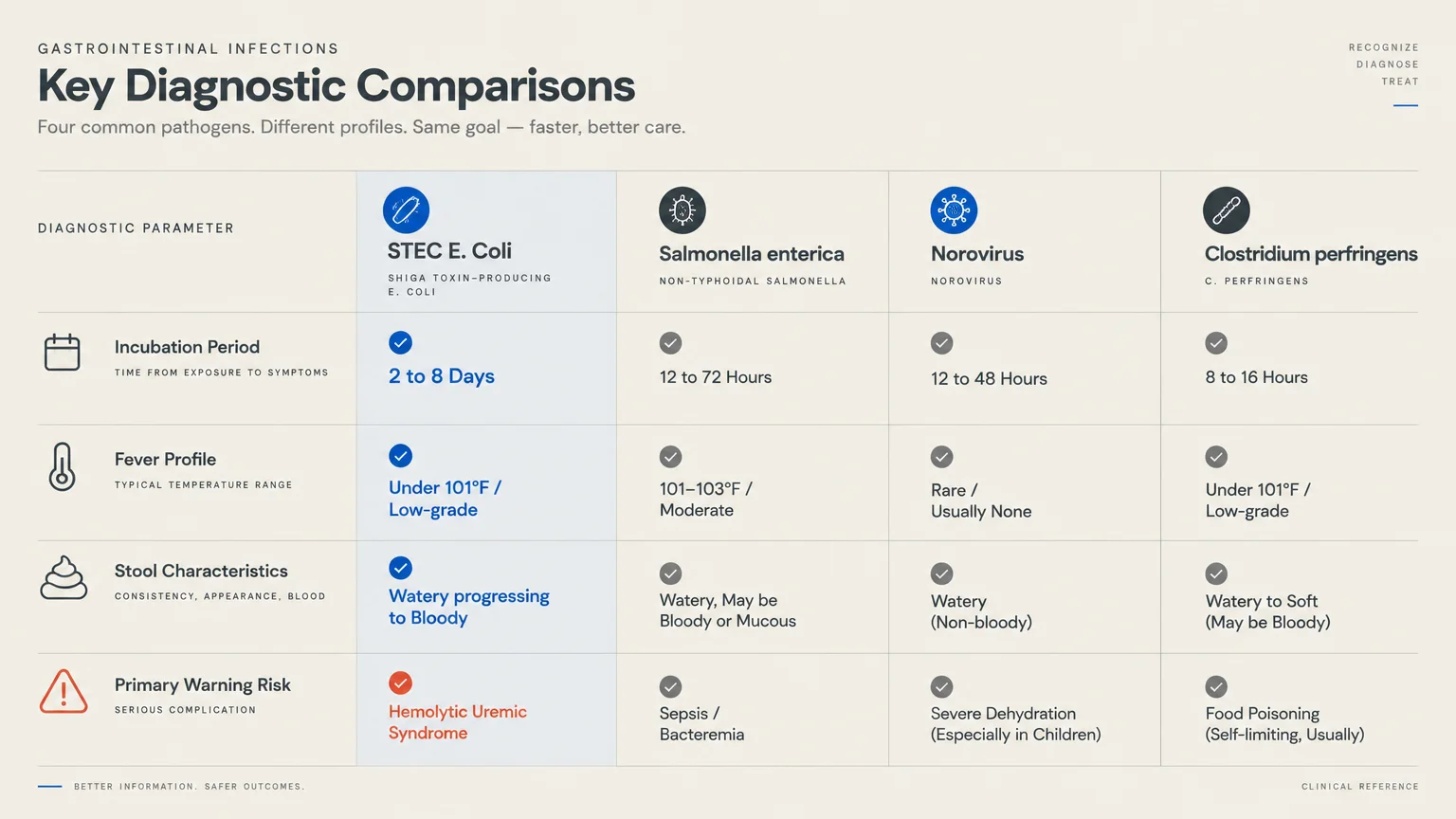
Differentiating E. Coli from Other Foodborne Pathogens
Pinpointing the exact cause of gastrointestinal upset can feel challenging when multiple pathogens produce overlapping signs. However, examining specific characteristics helps differentiate Shiga toxin infections from other common foodborne bugs.
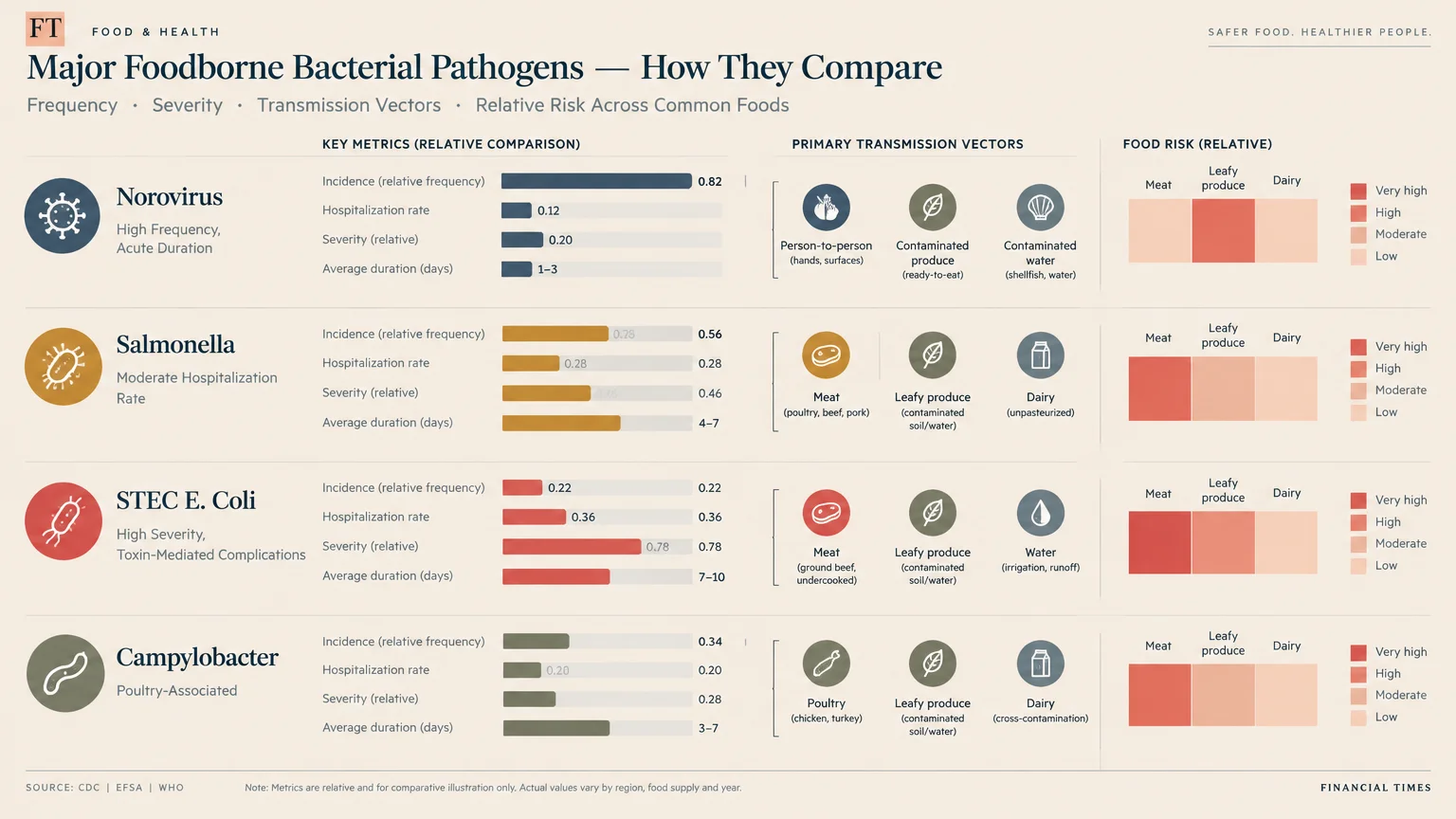
Viral gastroenteritis, commonly caused by norovirus, typically features sudden projectile vomiting and watery diarrhea within hours of exposure. Norovirus rarely causes bloody stools and generally runs its course within two days.
Salmonella infections often trigger noticeable high fevers along with headache and persistent digestive cramping. Symptoms of salmonellosis usually appear faster, frequently emerging within twelve hours of eating contaminated poultry or eggs.
In contrast, Shiga toxin-producing bacterial infections stand out due to their prolonged incubation and bloody diarrhea. The absence of a high fever paired with intense cramping strongly points toward contaminated beef pathogens.
Staphylococcal food poisoning develops extremely rapidly, often sickening people within a few hours of eating room-temperature foods. That condition centers on violent nausea and vomiting with very little fever or bloody stool.
Noting these subtle clinical differences helps you provide accurate descriptive details to your treating physician. Precise symptom descriptions narrow down diagnostic pathways and prevent unnecessary medical tests.
Always share every symptom nuance with your primary care provider or urgent care clinician. Accurate clinical communication ensures you receive the most relevant medical supervision for your specific illness.
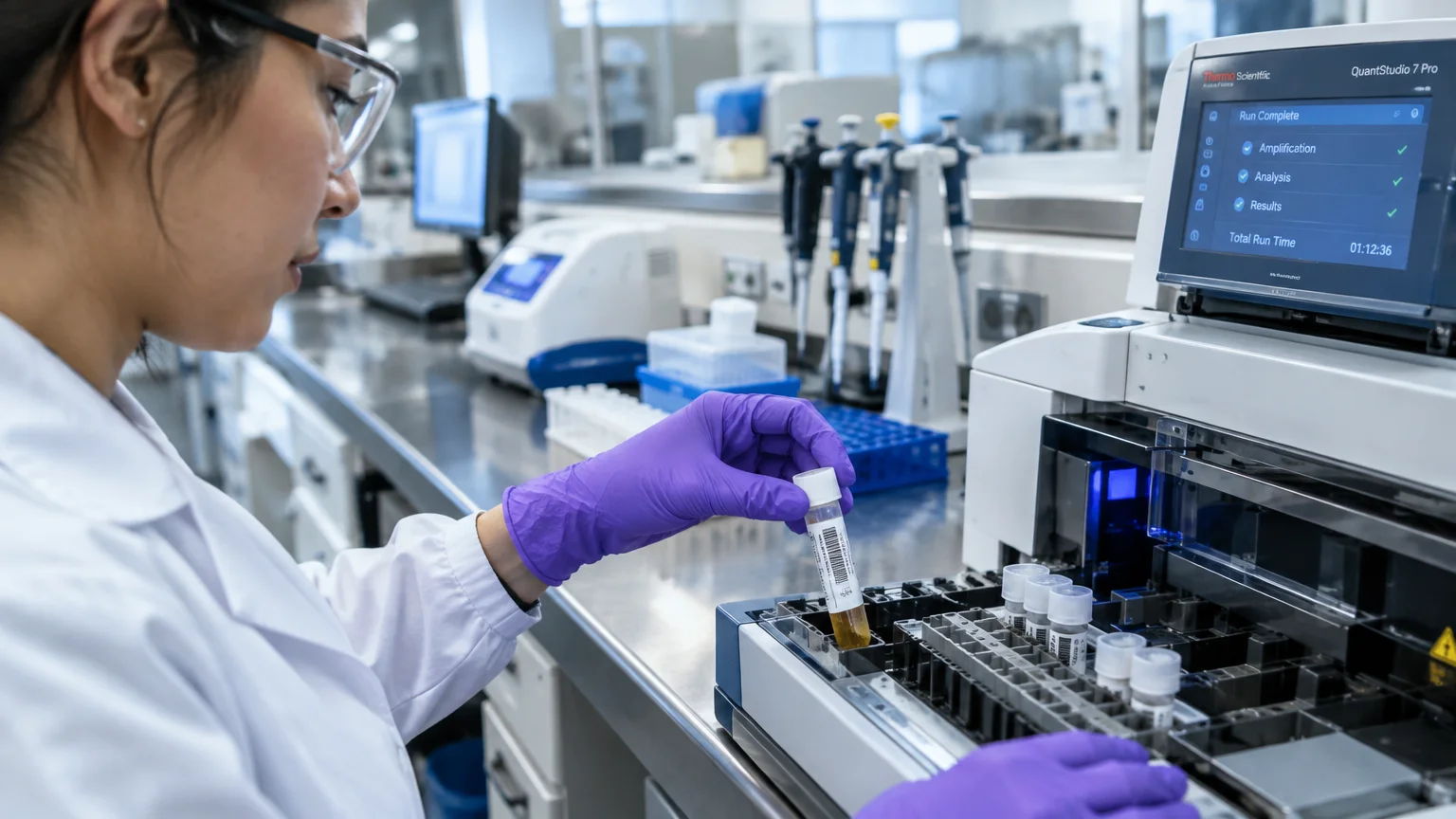
Pillar One: Timely Medical Care and Diagnostic Testing
Your first line of defense during acute gastrointestinal illness involves professional clinical collaboration. Seeking prompt evaluation ensures you receive accurate diagnostic testing rather than making unguided assumptions.
A physician can order specific stool culture tests and molecular assays to detect Shiga toxins. Confirming the precise bacterial culprit enables your clinical team to tailor monitoring and avoid risky interventions.
Medical providers often assess your complete blood count and kidney function markers through simple laboratory draws. These objective metrics detect early platelet destruction or renal strain long before physical emergencies emerge.
Research indexed by the National Institutes of Health confirms that early diagnostic confirmation optimizes patient recovery protocols. Routine monitoring allows clinicians to intervene promptly if renal parameters begin to shift.
If you experience profound dehydration, high lethargy, or severe bloody discharge, seek urgent clinical care. Medical centers provide intravenous fluid support that safely restores cellular perfusion without overtaxing your gut.
Never attempt to navigate high-risk symptoms alone without objective laboratory data guiding your care. Professional healthcare teams possess the monitoring tools necessary to keep you safe through peak infection stages.
Maintain clear records of your lab results and clinical recommendations for future medical reference. Keeping organized health documentation supports your overall continuity of care across different medical facilities.
Always discuss your complete symptom history and recent dietary intake with your healthcare provider. Collaborative medical partnerships protect your long-term vitality while navigating acute systemic infections.

Pillar Two: Holistic Hydration and Restorative Nutrition
Vomiting and watery stools rapidly drain your vascular system of essential fluids and vital minerals. Replacing lost volume represents the single most crucial self-care step during active recovery.
Plain tap water alone proves inadequate for restoring severe intracellular electrolyte deficits. Drinking large quantities of unsupplemented water can inadvertently dilute your circulating sodium levels, worsening your fatigue.
Rely on balanced oral rehydration solutions that contain precise ratios of clean water, sodium, and glucose. These balanced formulations harness intestinal sodium-glucose transporters to maximize water absorption across your inflamed lining.
Guidelines from the World Health Organization advocate for specialized oral rehydration salts to combat acute diarrheal dehydration. Taking small sips every few minutes ensures your stomach tolerates the fluid without triggering nausea.
Sip warm, mineral-rich bone broths or vegetable stocks slowly in small, frequent amounts. These gentle liquids soothe irritated mucosal tissues while supplying trace amino acids and bioavailable minerals.
Give your digestive tract adequate rest by avoiding heavy fats, dairy products, and fibrous roughage. As your stomach settles, transition slowly toward bland, easily digestible foods like cooked rice and stewed apples.
Avoid caffeinated beverages, alcohol, and refined sugars completely while your gut lining heals. These irritating substances accelerate bowel motility and exacerbate existing cellular inflammation.
Listen closely to your appetite and avoid forcing large meals before your intestines demonstrate recovery. Gentle, phased reintroduction of nourishing foods protects your delicate digestive lining from unnecessary mechanical stress.
Pillar Three: Kitchen Safety and Meat Preparation Protocols
Preventing foodborne exposure starts with rigorous, science-backed culinary hygiene in your home kitchen. Pathogens transfer easily across cutting surfaces, unwashed hands, and improper cooking tools.
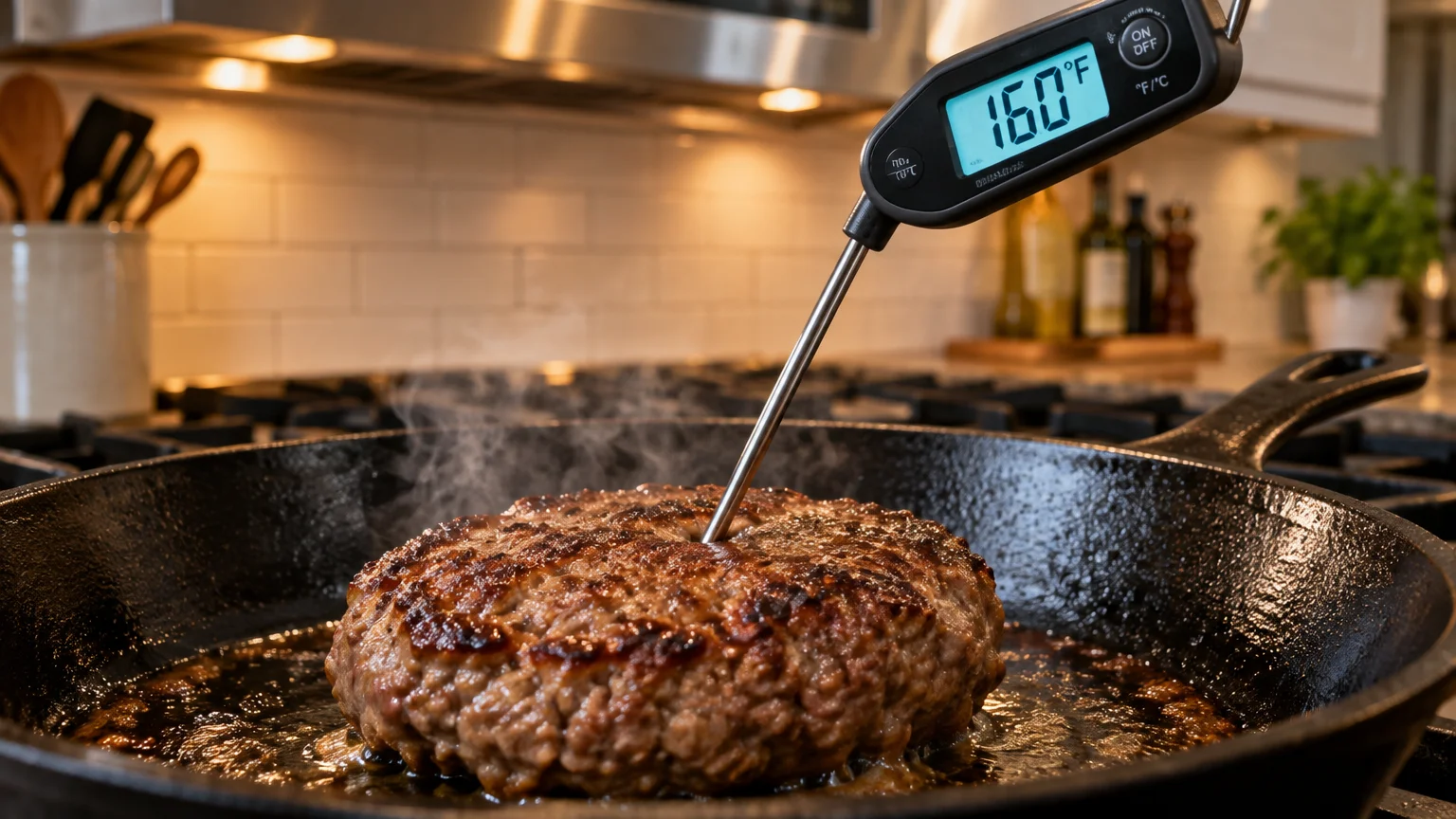
Always use a reliable digital food thermometer to verify internal temperatures before eating any meat. Visual inspection of meat color or juices never guarantees the destruction of harmful internal pathogens.
The FDA food safety guidelines stress that internal temperature monitoring remains the only reliable safeguard against foodborne pathogens. Thermometer probes must reach the thickest portion of meat without contacting bone.
You must cook all raw ground beef, pork, and lamb to a minimum internal temperature of 160°F. Reaching this exact thermal threshold instantly neutralizes heat-sensitive bacterial strains throughout the ground mixture.
Whole cuts of beef require an internal cooking temperature of 145°F followed by a 3-minute rest period. This resting period allows residual heat to eliminate any remaining surface bacteria completely.
Designate separate cutting boards and prep areas exclusively for raw animal proteins. Thoroughly sanitize your hands, knives, and countertops with hot soapy water immediately after handling raw meats.
Store raw meat securely on the lowest shelves of your refrigerator inside leak-proof containers. This simple structural habit prevents raw juices from dripping onto fresh produce or ready-to-eat items below.
Defrost frozen meat inside your refrigerator rather than leaving packages on the kitchen counter at room temperature. Cold thawing keeps surface bacteria dormant while the meat thaws safely throughout its core.

Navigating Food Access and Social Determinants of Safety
Achieving optimal food safety requires resources that are not equally accessible to every household. Budget constraints and food insecurity often complicate access to fresh groceries and reliable kitchen appliances.
Families living in food deserts may rely on discount grocery outlets with limited cold-chain storage infrastructure. These systemic distribution hurdles increase the risk of purchasing improperly chilled meats.
Shared housing or rental units sometimes lack reliable refrigerators capable of maintaining consistently safe holding temperatures. When appliances fail to keep foods sufficiently cold, bacterial replication accelerates quietly.
Community health advocates emphasize that safe food preparation techniques must remain accessible and practical for everyone. Inexpensive digital meat thermometers provide an affordable, lifesaving tool that fits most household budgets.
Local food pantries and public assistance programs increasingly distribute food safety education alongside emergency nutrition provisions. Empowering all communities with foundational handling knowledge reduces preventable foodborne disease across diverse neighborhoods.
Acknowledging these social determinants allows us to approach wellness with compassion and realistic, adaptable solutions. Everyone deserves access to safe, nutritious foods and the foundational tools required to prepare them safely.
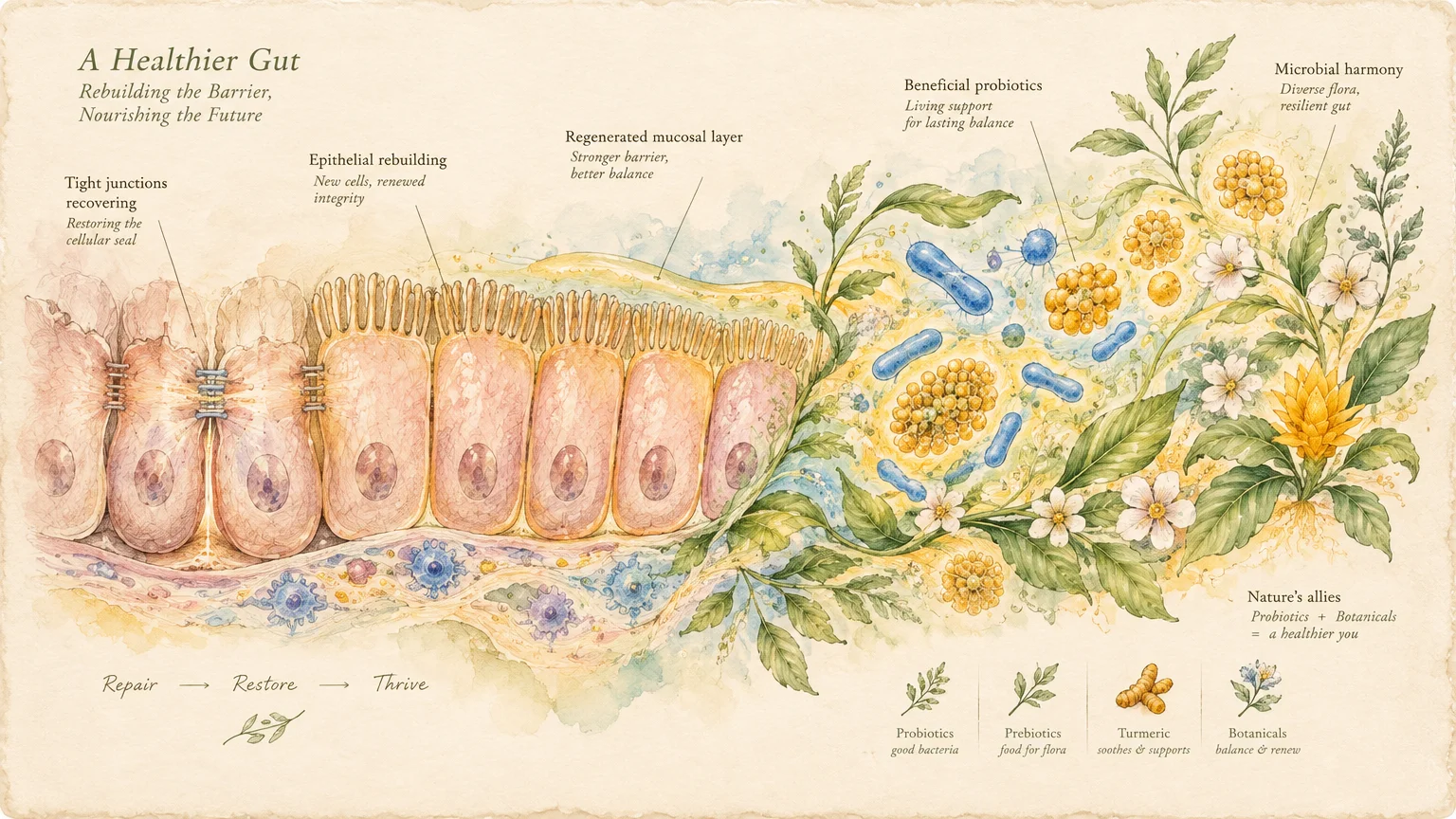
Restoring Your Gut Barrier During Post-Infection Recovery
Clearing the acute bacterial infection marks the beginning of your deeper intestinal rehabilitation. The extensive mucosal shedding caused by Shiga toxins leaves your gut barrier temporarily vulnerable and inflamed.
Many individuals experience temporary post-infectious irritable bowel symptoms for weeks following their initial illness. Understanding that your intestinal lining needs time to rebuild helps alleviate anxiety surrounding lingering digestive changes.
Reintroducing soluble fibers gradually supports your native commensal bacteria as they re-establish healthy colonies. Cooked oatmeal, peeled root vegetables, and steamed squash offer gentle nourishment without irritating healing tissues.
Avoid rushing into potent probiotic supplements immediately after acute bloody diarrhea subsides. Your inflamed mucosal lining often benefits more from gentle, whole-food nourishment than massive doses of supplemental microbes.
Incorporate nourishing bone broths rich in gelatin and amino acids to support cellular tissue regeneration. These traditional foods supply bioavailable building blocks that assist your body in repairing damaged intestinal architecture.
Prioritize high-quality sleep and stress reduction practices to calm the gut-brain axis during convalescence. Elevated stress hormones can impair mucosal blood flow and slow down your epithelial healing mechanisms.
Working with a registered dietitian nutritionist provides personalized guidance for rebuilding your digestive resilience sustainably. Professional nutritional support ensures your dietary transitions support lifelong gastrointestinal wellness.

Expert Perspectives and Clinical Observations
Infectious disease clinicians repeatedly emphasize that early symptom recognition saves lives during foodborne outbreaks. When patients understand their risk factors, they make safer, more timely decisions regarding emergency care.
Gastroenterologists note that post-infectious bowel sensitivity can linger for weeks following severe bacterial enteritis. Cultivating patience and supporting your microbiome allows damaged mucosal barriers to regenerate fully.
Medical experts highlight the danger of dismissing food poisoning as a trivial, self-limiting inconvenience. Respecting the virulence of Shiga toxins ensures patients receive appropriate surveillance during high-risk post-infection windows.
Nutrition specialists emphasize the value of listening closely to subtle bodily signals during physical recovery. Rushing back into rigid diets or strenuous workouts can stall your gastrointestinal rejuvenation.
Individuals who weathered severe food poisoning often reflect on how the experience transformed their kitchen habits. Learning proper thermal safety rules builds lasting confidence in preparing wholesome family meals.
Health professionals urge everyone to view kitchen hygiene not as paranoia, but as essential preventative healthcare. Consistent culinary safety protects your loved ones from severe, preventable systemic illnesses.
How to Report Contaminated Meat and Protect Others
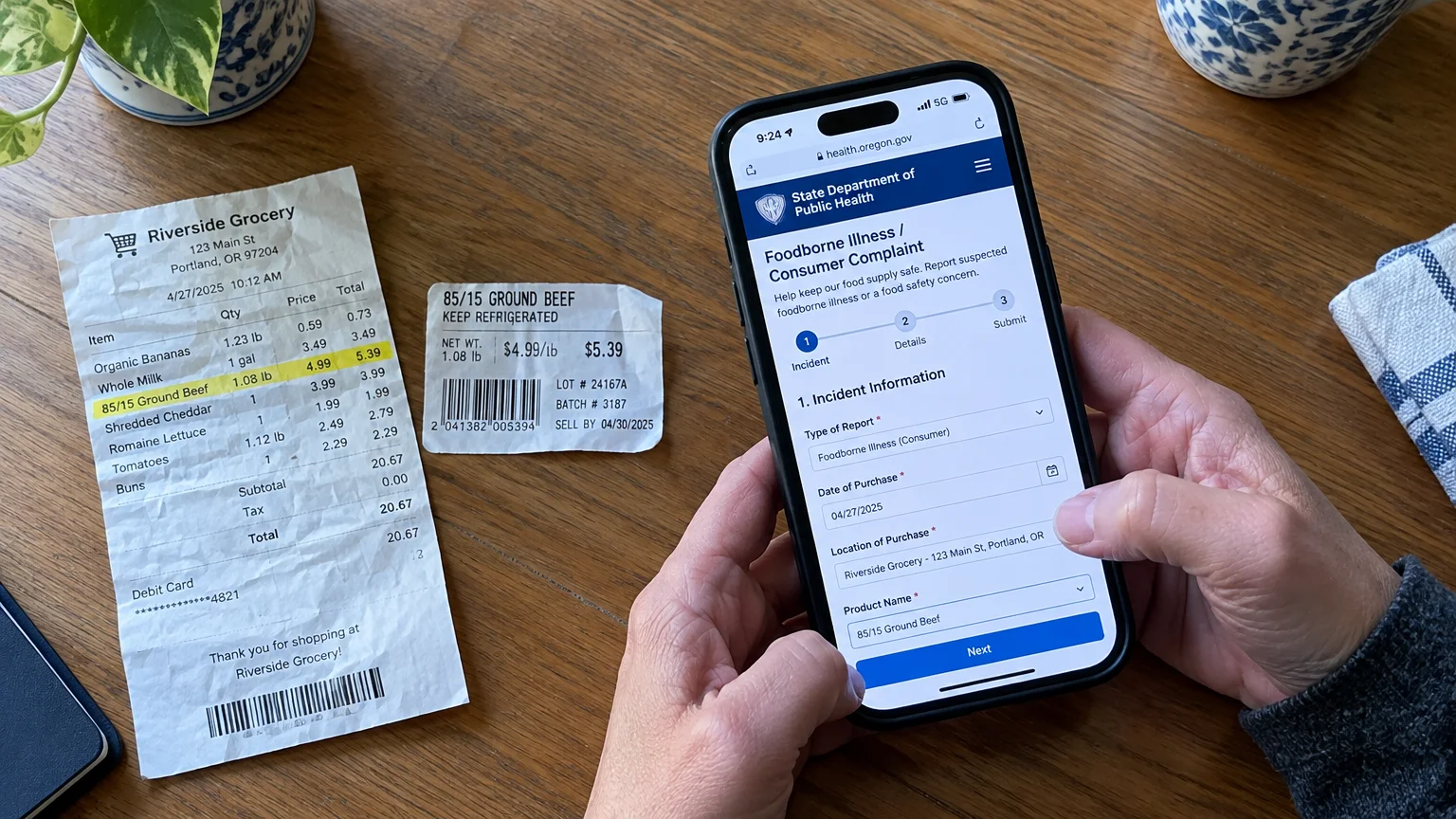
Consumer vigilance plays an indispensable role in halting multistate foodborne outbreaks before they spread. Reporting your suspected meat purchase alerts federal investigators to potential industrial distribution failures.
You can speak directly with food safety specialists through the toll-free USDA Meat and Poultry Hotline at 888-674-6854. Trained professionals guide you through safe handling procedures and document potential retail issues.
Consumers can also submit 24/7 incident reports using the online USDA Electronic Consumer Complaint Monitoring System. Logging your case helps regulatory authorities identify clustering infections across regional grocery chains.
Retain original retail packaging, grocery receipts, and product lot codes if you suspect meat contamination. These tangible details allow public health officials to trace tainted products back to specific packing facilities.
Notify your local county health department about your confirmed or suspected foodborne illness diagnosis. Local sanitarians investigate retail grocery counters and commercial kitchens to prevent broader community exposure.
Taking these administrative reporting steps transforms your difficult personal ordeal into meaningful community protection. Your proactive voice helps safeguard vulnerable neighbors who might otherwise face life-threatening infections.
Frequently Asked Questions
How quickly do symptoms appear after eating contaminated beef?
Symptoms generally appear between 2 to 8 days following the ingestion of contaminated meat. Most patients experience sharp abdominal cramps and initial watery diarrhea around 3 to 4 days post-exposure.
Because this incubation window is quite wide, you should evaluate everything you consumed during the prior week. Consult a physician for diagnostic stool testing if you suspect recent bacterial exposure.
Can I safely treat this bacterial infection at home?
Mild cases frequently resolve with diligent hydration, restful sleep, and gentle, low-residue foods. However, you should always consult a healthcare provider to ensure your self-care approach matches your clinical status.
Individuals in vulnerable categories, such as young children or older adults, require professional clinical supervision. Never hesitate to contact a doctor if dehydration or worsening abdominal pain develops.
Why are anti-diarrheal medications considered dangerous?
Anti-diarrheal medications paralyze normal bowel contractions, trapping pathogenic microbes within your lower digestive tract. This prolonged contact allows Shiga toxins to penetrate deeper into your intestinal blood vessels.
Medical research links the use of antimotility agents to higher rates of kidney complications like HUS. Let your body naturally eliminate the bacterial burden while replenishing lost fluids under medical guidance.
What are the clearest signs that I need emergency care?
Emergency warning signs include visibly bloody stool, inability to keep fluids down, and pronounced weakness. If you notice reduced urine output, skin pallor, or unexplained bruising, seek immediate hospital care.
These indicators signal potential renal compromise requiring urgent clinical evaluation and intravenous therapy. Prompt medical attention significantly improves outcomes for severe foodborne bacterial infections.
Your Path Forward: Gentle Healing and Mindful Next Steps
Navigating an acute gastrointestinal illness demands gentle patience and attentive body awareness. Healing is an active process that unfolds day by day as your cells restore balance.
Begin with a simple, manageable step: prepare an oral electrolyte solution and sip it slowly while resting. Prioritize quiet physical rejuvenation over busy daily tasks to grant your immune system the energy it needs.
Inspect your kitchen refrigerator today and discard any leftover meats of uncertain origin or preparation temperature. Investing in a digital food thermometer establishes a practical foundation for future culinary confidence and safety.
Take a quiet moment to reflect on your physical boundaries and personal health practices today. How can you create a safer, more supportive environment for your long-term digestive vitality?
Honoring your body through thoughtful hydration and science-backed food preparation creates resilient wellbeing. Trust your healing capacity while staying in close communication with qualified healthcare professionals.









Leave a Reply