

When a loved one suddenly struggles to speak, forgets where they are, or displays rapid disorientation, you must treat the situation as an immediate medical emergency. Acute confusion, medically referred to as delirium, indicates that brain functioning has abruptly derailed due to an underlying severe systemic or neurological event. Waiting to see if symptoms pass can cause catastrophic organ damage, irreversible cognitive decline, or loss of life. Whether caused by a silent stroke, systemic infection, or severe metabolic disruption, recognizing the critical warning signs empowers you to act fast and secure emergency medical interventions that save lives and preserve long-term cognitive health.
Understanding Acute Confusion: A Critical Neurological Signal
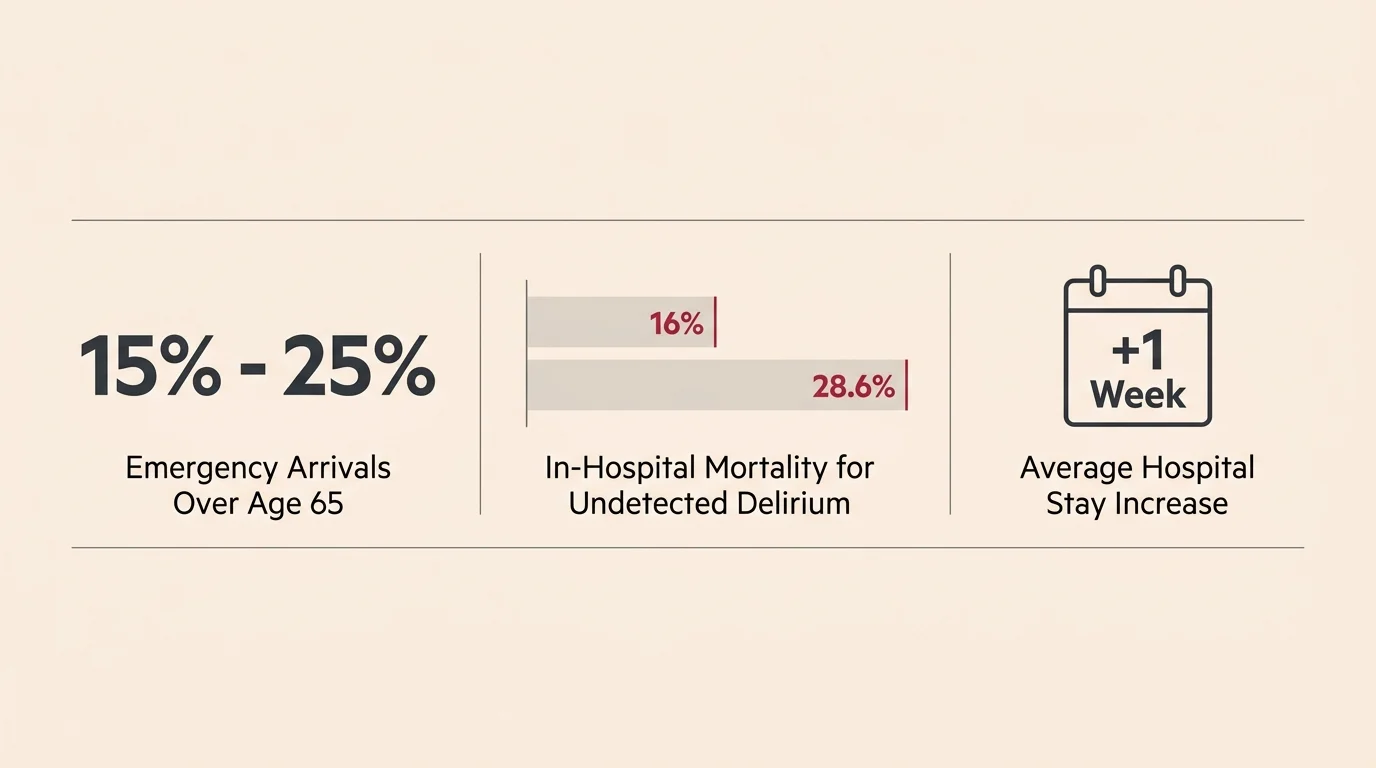
Sudden cognitive disruption is never a normal part of aging or everyday fatigue; it serves as a high-priority distress signal from the central nervous system. When acute confusion strikes, the brain suffers from a rapid decline in attention, environmental awareness, and logical reasoning. Clinical literature archived by the National Institutes of Health reveals that acute confusion carries an overall 15 percent prevalence rate among all emergency department arrivals. This figure escalates dramatically to between 15 and 25 percent for patients over age 65, emphasizing how vulnerable older adults are to abrupt cognitive shifts.
Understanding the severe risks associated with acute delirium helps you recognize why rapid triage is so essential. Research highlights that elderly patients who enter emergency departments with undetected acute confusion face an in-hospital mortality rate between 16 and 28.6 percent. Beyond the immediate threat to life, failing to diagnose acute confusion early significantly complicates recovery. A study published in the Canadian Geriatrics Journal found that acute delirium presenting in or developed during an emergency visit increases a patient’s overall hospital stay by approximately one week, exposing individuals to secondary infections and severe physical deconditioning.
Systemic medical emergencies throughout the body often trigger acute brain dysfunction. According to data from the Centers for Disease Control and Prevention, someone in the United States suffers a stroke every 40 seconds, and a stroke-related death occurs every 3 minutes and 14 seconds. Sudden confusion combined with trouble speaking or understanding speech remains a primary stroke warning sign. Furthermore, research from the American Heart Association indicates that up to 60 percent of stroke survivors experience acute cognitive impairment or confusion within the first year following an event, with the vast majority appearing in the critical first two weeks. Treating sudden confusion as a medical emergency ensures that life-saving therapeutic windows remain accessible.
The 7 Red-Flag Signs That Require Immediate Emergency Care
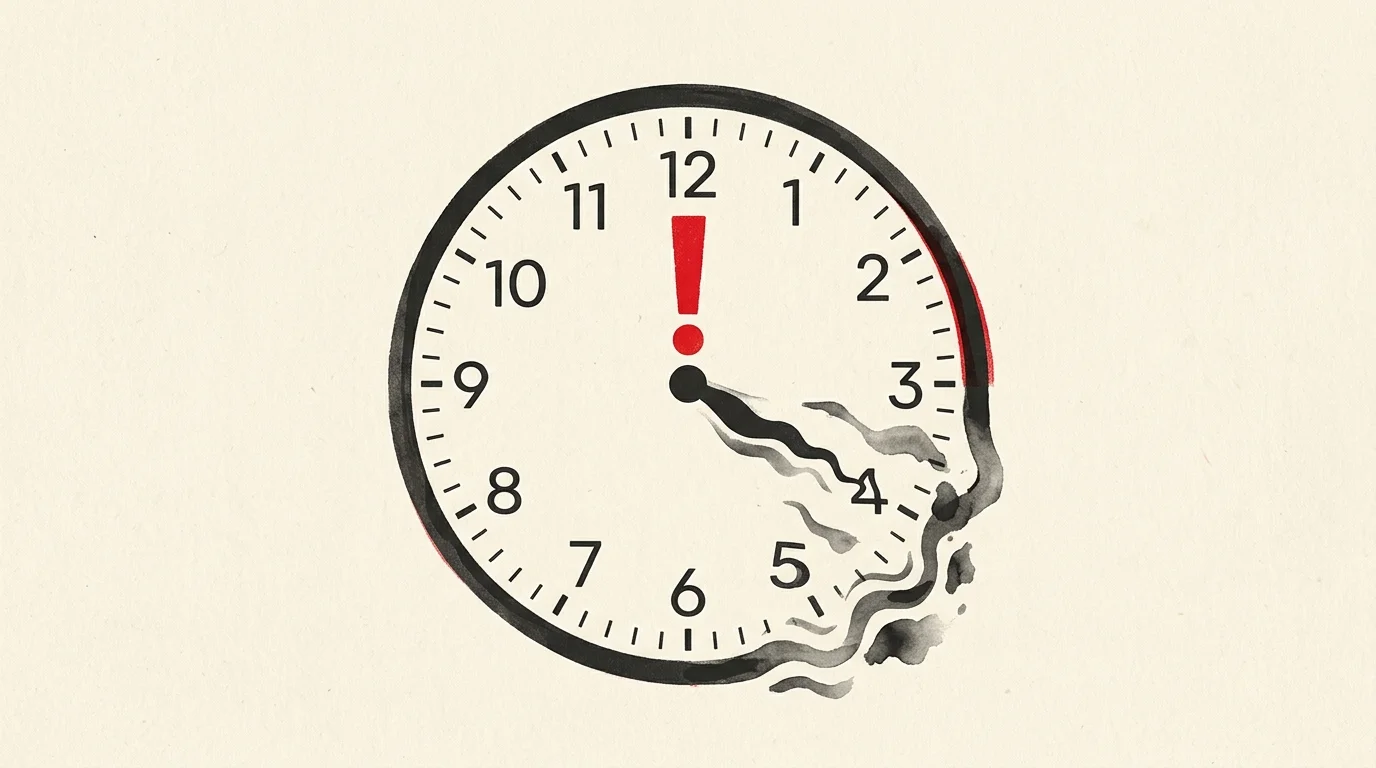
While acute confusion itself demands urgent evaluation, pairing disorientation with specific physical or neurological symptoms signals a life-threatening crisis. Recognizing these seven manifestation patterns allows you to make decisive, life-saving choices when every minute counts.
1. Sudden Speech Difficulty or One-Sided Facial Droop
If you observe someone becoming confused while simultaneously slurring their words, struggling to repeat simple phrases, or showing asymmetrical facial drooping, you are likely witnessing an acute stroke. Ischemic strokes block blood flow to vital language centers in the brain, inducing instant disorientation and communication failure. Emergency medical services must evaluate these individuals immediately, as clot-busting medications work best when clinicians administer them within hours of initial symptom onset.
2. High Fever Accompanied by Stiff Neck or Extreme Lethargy
When acute confusion develops alongside a spiking body temperature, severe headache, and neck stiffness, dangerous central nervous system infections like meningitis or encephalitis may be actively escalating. Alternatively, severe systemic infections can trigger sepsis—a catastrophic immune reaction that compromises blood flow to major organs. Sepsis quickly reduces cerebral perfusion, causing rapid cognitive collapse; obtaining broad-spectrum intravenous antibiotics at a hospital represents the only path to stopping multi-organ failure.
3. Severe Tremors, Sweating, or Erratic Metabolic Distress
Rapid cognitive shifts coupled with profuse sweating, shaky hands, rapid heartbeats, or uncharacteristic aggression frequently stem from extreme metabolic imbalances. Severe hypoglycemia, particularly in individuals managing diabetes, deprives brain cells of their primary glucose fuel source, precipitating sudden combativeness or disorientation. Similarly, acute kidney or liver failure allows toxic metabolic byproducts like ammonia to accumulate in the bloodstream, triggering severe encephalopathy that demands urgent medical stabilization.
4. Recent Head Injury or Unwitnessed Physical Trauma
Never dismiss acute confusion that arises after a physical fall, motor vehicle collision, or minor bump to the head, especially in older adults taking anticoagulant medications. Intracranial bleeding, such as a subdural or epidural hematoma, often exerts progressive pressure on delicate brain structures. What begins as mild spatial disorientation can rapidly progress to brain herniation and coma if emergency neurosurgical evaluation and diagnostic head scans are delayed.
5. Shortness of Breath, Blue Lips, or Chest Discomfort
When the brain does not receive sufficient oxygen, cognitive functioning falters immediately. If a person displays sudden confusion alongside rapid breathing, gasping for air, or a bluish discoloration around the lips and fingernails, they are suffering from severe hypoxia. Pulmonary embolisms, acute heart failure, or severe pneumonia drastically restrict oxygen delivery to cerebral tissue; immediate oxygen therapy and cardiovascular support in an emergency setting are imperative.
6. Inability to Stay Awake or Sudden Unresponsiveness
A dramatic decline in arousal—where an individual drifts off in the middle of a sentence, struggles to keep their eyes open, or fails to respond to verbal prompts—signals profound neurological or systemic depression. This level of lethargy often accompanies drug toxicities, severe electrolyte imbalances, or advanced brain tissue swelling. Emergency medical teams must immediately secure the patient’s airway and conduct urgent laboratory panels to identify and reverse the underlying cause.
7. Rapidly Onset Hallucinations or Unexplained Delusions
Unlike progressive psychiatric conditions that develop gradually over months, acute organic brain syndromes can cause vivid visual or auditory hallucinations within a few hours. If a person suddenly sees non-existent objects, expresses irrational paranoid fears, or demonstrates severe psychomotor agitation, their brain is reacting to acute physiological stress. Toxic exposures, severe medication interactions, or abrupt alcohol or sedative withdrawal frequently manifest this way and require immediate medical detoxification and safety monitoring.
Strategic Actions: How to Respond When Confusion Strikes
Responding effectively to acute confusion requires a structured, calm, and methodical approach. Your immediate actions during the first few minutes can preserve patient safety and provide attending emergency physicians with invaluable diagnostic information.
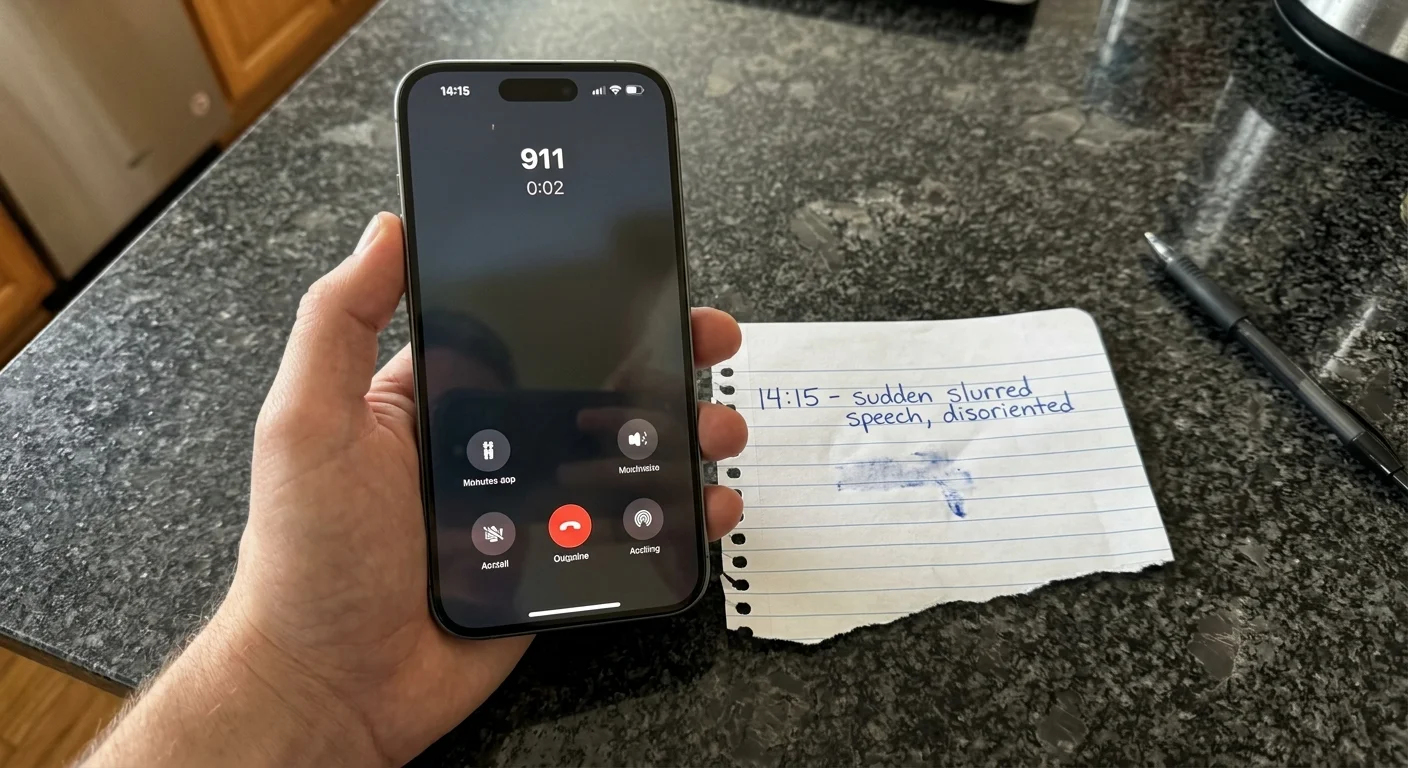
First, call for emergency medical services immediately rather than driving the person to the hospital yourself. Paramedics can initiate vital monitoring, administer high-flow oxygen, and establish intravenous access en route, which saves precious time upon arrival at the hospital. While waiting for emergency responders, keep the individual seated or lying down in a safe, quiet environment to prevent fall injuries and minimize sensory overload.
Second, gather essential medical history elements quickly. Collect all prescription medications, over-the-counter supplements, and recent medical records into a single bag. Note the exact time you first observed the confusion, as acute treatments for conditions like ischemic stroke depend entirely on precise timeframes. Communicate any recent illness, medication changes, or physical injuries clearly to the triage nurse and attending physician.
Finally, practice supportive communication to keep the individual anchored. Speak in a slow, reassuring tone using simple, direct sentences; avoid arguing or attempting to logically challenge their hallucinations or distorted realities. Reassure them that help is on the way and that they are safe, as acute disorientation generates intense panic and fear for the affected person.
Clinical Perspectives: Expert Insights on Delirium Recognition
Healthcare providers consistently emphasize that acute confusion should always be treated as a medical emergency until proven otherwise. Clinical guidelines from the National Institute on Aging highlight that family members and caregivers are often the first to notice subtle baseline shifts that signal severe underlying distress.
Emergency physicians point out that acute delirium is frequently misattributed to normal aging or underlying dementia. True dementia develops slowly over years, whereas delirium occurs suddenly over hours or days. When families recognize that sudden confusion indicates an acute medical crisis, clinicians can identify conditions like silent urinary tract infections, severe sepsis, or silent strokes early enough to prevent permanent cognitive deficits.
Furthermore, experts from global public health institutions like the World Health Organization stress the importance of social determinants in managing cognitive emergencies. Access to rapid emergency transport, health literacy regarding acute symptoms, and clear advocate support significantly influence survival and recovery rates across diverse communities.
Frequently Asked Questions About Acute Confusion
How do clinicians differentiate between dementia and acute delirium?
Dementia is a chronic, progressive neurodegenerative disease that impairs memory and daily function over months and years, whereas acute delirium features a sudden onset that fluctuates throughout the day. Delirium primarily impairs attention and immediate alertness, while early-stage dementia typically affects short-term memory while maintaining clear consciousness. However, because individuals with dementia are exceptionally vulnerable to acute delirium, any sudden worsening in baseline cognitive function demands immediate medical evaluation.
Can a urinary tract infection really cause sudden confusion in older adults?
Yes, urinary tract infections represent one of the most common triggers of acute delirium in older populations. As the body attempts to fight localized bladder or kidney infections, inflammatory chemicals called cytokines cross the blood-brain barrier and disrupt neurotransmitter function. Older adults may not manifest typical physical infection symptoms like fever or painful urination, making sudden confusion the primary or only visible warning sign of a severe infection.
What should I avoid doing when someone becomes suddenly confused?
Do not leave the person unattended, as acute confusion severely impairs hazard awareness and heightens fall risks. Avoid arguing with, scolding, or physically restraining the individual, as these actions elevate panic and can trigger aggressive reactions. Never offer food, water, or oral medications, because impaired swallowing reflexes during neurological crises can lead to fatal choking or aspiration pneumonia.
What diagnostic tests will emergency physicians perform?
Emergency clinicians utilize comprehensive diagnostic panels to pinpoint the underlying cause of acute confusion. Expect rapid blood glucose tests, full blood counts, metabolic panels, and urinalysis to check for infections or organ dysfunction. Depending on physical findings, physicians frequently order non-contrast head CT scans to rule out strokes or intracranial hemorrhages, along with chest X-rays and electrocardiograms to assess oxygenation and cardiac function.
Moving Forward with Health Vigilance
Recognizing that sudden confusion acts as a red-flag warning light for systemic or neurological crises allows you to protect the long-term health of your family and community. You do not need a medical degree to save a life; you simply need to honor the urgency of acute cognitive changes and seek professional emergency care without hesitation.
Take a practical step today by compiling an emergency medical summary for yourself and your loved ones. Document current medications, known chronic conditions, baseline cognitive health, and primary care contact details in an easily accessible location. Reflect on this question: If a loved one displayed sudden disorientation right now, do you have quick access to their complete medical profile to assist emergency personnel?








Leave a Reply