

Your hearing connects you directly to loved ones, protects your brain, and preserves your daily independence. Spotting subtle auditory changes today allows you to safeguard your long-term cognitive health before irreversible communication barriers develop.
Auditory decline rarely happens overnight; instead, it creeps in quietly, draining your mental energy during simple social interactions. You might brush off missed words or assume that companions are simply mumbling.
Recognizing the earliest red flags allows you to take decisive action before your relationships, career, and mental vitality face lasting strain.
The Science of Hearing: Cognitive Health and Systemic Well-Being
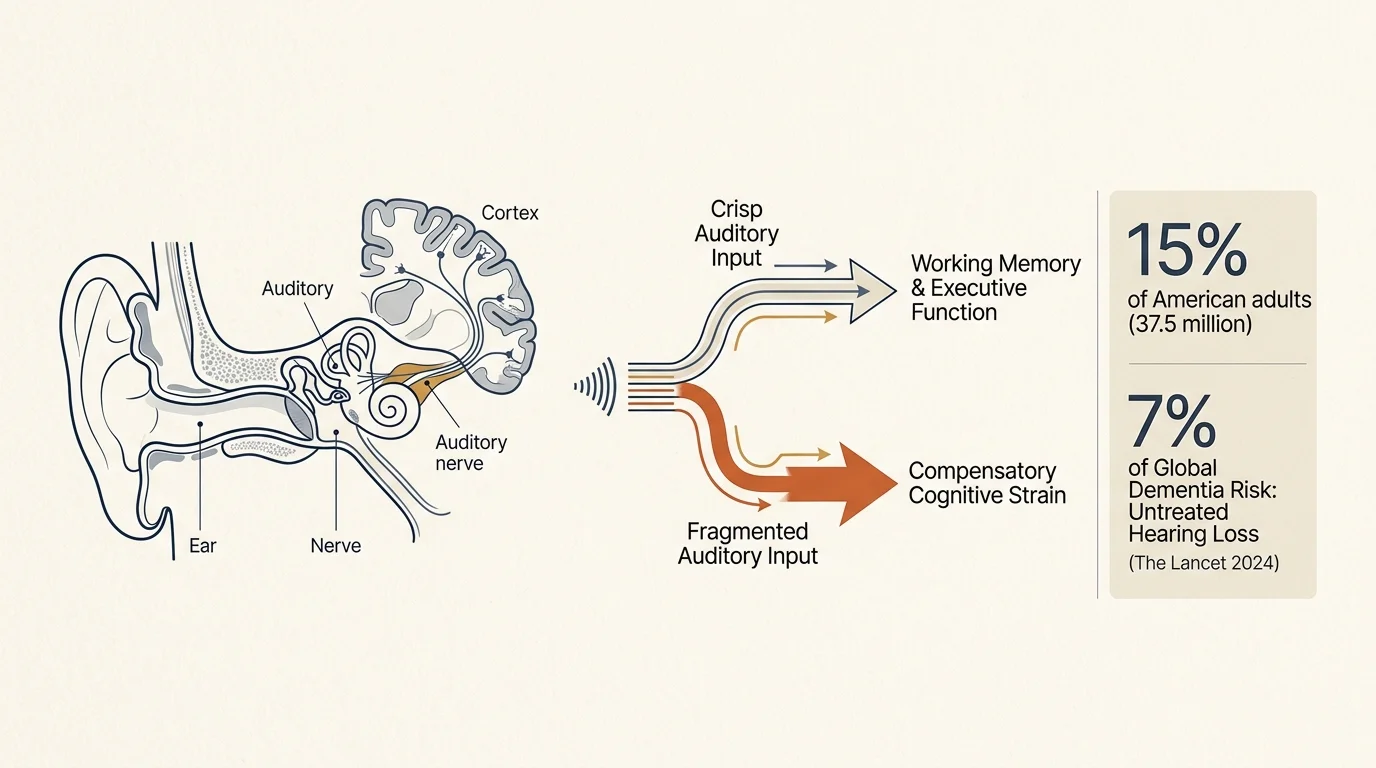
Hearing health plays a vital role in your systemic vitality. Data from the National Institute on Deafness and Other Communication Disorders indicates that 15% of American adults—roughly 37.5 million individuals—report trouble hearing.
Age remains the strongest predictor of auditory decline. Approximately one in three adults aged 65 to 74 experiences hearing loss, a rate that rises to nearly 50% among adults aged 75 and older.
Auditory vulnerability affects younger generations as well. The World Health Organization estimates that over one billion young adults aged 12 to 35 risk permanent hearing damage from unsafe listening on personal devices.
When hearing degrades, your brain expends immense cognitive effort decoding fragmented sounds. This compensatory strain diverts metabolic resources away from working memory and executive function.
In its 2024 report, The Lancet Commission named untreated hearing impairment a major modifiable risk factor for dementia, accounting for roughly 7% of global dementia cases. Preserving auditory acuity directly supports your long-term cognitive resilience.
9 Signs You Should Get Your Hearing Checked
1. You Frequently Ask Others to Repeat Themselves
Routinely asking companions to restate their sentences is often the earliest functional clue. You might assume that other people speak too quietly or fail to project properly.
While occasional miscommunications happen, repeated requests for clarification signal that your auditory processing system struggles to capture distinct syllables. Over time, this friction strains your everyday conversations.
2. Background Noise Overwhelms Your Conversations
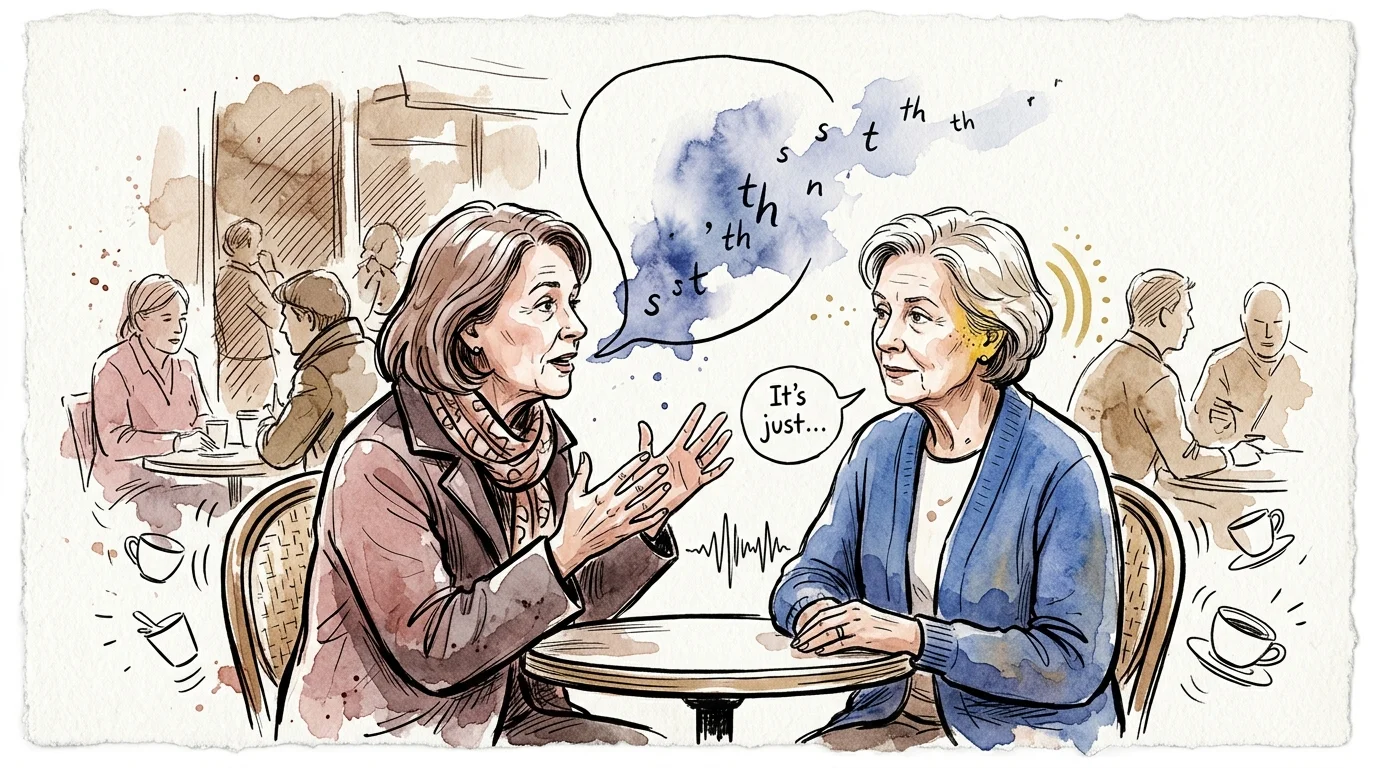
Dining in lively restaurants should not feel like an impossible acoustic ordeal. When delicate cochlear hair cells degrade, separating a companion’s voice from ambient background clatter becomes exceptionally difficult.
This sensory masking occurs because your inner ear loses its frequency selectivity. If background chatter consistently drowns out your dining partners, your hearing warrants a professional evaluation.
3. People Sound Like They Are Mumbling
A frequent complaint among adults with early hearing loss is that everyone around them has started mumbling. In reality, you may still perceive overall volume while losing the crisp definition of specific words.
High-frequency sensorineural loss reduces the clarity of key consonant sounds, leaving you with only lower-frequency vowels. You hear that speech is occurring, but the message remains frustratingly indistinct.
4. You Experience Persistent Ringing or Buzzing
Experiencing phantom noises such as ringing, buzzing, or hissing is known clinically as tinnitus. Data from the American Tinnitus Association indicates that over 50 million Americans experience this auditory sensation.
Notably, an estimated 90% of individuals with chronic tinnitus have underlying hearing loss. The phantom noise reflects your central nervous system attempting to compensate for missing signals from damaged cochlear cells.
5. Your Television Volume Creeps Steadily Higher
Notice where your media volume levels rest compared to the comfort of your companions. If family members frequently complain that your television or car radio is uncomfortably loud, pay attention.
Relying on subtitles to comprehend dialogue on television provides another clear signal. Gradually elevating the volume compensates for lost high frequencies, temporarily masking an underlying sensory deficit.
6. Following Group Discussions Leaves You Exhausted
Navigating multi-person dinner conversations or workplace meetings should not leave you physically drained. This listening fatigue occurs when your brain works in overdrive to decipher fragmented sound signals.
When auditory pathways lose clarity, your prefrontal cortex expends intense effort on acoustic guesswork rather than higher-order thinking. This continuous mental exertion leads to headaches, irritability, and late-afternoon burnout.
7. You Mishear Consonants and High-Pitched Sounds
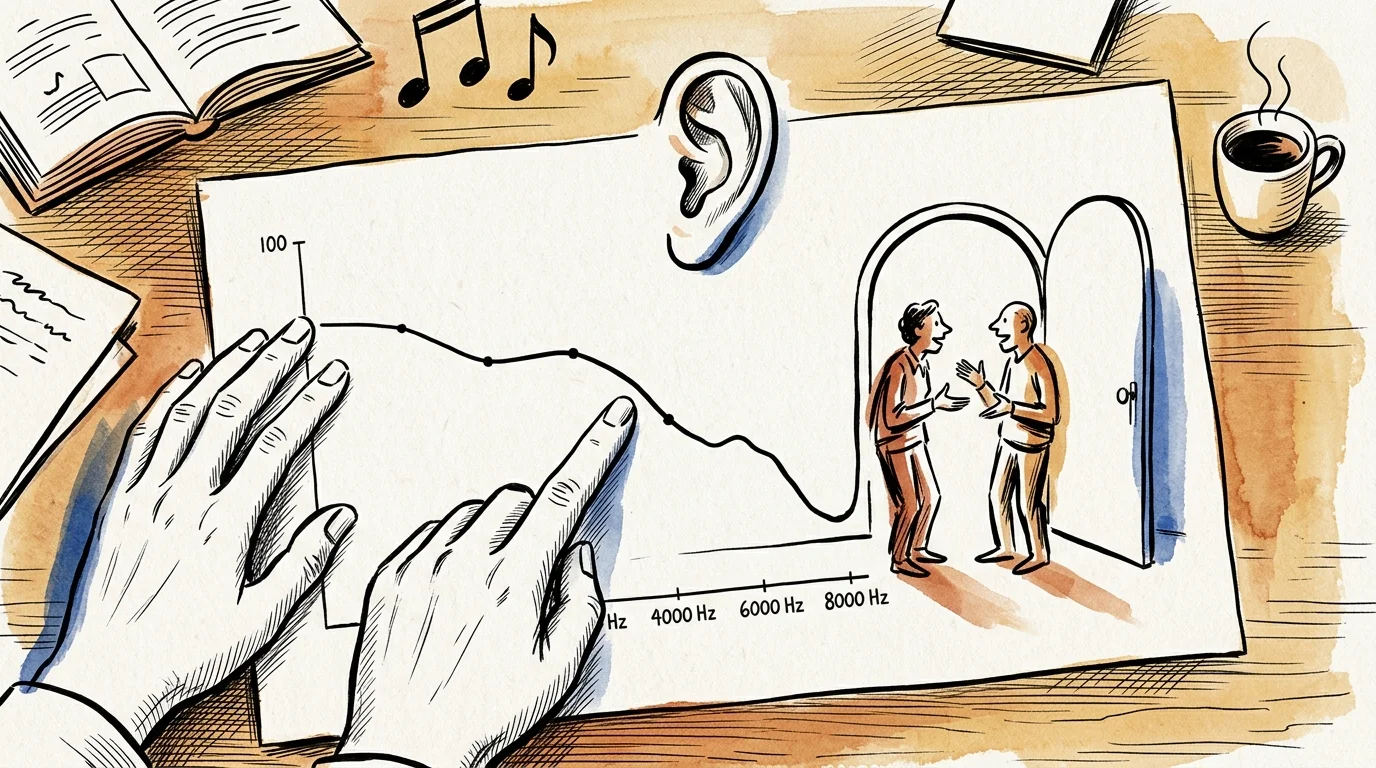
Age-related auditory changes typically erode high-frequency hearing first. Consequently, you will likely struggle to distinguish soft consonant sounds, making words like “cat” and “hat” sound virtually identical.
Similarly, higher-pitched voices—such as those of women and young children—become harder to decipher. Missing microwave chimes, bird calls, or telephone rings also signals high-frequency acoustic loss.
8. You Find Yourself Withdrawing from Social Gatherings
Behavioral shifts often signal auditory trouble before physical symptoms appear. If you find yourself declining dinner parties or staying silent during group conversations, assess your underlying motivations.
Many people withdraw socially to avoid the embarrassment of misinterpreting remarks or responding inappropriately. Over time, this retreat fosters emotional isolation and accelerates cognitive decline.
9. Loved Ones Point Out Your Listening Habits
Close friends, spouses, and colleagues often detect hearing difficulties years before you recognize them yourself. They notice when you miss doorbells, lean forward awkwardly, or fail to respond when called.
Dismissing their feedback as nagging only delays effective medical care and creates interpersonal frustration. Trust the perspective of the people who interact with you every day.
When to See an Audiologist: Clinical Screening Guidelines
Despite severe cognitive and social costs, adults wait an average of 7 to 10 years before seeking help for hearing changes. This delay causes auditory processing centers in your brain to languish.
Furthermore, fewer than 20% of American adults who could benefit from hearing aids currently use them. Timely intervention prevents auditory deprivation and preserves vital neural pathways.
The American Speech-Language-Hearing Association recommends that adults receive a screening at least once every 10 years through age 50. After age 50, schedule a screening every three years, or sooner if symptoms emerge.
Access expanded significantly when a landmark rule by the U.S. Food and Drug Administration took effect in October 2022. Adults with perceived mild-to-moderate hearing loss can now purchase over-the-counter hearing aids directly without a prescription.
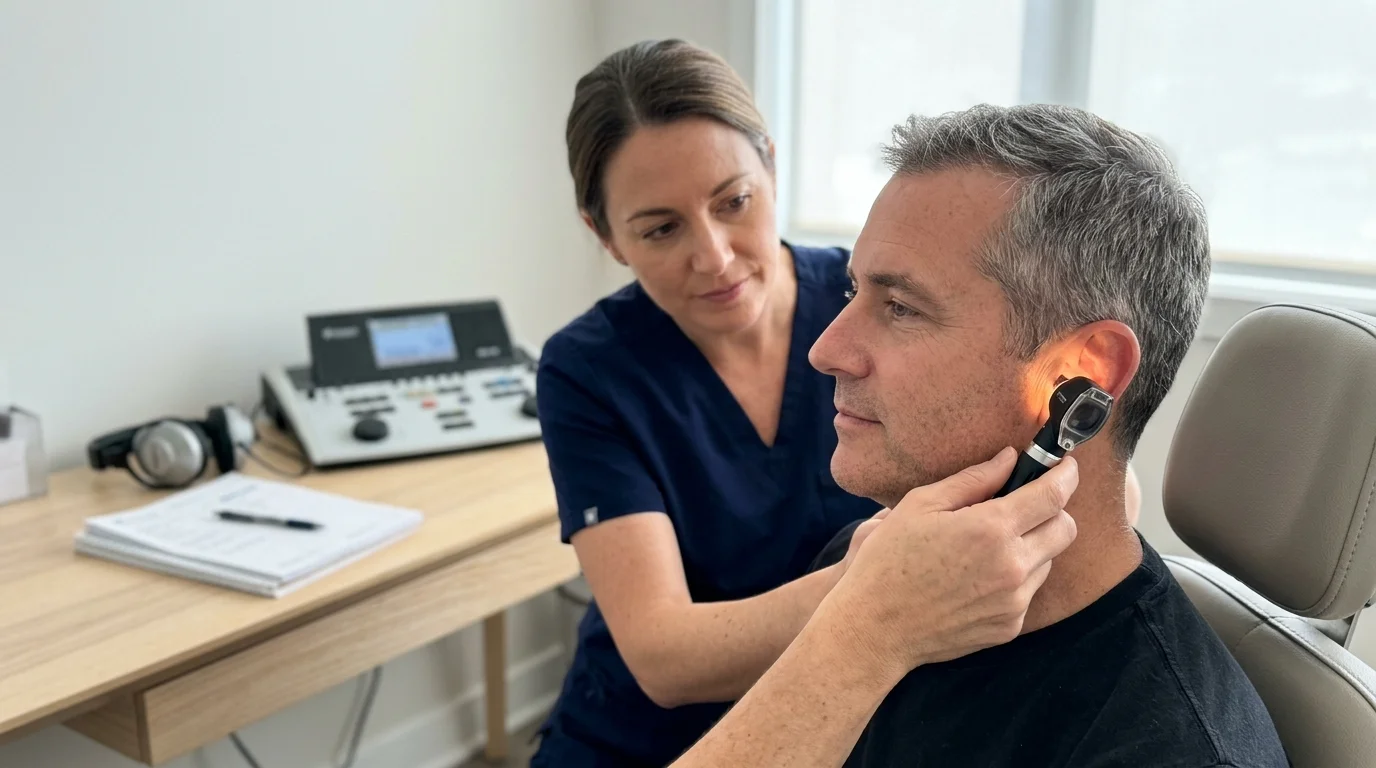
Even with over-the-counter accessibility, consulting an audiologist provides essential diagnostic clarity. A clinical exam rules out reversible causes, such as impacted cerumen or ear infections, as well as complex medical conditions.

Holistic Strategy Pillars to Protect Your Auditory Health
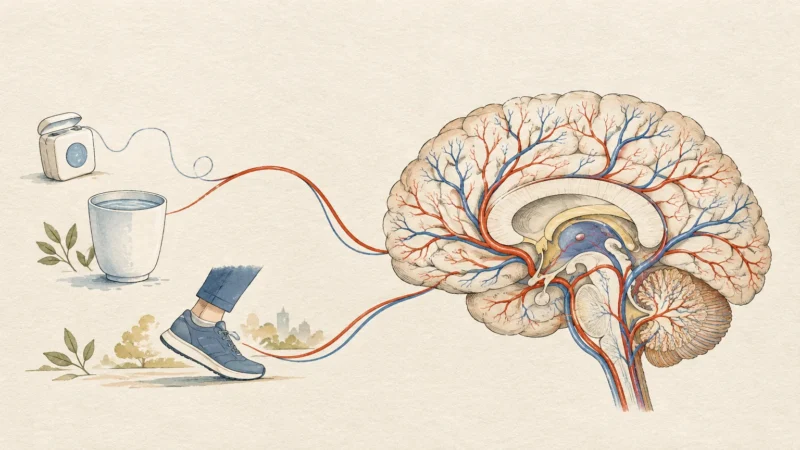
Preserving your hearing involves more than avoiding loud noise; it requires supporting your vascular, cellular, and neurological health with proactive lifestyle habits.
Cardiovascular Movement and Microvascular Blood Flow
Your inner ear depends on a delicate capillary network to deliver oxygen and nutrients to sensory hair cells. Aerobic physical activity supports healthy microvascular perfusion throughout your peripheral auditory system.
Aim for at least 150 minutes of moderate aerobic exercise each week, such as brisk walking or swimming. Maintaining cardiovascular fitness directly protects the stria vascularis, which fuels cochlear function.
Targeted Auditory Nutrition
Oxidative stress and chronic inflammation accelerate sensory cell degeneration. Nourishing your body with anti-inflammatory foods equips your auditory tissues with vital protective biochemicals.
Prioritize foods rich in magnesium, potassium, folate, and zinc, including dark leafy greens, legumes, pumpkin seeds, and fish. These micronutrients help neutralize cellular damage triggered by noise and metabolic stress.
Always consult your physician or a registered dietitian before introducing high-dose supplements. Whole food sources within an anti-inflammatory dietary pattern offer the most dependable protection.
Cognitive Rest and Auditory Recovery
Your central auditory system requires periods of sensory quiet to recover from daily cognitive demands. Constant exposure to podcasts, media, and urban traffic overburdens neural networks.
Dedicate 20 to 30 minutes each day to intentional silence, whether through quiet meditation, stretching, or reading. This practice relieves listening fatigue and allows your brain to recharge.
Medical Protection and Noise Safeguards
Excessive noise exposure remains the leading preventable cause of permanent sensorineural hearing damage. Keep custom or high-fidelity earplugs accessible for concerts, power tool operation, or loud transit environments.
Follow the 60/60 rule with personal headphones: listen at no more than 60% volume for no longer than 60 minutes daily. This simple habit prevents cumulative trauma to cochlear hair cells.
Finally, review your medication list with your doctor or pharmacist. Certain common pharmaceuticals, including specific antibiotics and frequent high doses of aspirin, carry ototoxic risks that impair hearing acuity.
Clinical Perspectives: What Audiologists Observe
Clinicians frequently note that patients normalize auditory deficits for years before seeking help. Overcoming this hesitation often brings immediate relief to cognitive fatigue and interpersonal relationships.
Dr. Rachel Mendez, a clinical audiologist, explains that patients often mistake auditory exhaustion for memory loss. When acoustic clarity is restored, their working memory and conversational confidence rebound remarkably.
Mendez notes that modern hearing aids function as sleek, intelligent processors rather than conspicuous devices. They automatically separate background speech from noise, allowing wearers to engage seamlessly in complex social settings.
Patients frequently express surprise at how much easier daily life feels after treatment. Treating hearing loss removes an invisible layer of chronic mental friction.
Frequently Asked Questions About Hearing Health
Can mild hearing loss resolve on its own?
Temporary hearing loss from earwax buildup, sinus congestion, or ear infections often resolves once the underlying condition receives treatment. However, sensorineural hearing loss involving inner ear hair cell damage is permanent.
Seek immediate emergency medical care if you experience sudden hearing loss in one ear. Prompt corticosteroid therapy within days offers the best chance of recovery.
What happens during a professional hearing exam?
A diagnostic hearing evaluation with an audiologist is gentle, painless, and thorough. The specialist inspects your ear canal, tests middle ear mobility, and measures your response to varied tones inside a soundproof booth.
The resulting audiogram displays the softest sounds you can detect across various frequencies. Your audiologist then explains your profile and tailors recommendations to your daily communication needs.
How do over-the-counter hearing aids differ from prescription models?
Over-the-counter hearing aids suit adults with perceived mild-to-moderate hearing loss who prefer self-fitting devices without clinical visits. They provide an accessible, lower-cost option for straightforward amplification.
Prescription devices treat any level of hearing impairment and feature custom acoustic programming by an audiologist. They include verified real-ear measurements, personalized ear molds, and comprehensive ongoing clinical follow-up.
Can loud noise exposure from my youth cause issues later in life?
Cumulative noise exposure from earlier years damages cochlear hair cells, eroding your reserve against normal aging. As natural decline sets in, this past trauma accelerates noticeable hearing difficulties.
Protecting your ears today preserves your remaining sensory cells regardless of past exposures. Proactive habits prevent further acoustic deterioration at any stage of life.
Taking Your First Manageable Step
Prioritizing your hearing is an essential investment in your cognitive longevity, emotional vitality, and daily joy. Acknowledging subtle changes today protects your relationships and mental sharpness for years to come.
Take one simple step this week: schedule a baseline hearing evaluation with an audiologist, or request a quick screening at your next medical visit. Having objective data removes uncertainty.
Consider how much energy you currently spend straining to catch missed words. How would your days feel if every conversation flowed effortlessly and clearly?







Leave a Reply