

Persistent tingling, coldness, or swelling in your extremities often signals an underlying systemic condition rather than temporary muscle strain. Recognizing these early signals allows you to protect your long-term mobility, joint health, and nerve function immediately.
Your hands and feet share intricate networks of microscopic capillaries and sensitive nerve endings. When metabolic shifts or systemic inflammation occur, these vulnerable distal tissues react first.
Addressing hand and foot disorders early prevents permanent tissue changes and preserves daily dexterity. You can take proactive clinical and lifestyle steps today to restore balance throughout your body.

Shared Anatomy: Why Conditions Strike Hands and Feet Together
Your hands and feet represent the anatomical endpoints of your cardiovascular and nervous systems. Because blood and nerve signals must travel farthest to reach them, systemic disruptions appear here first.
Small microvessels in your digits respond swiftly to autonomic stress, temperature shifts, and vascular damage. When circulation falters, distal tissues experience an immediate drop in cellular oxygenation.
Peripheral nerves also possess exceptionally long axons running uninterrupted from your spine to your extremities. This extraordinary length makes them uniquely susceptible to nutrient deficits, physical compression, and oxidative damage.
Clinicians describe this dual vulnerability as distal symmetric impairment. Recognizing this shared physiological design helps you understand the medical conditions affecting hands and feet and protects your broader health.
Peripheral Nerve Disorders and Neuropathic Damage
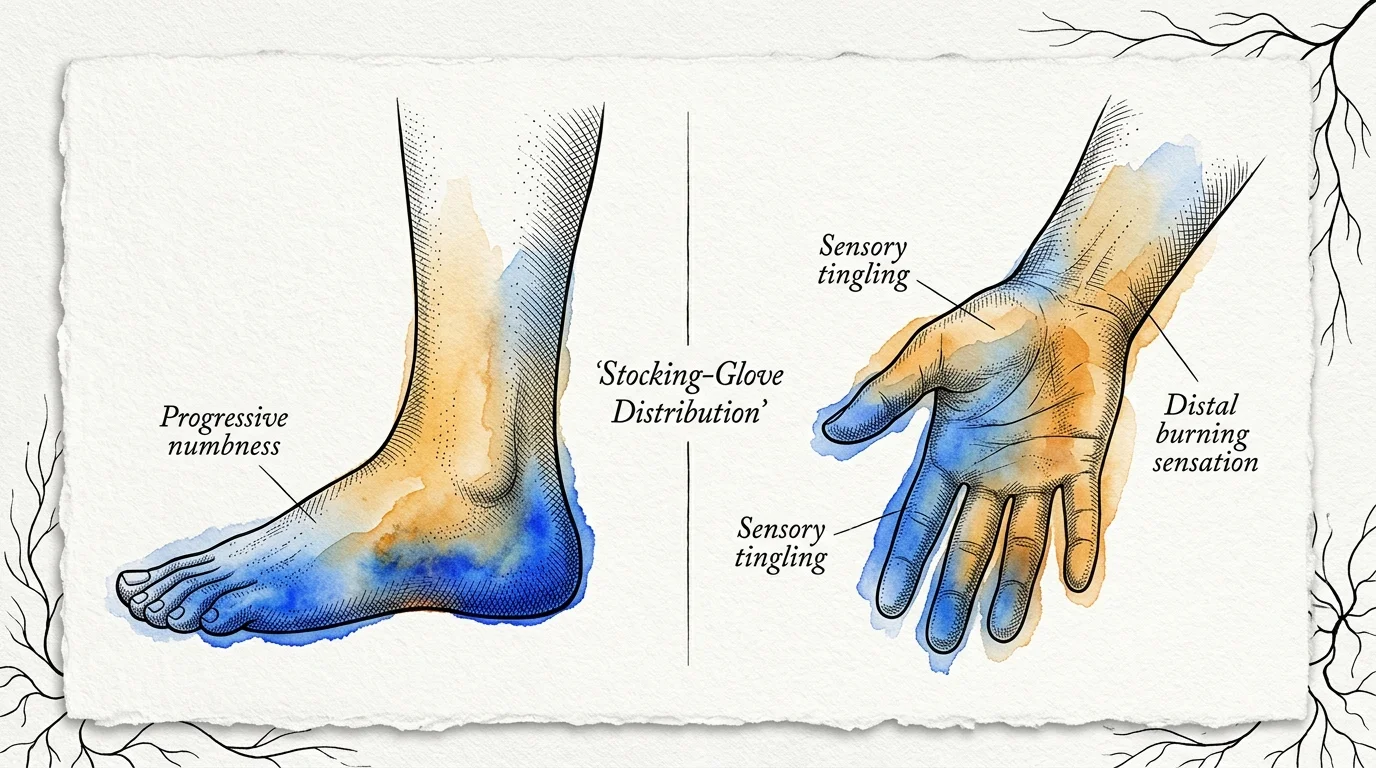
When systemic illness sparks nerve disorders hands feet sensations become distorted and communication breaks down. This breakdown produces uncomfortable sensations ranging from mild pins and needles to stabbing burning or profound numbness.
Research published by the National Institutes of Health indicates that peripheral neuropathy affects roughly 2.4 percent of the general population. That figure climbs to nearly 8 percent in individuals aged 65 and older.
Between 20 million and 30 million people in the United States live with peripheral nerve damage. Over time, progressive neuropathy erodes physical balance and fine motor coordination.
Metabolic disease represents the most frequent trigger for this axonal injury. According to the American Diabetes Association, approximately 50 percent of people with diabetes develop peripheral neuropathy during their lifetime.
Diabetic neuropathy follows an ascending stocking-glove distribution pattern, damaging sensory nerves in your feet first before progressing into your hands. Early blood sugar regulation halts this progression before demyelination causes permanent deficits.

Vascular Conditions and Distal Circulation Problems
Impaired circulation deprives your hands and feet of oxygen and nutrients needed for cellular repair. Distal vascular issues generate recognizable circulation problems symptoms including persistent coldness, delayed tissue healing, and throbbing pain.
Raynaud’s phenomenon presents as dramatic, episodic vasospasms within the small digital arteries. These rapid contractions turn your fingers and toes stark white, then cyanotic blue, and finally flushed red upon rewarming.
Clinical reviews show that primary Raynaud’s affects roughly 4.85 percent of the general population, appearing two to three times more often in women. Fortunately, 80 to 90 percent of cases remain primary and idiopathic.
Secondary Raynaud’s, however, stems from underlying connective tissue disorders such as scleroderma or lupus. These autoimmune conditions damage vascular walls, requiring medical monitoring to prevent ischemic ulcerations.
On a larger vascular scale, peripheral artery disease impairs blood flow through systemic arterial narrowing. The Centers for Disease Control and Prevention monitors this condition, which affects over 200 million people globally.
While peripheral artery disease most frequently restricts blood flow to the lower legs and feet, upper-extremity arterial disease occurs in approximately 10 percent of systemic cases. Unchecked arterial disease compromises skin integrity and athletic endurance.
Autoimmune and Inflammatory Joint Diseases
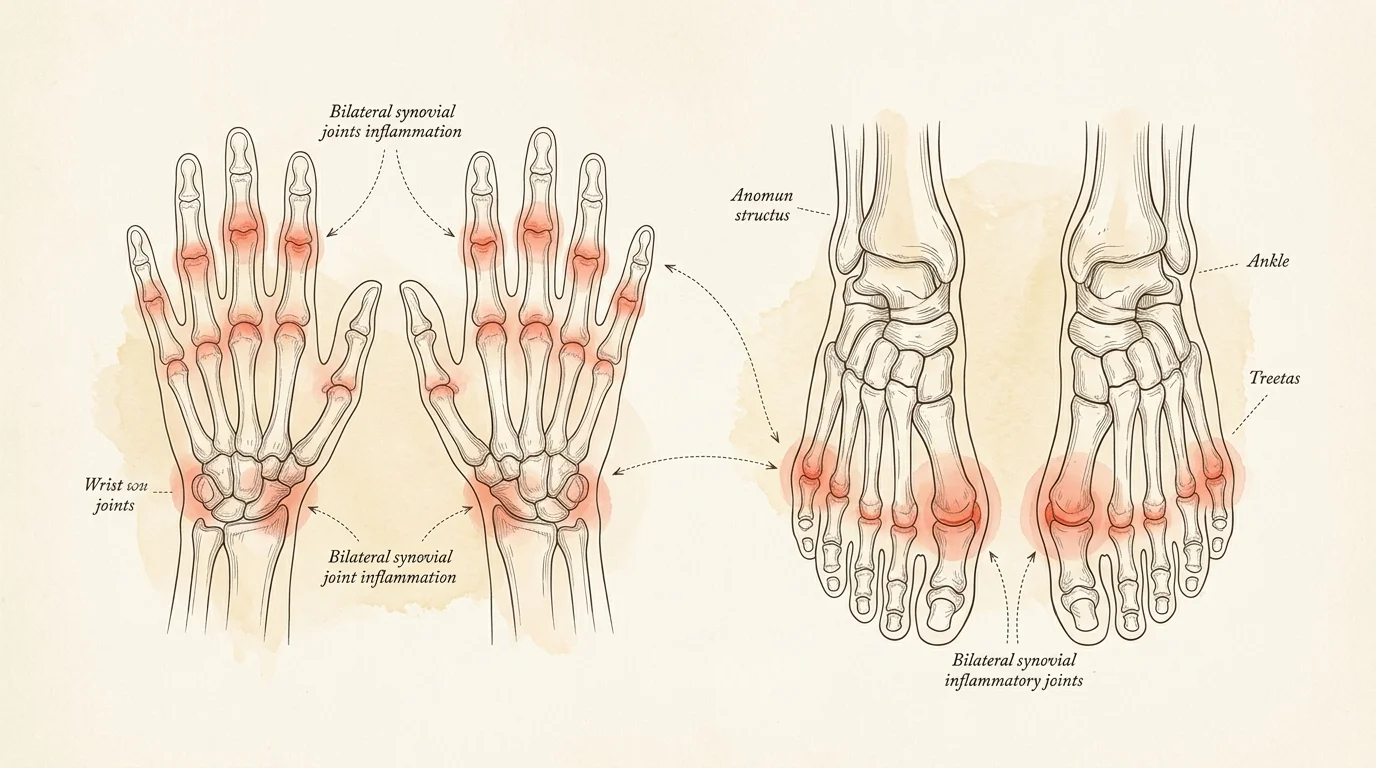
Autoimmune disorders routinely target the synovial joints of your hands and feet. Chronic systemic inflammation degrades joint linings, sparking severe morning stiffness, joint swelling, and irreversible bone erosions.
Rheumatoid arthritis represents the benchmark inflammatory joint disorder affecting both sets of extremities. Data from the World Health Organization shows that rheumatoid arthritis impacts between 0.5 and 1 percent of the global population.
In the United States, roughly 1.3 million to 1.5 million adults manage the condition; women account for 70 to 75 percent of all diagnoses. Early diagnosis protects joint architecture before deformities establish themselves.
Rheumatoid arthritis attacks with bilateral symmetry, simultaneously striking identical joints on both sides of your body. The disease targets the metacarpophalangeal joints of your hands and the metatarsophalangeal joints of your feet.
Psoriatic arthritis also strikes extremities aggressively, provoking whole-digit swelling known as dactylitis alongside characteristic nail pitting. Modern disease-modifying antirheumatic therapies successfully suppress this inflammatory cascade, preserving joint mechanics and daily function.
Dermatological Conditions Localized to Palms and Soles
The skin covering your palms and soles features dense sweat glands and a uniquely thick stratum corneum. Certain skin disorders specifically manifest across these specialized surfaces.
Dyshidrotic eczema causes intensely itchy, deeply seated micro-blisters along the edges of your fingers, palms, and soles. These tiny, fluid-filled vesicles can crack, peel, and cause substantial physical discomfort.
The American Academy of Dermatology reports that dyshidrotic eczema accounts for 5 to 20 percent of all hand and foot dermatitis diagnoses. Environmental irritants, heavy metal sensitivities, chronic moisture, and psychological stress often trigger sudden flare-ups.
Palmoplantar pustulosis presents another painful challenge by producing sterile, yellow pustules on reddened, peeling skin across the soles and palms. Dermatologists strongly link this persistent inflammatory condition to tobacco exposure and immune dysregulation.
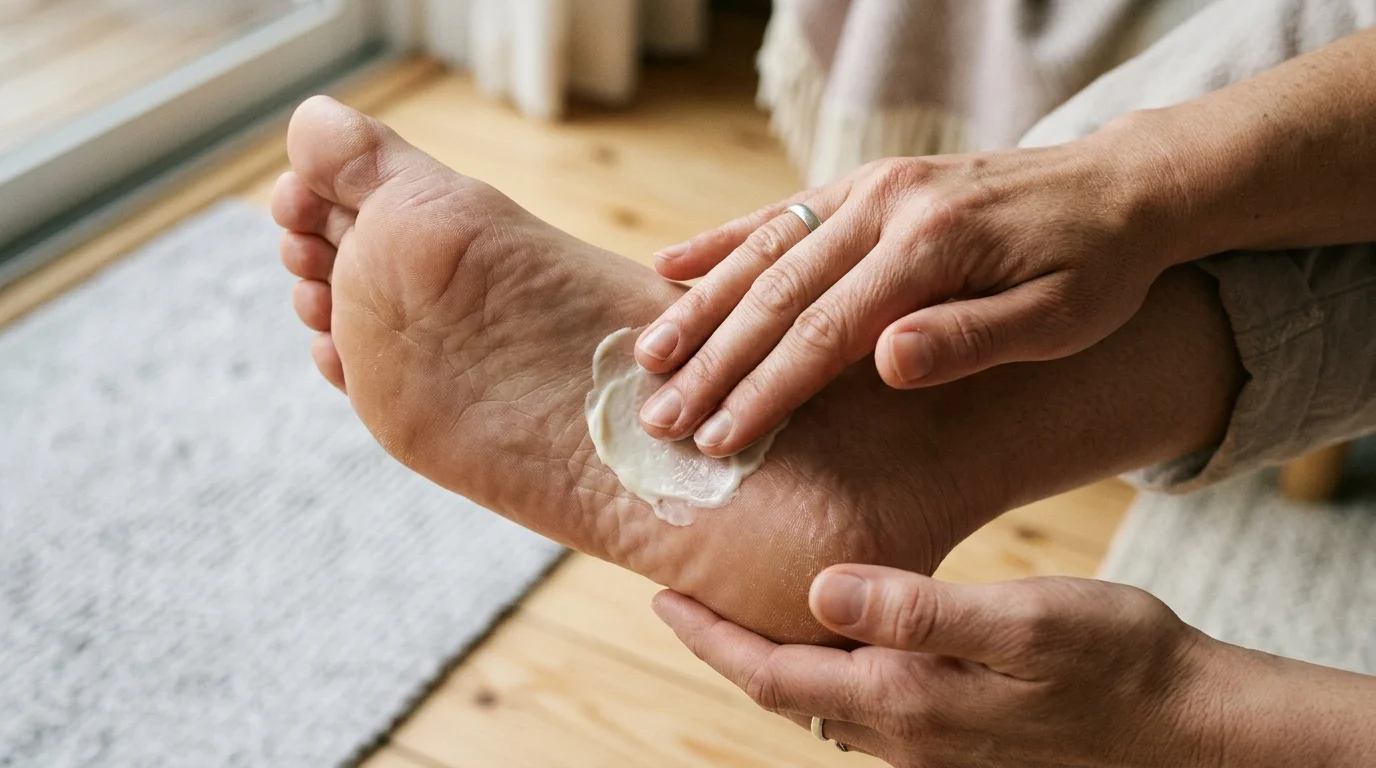
Restoring your skin barrier with ceramide ointments prevents secondary microbial infections through painful fissures. Consistent topical care shields exposed nerve endings from abrasive environmental agents.
Pillar 1: Targeted Movement and Neuromuscular Training
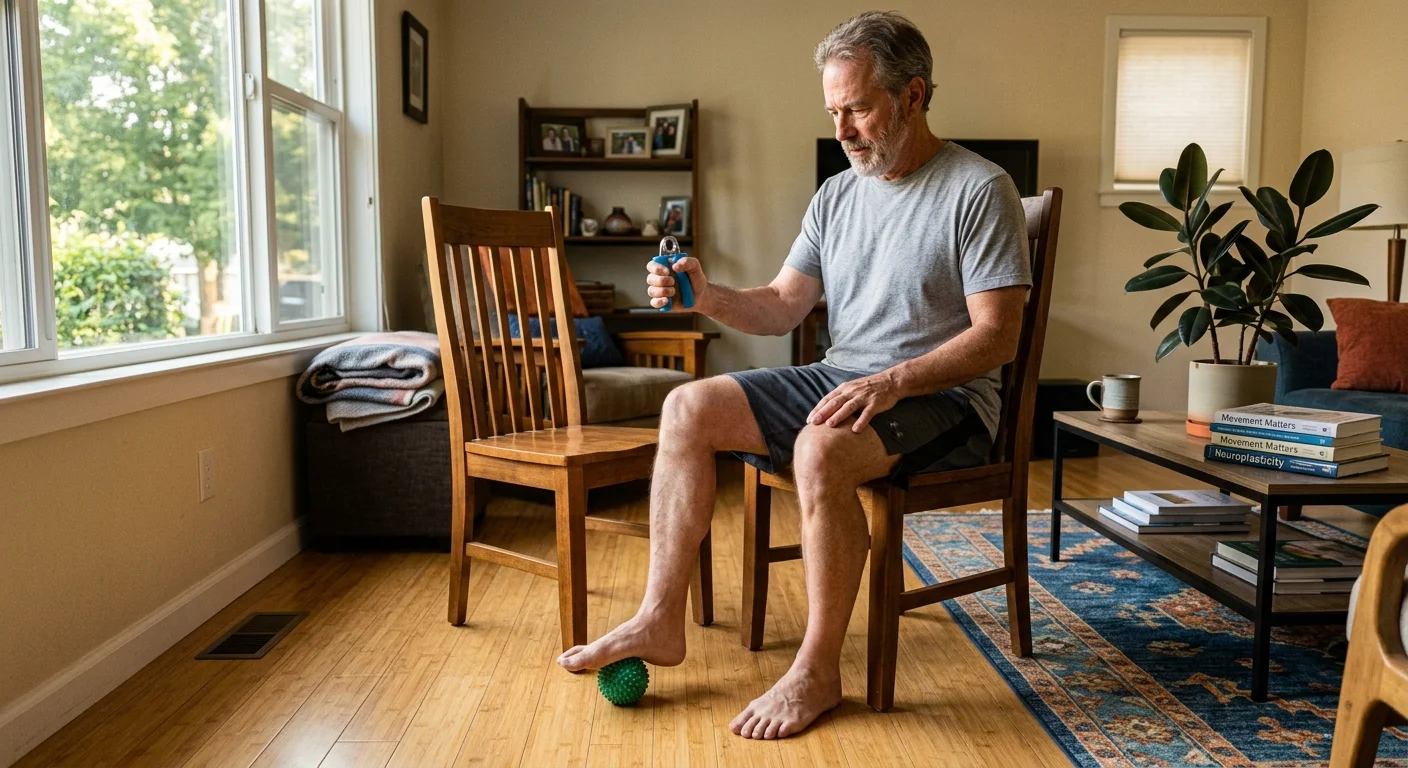
Regular physical movement operates as an organic pump for distal circulation, promoting healthy venous return and lymphatic drainage. Intentional extremity exercises prevent fluid accumulation and deliver fresh oxygen to peripheral tissues.
Nerve gliding mobilizations help peripheral nerves slide freely through narrow soft-tissue corridors in your wrists and ankles. Performing gentle median and tibial nerve glides relieves nerve compression and reduces burning sensations.
Brisk walking for thirty minutes most days encourages new capillary growth in your lower limbs. This low-impact cardiovascular activity supports arterial health and counters early circulatory deficits.
Fine motor hand drills and toe spreading exercises preserve intrinsic muscle strength and joint alignment. Dedicated physical therapy routines help you maintain manual dexterity and balance without overloading tender joints.

Pillar 2: Metabolic Optimization and Anti-Inflammatory Nutrition
Your peripheral nerves and blood vessels depend on stable metabolic conditions to repair daily micro-injuries. Uncontrolled blood sugar spikes generate advanced glycation end products that stiffen delicate vessel walls and starve nerve fibers.
Adopting an anti-inflammatory dietary pattern rich in leafy greens, berries, legumes, and whole grains stabilizes glycemic swings. Maintaining steady blood sugar significantly reduces your risk of progressive neuropathic damage.
Healthy dietary fats provide the necessary building blocks for myelin nerve sheaths and cell membranes. Consuming cold-water fatty fish, chia seeds, and extra virgin olive oil supplies omega-3 fatty acids that ease systemic inflammation.
Key micronutrients—particularly vitamins B1, B6, and B12—support nerve conduction and cellular metabolism. You should check your serum micronutrient levels through clinical blood work before starting high-dose dietary supplements.

Pillar 3: Environmental Protection and Skin Barrier Defense
Shielding your hands and feet from environmental extremes protects vulnerable capillaries and preserves your skin barrier. Cold temperatures, harsh detergents, and dry conditions readily trigger vasospasms and painful skin cracks.
If you experience Raynaud’s episodes, keeping your core body warm is just as vital as wearing insulated mittens. Wearing warm layers prevents your autonomic nervous system from initiating sudden peripheral vasoconstriction.
For cracked or eczematous skin, apply thick, fragrance-free ointments immediately after washing to lock in essential moisture. Protective gloves shield your hands from household cleaning chemicals and occupational moisture exposure.
Perform a daily visual foot inspection if you experience any loss of sensation from peripheral neuropathy. Catching small blisters or pressure sores early prevents minor friction injuries from developing into dangerous ulcers.
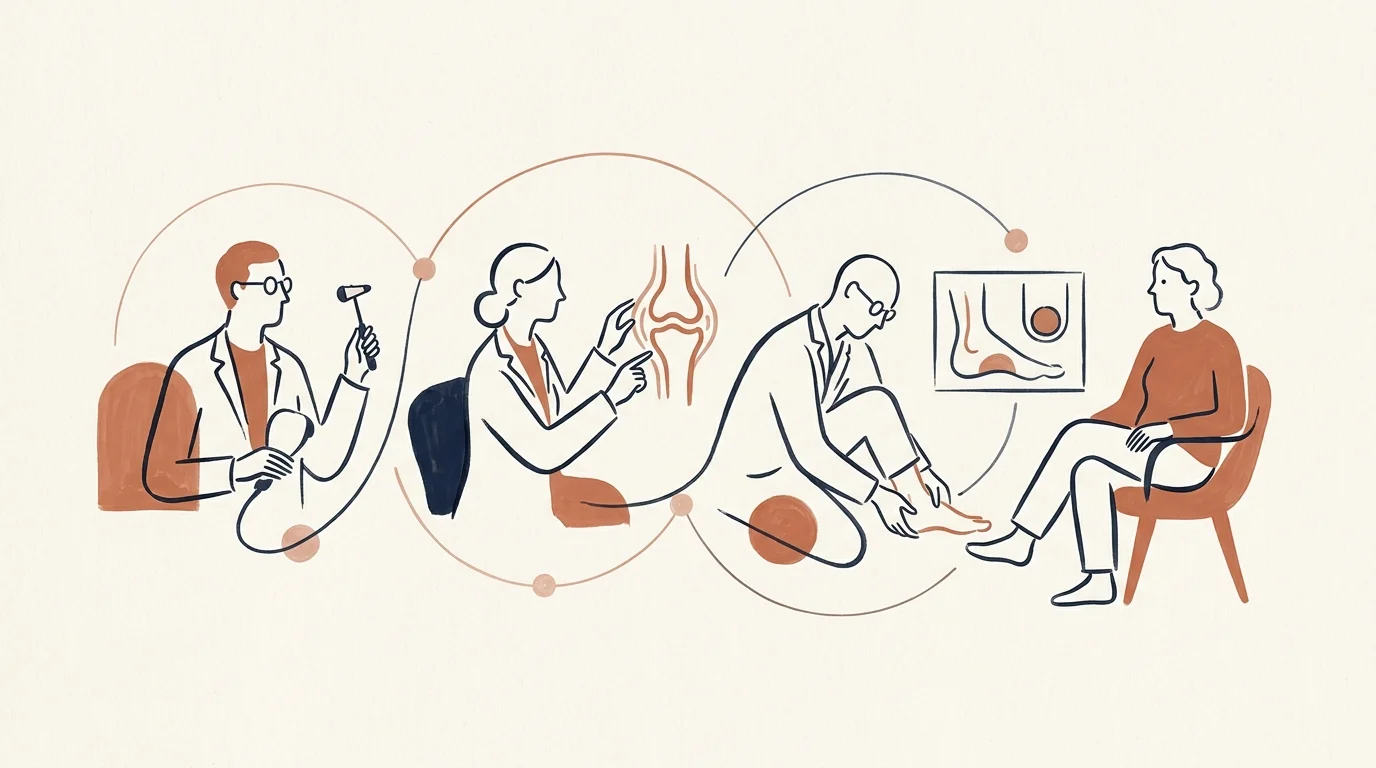
Clinical Perspectives: Collaborative Healthcare Guidance
Diagnosing conditions affecting both your hands and feet requires a coordinated effort across medical specialties. Neurologists, rheumatologists, dermatologists, and podiatrists combine their clinical expertise to uncover underlying systemic drivers.
Clinicians stress that distal extremity symptoms should never be brushed aside as normal aging. Because nerves regenerate slowly, addressing metabolic or inflammatory damage promptly yields the best therapeutic results.
Dr. Elena Rostova, an integrative rheumatologist, advises patients to track their symptoms in an extremity journal. Recording the timing of swelling, temperature triggers, and stiffness patterns accelerates accurate diagnosis and treatment selection.
Comprehensive testing—including electromyography, blood panels, and nailfold capillaroscopy—helps your medical team pinpoint specific vascular or neurological dysfunctions. Working closely with your physician ensures a personalized, evidence-based care strategy.
Frequently Asked Questions About Extremity Health
Why do my hands and feet feel cold even when the room is warm?
Persistent coldness usually reflects reduced blood flow caused by microvascular vasospasms, such as primary Raynaud’s phenomenon. It may also point to systemic conditions including hypothyroidism, anemia, or peripheral artery disease.
Consult your healthcare provider for diagnostic vascular testing if rewarming techniques fail to restore normal color and warmth.
Can spinal issues cause simultaneous numbness in hands and feet?
When investigating numbness in hands and feet causes, doctors evaluate both your central nervous system and peripheral pathways. Spinal cord compression in your neck, known as cervical myelopathy, can disrupt nerve signals traveling to all four limbs simultaneously.
A thorough neurological examination and spinal imaging can distinguish between central spinal compression and peripheral nerve disorders.
How do doctors distinguish between arthritis and neuropathy in the hands?
Arthritis primarily causes joint stiffness, localized swelling, and mechanical pain that worsens with movement. In contrast, neuropathy produces sensory anomalies like burning, prickling, or loss of feeling without joint inflammation.
Clinicians use joint ultrasound, physical reflex tests, and nerve conduction studies to confirm the precise diagnosis.
When should I seek immediate medical attention for hand and foot symptoms?
Seek urgent medical care if you experience sudden numbness, limb weakness, absent pulses, or severe unyielding pain. Rapid color shifts to purple or black, or open sores showing spreading redness, also require emergency evaluation.
Sudden weakness across multiple extremities can indicate acute neurological conditions requiring prompt hospital treatment.
Your Next Step Toward Lasting Extremity Wellness
Protecting the long-term health of your hands and feet begins with daily vigilance and sustainable wellness habits. Choose one actionable change today, such as scheduling routine metabolic lab tests or adopting a nightly moisturization ritual.
Take a quiet moment to reflect on your daily physical habits and environmental exposures. What activities or temperatures trigger your extremity symptoms, and what proactive adjustment can you discuss with your doctor this week?
Your hands and feet carry you through life and connect you with everything you touch. By treating early extremity warning signs with evidence-based medical and lifestyle care, you preserve your mobility and vitality for years ahead.








Leave a Reply