

Carbon monoxide enters your bloodstream invisibly, displacing the oxygen your vital organs need to function. Recognizing subtle early physical warnings protects your household from life-threatening chemical asphyxiation.
Because carbon monoxide carries no scent, color, or taste, your body often registers danger before standard household senses can detect a threat. Paying attention to sudden physical shifts safeguards your immediate wellbeing.
You can easily mistake this toxic exposure for seasonal viral illness, leading to dangerous delays in evacuation. Identifying the specific clinical indicators empowers you to take decisive life-saving action.

Understanding the Invisible Threat in Your Living Space
Carbon monoxide accumulates silently inside enclosed residential spaces whenever fuel-burning appliances malfunction or operate without adequate ventilation. Furnaces, water heaters, gas stoves, portable generators, and wood-burning fireplaces constantly generate this byproduct during incomplete combustion.
When appliances function properly, dedicated exhaust vents safely route these toxic fumes outside your residence. Obstructions, mechanical failures, or improper indoor generator use cause fumes to seep backward into your living areas.
Data from the Centers for Disease Control and Prevention indicates that unintentional, non-fire-related carbon monoxide exposure causes more than 400 deaths annually in the United States. The agency also records over 100,000 emergency room visits and more than 14,000 hospitalizations each year.
Heating equipment and small combustion engines present the greatest residential hazards during severe weather outages. Many homeowners bring portable machinery indoors without realizing how quickly toxic concentrations build up inside sealed rooms.
The U.S. Consumer Product Safety Commission reports that an average of more than 200 people die each year from carbon monoxide emissions produced by non-automotive consumer products. Portable generators and portable heating systems account for the vast majority of these fatal domestic incidents.
Modern homes feature tight insulation to preserve indoor temperatures and lower seasonal utility bills. This airtight construction inadvertently traps hazardous combustion gases inside, accelerating toxicity when venting systems fail.
The Cellular Science of Carbon Monoxide Toxicity
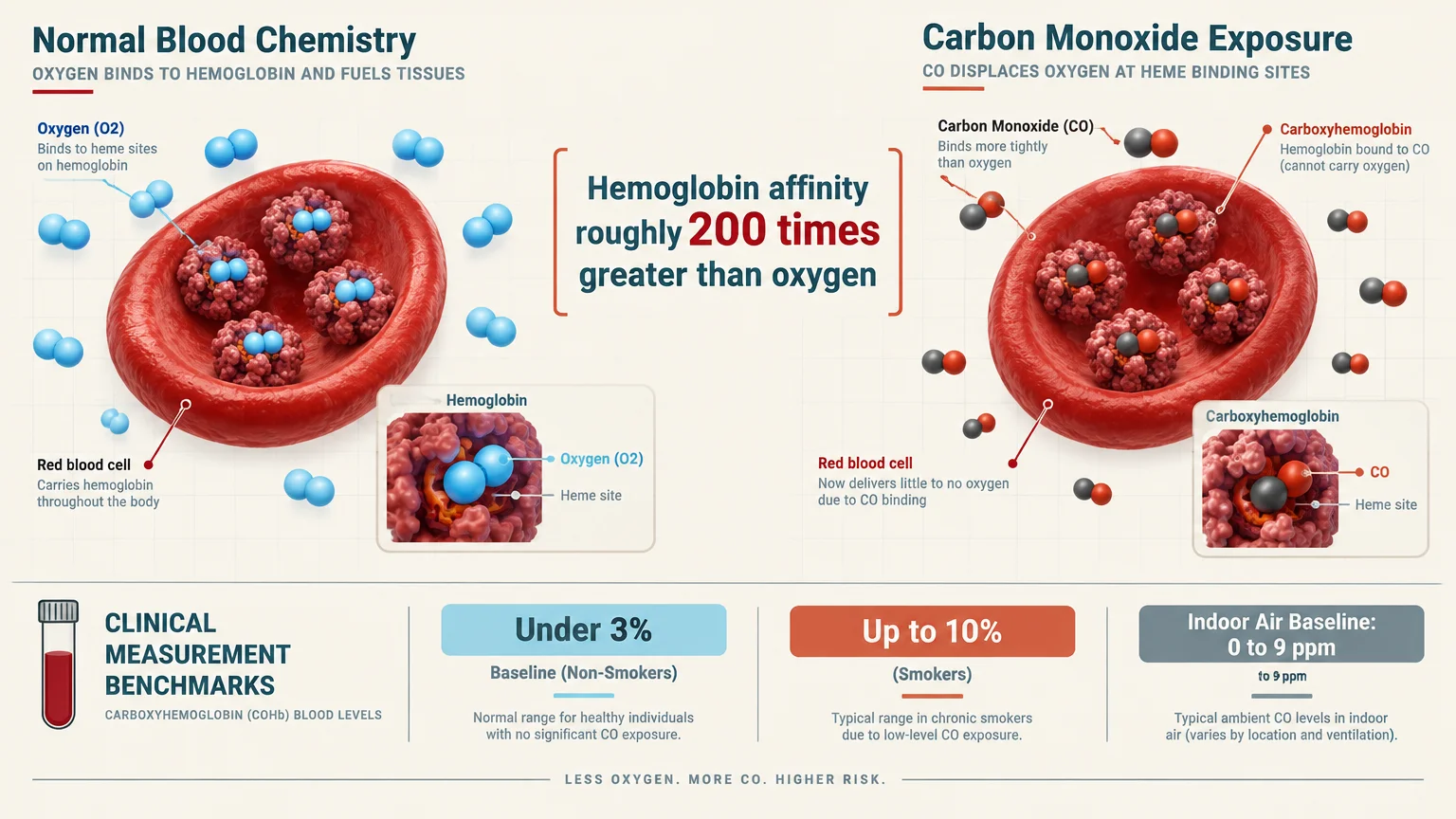
When you inhale carbon monoxide, gas molecules pass directly through your pulmonary alveoli into your bloodstream. Once inside your blood, carbon monoxide binds to hemoglobin with an affinity roughly two hundred times greater than oxygen.
This aggressive chemical reaction produces carboxyhemoglobin, which prevents your red blood cells from transporting oxygen to vital biological tissues. Your brain, heart, and metabolic machinery quickly begin starving at a cellular level.
Physicians evaluate the severity of poisoning by measuring carboxyhemoglobin percentages in your blood. Baseline carboxyhemoglobin levels remain under 3% for non-smokers and reach up to 10% for chronic cigarette smokers.
Concentrations above these clinical baselines confirm hazardous exposure and require swift medical stabilization. Elevated levels degrade your cellular mitochondrial function, triggering systemic inflammation and tissue injury even after gas evacuation.
Indoor air quality standards establish strict baseline thresholds to protect human health over prolonged durations. Safe normal indoor air quality ranges from 0 to 9 parts per million.
The Environmental Protection Agency and the World Health Organization establish 9 parts per million as the maximum acceptable 8-hour residential safety standard. Exposure to 35 parts per million represents the agency residential exposure limit over a 1-hour window.
In occupational settings, the Occupational Safety and Health Administration enforces a permissible exposure limit of 50 parts per million across an 8-hour shift. Residential alarms certified under standard UL-2034 must trigger within 1 to 4 hours when concentrations reach 70 parts per million.
At 150 to 200 parts per million, you will develop mild headaches, fatigue, dizziness, and nausea after 2 to 3 hours. Concentrations reaching 400 parts per million cause intense frontal headaches within 1 to 2 hours and threaten your life after 3 hours.
Severe environmental contamination of 800 parts per million induces dizziness, nausea, and convulsions within 45 minutes, progressing to unconsciousness within 2 hours. Levels surpassing 1,600 parts per million cause acute nausea and dizziness within 20 minutes and produce death within 1 hour.
8 Signs of Carbon Monoxide Poisoning at Home
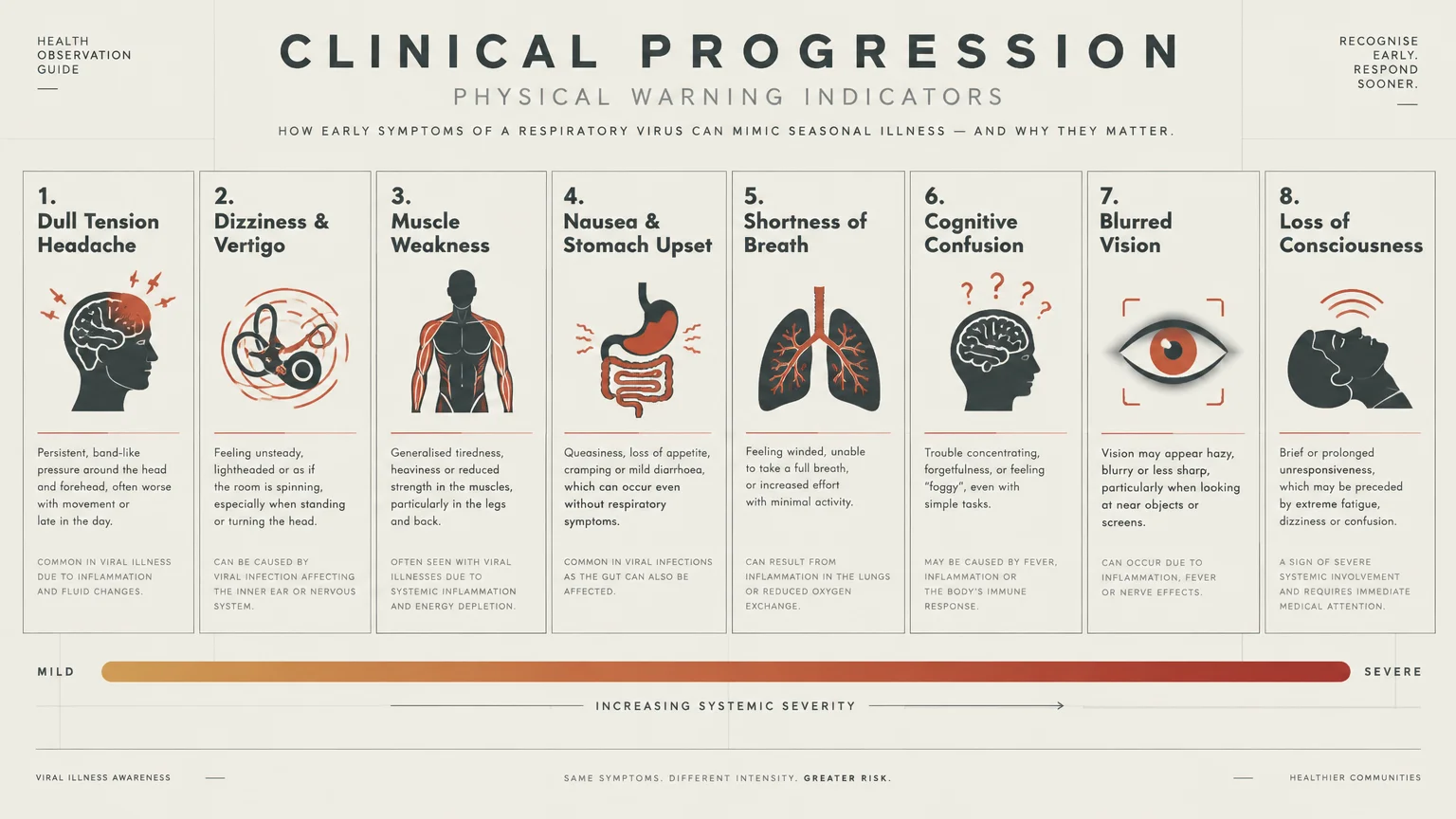
Recognizing how poisoning presents across different body systems allows you to act before irreversible cognitive or cardiovascular injury occurs. Here are the eight primary clinical indicators of residential carbon monoxide toxicity.
1. Dull and Persistent Frontal Headache
A continuous, throbbing ache localized behind your forehead or temples represents the most common early manifestation of carbon monoxide exposure. As carbon monoxide binds to your hemoglobin, cerebral blood vessels dilate in an attempt to pull more oxygen into oxygen-starved brain tissues.
This vascular dilation increases pressure within your cranium, triggering steady discomfort that conventional over-the-counter pain relievers rarely resolve. You might assume dehydration or screen fatigue caused the discomfort, yet the tension intensifies the longer you remain indoors.
If multiple members of your household develop unexplained frontal pressure simultaneously, suspect environmental gas contamination immediately. The ache typically softens after you step into fresh outdoor air for an extended period.
2. Unexplained Dizziness and Loss of Balance
Sensations of lightheadedness, unsteadiness, or spatial disorientation occur as your cerebellum and inner ear pathways experience acute oxygen deficits. You might experience floating sensations or struggle to walk across a hallway in a straight line.
Standing up quickly can induce sudden postural instability or visual greying that mimics orthostatic hypotension. Because your central nervous system requires an uninterrupted flow of oxygen, balance centers display early sensitivity to carboxyhemoglobin accumulation.
Never dismiss persistent clumsiness or room-spinning sensations when working near gas appliances or resting in closed quarters. These vestibular disturbances signal that your nervous system is operating under hypoxic strain.
3. Sudden Nausea, Vomiting, and Appetite Loss
Gastrointestinal distress frequently accompanies low-to-moderate carbon monoxide exposure as cellular hypoxia irritates your vagus nerve and central digestive pathways. You may develop a profound aversion to food, stomach cramping, or unexpected bouts of vomiting.
Families frequently mistake this cluster of digestive complaints for food poisoning or viral gastroenteritis. However, unlike traditional foodborne illnesses, carbon monoxide toxicity affects household residents regardless of what individual family members ate.
Take notice if your digestive discomfort coincides with spending time in specific rooms, such as an unvented basement or an enclosed kitchen. Nausea that subsides when you leave the property points directly toward an environmental irritant.
4. Profound Fatigue and Weakness Without Fever
Carbon monoxide interrupts standard cellular energy production, preventing your mitochondria from synthesizing adenosine triphosphate. You may experience overwhelming muscular lethargy, heavy limbs, and a sudden inability to complete ordinary domestic tasks.
Crucially, carbon monoxide poisoning does not cause a fever, which serves as a primary diagnostic differentiator between chemical toxicity and seasonal viral infections. If your household exhibits severe flu symptoms without an elevated body temperature, environmental toxicity is the probable cause.
This debilitating exhaustion often tempts affected individuals to lie down and sleep off their discomfort. Sleeping through ongoing gas exposure dramatically increases your risk of catastrophic injury or death, as your body cannot escape the contaminated air.
5. Shortness of Breath and Chest Tightness
Cardiopulmonary distress emerges rapidly when carboxyhemoglobin reduces oxygen delivery to your heart muscle and lung tissue. You might find yourself gasping for air while performing minimal physical exertion, such as folding laundry or climbing stairs.
Your heart attempts to compensate for systemic oxygen starvation by beating faster, which causes noticeable palpitations or flutterings in your chest. Individuals with underlying coronary artery disease often experience acute angina or crushing substernal pressure under moderate carbon monoxide concentrations.
Any sudden, unexplained onset of chest tightness or respiratory difficulty warrants immediate evacuation and emergency medical intervention. Prolonged cardiac hypoxia from carbon monoxide can precipitate myocardial injury or dangerous ventricular arrhythmias.
6. Cognitive Confusion, Memory Lapses, and Brain Fog
Your cerebral cortex relies upon high oxygen consumption to maintain executive function, short-term memory, and emotional regulation. As toxic exposure progresses, you may struggle to process basic instructions, articulate coherent thoughts, or recall familiar names.
Family members often display uncharacteristic irritability, emotional lability, or apathy during prolonged low-level exposure. You might walk into a room and completely forget your purpose, or struggle to operate standard household devices.
This neurocognitive impairment is particularly hazardous because it robs you of the sound judgment needed to recognize life-threatening danger. Affected individuals often remain inside contaminated buildings simply because brain fog prevents them from executing an emergency escape.
7. Visual Disturbances and Blurred Sight
Your retinas and visual processing centers in the occipital lobe require substantial vascular oxygenation to interpret light signals accurately. Reduced cellular oxygenation triggers blurred sight, dimming of peripheral vision, or transient blind spots across your visual field.
You may also notice double vision or find it painful to adjust your focus between distant and near objects. These optical manifestations frequently accompany the throbbing frontal headache described in early clinical stages.
When visual disturbances occur alongside dizziness, your risk of dangerous domestic falls and physical trauma increases significantly. Step outside immediately if room illumination appears unexpectedly dim or distorted without an electrical cause.
8. Motor Collapse, Convulsions, and Unconsciousness
Severe carbon monoxide toxicity completely overwhelms nervous system function, leading to total motor collapse and loss of physical control. Skeletal muscles lose tone, causing your legs to give out beneath you without warning.
Under heavy exposure, abnormal neurological firing can trigger generalized convulsions or full-body seizures as cerebral tissues suffer severe hypoxic trauma. Without immediate fresh air and medical resuscitation, complete unconsciousness occurs rapidly.
At concentrations of 800 parts per million, unconsciousness can settle in within 2 hours, progressing to death shortly thereafter. Collapse represents an absolute medical catastrophe that demands urgent evacuation by emergency personnel equipped with self-contained breathing apparatus.
Environmental Clues and Household Warning Signals
In addition to monitoring physical symptoms, you must learn to identify mechanical warnings within your domestic environment. Fuel-burning heating equipment and appliances often display visual signs of improper combustion long before sensors sound an alarm.
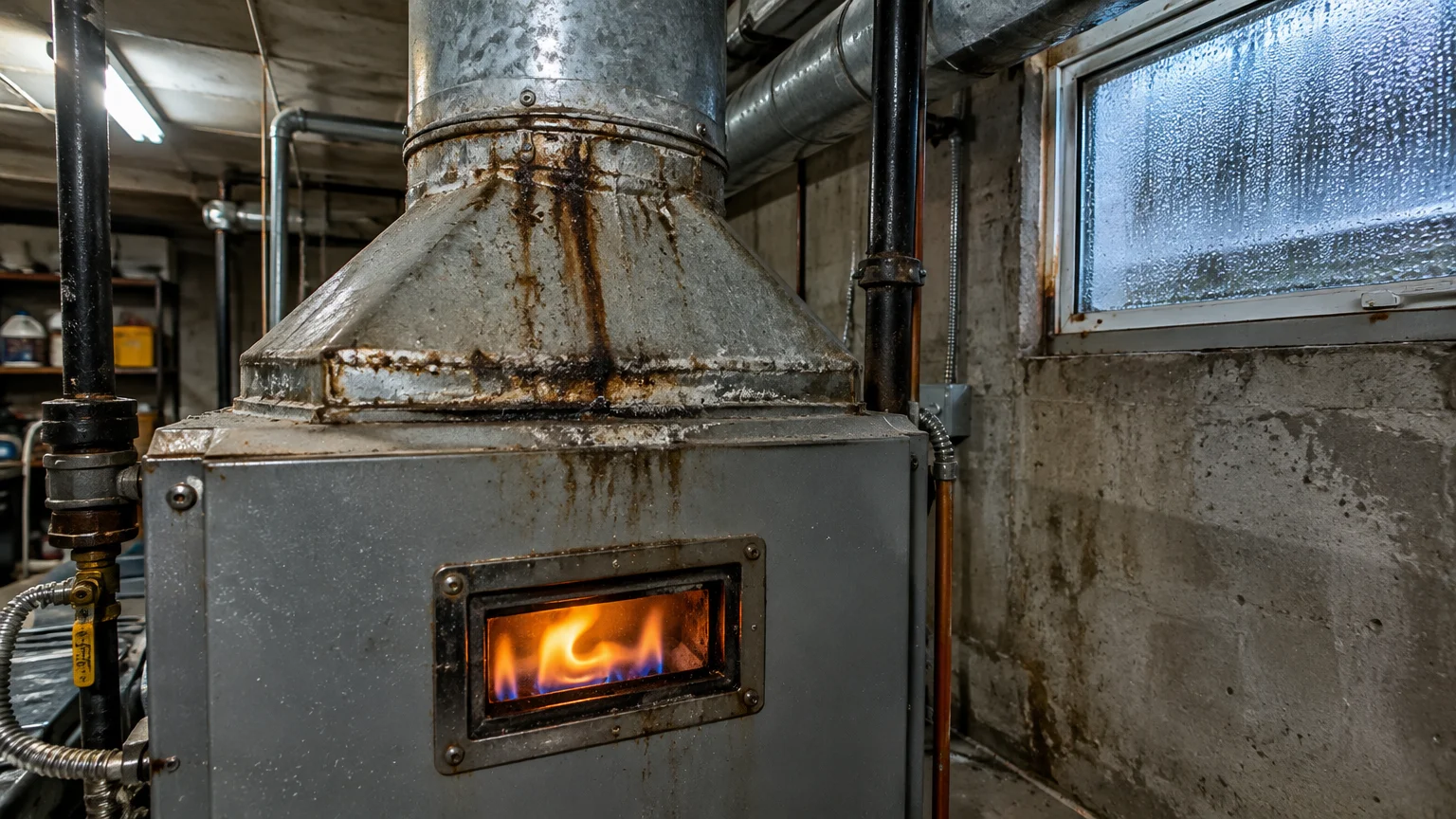
Inspect the burner flames on your gas stove and furnace regularly to verify complete combustion. A healthy, properly adjusted burner produces a crisp blue flame, whereas a lazy yellow or orange flame indicates incomplete combustion and elevated carbon monoxide production.
Look for soot streaks, rust streaks, or dark scorch marks around the access panels and draft hoods of your water heater and furnace. Persistent condensation forming on indoor windowpanes near fuel-burning appliances also points to venting defects that trap combustion gases inside.
Domestic pets often display the physical signs of toxicity long before adult humans notice symptoms. Because dogs, cats, and birds possess smaller body masses and higher metabolic rates, they experience rapid carboxyhemoglobin saturation.
If your pet becomes suddenly lethargic, uncoordinated, vomits repeatedly, or collapses without an apparent medical reason, evacuate the home immediately. Monitoring domestic animals provides a vital early warning system for the entire household.

Pillar 1: Emergency Protocols and Medical Intervention
Knowing how to react when you suspect carbon monoxide exposure saves lives and prevents long-term neurological complications. Your immediate priority must always focus on evacuation rather than searching for the environmental leak source.
If you or your family members experience these symptoms, or if your residential alarm sounds, leave the building immediately. Do not waste precious seconds opening windows, gathering personal belongings, or turning off appliances.
Once you reach safe outdoor air, dial 911 or contact local emergency services immediately to dispatch responders. Inform the emergency dispatcher that you suspect acute carbon monoxide poisoning so medical crews prepare appropriate therapeutic gear.
Never re-enter a contaminated structure until fire department personnel have ventilated the property and cleared the home with professional atmospheric monitors. Emergency physicians will confirm your diagnosis through blood carboxyhemoglobin assays and metabolic panels upon arrival at the hospital.
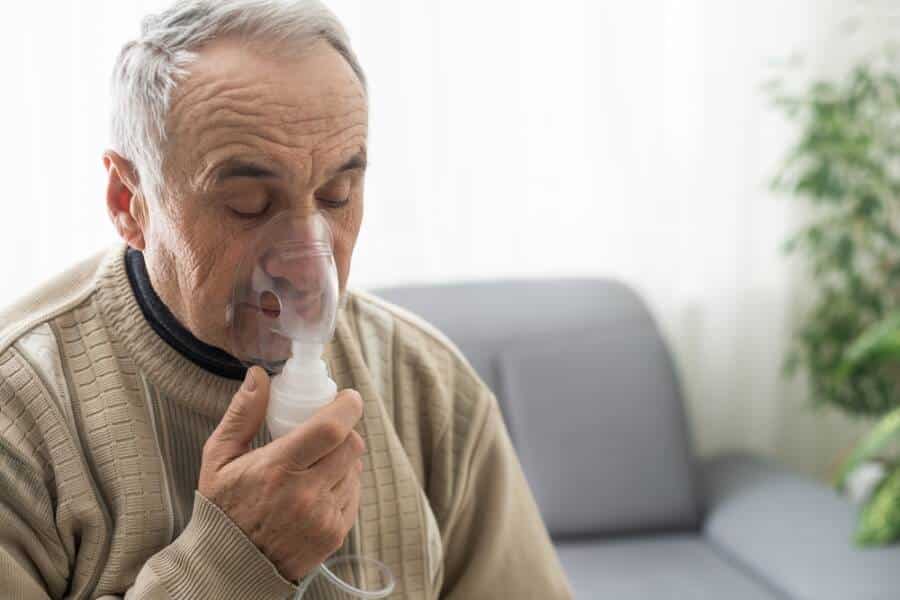
Standard medical therapy involves administering 100% normobaric oxygen through a tightly fitted non-rebreather mask to speed the displacement of carbon monoxide from your hemoglobin. While breathing standard room air clears half of the carbon monoxide in your blood over five hours, pure oxygen reduces this clearance half-life to under ninety minutes.
In severe cases involving unconsciousness, cardiac ischemia, or pregnancy, doctors may transfer you to a specialized hyperbaric chamber facility. Hyperbaric oxygen therapy delivers pure oxygen under high atmospheric pressure, maximizing tissue oxygen dissolution and reducing long-term cognitive complications.
Pillar 2: Home Infrastructure and Detector Maintenance
Maintaining reliable detection hardware throughout your residence serves as your first line of defense against undetected gas accumulation. Relying solely on physical symptoms leaves you vulnerable during sleeping hours when warning signs go unnoticed.
Standard battery-operated or plug-in carbon monoxide detectors retail between $20 and $30 at major hardware and home improvement retailers. Advanced digital units, smart models, and low-level monitors that display real-time concentrations cost between $50 and $100.
Invest in low-level monitors if you live with elderly relatives, infants, or individuals with chronic cardiovascular and respiratory disorders. These sensitive units alert you to concentrations below the standard 70 parts per million threshold required for residential alarms.
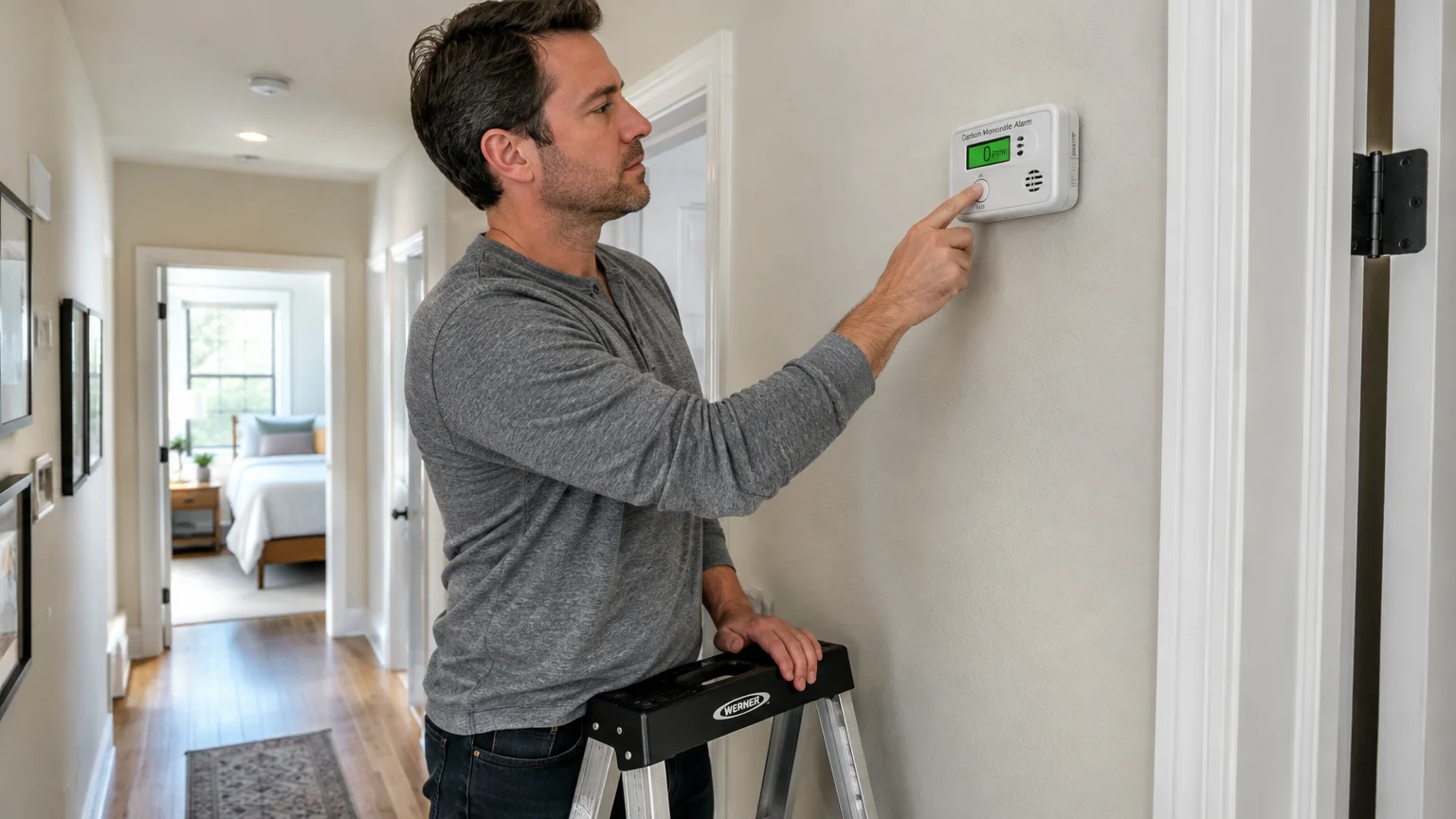
Follow guidelines established by the National Fire Protection Association by installing a carbon monoxide alarm on every level of your home, including the basement. Mount an additional unit outside or near every separate sleeping area so alarms wake sleeping family members through closed doors.
Carbon monoxide detectors do not last indefinitely because their internal electrochemical sensors steadily degrade over time. You must replace your alarms every 5 to 10 years depending on the model and manufacturer specifications.
Most newer Kidde models operate reliably for 10 years, whereas many First Alert and combination smoke/CO detectors expire after 7 years. Calculate this replacement lifespan from the date of manufacture printed on the back of the device rather than your installation date.
Units manufactured after August 2009 include an automated end-of-life warning to notify you when internal sensors degrade. This signal sounds as an intermittent chirp every 30 to 60 seconds or presents an “END” or “ERR” readout on digital display screens.
Test every alarm unit in your home once a month by firmly pressing the integrated testing button. Replace removable alkaline batteries twice a year, aligning this maintenance schedule with daylight saving time clock adjustments each spring and fall.
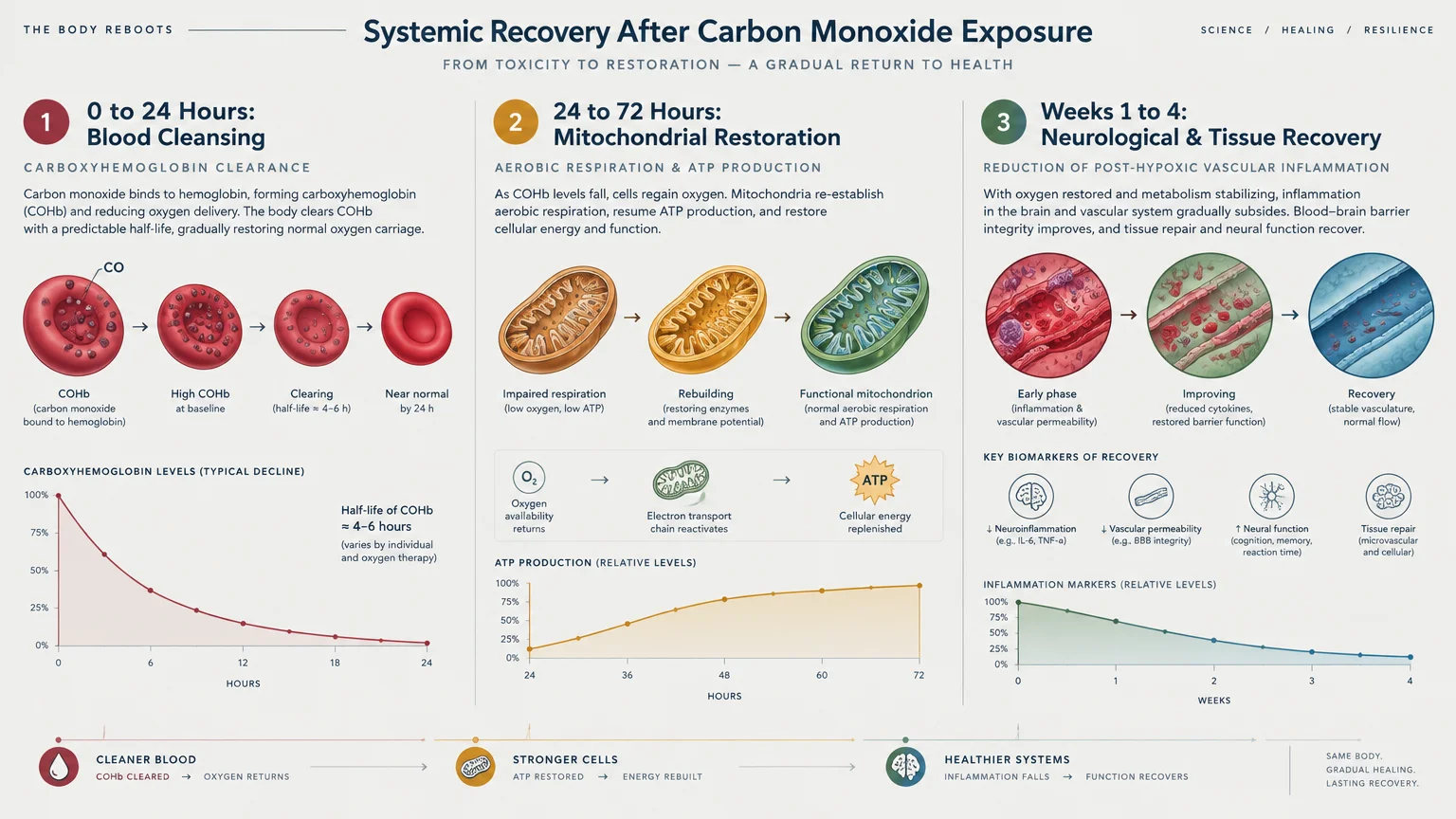
Pillar 3: Cellular Recovery and Restorative Health
Recovering from carbon monoxide poisoning requires focused post-exposure self-care to repair oxidative cellular damage and restore nervous system stability. Toxic gas exposure induces delayed neurological sequelae in some individuals, causing memory lapses or mood shifts weeks after apparent recovery.
Support your cellular recovery by prioritizing extensive physical rest and avoiding strenuous aerobic activities for several weeks following discharge. Giving your heart muscle and central nervous system time to recuperate limits ongoing metabolic inflammation.
Prioritize whole-food nutrition rich in dietary antioxidants to neutralize the free radicals generated during hypoxic cellular stress. Consume abundant dark leafy greens, berries, colorful vegetables, and omega-3 fatty acids sourced from wild fish or flaxseeds.
Maintain consistent hydration by drinking plenty of mineral-rich water throughout the day to support kidney clearance of cellular byproducts. Avoid alcohol, tobacco products, and recreational stimulants while your cardiovascular and nervous systems heal.
Work alongside your healthcare professional to track cognitive functioning, balance, and sleep architecture over the months following an exposure event. Report any recurring headaches, tremors, or emotional changes to your physician promptly for comprehensive neurological evaluation.

Clinical Perspectives and Patient Realities
Emergency clinicians emphasize that misdiagnosis remains one of the greatest obstacles to treating domestic carbon monoxide exposure effectively. Because symptoms mimic the winter flu or viral gastroenteritis, patients frequently delay medical evaluation until toxicity turns severe.
Physicians stress the importance of asking simple environmental questions when sudden illnesses affect entire households simultaneously. When multiple family members feel sick at the same time without displaying fever, clinicians look beyond infectious pathways toward environmental hazards.
Healthcare providers also highlight the vulnerability of unborn children when pregnant women experience carbon monoxide exposure. Fetal hemoglobin binds carbon monoxide even more tightly than adult hemoglobin, creating significant risks of fetal hypoxia at lower maternal concentrations.
Survivors often express disbelief at how swiftly mental clarity fades once carbon monoxide enters an enclosed living environment. Many note that brain fog arrived so quietly they lacked the initiative to walk outside, proving why automated detection hardware is essential.
Frequently Asked Questions About Carbon Monoxide Poisoning
How can you tell the difference between carbon monoxide poisoning and the seasonal flu?
Carbon monoxide poisoning produces headaches, nausea, dizziness, and fatigue without causing an elevated body temperature. Seasonal viral infections almost always trigger a fever, chills, sore throat, or swollen lymph nodes.
Additionally, carbon monoxide symptoms typically affect everyone residing in the same household simultaneously and improve when individuals leave the building. Viral illnesses spread gradually from person to person over several days and persist wherever you go.
At what concentration does carbon monoxide become dangerous to human health?
Safe indoor baseline air quality sits between 0 and 9 parts per million over an 8-hour period. Concentrations between 150 and 200 parts per million produce physical symptoms like headaches and nausea within 2 to 3 hours.
Concentrations reaching 400 parts per million become life-threatening after 3 hours of continuous exposure. Severe contamination above 1,600 parts per million can cause death within 1 hour, making immediate outdoor evacuation essential.
Where should you install carbon monoxide detectors in your home?
Install a detector on every habitable floor of your home, including finished basements and attics. Place dedicated units outside or near every sleeping area so alarms wake residents through closed bedroom doors.
Avoid placing alarms directly next to fuel-burning heating equipment, open windows, or excessively humid bathrooms, which can cause false readings. Positioning alarms according to manufacturer guidelines ensures optimal ambient air sampling.
How often do home carbon monoxide detectors need maintenance and replacement?
Test the functional operation of your carbon monoxide detectors once a month using the integrated test button on the faceplate. Replace removable alkaline batteries twice a year, pairing this routine with daylight saving time changes.
Replace complete detector units every 5 to 10 years based on the manufacture date stamped on the back panel. Units that chirp every 30 to 60 seconds or display “END” have reached end-of-life and must be replaced immediately.
Next Steps for Protecting Your Household
Protecting your family from this lethal residential threat begins with inspecting your current safety equipment today. Take twenty minutes this afternoon to walk through your living areas, count your detection devices, and examine their manufacture dates.
Ask yourself: Does your household have functional carbon monoxide detectors guarding every level and sleeping space right now? If your alarms have exceeded their operational lifespan or lack fresh batteries, update this hardware immediately.
Schedule an annual professional inspection for your home heating system, water heater, flues, and fuel-burning appliances before cold weather sets in. Proactive environmental maintenance combined with personal awareness safeguards your home, your health, and your loved ones for years to come.






Leave a Reply