
Should people take Paxlovid for COVID-19 infection? Here’s what experts say!
Given the fact that COVID-19 is currently responsible for more than 1.1 million deaths in the United States and the virus is stronger than ever, health experts and scientists had to do something to solve the issue.
Speaking of that, there’s fresh research showing the illness can harm the heart, brain, and lungs, so we can say for sure now that this deadly virus doesn’t plan on leaving us alone anytime soon. And yes, it’s more complicated, severe, and contagious than a regular cold.
Besides the classical vaccine that experts recommend people get, there’s a new thing that might be helpful: Paxlovid, a combination of ritonavir and nirmatrelvir, which is thought to help decrease the likelihood of severe symptoms and hospital stays.
While doctors discovered that people could take Paxlovid for COVID-19 infection and feel better, not everyone who suffers from this deadly issue has access to the medication.
According to recent National Institutes of Health research, just 15% of those who qualified for the medication took it. So, should patients take Paxlovid for the COVID-19 infection? If yes, who is eligible for this drug, and when should they take it? Read this article to find out!
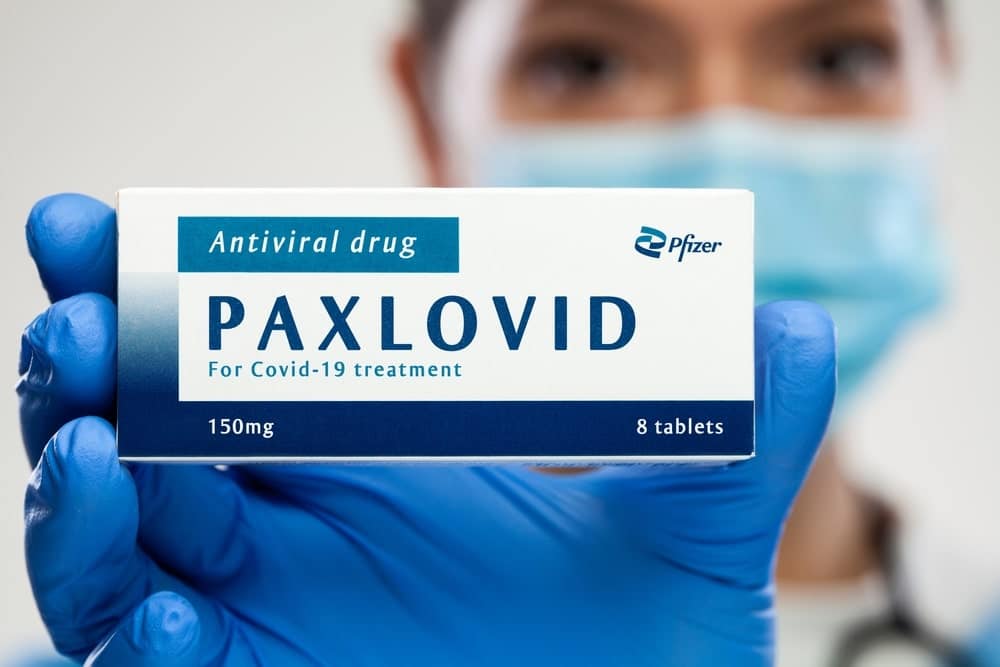
Paxlovid for COVID-19 infection – a new wonderful medicine?
When experts studied the effects of this new drug, they discovered that Paxlovid is an antiviral therapy that can be great for your body thanks to the fact that it aids in fighting the symptoms of SARS-CoV-2 faster and more efficiently.
You can’t assume how a treatment works unless you test it for longer periods, so during one clinical trial, the new medication was 89% effective in lowering hospitalization and death cases in patients who didn’t receive the COVID-19 virus and were at a greater risk.
But before we dive deeper into whether people should take Paxlovid for COVID-19 infection or not, we have to know what the ingredients of this medication do.
According to emergency medicine physicians, this new drug consists of two separate medications, ritonavir and nirmatrelvir, both in pill form. The first component is a medication that lowers the production of an enzyme that the SARS-CoV-2 needs to reproduce. Ritonavir, on the other hand, slows down the time the liver takes to break down nirmatrelvir, and it gives the pill a boost.
Should people take Paxlovid for COVID-19 infection?
As you already know, there are several medications on the market, and while each one of them is good for something, your healthcare provider is the one who can advise you on what you should take or not, as they’re the only ones who know your entire medical history.
According to experts, people who think about getting Paxlovid for the COVID-19 infection should talk to their doctors because it’s prescription-based and has to be taken within the first five days of symptoms. Moreover, they say that a course means taking three pills twice a day for five days, and although you might be feeling better, they advise patients to keep taking the pills until the prescription is finished.
As for those eligible to take Paxlovid for COVID-19 infection, this pill is only for the treatment of adult and pediatric patients who are at least 12 years old and weigh no less than 88 pounds. If you’re at risk of developing severe COVID-19 symptoms, including the need for hospitalization or potential death, your doctor could recommend this new treatment against the virus.
The CDC states that older folks, those with additional medical disorders like obesity, diabetes, and cancer, those with disabilities, and members of specific racial minorities are among those who have a higher chance of developing a serious illness, so if that’s your case, take care of yourself.
On the other hand, people who aren’t at risk of developing severe disease, those who are allergic to any of Paxlovid’s ingredients, or those who take particular drugs, such as the blue pill or statins, women who are pregnant or breastfed, or those who suffer from kidney or liver disease, are not recommended to take the new pill.
It’s always good to know whether you have COVID-19 or a simple cold, so that you can keep those you love safe. Considering that this strong virus is still around us, waiting to make another victim, I always make sure I have some antigen rapid tests at home. Click here to get some too!
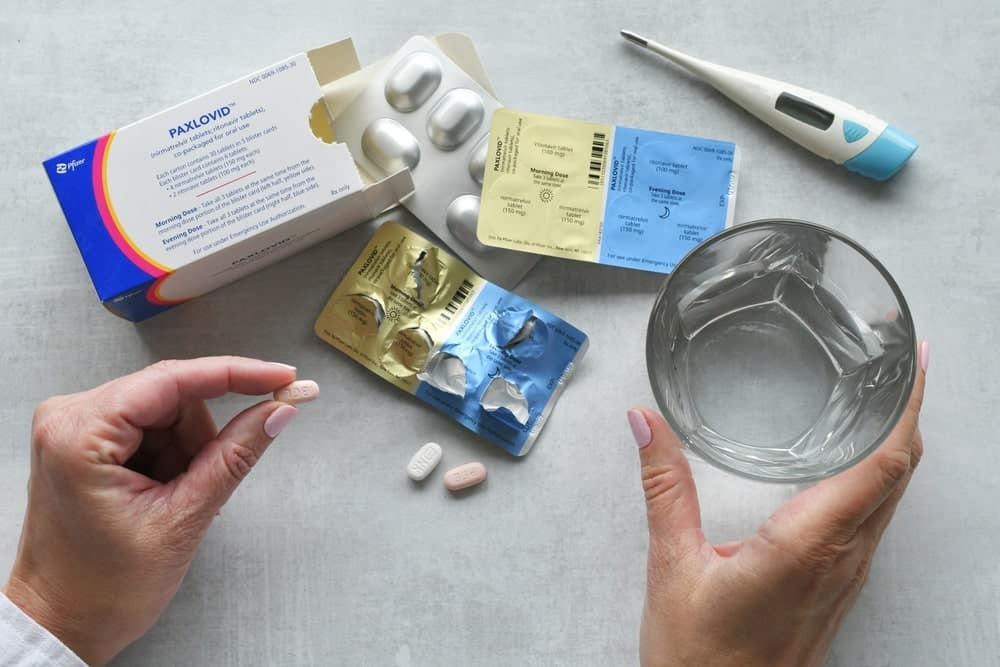
Some doctors won’t prescribe Paxlovid for COVID-19 infections
The reasons why some doctors choose not to prescribe Paxlovid are quite unclear, but sources say they could try to avoid early nationwide shortages of the medication.
Moreover, there could be a lack of knowledge among doctors or the fact that patients frequently visit doctors after the five-day prescription window has gone (if you believe that you could be at risk of developing dangerous symptoms of SARS-CoV-2, call your doctor as soon as you feel bad).
Another reason that makes healthcare providers hesitant about prescribing Paxlovid for COVID-19 infections is their concerns regarding drug-drug interactions for people who take other prescriptions at the same time, such as statins.
Side effects of Paxlovid for COVID-19 infections
Unfortunately, there isn’t a perfect pill that will relieve all the symptoms and not give you any side effects. If your doctor recommends you take Paxlovid for COVID-19 infections, there are particular adverse effects you could experience, the most common being temporary nausea, changed taste, and diarrhea.
Other side effects you might notice include feeling sick, having muscle aches, increased blood pressure, and abdominal pain. It’s very important to watch out for symptoms that could indicate an allergy to any of the medication’s ingredients, such as skin rashes, hives, breathing problems, tightness in the throat, and swelling of the lips, mouth, or face.
Another thing you should be aware of if you take Paxlovid for COVID-19 infections is that particular patients experienced rebounds, sometimes referred to as Paxlovid rebounds or COVID rebounds, which is when SARS-CoV-2 symptoms come back to patients following their recovery.
However, there’s also good news to this, because experts discovered that rebounds are more common in people who didn’t take any medications, as opposed to those who took Paxlovid.
Experts are currently looking at people who are more likely to experience a COVID-19 infection rebound, and in the case of Paxlovid, reinfection occurred in less than 1% of users, according to CDC research.
Don’t worry; in case you took Paxlovid for COVID-19 infections, you won’t need to take more pills to treat the rebound, and there’s no increase in the risk of death or hospitalization.
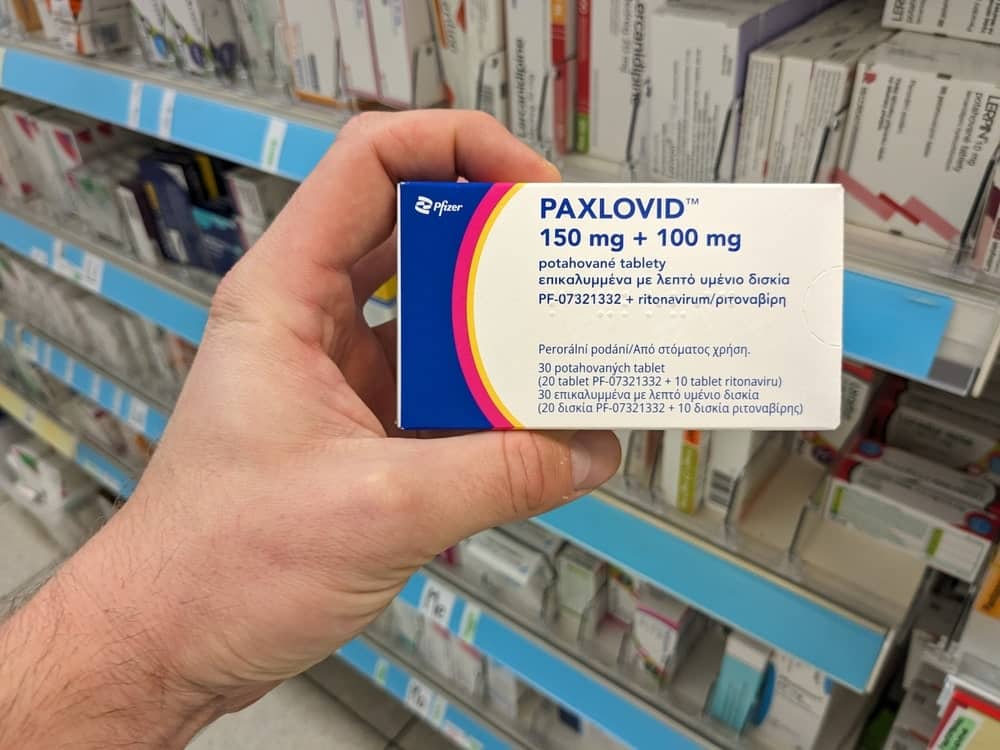
Can this pill prevent long COVID?
One of the most popular questions regarding this new pill is whether this is going to help treat the effects of long-term COVID-19, which is when symptoms keep occurring even though you’re long cured of this deadly virus.
Unfortunately, the evidence regarding this topic is quite unclear, because one study says that Paxlovid can aid in lowering the risk of long-term COVID in all patients, regardless of their vaccination status or number of previous infections.
On the other hand, the second study says that there’s no specific evidence on how Paxlovid could help ameliorate the side effects of a serious form of COVID-19. Researchers need to run more tests to know more about how this medication interferes with the patients’ bodies, especially since SARS-CoV-2 is always evolving and comes with different variants each time.
How much does this new treatment cost?
According to sources, through the end of 2023, people in America could get this medicine for free, with governmental funding covering the costs. As a deal between Pfizer and the U.S. Department of Health and Human Services says, patients who are uninsured or have Medicare or Medicaid insurance will be able to continue receiving Paxlovid for free until the end of 2024.
As for those who are underfunded or uninsured, it will remain free through 2028. Sources say that Paxlovid is covered by lots of private insurance plans, but keep in mind that prices vary by plan.
What do you think about Paxlovid? Have you ever taken it? Let us know in the comments below! If you liked reading this article, here’s another good one from The Lasting Health: 10 Non-Food Items That You Should Store In the Fridge







Leave a Reply