
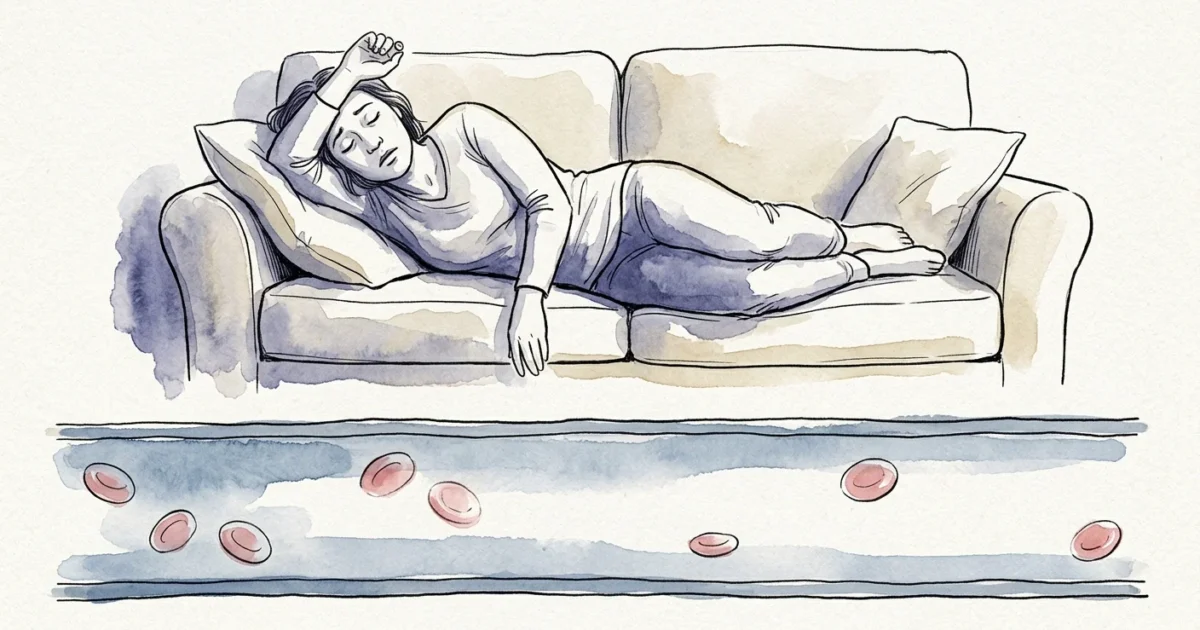
Persistent exhaustion often masks a deeper physiological crisis that extra sleep cannot resolve. When your body lacks sufficient red blood cells or functional hemoglobin, your vital organs starve for oxygen, sparking a cascade of subtle warning signals that millions of people mistakenly dismiss as everyday stress, aging, or burnout. Anemia alters everything from your heart rate to your neurological function, leaving distinct clues across your skin, nails, and daily habits. Recognizing these specific physical disruptions allows you to seek timely clinical testing, replenish your iron reserves, and reclaim your daily vitality before chronic complications develop.
The Biological Reality of Oxygen Depletion
According to World Health Organization global health guidelines, anemia affects roughly 30.7% of non-pregnant reproductive-age women, 35.5% to 37% of pregnant women, and 40% of young children worldwide. In the United States, Centers for Disease Control and Prevention data reveals an overall prevalence of 9.3%, climbing to 13.0% in females and 12.5% among adults aged 60 and older. Iron deficiency represents the most common cause globally; without adequate iron atoms, bone marrow cannot synthesize the hemoglobin required to transport oxygen across the vascular network.
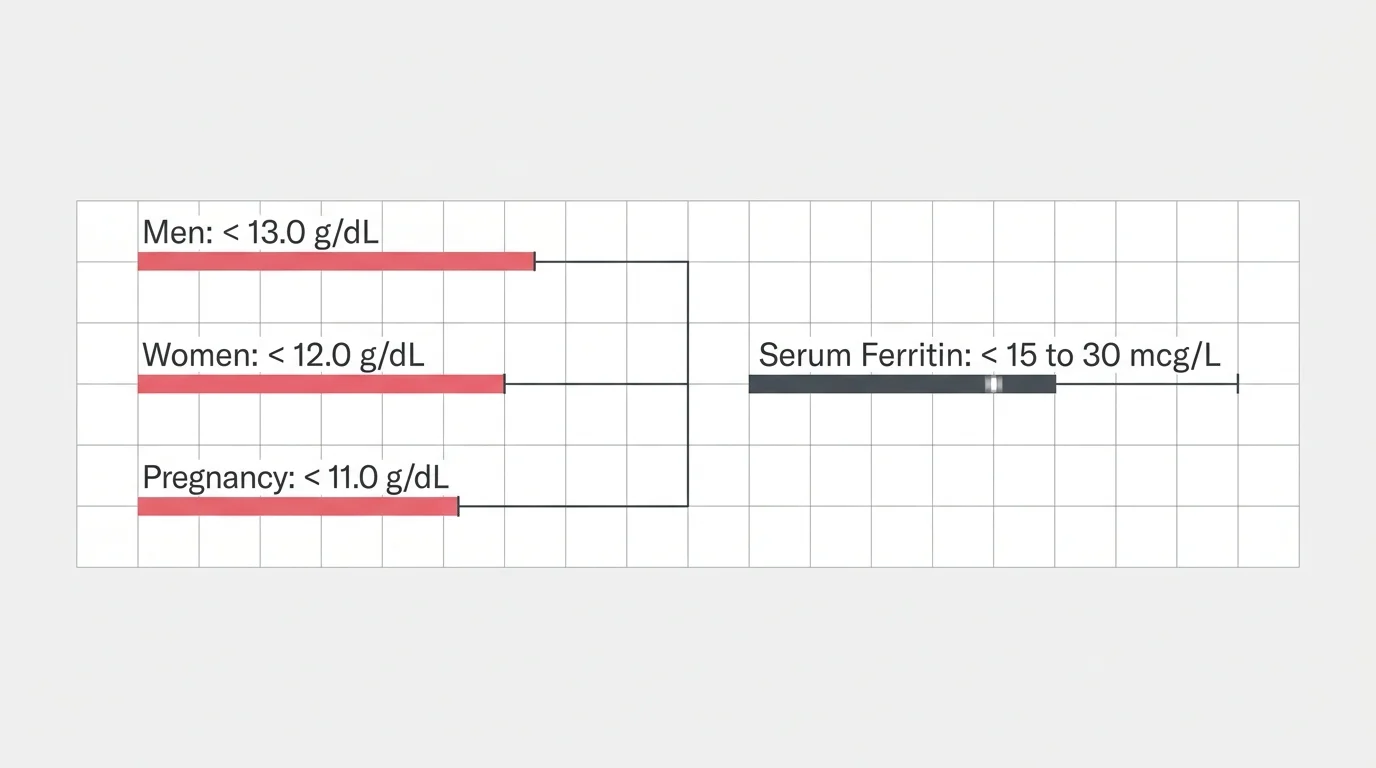
Clinicians establish an anemia diagnosis when hemoglobin measures below 13.0 grams per deciliter (g/dL) in adult men, below 12.0 g/dL in non-pregnant adult women, or below 11.0 g/dL during pregnancy. However, systemic iron depletion often produces debilitating symptoms long before circulating hemoglobin drops below standard laboratory thresholds. Physicians assess serum ferritin to measure your deep tissue iron stores; a ferritin reading under 15 to 30 micrograms per liter (mcg/L) confirms depleted iron stores in healthy adults. When systemic inflammation is present, clinicians use cutoffs between 70 and 100 mcg/L, because ferritin acts as an acute-phase reactant that rises independently of actual iron availability.

Nine Signs of Anemia People Mistake for Exhaustion
1. Compulsive Ice Chewing and Non-Nutritive Cravings (Pagophagia)
An irresistible urge to crunch on ice cubes, freezer frost, or even inedible items like cornstarch, chalk, or clay indicates a condition known as pica. When focused specifically on ice, doctors term this behavior pagophagia—a hallmark indicator of advanced iron deficiency. Medical researchers suggest that chewing cold ice stimulates cerebral blood flow, temporarily counteracting the mental fog and sluggishness caused by inadequate oxygen delivery to brain tissue.
2. Chronically Cold Hands and Feet
If your fingers and toes feel perpetually frozen regardless of room temperature, your circulatory system may be compensating for low hemoglobin. Your autonomic nervous system responds to depleted oxygen-carrying capacity by inducing peripheral vasoconstriction. This physiological mechanism narrows microvascular blood vessels in your limbs to shunt vital, oxygen-rich blood toward your heart, lungs, and brain, leaving your extremities uncomfortably cold.
3. Restless Legs Syndrome and Nighttime Agitation
A persistent, uncomfortable urge to shake or move your legs in the evening often stems from depleted central nervous system iron rather than simple physical fatigue. Iron serves as an essential enzymatic cofactor for dopamine production within the brain. When cerebral iron stores plummet, dopamine signaling pathways falter; this neurological disruption triggers the involuntary sensations, crawling feelings, and muscle twitches characteristic of restless legs syndrome.
4. Sudden Shortness of Breath and Air Hunger
Becoming winded after climbing a standard flight of stairs, carrying a laundry basket, or walking at a moderate pace is rarely just a sign of being out of shape. Your lungs may inhale normal volumes of air, but without sufficient red blood cells to bind that oxygen, your muscles starve during physical effort. Your respiratory center compensates by initiating rapid, shallow breathing to force oxygen uptake, creating a distinct sensation of air hunger.
5. Heart Palpitations and a Bounding Pulse
When each milliliter of circulating blood carries reduced oxygen, your cardiovascular system must work significantly harder to keep organs functioning. Your heart responds by contracting more forcefully and accelerating its resting rhythm; this compensatory response manifests as fluttering sensations, skipped beats, or an audible pounding in your ears. While people frequently blame caffeine or stress, sustained anemia creates genuine hemodynamic strain on heart muscle.
6. Brittle, Peeling, or Spoon-Shaped Nails (Koilonychia)
Dermatological changes offer observable visual evidence of prolonged cellular oxygen and micronutrient deficits. In early stages of iron deficiency, your fingernails become soft, fragile, and prone to vertical splitting or peeling along the edges. Over extended periods without treatment, the center of the nail bed can invert into a concave, scoop-like depression known clinically as koilonychia or spoon nails, reflecting impaired keratin formation in rapidly dividing cells.
7. Persistent Headaches and Dense Brain Fog
Inadequate oxygenation prompts cerebral blood vessels to swell in a desperate effort to increase local circulation, which frequently produces persistent, dull vascular headaches. At the same time, oxygen-deprived neural tissues struggle to generate cellular adenosine triphosphate (ATP), resulting in memory lapses, poor concentration, and pervasive brain fog. Many individuals assume their mental sluggishness reflects poor sleep quality, overlooking the underlying hematologic cause.
8. A Swollen, Abnormally Smooth Tongue and Mouth Cracks
Low iron and associated micronutrient shortages severely compromise mucosal tissue integrity throughout your oral cavity. A condition called atrophic glossitis causes the tiny papillae covering your tongue to shrink and disappear, leaving the surface visibly inflamed, tender, and unusually smooth. Additionally, you may experience angular cheilitis—painful cracking, erythema, and ulceration at the corners of your mouth that stubborn lip balms fail to heal.
9. Pale Inner Eyelids and Sallow Skin Undertones
Hemoglobin provides arterial blood with its deep red hue, creating the rosy undertone visible in healthy skin, nail beds, and mucous membranes. As hemoglobin levels decrease, this vascular coloration washes out. Medical providers assess this by gently pulling down the lower eyelid to inspect the palpebral conjunctiva; a pale pink or stark white lining instead of a bright vascular red indicates significant hemoglobin deficiency requiring immediate testing.
Actionable Pillars to Rebuild Your Oxygen Reserves
Correcting anemia requires a methodical, evidence-based approach rather than random self-supplementation. By combining targeted nutritional adjustments, precise laboratory testing, and adaptive daily pacing, you can safely restore your red blood cell volume and reclaim sustainable energy.
Pillar 1: Strategic Nutrition and Bioavailability Optimization
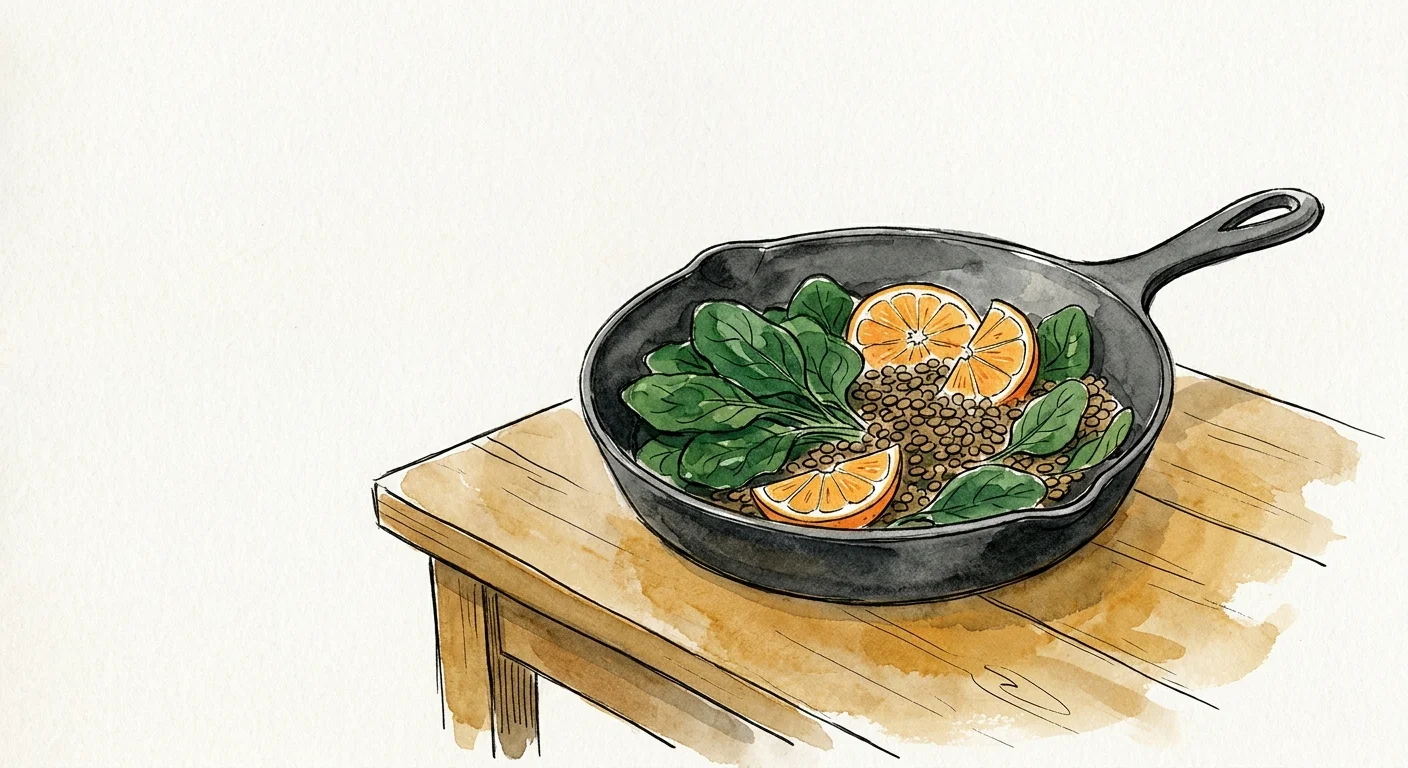
According to the National Institutes of Health iron fact sheet, daily recommended dietary allowances for iron are 18 milligrams for premenopausal women, 27 milligrams during pregnancy, and 8 milligrams for adult men and postmenopausal women. Vegetarians and vegans need approximately 1.8 times more dietary iron because non-heme iron from plant sources possesses lower bioavailability than animal-derived heme iron. You can double or triple non-heme absorption by pairing iron-rich foods—such as lentils, pumpkin seeds, and dark leafy greens—with ascorbic acid (vitamin C) from citrus, bell peppers, or broccoli. Simultaneously, avoid consuming iron blockers, such as calcium supplements, dairy products, coffee, and black tea, within two hours of your iron-dense meals.
Pillar 2: Diagnostic Precision and Medical Partnership
Never initiate high-dose iron supplementation without explicit laboratory confirmation and medical supervision. Excess iron accumulates in internal organs such as the liver and heart, causing cellular toxicity and potentially masking genetic conditions like hemochromatosis. Ask your physician to order a complete blood count (CBC), serum ferritin, total iron-binding capacity (TIBC), and transferrin saturation. This full diagnostic panel distinguishes simple nutritional iron deficiency from chronic inflammatory anemia, vitamin B12 malabsorption, or occult gastrointestinal bleeding that requires specialized evaluation.
Pillar 3: Adaptive Movement and Pacing
Pushing through high-intensity cardiovascular training while your red blood cell count remains depressed places severe oxidative strain on your heart. Modify your physical activity by prioritizing gentle walks, restorative mobility work, and light resistance training while your lab values normalize. Monitor your resting pulse rate and listen to your body; if you develop dizziness, chest heaviness, or breathlessness, stop immediately and rest.

What Hematology Experts Want You to Know
Clinical specialists emphasize that replenishing your blood requires patience and rigorous root-cause identification. As outlined in American Society of Hematology guidance, treating anemia requires identifying why blood or iron was lost in the first place. In adult men and postmenopausal women, unexplained iron deficiency mandates gastrointestinal screening to rule out ulcers, celiac disease, or vascular lesions. For menstruating women, heavy menstrual cycles represent the primary driver, requiring coordinated care between gynecologists and primary care clinicians. Furthermore, oral iron therapy requires two to three weeks to boost circulating hemoglobin and three to six full months of consistent intake to replenish depleted tissue ferritin stores.
Frequently Asked Questions About Anemia
Can you have severe iron deficiency without an abnormal hemoglobin count?
Yes, this condition is known as non-anemic iron deficiency. Your body depletes its bone marrow and liver ferritin storage pools long before circulating hemoglobin production drops significantly. You can experience severe neurological fatigue, restless legs, hair shedding, and brain fog while your standard complete blood count appears completely normal, making serum ferritin testing essential.
How quickly do symptoms improve once you begin treatment?
Symptom relief follows a clear physiological timeline. Many individuals notice improvements in breathing, heart rate, and mental clarity within two to three weeks as new red blood cells enter the bloodstream. However, fully restoring muscle endurance, repairing brittle nails, and rebuilding your serum ferritin reserves typically requires three to six months of consistent therapy.
Why do coffee and tea interfere with iron absorption?
Coffee and tea contain dense concentrations of tannins and chlorogenic acids, which are polyphenol compounds that bind tightly to non-heme iron molecules within your digestive tract. This chemical bond forms insoluble complexes that your intestinal wall cannot absorb. Consuming these beverages at least two hours away from iron-rich meals minimizes this inhibitory effect.
When does anemia require emergency medical evaluation?
Seek immediate emergency medical care if you experience chest pain, a rapid or irregular heartbeat accompanied by shortness of breath at rest, sudden fainting, severe dizziness upon standing, or evidence of acute internal bleeding such as black, tarry stools or vomiting blood. These acute red-flag symptoms indicate severe hemodynamic compromise requiring urgent intervention.
Taking Your Next Step Toward Restored Vitality
Living in a state of chronic depletion is neither normal nor something you must simply endure. Take a moment to reflect on your daily physical experience: have you noticed cold fingertips, subtle breathlessness, or unusual cravings alongside your low energy? Your most empowering immediate action is to contact your healthcare provider and request a comprehensive blood panel that includes serum ferritin. By addressing the root cause of your fatigue with targeted medical guidance, you can provide your body with the cellular fuel it needs to thrive.





Leave a Reply