

Taking daily prescriptions or over-the-counter remedies often resolves immediate discomfort, yet pharmaceutical treatments can easily disguise critical signals that your body relies on to alert you to deeper physiological imbalances. When a medication dulls pain, suppresses inflammation, or artificially alters vital signs, underlying conditions can quietly progress without your knowledge. Identifying when medication hides warning signs empowers you to address root causes before minor health issues escalate into complex medical challenges. By learning to recognize subtle physiological shifts and conducting structured drug reviews with your healthcare provider, you safeguard your long-term well-being while ensuring every drug in your regimen serves a genuine therapeutic purpose.
The Science Behind Medication-Masked Symptoms
Pharmaceutical drugs function by altering biochemical pathways, blocking cell receptors, or inhibiting specific liver clearance enzymes. While these targeted actions effectively suppress troubling symptoms, they can also silence your body’s natural diagnostic signaling systems. Research published by the National Institutes of Health demonstrates that polypharmacy—the simultaneous use of five or more medications—dramatically increases the likelihood of masked symptoms, altered drug clearance, and overlooked adverse interactions. When one drug artificially normalizes a biological marker, it can obscure progressive tissue damage or metabolic stress in another organ system.
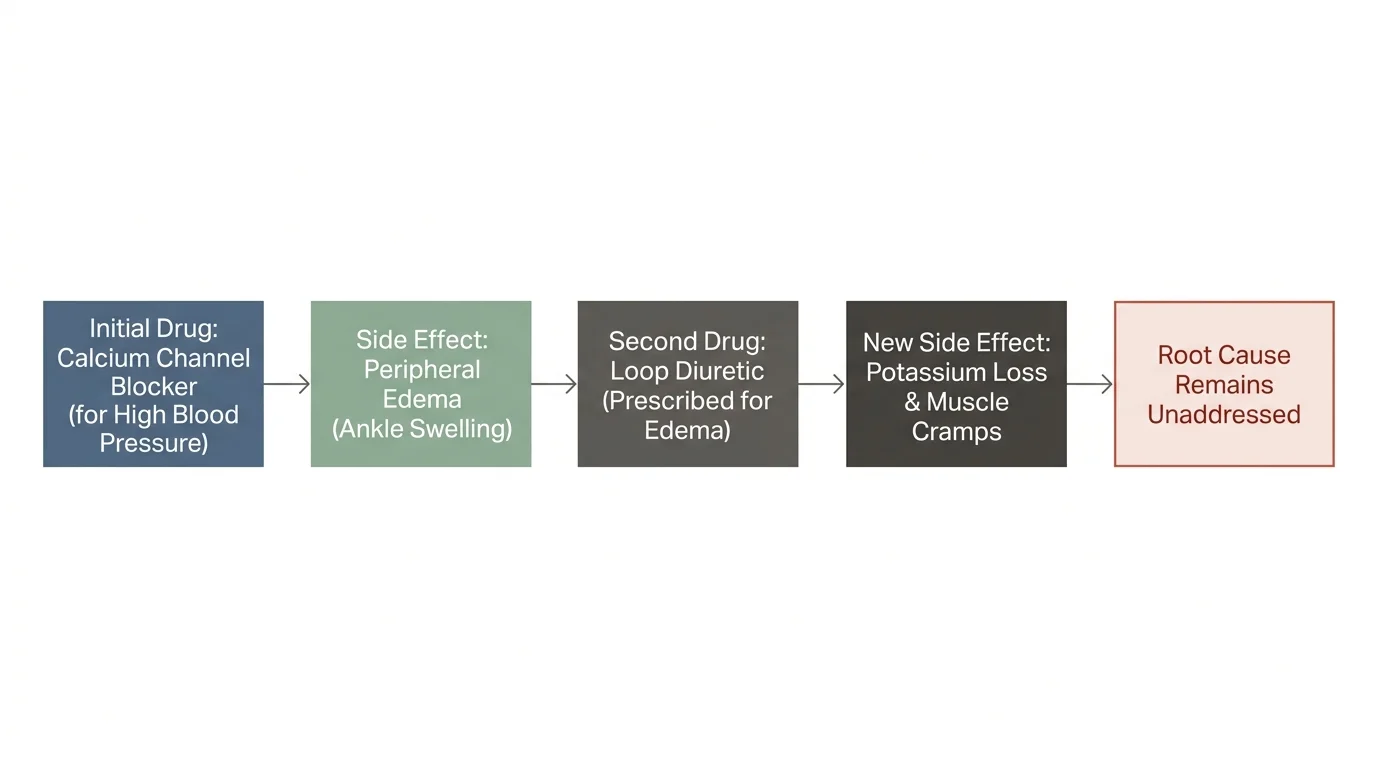
A frequent biological consequence of suppressed symptoms is the prescribing cascade. This feedback trap occurs when a healthcare provider misinterprets a drug side effect as a brand-new, independent medical condition, subsequently prescribing a second pharmaceutical agent to manage it. For example, a patient taking a calcium channel blocker for high blood pressure may develop peripheral edema in their ankles. If the clinician misidentifies this fluid retention as early heart failure rather than an adverse drug effect, they might prescribe a loop diuretic. The diuretic can subsequently cause potassium loss and muscle cramps, prompting a prescription for electrolyte supplements. Primary health signals remain buried beneath multiple therapeutic layers, leaving the original physiological trigger entirely unaddressed.

9 Signs Your Medication May Be Masking Underlying Symptoms
Recognizing signs a medication is masking symptoms requires consistent self-observation, intentional symptom logging, and an understanding of basic clinical pharmacology. The following nine warning indicators suggest your current regimen may be disguising deeper health issues.
1. Severe Rebound Discomfort When Missing a Single Dose
If skipping or delaying a single dose triggers an immediate, severe return of symptoms, your medication may be suppressing active pathology rather than resolving it. Proton pump inhibitors used for acid reflux offer a clear example; stopping them abruptly causes rebound acid hypersecretion that feels significantly worse than the original heartburn. This sudden flare often indicates that underlying gastrointestinal dysbiosis, bacterial overgrowth, or mucosal tissue erosion remain unresolved beneath the chemical suppression.
2. Creeping Biomarker Changes During Routine Bloodwork
Standard diagnostic blood panels frequently show metabolic shifts long before physical symptoms surface. If your fasting blood glucose, liver transaminases, or serum creatinine steadily climb while you feel completely fine, your medication side effects hiding symptoms might be masking organ stress. Chronic corticosteroid therapy, for instance, frequently induces covert systemic insulin resistance while simultaneously suppressing the overt inflammatory signals that would otherwise prompt diagnostic investigation.
3. Unexplained Fatigue That Persists Despite Adequate Rest
Persistent exhaustion often indicates that a drug is muting key endocrine or neurological feedback loops. Common prescriptions like non-selective beta-blockers, sedating antihistamines, and central nervous system modulators blunt natural stress responses and alter restorative sleep architecture. This chemical dampening frequently hides underlying medical conditions such as obstructive sleep apnea, subclinical hypothyroidism, or chronic viral reactivations.
4. Digestive Flares Shielded by Daily Acid Suppressants
Relying continuously on daily over-the-counter antacids, H2 blockers, or proton pump inhibitors masks critical upper gastrointestinal distress. Clinical research cited by the Centers for Disease Control and Prevention indicates that chronic acid suppression can mask Helicobacter pylori infections, severe biliary dysfunction, or early gastric mucosal lesions. Dulling stomach acid prevents conscious pain; however, it simultaneously impairs protein digestion and mineral absorption.
5. Blunted Cardiovascular Warning Signs During Exercise
Cardiovascular drugs—including beta-blockers, calcium channel blockers, and antiarrhythmics—exert direct control over heart rate and blood pressure responses. While effective for symptom management, this artificially flattened response can obscure vital cardiac warning signals during physical exertion. You might not experience expected exertional tightness, atypical shortness of breath, or heart rate spikes that typically alert individuals to progressive coronary artery disease.
6. Persistent Skin Flares Controlled Only by High-Dose Steroids
Dermatological issues like eczema, severe psoriasis, or chronic hives rarely originate within the skin alone; they usually reflect systemic immune activity, intestinal permeability, or environmental toxicity. Continually applying strong topical corticosteroids shuts down local cutaneous inflammatory pathways, rendering the skin temporarily clear. However, this approach masks ongoing systemic immune activation, allowing underlying gut barrier breakdown or chronic auto-inflammatory triggers to advance unnoticed.
7. Subtle Cognitive Shifts Attributed Entirely to Normal Aging
Progressive memory lapses, slow processing speed, and persistent brain fog are easily brushed off as natural consequences of aging. In reality, pharmaceuticals with high anticholinergic properties—such as prescription sleep aids, muscle relaxants, bladder control drugs, and older antihistamines—inhibit acetylcholine, a critical neurotransmitter for memory formation. This drug-induced cognitive cloud masks early neurodegenerative changes or treatable metabolic deficiencies like vitamin B12 malabsorption.
8. Temperature Dysregulation and Suppressed Low-Grade Fevers
Fever serves as your immune system’s primary alarm system, signaling active infection or tissue inflammation. Daily consumption of nonsteroidal anti-inflammatory drugs (NSAIDs) or acetaminophen continuously suppresses hypothalamic temperature regulation. Consequently, chronic use of these non-prescription analgesics can mask low-grade systemic bacterial infections, autoimmune flares, or localized tissue necrosis that would otherwise trigger diagnostic evaluation through periodic temperature spikes.
9. The Escalating Dosage Trap
When you consistently require higher dosages or stronger pharmacological agents to maintain basic symptom control, your therapy may be acting as a temporary dam against worsening disease. Escalating doses without a thorough diagnostic reassessment suggests that the drug is merely muting the volume of the symptom while the root physiological driver grows increasingly active behind the scenes.

Strategy Pillars: How to Uncover Suppressed Health Signals Safely
Restoring clarity to your health profile requires a structured, multi-system approach that prioritizes patient safety above all else. Never adjust prescription dosages or discontinue medications independently; abrupt changes can provoke severe rebound effects, dangerous withdrawal spikes, or acute organ strain.
Medical Care: Conducting Comprehensive Medication Audits
Schedule a dedicated appointment with your primary care provider or a clinical pharmacist specifically to audit your entire drug regimen. Bring every prescription bottle, over-the-counter remedy, herbal supplement, and topical cream you use. Ask your clinician to evaluate each product for drug interactions masking illness, prescribing cascades, and therapeutic redundancies. The World Health Organization highlights structured medication reconciliation as one of the most effective strategies for preventing drug-related adverse events and unmasking hidden clinical issues.
Nutrition and Hydration: Restoring Drug-Depleted Pathways
Pharmaceutical therapies frequently alter nutrient absorption, cellular transport, and metabolic excretion. Long-term metformin use diminishes vitamin B12 levels, statins deplete vital coenzyme Q10 reserves, and common loop diuretics wash away essential intracellular magnesium and potassium. Working alongside a registered dietitian nutritionist allows you to replenish these key nutrients through whole foods and targeted supplementation, resolving secondary deficiency symptoms that might otherwise be misdiagnosed as progressive disease.
Mindset and Tracking: Becoming a Conscious Health Observer
Cultivate an observational mindset by maintaining a detailed daily health journal. Record exact medication dosages, administration timing, meal composition, physical activity levels, sleep quality, and physical sensations. Compiling detailed observational data over several weeks provides your medical team with clear clinical patterns; this concrete evidence makes it far easier to distinguish between true disease symptoms and medication-induced side effects.

Real Voices: Clinical Perspectives on Prescribing Cascades
Practicing healthcare professionals regularly encounter the challenges of symptom suppression in clinical settings. Dr. Marcus Vance, a board-certified geriatric physician, explains that many complex symptom presentations in long-term care stem directly from drug interactions rather than new pathology. He notes that when clinicians take time to systematically simplify a patient’s drug regimen through evidence-based deprescribing, patients frequently report dramatic improvements in energy, mental clarity, and digestion without needing additional drugs. Similarly, clinical pharmacist Dr. Sarah Lin emphasizes that patients should view pharmacists as key partners in unmasking hidden symptoms, as pharmacists excel at identifying subtle drug interactions that brief clinical visits might overlook.
Frequently Asked Questions
What is a prescribing cascade, and how can I identify it?
A prescribing cascade occurs when a healthcare provider mistakes a medication side effect for a brand-new medical condition and prescribes an additional drug to treat it. You can identify potential cascades by reviewing your medical timeline; if a fresh symptom appeared shortly after starting a new prescription, discuss this potential connection with your doctor before starting another drug.
Can over-the-counter pain relievers mask serious health conditions?
Yes, daily use of over-the-counter pain relievers like ibuprofen, naproxen, or acetaminophen can obscure serious medical issues. Regular analgesic consumption can hide progressive joint damage, internal gastrointestinal bleeding, chronic kidney disease, or early autoimmune conditions. Consult guidance from reputable institutions like the Mayo Clinic regarding safe limits for non-prescription pain management.
Is it safe to stop taking my medication if I suspect it masks my symptoms?
You should never stop taking a prescription drug abruptly. Suddenly discontinuing medications like beta-blockers, corticosteroids, or psychiatric treatments can induce dangerous rebound effects, severe organ strain, or withdrawal complications. Always work with your prescribing physician to design a safe, gradual tapering protocol tailored to your physiology.
How often should I request a comprehensive medication review?
Request a comprehensive medication review at least once per year, or immediately following any significant change in your health status, hospital discharge, or new diagnosis. Regular reviews ensure every treatment remains necessary, safe, and aligned with your personal long-term health goals.
Take Your First Step Toward Symptom Clarity
Uncovering masked symptoms requires patience, steady observational tracking, and open collaboration with your healthcare team. Your most impactful first step today is compiling a complete, accurate list of every medication, supplement, and over-the-counter remedy you currently take. Educational tools from MedlinePlus offer helpful guidance for organizing your personal health history effectively before your next medical appointment.
Take a quiet moment to reflect: Which persistent physical symptom in your life might actually be your body trying to send a vital message through a blanket of daily medication?








Leave a Reply