

You expect relief when you finish urinating, but walking away with lingering pressure signals a hidden retention issue. Overlooking incomplete bladder emptying can quietly strain your urinary tract and disrupt daily productivity.
A healthy adult bladder holds 300 to 500 milliliters of fluid and expels it smoothly. When urine stays trapped behind, your body sends subtle warning signals that deserve immediate attention.
Recognizing these red flags early prevents chronic kidney stress, recurrent infections, and long-term tissue stretching. Here is what you need to know about spotting urinary retention symptoms and restoring natural bladder function.
Understanding Incomplete Bladder Emptying
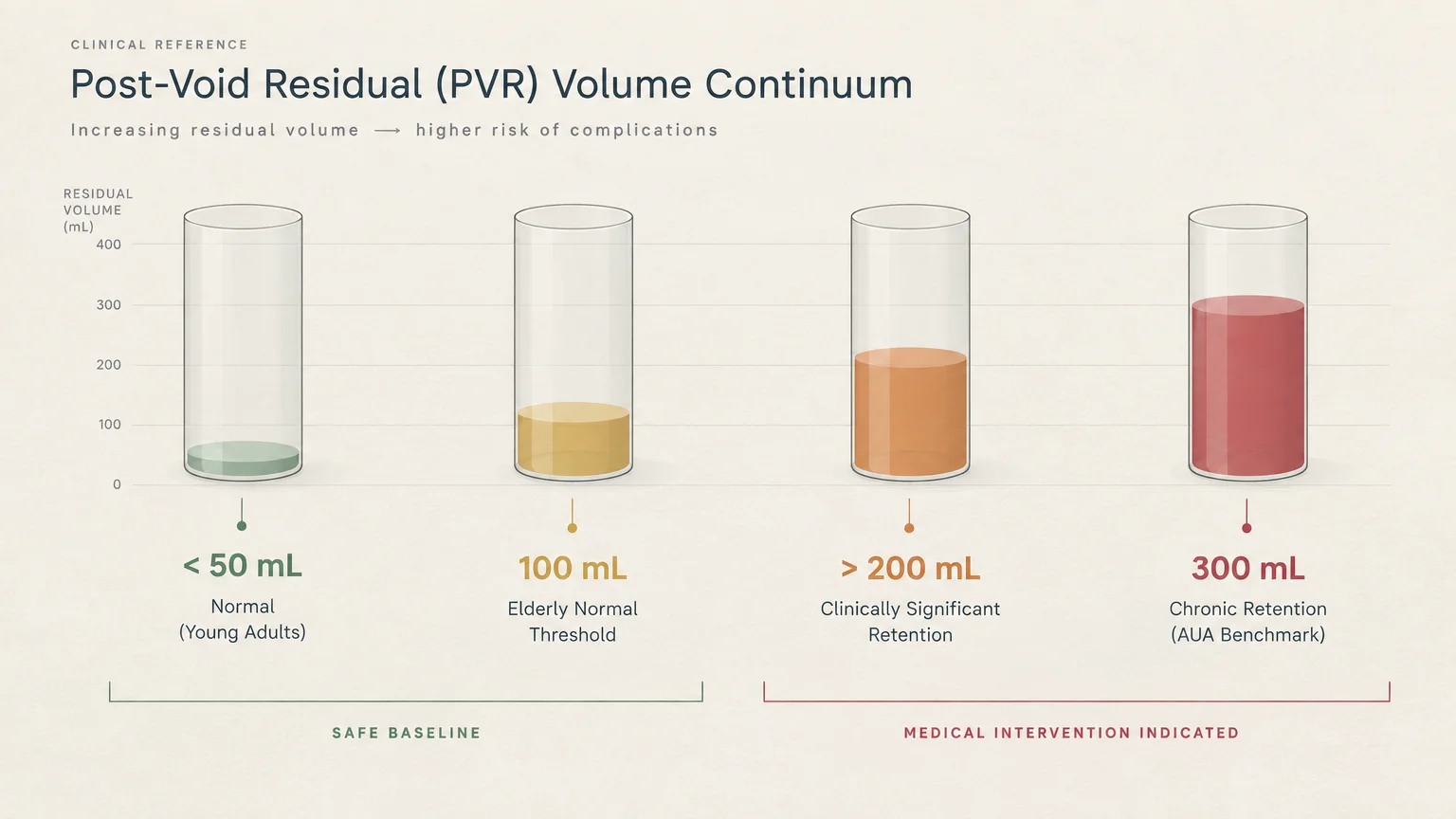
Urologists assess urinary retention by measuring your post-void residual, or PVR volume. This metric calculates the exact amount of urine remaining inside your bladder immediately after you finish voiding.
A residual volume under 50 milliliters is normal for healthy young adults; adults aged 65 and older routinely clear up to 100 milliliters without issue.
When your residual volume consistently exceeds 100 milliliters, medical providers investigate potential underlying drainage impairments. A volume greater than 200 milliliters signals clinically significant retention requiring intervention.
The American Urological Association defines chronic urinary retention as a persistent residual volume of 300 milliliters or more across at least two visits over six months.
Ignoring trapped fluid allows bacteria to multiply and weakens the detrusor muscle that contracts your bladder walls. Over time, elevated pressure can even back up into your ureters and kidneys.
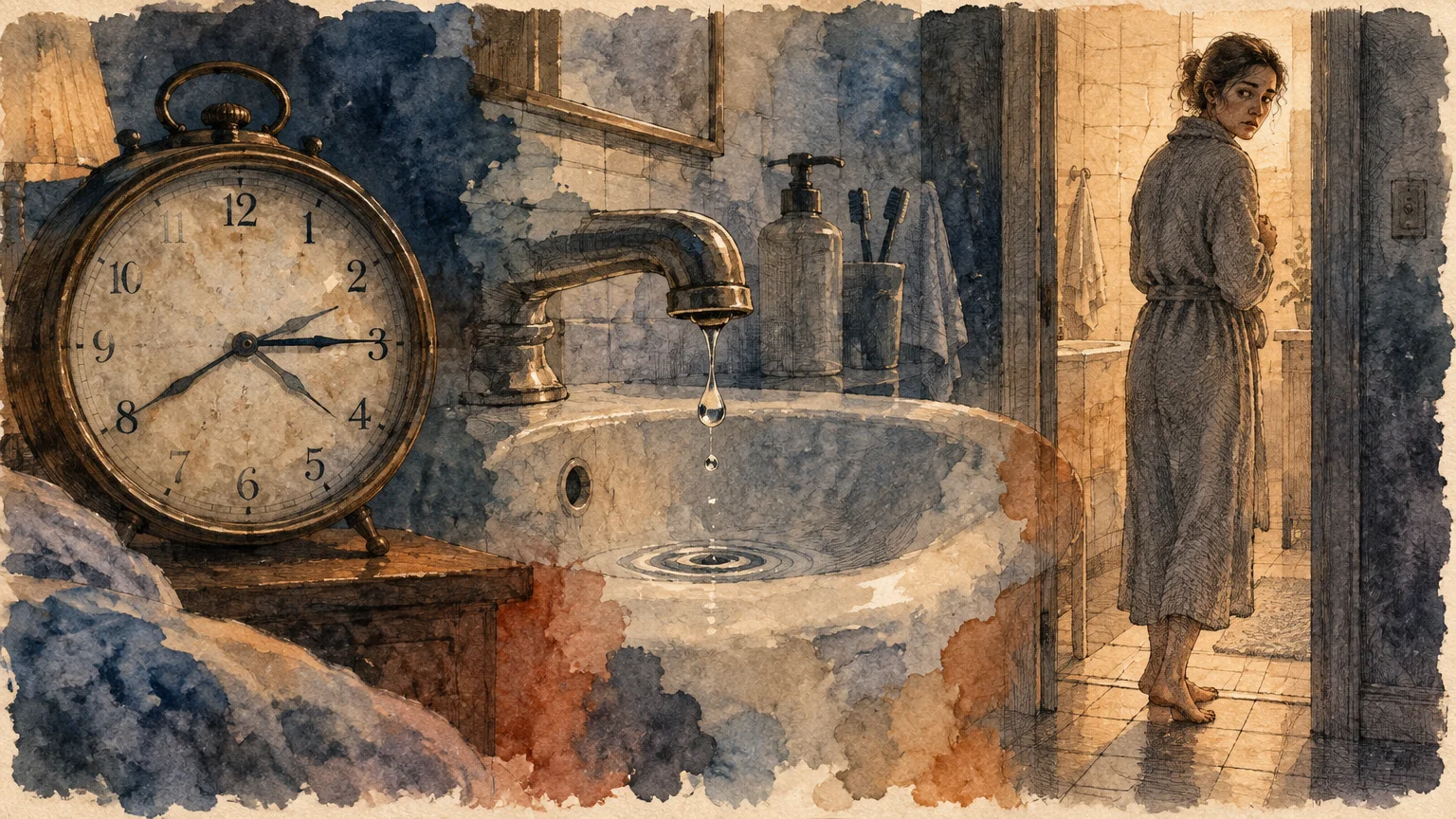
Recognizing the 8 Signs of Incomplete Emptying
Urinary retention rarely strikes overnight without warning. Paying close attention to your daily voiding pattern reveals whether your bladder is emptying effectively.
1. A Weak or Hesitant Urine Stream
A robust, steady stream indicates that your bladder muscle contracts efficiently while your pelvic floor relaxes completely. If your stream starts sluggishly, pauses repeatedly, or sputters out, you may have an outflow obstruction.
Clinicians call this urinary hesitancy; it forces you to wait several seconds before fluid begins to emerge. It often indicates that physical resistance is blocking your urethral opening.
2. The Need to Double Void
Do you wash your hands, step out of the restroom, and immediately feel the urge to turn back? This phenomenon, known as double voiding, points directly to retained urine.
Because the initial void clears only a portion of the total volume, your sensory nerves trigger another evacuation reflex within minutes. Healthy bladders remain comfortably empty for two to four hours between visits.
3. Involuntary Post-Void Dribbling
Leaking several drops or a small trickle into your underwear right after leaving the toilet can feel frustrating. This involuntary leakage occurs because stagnant fluid pools in the urethral canal after the detrusor stops contracting.
Unlike stress incontinence caused by coughing or laughing, post-void dribbling happens passively as you stand up or bend forward. It reveals that the urinary channel failed to clear its contents entirely.
4. Frequent Nighttime Awakenings
The International Continence Society defines nocturia as waking one or more times each night to urinate. Waking twice or more every night severely impairs restorative sleep and daytime cognitive performance.
When your bladder never clears its baseline reservoir during the day, it hits capacity much sooner overnight. The residual volume robs you of normal physiological holding space while you rest.
5. Lower Abdominal Heaviness or Pelvic Fullness
You should feel physical lightness and comfort in your lower pelvis after finishing on the toilet. A persistent dull ache or sensation of pressure above your pubic bone indicates trapped volume.
As stagnant urine stretches the elastic bladder walls beyond their typical 300 to 500 milliliter capacity, visceral stretch receptors fire continuously. This constant sensory feedback registers as vague, chronic discomfort.
6. Straining or Changing Body Positions to Finish
Urination should occur effortlessly without bearing down, rocking your pelvis, or pressing your lower abdomen. If you must grunt or tense your abdominal wall, you are using secondary muscles to compensate.
Physical maneuvers may temporarily squeeze out extra drops, but chronic straining elevates intra-abdominal pressure. This excessive force damages your pelvic floor tissues and exacerbates long-term emptying problems.
7. Recurrent Urinary Tract Infections
Flushing urine down the urethra serves as your body’s primary defense mechanism against bacterial colonization. When urine sits stagnant for hours, microbes rapidly multiply within the warm, nutrient-rich environment.
The Centers for Disease Control and Prevention notes that incomplete drainage significantly escalates your risk for persistent bladder infections. The National Institute of Diabetes and Digestive and Kidney Diseases also highlights recurrent infections as a hallmark warning sign.
8. Overflow Incontinence and Diminished Sensation
Advanced chronic retention can paradoxically desensitize your bladder over time. When overstretched muscle fibers lose their normal tone, you may stop sensing the natural urge to void altogether.
Once bladder capacity surpasses critical thresholds, the internal pressure simply overcomes urethral resistance. Urine then spills out uncontrollably in small spurts, which clinicians designate as overflow incontinence.
Common Causes of Incomplete Emptying
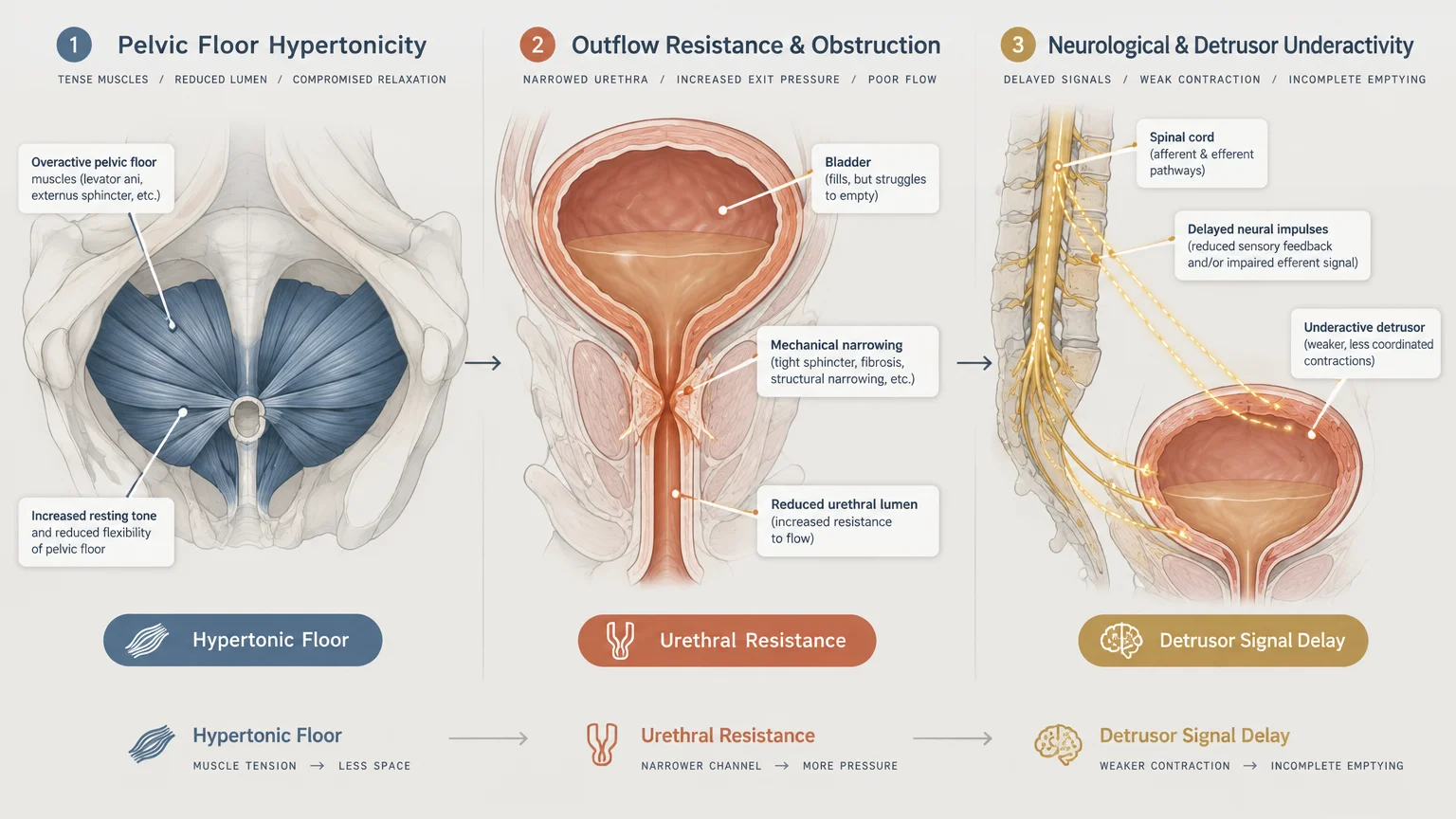
Drainage issues typically originate from mechanical blockages, neurological signal miscommunications, or pelvic floor muscle dyssynergia. Identifying the root trigger ensures you pursue targeted and effective treatment.
In men, benign prostatic hyperplasia, or BPH, accounts for roughly 53 percent of all urinary retention cases. An enlarging prostate compresses the prostatic urethra, impeding the outward flow of fluid.
Data indicates that BPH affects half of all men in their 50s and up to 90 percent of men over 80. Approximately 10 percent of men in their 70s experience sudden acute retention within five years.
In women, pelvic organ prolapse frequently drives mechanical obstruction. Prolapse impacts up to 50 percent of parous women, causing the bladder or uterus to descend and kink the urethra.
Neurological conditions like multiple sclerosis, diabetic neuropathy, or spinal disc herniation also disrupt normal signaling. When nerves fail to coordinate detrusor contraction with sphincter relaxation, retention develops rapidly.
Practical Pillars for Restoring Bladder Function
Supporting your urinary system requires a multifaceted approach blending physical mechanics, daily habits, and professional guidance. You can implement several sustainable adjustments immediately.
Pillar 1: Optimize Voiding Posture and Mechanics
Your posture on the toilet directly influences pelvic floor muscle relaxation. Perching or hovering above the toilet seat keeps your pelvic diaphragm contracted, which obstructs natural bladder drainage.
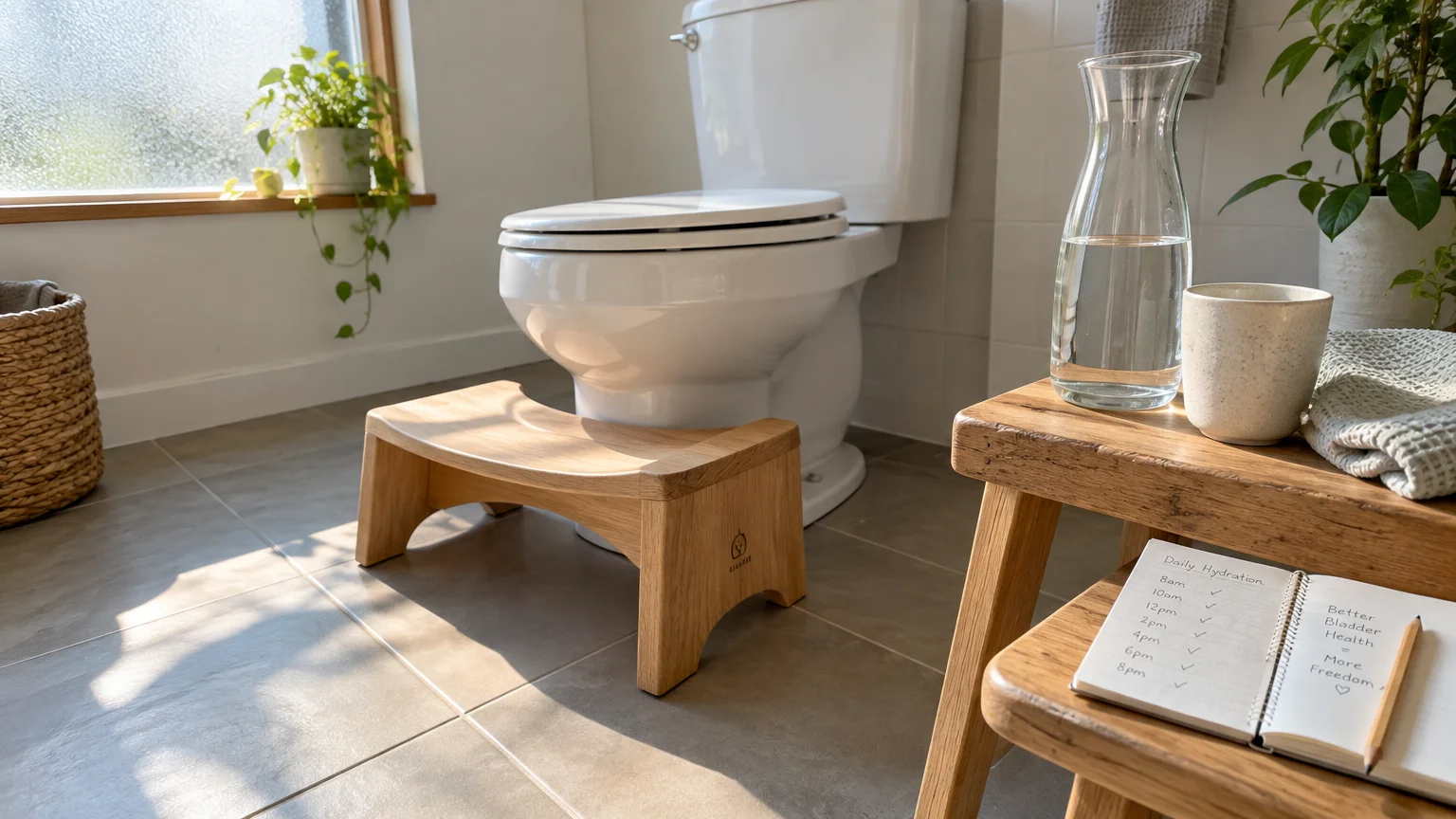
Sit completely on the seat with your feet flat on the floor or elevated on a footstool. Leaning forward slightly with your forearms on your thighs helps your pelvic sling open effortlessly.
Practice timed double voiding if your doctor recommends it. After urinating, stand up, take three deep diaphragmatic breaths, sit down again, and allow residual fluid to release without pushing.
Pillar 2: Strategic Hydration and Digestive Health
Many people restrict fluid intake when facing urinary difficulties, but dehydration actually worsens the issue. Concentrated urine irritates the sensitive bladder lining, triggering spasms and premature sensations of urgency.
Aim for consistent, moderate sips of plain water throughout the day rather than chugging large volumes at once. Spread your fluid intake evenly across your active waking hours.
Minimize bladder irritants such as alcohol, caffeinated beverages, artificial sweeteners, and heavily spiced dishes. These compounds inflame the detrusor muscle and can aggravate underlying pelvic floor tension.
Preventing constipation is equally crucial for bladder emptying. Because the rectum lies directly behind the bladder, hard stool physically compresses your bladder neck and blocks fluid transit.
Pillar 3: Targeted Pelvic Floor Therapy
Many individuals assume bladder symptoms demand aggressive Kegel exercises, but strengthening an already tight pelvic floor worsens retention. Hypertonic pelvic floor muscles cannot relax sufficiently to let urine escape.
Consult a certified pelvic floor physical therapist through the American Physical Therapy Association to assess your muscle tone accurately. A therapist teaches down-training techniques that release pelvic tension safely.
Diaphragmatic breathing directly down-regulates a hyperactive pelvic floor. When you inhale deeply into your belly, your diaphragm drops and your pelvic floor naturally descends and expands.
Pillar 4: Comprehensive Medical Evaluation
Schedule a thorough consultation with a urologist or urogynecologist to measure your baseline residual volume objectively. Diagnostic tools like non-invasive bladder ultrasound scans evaluate your retention levels within seconds.
Physicians can prescribe targeted medications, such as alpha-blockers, to relax smooth muscle fibers around the prostate and bladder neck. These drugs noticeably improve flow rate and reduce residual volumes.
For anatomical obstructions, minor surgical procedures can remove blocking tissue or correct prolapsed pelvic structures. Never ignore persistent symptoms; untreated obstruction can cause permanent bladder wall remodeling.

When Incomplete Emptying Becomes an Emergency
While chronic retention develops gradually, acute urinary retention occurs suddenly and demands urgent emergency intervention. If you experience intense lower abdominal pain alongside an absolute inability to pass urine, seek immediate care.
Emergency departments utilize ultrasound imaging to assess bladder fullness rapidly. Protocols typically trigger immediate catheter decompression when retained urine reaches 500 milliliters or higher.
Rapid decompression relieves agonizing pressure, protects your kidneys from retrograde hydrostatic damage, and prevents bladder rupture. Keep this crucial distinction in mind as you monitor your symptoms.

Clinical Insights on Bladder Rehabilitation
Dr. Patricia Vance, a board-certified urogynecologist, notes that patients routinely accommodate urinary retention for years before seeking help. She emphasizes that adapting to slow flow or frequent nighttime waking delays essential treatment.
In her clinical practice, addressing retention early preserves detrusor muscle elasticity and prevents irreversible nerve damage. Patients who combine behavioral retraining with medical guidance frequently regain full, comfortable bladder clearance.
Lived experience confirms this encouraging reality. Mark, a 62-year-old educator diagnosed with chronic retention, avoided surgery through pelvic floor physical therapy and targeted medication.
He reports that learning how to relax his pelvic floor eliminated his nighttime waking completely. Today, he voids comfortably without straining or anxiety.
Frequently Asked Questions
How many times should a healthy adult urinate each day?
Most healthy adults void between four and eight times across a normal 24-hour cycle. Voiding significantly more or less often can indicate fluid intake imbalances, hyperactive bladder muscles, or incomplete emptying.
Can stress and anxiety cause urinary retention?
Yes, psychological stress activates your sympathetic nervous system, commonly known as the fight-or-flight response. This systemic arousal involuntarily tightens your external urethral sphincter and pelvic floor, hindering natural voiding.
Do Kegel exercises help if my bladder will not empty?
Not necessarily; Kegels can actually aggravate urinary retention if tight, hypertonic muscles are causing your blockage. You should consult a pelvic floor physical therapist before starting repetitive pelvic contractions.
What diagnostic tests will a urologist perform?
A specialist typically performs a post-void residual ultrasound, a comprehensive urinalysis, and uroflowmetry to measure flow speed. Complex presentations may also require urodynamic testing or a gentle cystoscopy.
Taking Your First Manageable Step
Restoring effortless bladder emptying begins with systematic observation rather than drastic lifestyle changes. Start by keeping a simple 48-hour voiding log to track your fluid intake, restroom frequency, and bodily sensations.
Reflect on how your current bathroom habits impact your comfort, sleep quality, and peace of mind throughout the day. Share these precise notes with your healthcare provider to design a tailored recovery plan.
You deserve to live without constant pelvic fullness, interrupted nights, or the stress of bathroom urgency. With proper support and targeted daily habits, your body can rediscover its natural rhythm.








Leave a Reply