

Identifying subtle shifts in your physical health early can save your life and prevent irreversible complications. You deserve prompt, compassionate medical care before a manageable condition transforms into an acute emergency.
Many adults downplay severe symptoms because of demanding work routines, economic stress, or fear of overreacting. Listening to your biological warning signs protects your physical independence and supports your long-term vitality.
This clinical guide outlines critical red flags that demand swift professional intervention. Consult this comprehensive resource to advocate for your body with confidence and clarity.
The Science of Timely Medical Intervention
Research demonstrates that diagnostic delays produce adverse long-term clinical outcomes. When you seek care early, physicians can arrest disease progression and protect vital organ function.
Epidemiological data reveal that recognizing physiological changes decreases overall hospital readmission rates. Clinical specialists emphasize that addressing functional disturbances promptly preserves cellular integrity and metabolic stability.
According to the Centers for Disease Control and Prevention, chronic disease complications drop significantly when patients identify early symptomatic anomalies. Rapid action bridges the critical gap between symptom onset and targeted therapy.
13 Warning Signs You Should Never Ignore
1. Sudden Weakness, Numbness, or Slurred Speech
Sudden facial drooping, unilateral arm weakness, or difficulty articulating words suggests an acute cerebrovascular event. Never wait to see if these neurological deficits resolve on their own.
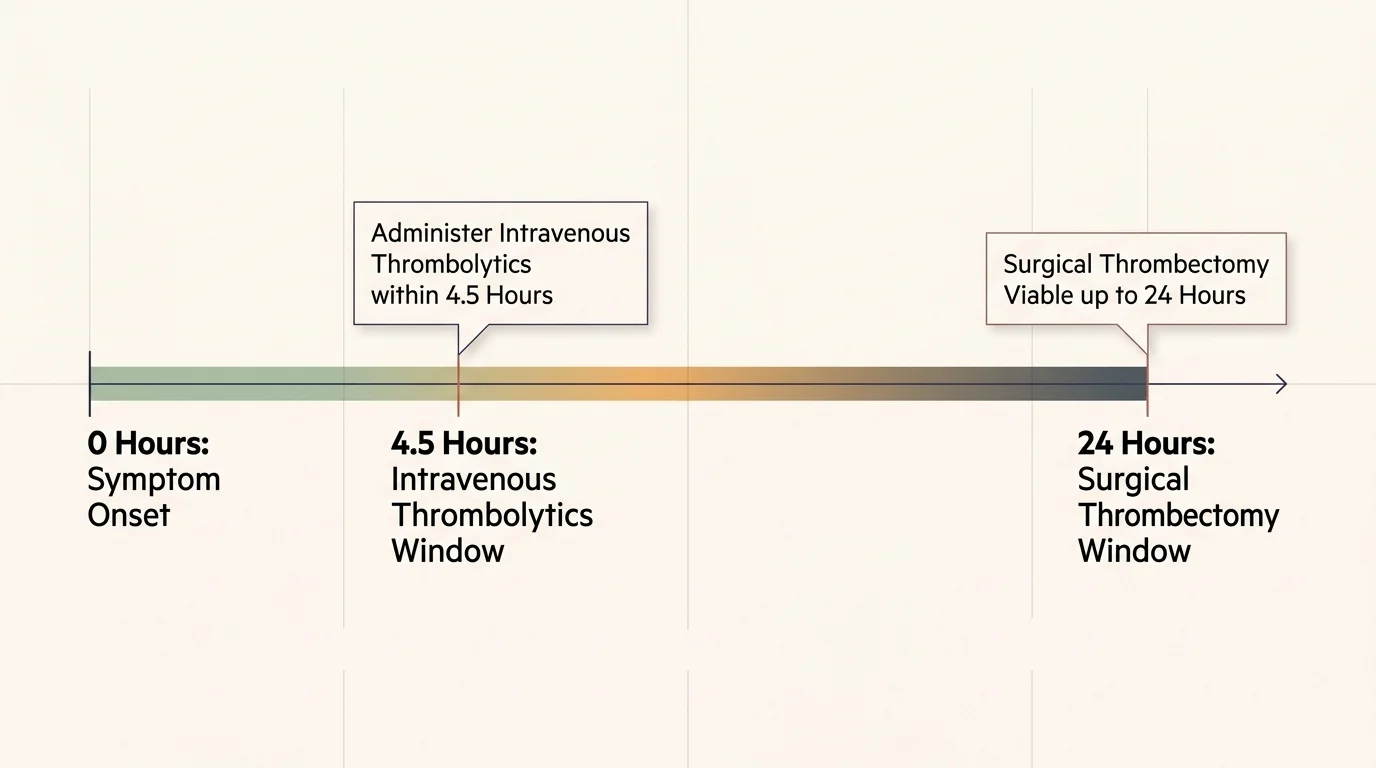
The American Heart Association emphasizes that doctors must administer intravenous thrombolytics within 4.5 hours of symptom onset. Specialized surgical thrombectomy remains viable for up to 24 hours in large vessel occlusions.
2. Crushing Chest Pressure or Shortness of Breath
Discomfort radiating to your jaw, back, neck, or left arm signals potential myocardial ischemia. Atypical presentations, especially in women, frequently involve nausea, cold sweats, and extreme dyspnea.
These symptoms require an immediate emergency evaluation to prevent irreversible myocardial necrosis. Paramedics can initiate diagnostic electrocardiograms right inside your home to expedite emergency catheterization.
3. A Sudden, Explosive Thunderclap Headache
A blinding headache that peaks within sixty seconds represents a clinical emergency. Clinicians classify this agonizing pain as a possible subarachnoid hemorrhage or vascular dissection.
Do not attempt to sleep off an unprecedented, severe cranial pain. Prompt neuroimaging protects brain tissue from catastrophic intracranial bleeding.
4. Blood Pressure Spikes Above Hypertensive Thresholds
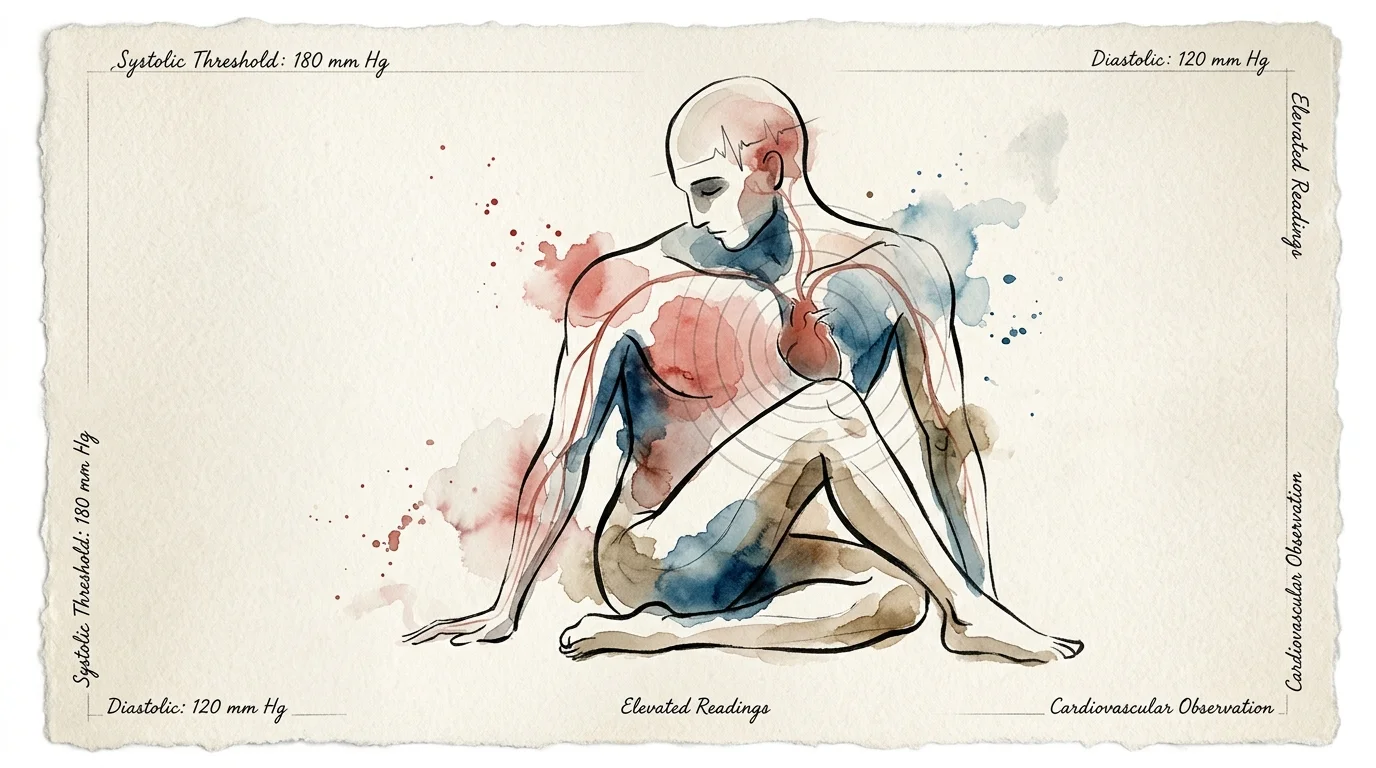
A resting blood pressure reading exceeding 180 mm Hg systolic or 120 mm Hg diastolic indicates a hypertensive crisis. Sustained arterial pressure at this level strains your microvascular system.
If this severe spike accompanies chest tightness, vision disturbances, or back pain, call emergency services immediately. Emergency clinicians must administer intravenous antihypertensives to prevent acute end-organ damage.
5. Unexplained Weight Loss Exceeding Clinical Benchmarks
Losing more than 5 percent of your total body weight within six to twelve months without dieting demands thorough investigation. Dropping ten or more pounds unintentionally signals systemic metabolic disruption.
This unintentional reduction can stem from occult malignancies, endocrine disorders like hyperthyroidism, or malabsorptive digestive diseases. Primary care physicians perform comprehensive laboratory panels to isolate the underlying cause.
6. High or Unusually Prolonged Fevers
In adults, any oral body temperature reaching or exceeding 103 degrees Fahrenheit requires medical evaluation. You should also contact a physician if a moderate fever persists beyond three consecutive days.
For infants under three months of age, a rectal temperature of 100.4 degrees Fahrenheit or higher represents a pediatric emergency. Immature neonatal immune systems require urgent clinical screening to exclude dangerous bacterial infections.
7. Blood Oxygen Saturation Falling Below Normal Levels
Normal resting pulse oximeter readings consistently measure between 95 and 100 percent. A reading that falls below 90 percent demonstrates hypoxemia, which deprives vital organs of oxygen.
Underlying triggers include acute pneumonia, asthma flare-ups, pulmonary embolisms, and heart failure. Seek emergency medical care immediately whenever your supplemental oxygen or room-air saturation dips into dangerous ranges.
8. Extreme or Symptomatic Heart Rate Irregularities
A sustained resting pulse climbing above 100 beats per minute constitutes tachycardia. Conversely, a resting heart rate dropping below 60 beats per minute accompanied by lightheadedness indicates symptomatic bradycardia.
Cardiac arrhythmias undermine hemodynamic stability and elevate your stroke risk. Diagnostic electrocardiograms and continuous monitoring help cardiologists detect hidden conduction abnormalities.
9. Irregular or Evolving Skin Lesions
Dermatologists use the ABCDE criteria to screen for melanoma and other malignant skin lesions. The clinical benchmark targets asymmetric spots with irregular borders, color variations, and diameters exceeding 6 millimeters.
According to the American Academy of Dermatology, any existing mole that evolves in size, shape, or surface elevation warrants a prompt biopsy. Early surgical excision of localized melanoma boasts exceptional survival rates.
10. Sudden Visual Changes, Flashes, or Floaters
Abrupt loss of peripheral vision or a dense curtain falling over your visual field indicates a retinal detachment. Sudden bursts of bright light or floating dark specks demand immediate ophthalmologic evaluation.
Ocular emergencies also encompass temporal arteritis and acute angle-closure glaucoma. Receiving swift therapeutic intervention preserves your delicate retinal photoreceptors and prevents permanent blindness.
11. Persistent Changes in Bowel or Bladder Function
Noticing dark, tarry stools or bright red blood in your bowel movements requires clinical evaluation. Unexplained alternations between severe constipation and diarrhea lasting several weeks also warrant diagnostic investigation.
Similarly, painless gross hematuria—visible blood in your urine—requires an immediate urological workup. These gastrointestinal and urological symptoms can uncover inflammatory bowel diseases, ulcers, or early-stage colorectal malignancies.
12. Rapidly Escalating, Severe Abdominal Pain
Intense abdominal tenderness that intensifies over hours frequently points to acute surgical emergencies. Conditions such as appendicitis, diverticulitis, ruptured ovarian cysts, or gallbladder disease demand prompt assessment.
Peritoneal irritation often makes gentle movement or coughing unbearable. Emergency physicians employ abdominal computed tomography to determine whether you require urgent surgical repair.
13. Acute Psychological Distress or Suicidal Ideation
Severe depressive episodes, disabling panic attacks, or thoughts of self-harm represent urgent medical priorities. Your neurological and emotional well-being deserves the same rapid response as physical trauma.
Dialing or texting the 988 Suicide and Crisis Lifeline connects you with trained professionals instantly across North America. The Substance Abuse and Mental Health Services Administration provides continuous support for individuals traversing acute psychiatric crises.
Strategy Pillars for Proactive Health Management
Clinical Advocacy and Healthcare Navigation
Navigating complex medical networks requires assertive self-advocacy and deliberate preparation. Keep an updated digital list of your active medications, baseline vitals, and surgical history on your phone.
Schedule annual wellness exams with a primary care clinician to track objective biomarkers over time. Routine preventive screenings catch latent metabolic disruptions long before symptomatic emergencies emerge.
When discussing symptoms with your clinician, describe their specific frequency, duration, and functional impact. Transparent communication enables your healthcare team to tailor diagnostic testing to your unique physiology.
Integrative Nutrition and Metabolic Monitoring
Nutritional choices strongly influence cellular inflammation and cardiovascular resilience. Nourish your vascular system with antioxidant-rich plants, omega-3 fatty acids, and unrefined whole fibers.
The National Institutes of Health highlights dietary patterns that optimize endothelial function and regulate systemic arterial pressure. Limiting ultra-processed items stabilizes blood glucose and shields delicate microvessels from chronic oxidative damage.
Hydration also plays a pivotal role in maintaining proper blood viscosity and kidney filtration. Drink adequate water throughout the day to support cellular waste clearance and sustained physical energy.
Mindset, Somatic Awareness, and Daily Movement
Developing somatic awareness allows you to detect physical anomalies before they escalate. Spend five minutes each morning scanning your body for unexplained tension, localized pain, or respiratory shifts.
Pair this sensory attunement with moderate physical movement such as brisk walking, swimming, or resistance training. Regular exercise bolsters cardiovascular compliance, balances resting heart rate, and elevates mental clarity.
Chronic stress suppresses your immune defenses and clouds your ability to perceive physiological changes accurately. Cultivate restorative practices like diaphragmatic breathing, meditation, or nature walks to quiet your sympathetic nervous system.
Clinician Perspectives: Voices from the Front Lines
Emergency medicine physicians routinely witness the devastating effects of unnecessary treatment delays. Clinicians frequently note that patients wait days after symptom onset hoping their discomfort simply disappears.
One emergency physician emphasizes that seeking care for false alarms is always preferable to ignoring true emergencies. Healthcare professionals prefer ruling out benign ailments over managing advanced, preventable organ failure.
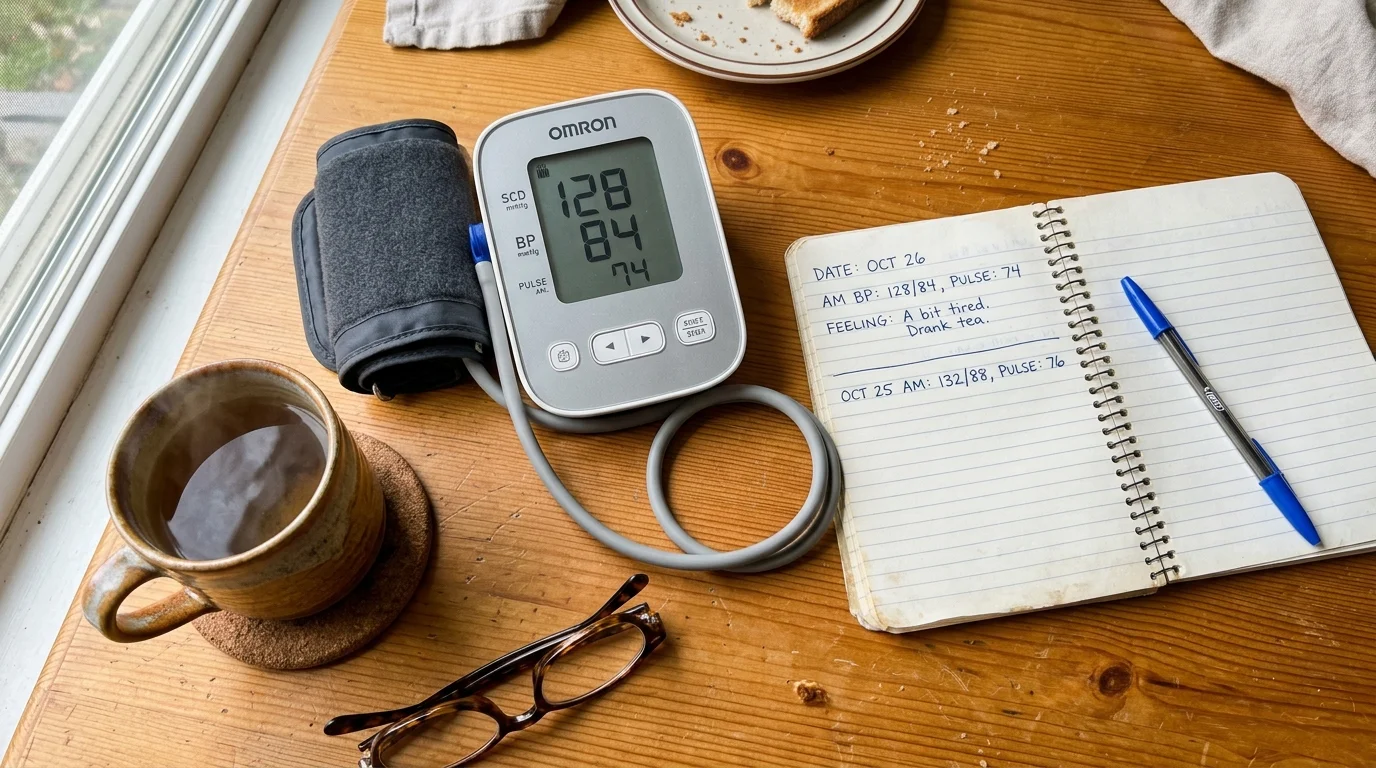
Primary care practitioners also emphasize the value of personal biometric tracking. When you understand your ordinary resting heart rate and blood pressure, detecting dangerous deviations becomes straightforward.
Clinicians encourage you to view early consultation as a sign of strength and body awareness. Prompt communication establishes a collaborative partnership between you and your healthcare team.
Frequently Asked Questions About Seeking Medical Care
How do I differentiate an emergency from an urgent care issue?
Emergency rooms manage life-threatening conditions like severe chest pain, major trauma, stroke symptoms, and breathing failure. Urgent care clinics handle minor fractures, simple lacerations, mild asthma attacks, and moderate fevers.
When you face ambiguity regarding life-threatening symptoms, always choose the nearest emergency facility. Rapid triage ensures you receive critical resources without hazardous delays.
What should I do if my healthcare concerns are dismissed?
If a clinician invalidates your persistent physical symptoms, request that they document their clinical refusal in your medical chart. This simple, professional request often prompts a more rigorous reassessment of your condition.
You always have the right to seek a second opinion from an independent specialist. Bringing a trusted friend or family member to appointments can also amplify your patient voice.
Can wearable health monitors accurately detect cardiac abnormalities?
Modern consumer smartwatches offer valuable insights into resting pulse trends and basic rhythm disruptions. They can alert you to potential episodes of atrial fibrillation or persistent tachycardia during rest.
However, consumer wrist wearables cannot replace diagnostic twelve-lead electrocardiograms or professional clinical evaluation. Always present abnormal wearable data to your physician for formal validation and diagnostic testing.
Why do some serious conditions produce minimal or subtle symptoms?
Certain diseases progress silently by affecting internal organs that lack sensitive pain receptors. For example, high blood pressure and early liver dysfunctions rarely cause pronounced sensory distress.
Similarly, neuropathic damage from chronic diabetes can blunt typical chest pain during myocardial infarction. Routine clinical screenings and laboratory testing reveal these quiet physiological disturbances before acute crises strike.
Taking Your Next Proactive Step
Safeguarding your long-term health begins with intentional action and self-compassion. Take a brief moment today to program emergency telephone contacts and urgent care addresses into your phone.
Reflect on how attentive you have been to your body’s recent physical signals. What subtle messages has your physiology shared that deserve professional validation and clinical care?
Prioritize your well-being without guilt or hesitation. Booking an overdue checkup or addressing a nagging symptom today protects your vitality for decades to come.








Leave a Reply