

Your eyesight can change in an instant, signaling critical underlying changes within your retina, optic nerve, or cranial blood vessels that require emergency evaluation. While gradual vision shifts often point to benign refractive changes or natural aging, sudden eyesight changes act as urgent red flags that demand immediate medical attention. Delaying care by even a few hours during an ocular crisis can turn reversible tissue damage into permanent sight loss. Recognizing these warning signs empowers you to seek urgent eye care when time matters most. Protecting your sight requires understanding which sudden vision changes needing same day care demand swift, specialized intervention to preserve your visual fields and long-term quality of life.
Understanding the Biology of Ocular Emergencies
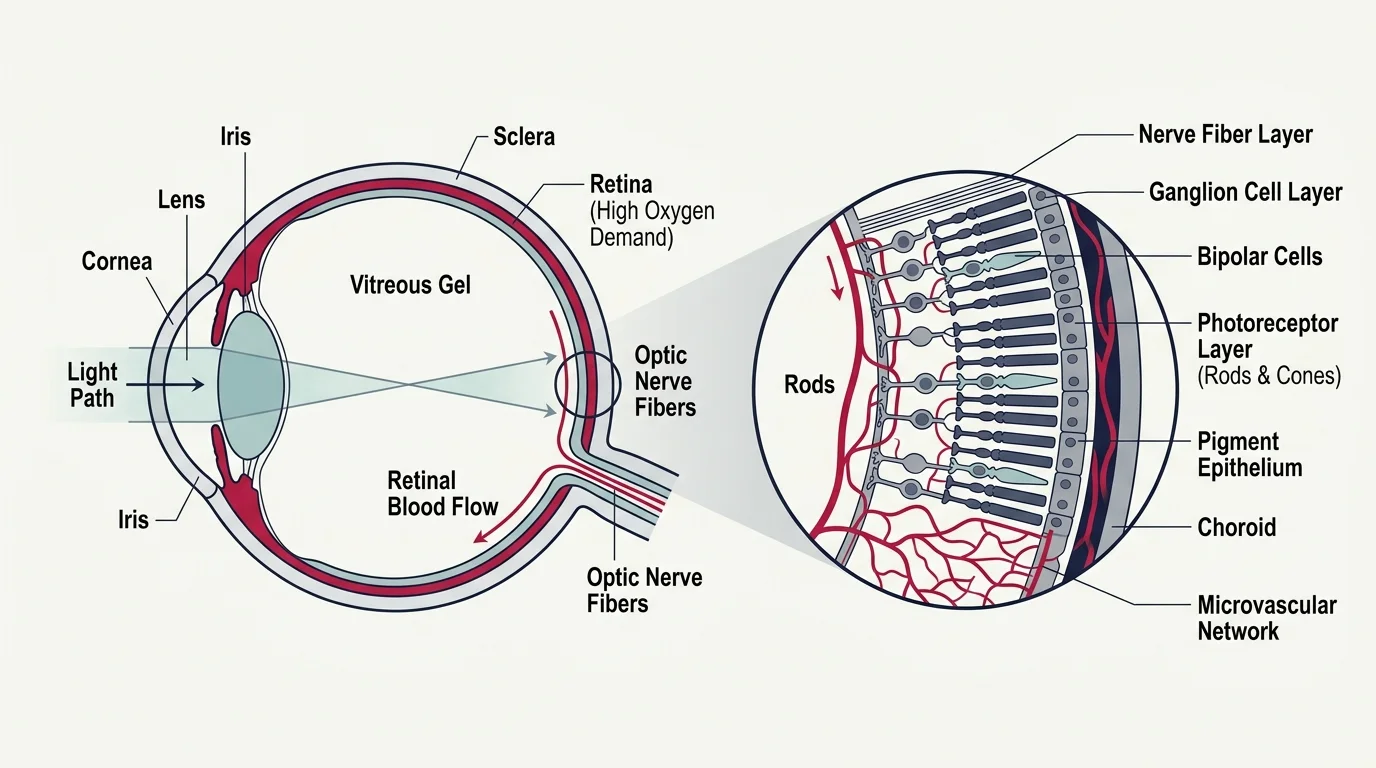
The human eye relies on an intricate arrangement of delicate metabolic tissues, microscopic neural pathways, and microvascular networks. The retina, a thin layer of light-sensitive tissue lining the back of the eye, consumes oxygen at a rate higher than almost any other tissue in the body. When a blockage interrupts retinal blood flow—or when physical forces pull the retina away from its underlying supportive tissue—metabolic crisis occurs rapidly. Research published by the National Eye Institute demonstrates that photoreceptor cells suffer irreversible cell death within hours of profound oxygen deprivation or mechanical separation. Furthermore, sudden spikes in intraocular pressure can crush fragile optic nerve fibers, destroying permanent visual field area before you feel systemic symptoms. Understanding these underlying biological mechanics clarifies why vision changes that require emergency evaluation demand immediate diagnostic action rather than cautious observation. Prompt triage by an ophthalmologist or emergency physician can arrest tissue ischemia, restore intraocular balance, and prevent catastrophic vision impairment.
8 Red Flag Vision Changes Needing Same-Day Care
1. Sudden Painless Vision Loss in One Eye
A sudden, painless drop in vision in one eye often points to a central retinal artery occlusion, frequently referred to as an eye stroke. When an embolus blocks arterial blood flow to the inner retina, neural tissue starves within minutes. Clinical data indicates that visual outcomes decline significantly if treatment does not begin within a tight four-to-six-hour therapeutic window. You must treat sudden unilateral darkness or severe blurring as an acute vascular emergency requiring immediate stabilization.
2. A Sudden Shower of New Floaters and Light Flashes
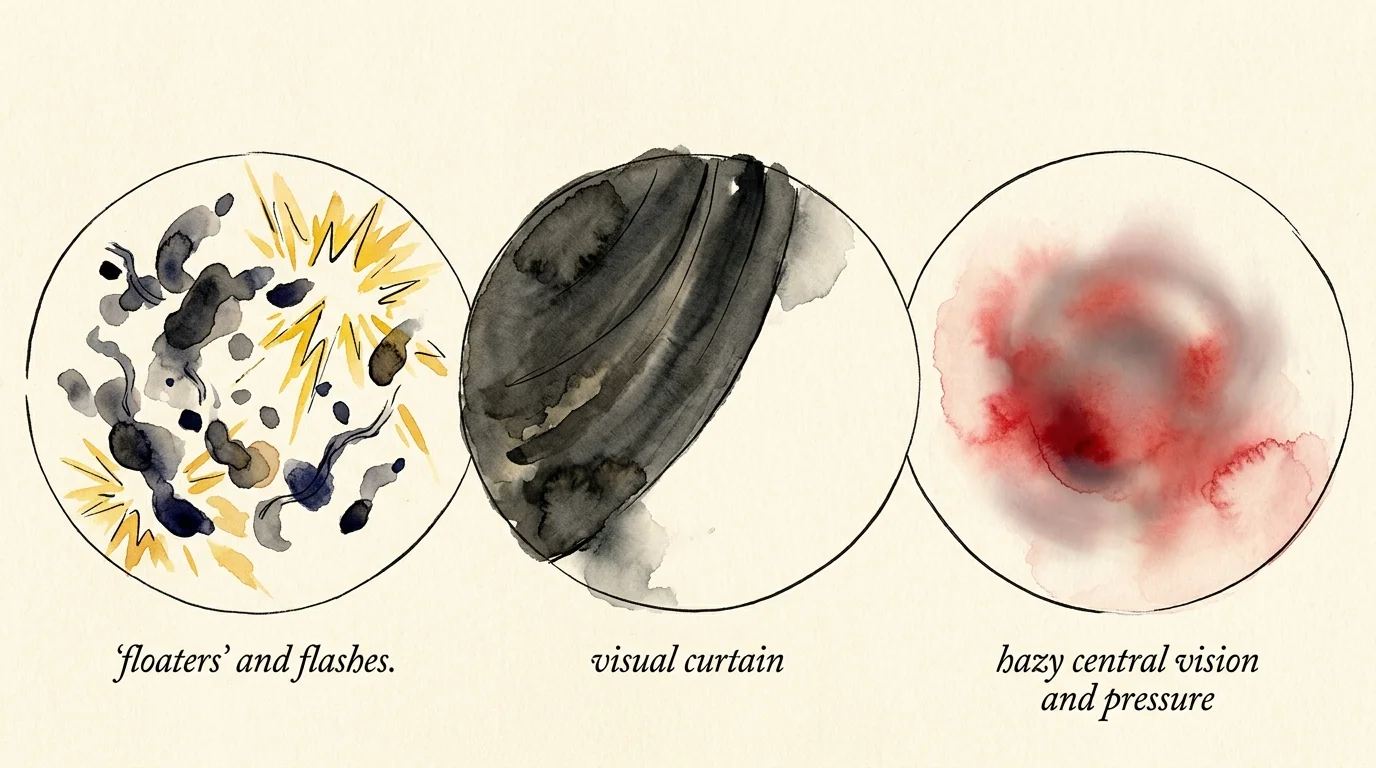
While occasional floating specks are common, a sudden explosion of new floaters paired with bright flashes of light across your field of vision suggests structural retinal traction. As the vitreous gel inside your eye contracts, it can pull violently on the delicate retina, creating microscopic tears. Clinical guidelines from the American Academy of Ophthalmology stress that early laser repair of a retinal tear prevents full retinal detachment and preserves central acuity.
3. A Dark Curtain or Shadow Moving Across Your Vision
If a dark shade, shadow, or curtain appears to fall across your peripheral or central field of view, you are likely experiencing physical retinal detachment. Liquid vitreous seeps through a retinal tear, peeling the retina away from the underlying vascular choroid layer. This structural separation deprives the retina of vital nutrients; immediate same-day surgical repair provides your best chance for preserving functional vision and avoiding permanent blind spots.
4. Severe Eye Pain Accompanied by Nausea and Redness
Sudden, deep, aching eye pain accompanied by a hard eye feel, hazy vision, severe redness, and nausea indicates acute angle-closure glaucoma. This dangerous medical emergency occurs when the eye’s internal fluid drainage angle suddenly closes, causing intraocular pressure to surge to dangerous levels. Without rapid pressure-lowering medical therapy or laser iridotomy, high pressure permanently destroys the optic nerve within hours.
5. Sudden Double Vision (Diplopia)
The sudden appearance of double vision when looking with both eyes indicates that your eyes are no longer aligning properly. This abrupt misalignment often signals microvascular damage to cranial nerves, severe ocular muscle dysfunction, or potential central nervous system crises like an ischemic stroke or brain aneurysm. Emergency medical personnel must evaluate sudden diplopia immediately to rule out life-threatening neurological etiologies.
6. Straight Lines Appearing Distorted or Wavy
When straight lines—such as doorframes, window blinds, or rows of printed text—suddenly appear curved, wavy, or distorted, you may be experiencing acute metamorphopsia. This distortion frequently signals wet age-related macular degeneration, macular hole formation, or acute macular edema. Wet macular degeneration involves rapid leakage from abnormal blood vessels beneath the central retina, requiring prompt anti-VEGF intravitreal injections to halt permanent scarring.
7. Vision Changes Following Head or Eye Trauma
Physical trauma to the head, face, or eye socket can cause occult internal structural damage, including hyphema (blood pooling inside the front chamber), traumatic optic neuropathy, or subtle globe rupture. Even if the outer eye looks intact, internal bleeding or elevated pressure can rapidly compromise the optic nerve. Any sudden shift in visual clarity after physical impact demands immediate diagnostic imaging and specialist examination.
8. Halos Surrounding Lights with Clouded Cornea
Seeing bright, rainbow-colored halos around light sources—especially when combined with eye redness and a cloudy, hazy appearance on your cornea—indicates rapid corneal swelling. This corneal edema usually stems from acute intraocular pressure elevation or severe corneal inflammation. Because this symptom overlaps with acute glaucoma and sight-threatening corneal infections, same-day ophthalmic evaluation is essential for proper differential diagnosis.
Actionable Pillars for Vision Preservation and Emergency Readiness
Pillar 1: Establish Immediate Medical Triage Protocols
When urgent eye symptoms warning signs manifest, taking correct physical action protects your eyes from further harm. Never rub or compress an eye that exhibits sudden vision loss or pain, as external pressure can worsen internal structural tears or elevate intraocular pressure. Arrange immediate transportation to an emergency department with on-call ophthalmology coverage or a specialized eye hospital; do not attempt to drive yourself. Keep your head slightly elevated, abstain from eating or drinking in case urgent surgical intervention requires general anesthesia, and bring your current medication list to expedite emergency triage.
Pillar 2: Integrative Cardiovascular and Metabolic Support
Because your retinal blood vessels mirror your body’s overall vascular network, long-term vision protection requires aggressive cardiovascular management. Clinical statistics from the Centers for Disease Control and Prevention highlight that uncontrolled hypertension and diabetes double the risk of retinal vascular occlusion and diabetic retinopathy. Consuming an anti-inflammatory diet rich in omega-3 fatty acids, lutein, and zeaxanthin nourishes retinal tissue; combined with regular moderate aerobic exercise, these lifestyle habits maintain microvascular elasticity and promote optimal ocular perfusion over time.
Pillar 3: Environmental Protection and Routine Diagnostic Care
Preventing unexpected visual crises requires proactive habits alongside regular diagnostic oversight. Comprehensive dilated eye examinations allow clinicians to detect subtle retinal thinning, elevated intraocular pressure, or vascular changes long before symptoms appear. Wear high-grade protective eyewear during sports, home repairs, or industrial work to prevent traumatic globe injuries. Guidelines maintained by the World Health Organization emphasize that proactive environmental safety and early screening substantially reduce global incidence of preventable blindness and severe visual impairment.
Real Voices: Clinical Perspectives on Ocular Urgency
“Patients frequently wait to see if sudden vision changes resolve on their own, assuming sleep or rest will fix the issue,” explains Dr. Elena Rostova, a clinical vitreoretinal specialist. “In conditions like retinal tears or acute glaucoma, hours dictate whether we restore sight or manage permanent visual loss. I urge patients to treat sudden vision shifts with the same urgency as chest pain or stroke symptoms.”
Integrative optometrist Dr. Marcus Vance adds, “Addressing social determinants of health—such as ensuring patients have accessible, emergency transportation options to regional eye centers—is just as vital as clinical intervention. Equipping individuals with knowledge about urgent red flags transforms patient outcomes and saves sight.”
Frequently Asked Questions About Urgent Eye Symptoms
Can sudden blurry vision go away on its own, and should I still seek an urgent evaluation?
Even if sudden blurry vision resolves spontaneously, you still require immediate medical evaluation. Transient visual loss, often called amaurosis fugax, frequently signals temporary vascular blockages that warn of an impending stroke or permanent retinal artery occlusion. Working with a healthcare professional ensures proper diagnostic workups and preventative treatment plans.
Where should I go first when experiencing urgent eye symptoms: an ER or an eye clinic?
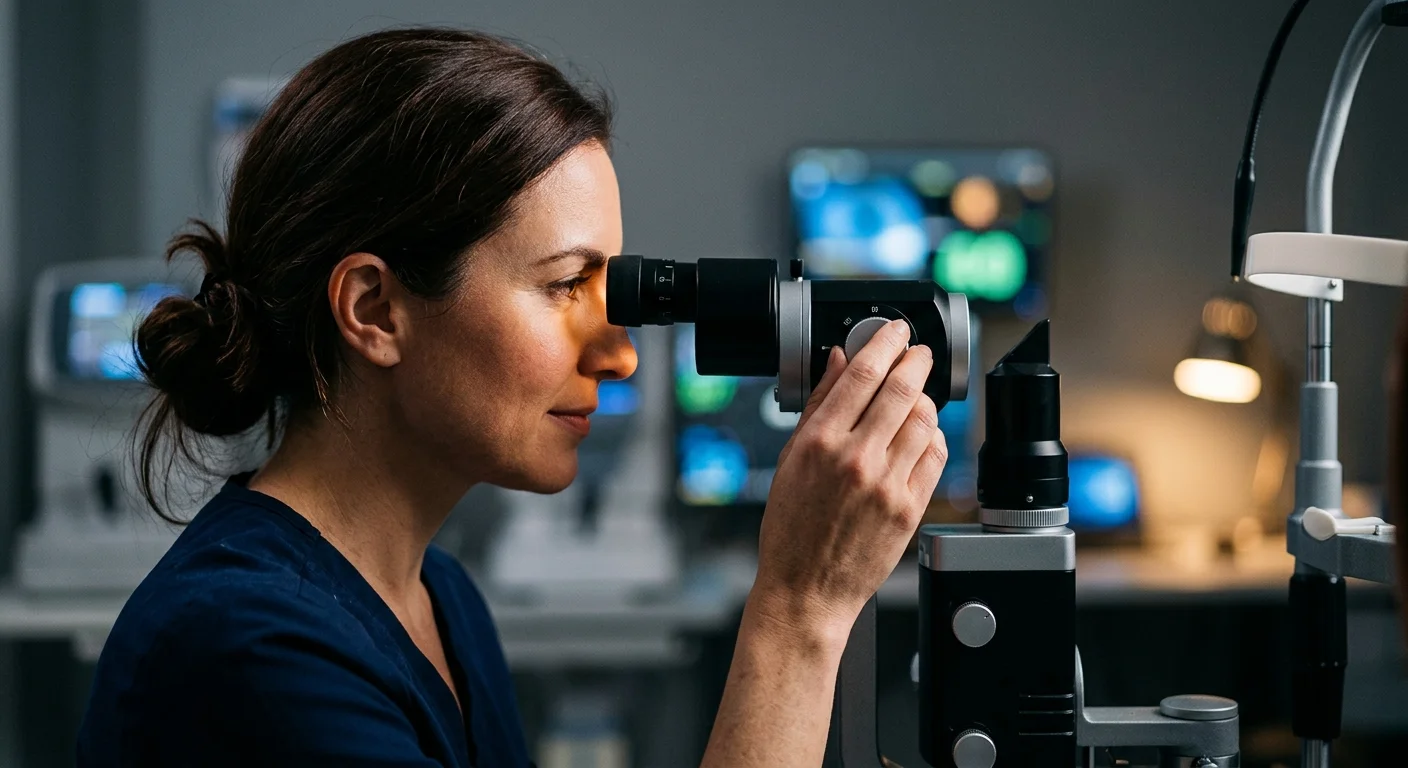
You should go directly to an emergency department or a specialized eye emergency center rather than a standard walk-in clinic. General urgent care facilities rarely possess specialized diagnostic equipment like slit lamps or indirect ophthalmoscopes needed to evaluate deep ocular structures during acute crises.
How rapidly can a retinal detachment lead to permanent vision loss?
Permanent loss of central vision can occur within 24 to 48 hours if a retinal detachment progresses to involve the macula. Immediate evaluation allows retinal surgeons to repair tears while the macula remains attached, preserving optimal visual acuity and field function.
Can severe blood pressure spikes cause sudden vision changes?
Yes, acute blood pressure surges can cause hypertensive retinopathy, optic nerve swelling, or retinal vein occlusion. Managing systemic blood pressure alongside personalized medical care prevents permanent visual damage and reduces cardiovascular risk factors.
Taking Your First Step Toward Long-Term Sight Preservation
Protecting your visual health begins today with proactive preparation. Save the phone numbers for your local eye care specialist and the nearest regional hospital emergency room in your phone contacts right now. Knowing exactly where to go during an ocular emergency eliminates hesitation when sudden eyesight changes red flags appear.
Take a quiet moment to reflect on your daily routine: when was your last comprehensive dilated eye exam, and do you know your baseline visual clarity in each eye individually? Taking one small step today safeguards your sight for all the tomorrows ahead.





Leave a Reply