
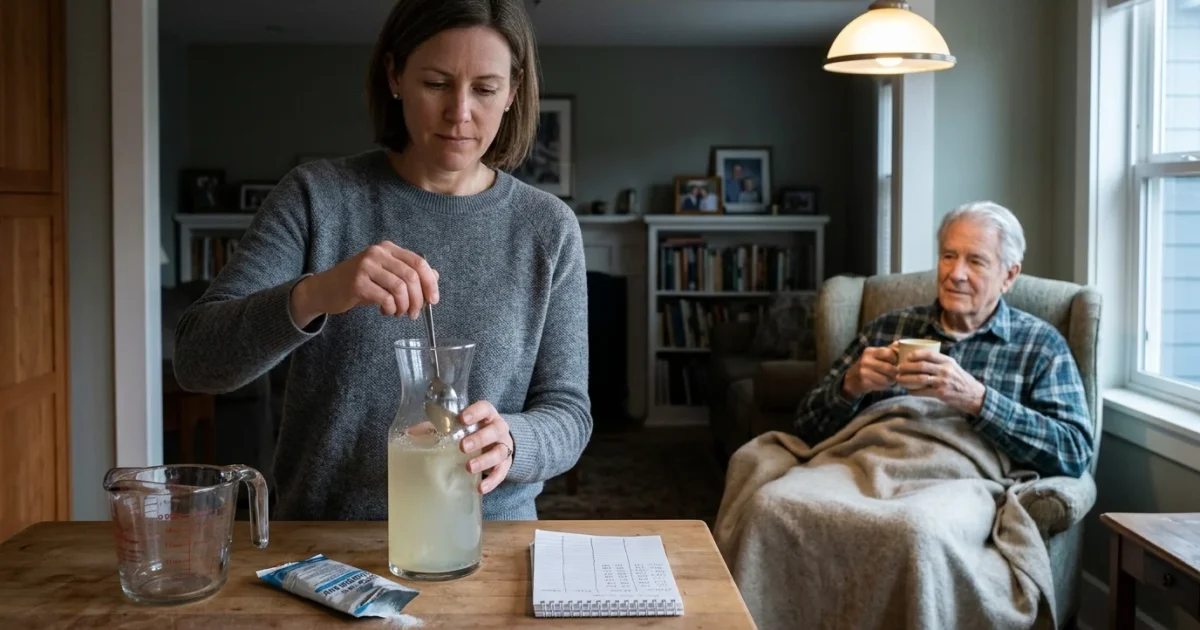
A viral stomach bug can escalate into a critical medical emergency within hours for an aging body. Recognizing early gastrointestinal symptoms allows you to restore vital fluids quickly and prevent avoidable emergency room visits.
While younger individuals often recover smoothly at home, older adults face compromised kidney reserves and diminished thirst cues. These physiological vulnerabilities turn common fluid losses into rapid physical decline.
Knowing what specific signs to watch for empowers you to take targeted action before systemic complications arise. Early identification protects overall physical function and safeguards long-term independence.

Understanding the Senior Vulnerability to Gastroenteritis
Viral gastroenteritis poses severe health hazards to aging populations across all clinical environments.
According to the Centers for Disease Control and Prevention, norovirus serves as the leading cause of acute gastroenteritis throughout the United States.
This single pathogen accounts for approximately fifty-eight percent of domestically acquired foodborne illnesses every year.
Across the general population, norovirus triggers nineteen to twenty-one million illnesses annually.
However, the clinical consequences fall disproportionately on older adults aged sixty-five and older.
Within this senior cohort, norovirus drives approximately 3.7 million illnesses and 320,000 outpatient medical evaluations each year.
The infection forces roughly 69,000 older adults into emergency departments annually.
Furthermore, acute gastroenteritis leads to nearly 39,000 senior hospital admissions during typical years.
Norovirus contributes to an average of 900 annual deaths nationwide alongside 109,000 total hospitalizations.
Tragically, public health registries confirm that the vast majority of these gastroenteritis-related fatalities occur in adults over sixty-five.
Federal health data underscores that adults aged eighty-five and older face the highest statistical risk of requiring hospital care.
The nation also records roughly 2,500 reported norovirus outbreaks during an average surveillance year.
Long-term care facilities and residential nursing homes account for 53% to 68% of all documented outbreaks.
Outbreak activity in the Northern Hemisphere accelerates significantly during cooler winter months, peaking between November and April.
Age-related changes in body composition directly exacerbate these seasonal risks. Total body water decreases substantially as you age, leaving virtually no reserve margin when sudden fluid loss strikes.
Aging kidneys experience a steady loss of functioning nephrons, impairing their ability to concentrate urine quickly. This structural decline means your body cannot conserve fluids efficiently during acute diarrheal illness.
At the same time, osmoreceptors within the hypothalamus become less sensitive to rising serum osmolality. You may not experience natural thirst signals even when cellular dehydration is already well underway.
Simultaneously, immune senescence weakens mucosal defenses in your digestive tract, permitting virulent pathogens to replicate rapidly.
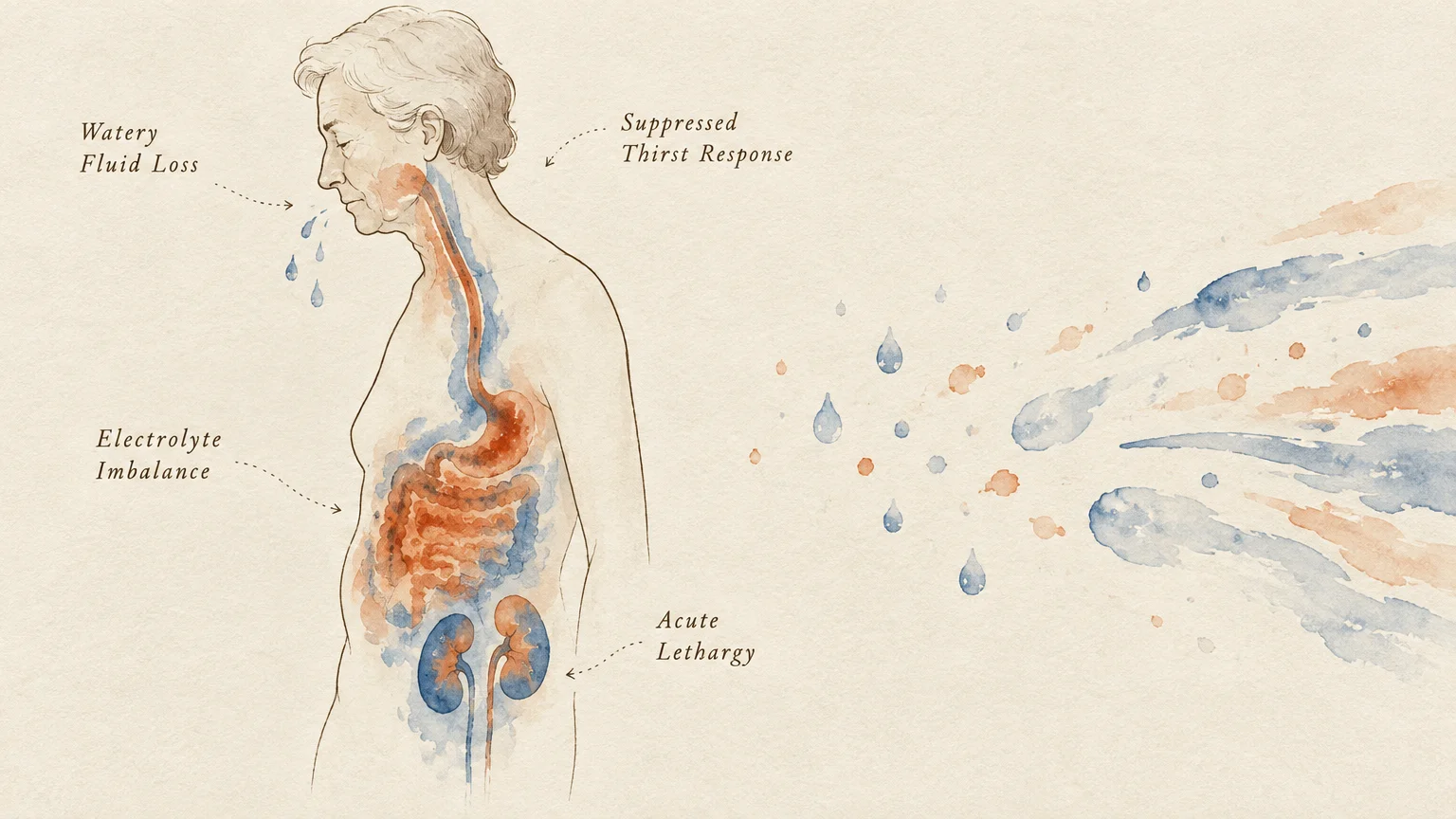
Twelve Key Symptoms of Stomach Flu in Older Adults
Gastrointestinal infections rarely present identically in seniors compared to younger populations. You must monitor for subtle physiological declines as well as direct digestive distress.
1. Profuse, Watery Diarrhea
Sudden, frequent bowel movements represent the classic presentation of acute viral gastroenteritis. Intestinal mucosal cells sustain localized damage, causing rapid fluid accumulation within the colon.
Unlike ordinary dietary intolerance, this diarrhea occurs multiple times in rapid succession. You will notice watery, non-formed stool that carries substantial volumes of water out of the body.
Each episode strips away essential electrolytes, specifically sodium and potassium. This continuous purging impairs systemic neuromuscular performance within hours.
Potassium deficits can trigger cardiac dysrhythmias and acute muscle cramping. Sodium depletion disrupts brain signaling, worsening confusion and physical weakness.
Caregivers must track daily frequency closely. Having more than three loose bowel movements in twenty-four hours requires aggressive, structured rehydration measures.
Frequent diarrhea also causes rapid moisture-associated skin damage in bedbound seniors. Clean and dry the perianal area promptly after each episode to prevent painful pressure ulcers.
Seek urgent medical evaluation if stool appears tarry black or shows visible streaks of red blood.
2. Sudden Projectile Vomiting
Viral stomach bugs often announce themselves with abrupt, forceful emesis. Neurological triggers in the brainstem initiate aggressive contractions to empty the upper stomach.
In older adults, projectile vomiting rapidly depletes intracellular fluid reserves. It also creates a severe physical barrier against taking essential maintenance medications.
Weakened protective airway reflexes significantly increase the risk of pulmonary aspiration during sudden vomiting. Inhaling gastric acid into the lungs can spark severe chemical pneumonitis.
Loss of gastric hydrochloric acid through frequent emesis shifts blood chemistry toward metabolic alkalosis. This chemical shift destabilizes calcium binding, causing muscle twitches and cardiac irritability.
Caregivers should keep sick seniors seated upright or positioned on their sides. This recovery posture keeps the airway clear if sudden emesis recurs during sleep.
If vomiting persists for more than twelve consecutive hours, self-care measures become dangerous. Contact your primary medical team or visit urgent care promptly.
3. Acute Confusion and Delirium
Sudden cognitive disruption frequently represents the primary presenting sign of infection in older individuals. Loved ones may notice disorientation, restlessness, or uncharacteristic agitation before gastrointestinal symptoms fully emerge.
Electrolyte imbalances and hypovolemia compromise cerebral perfusion. When sodium concentrations drop rapidly, brain cells swell and struggle to transmit neurological signals.
In clinical settings, this state is categorized as hypoactive or hyperactive delirium. Hypoactive delirium causes profound quietness and withdrawal, whereas hyperactive delirium provokes paranoia and combative behavior.
Never dismiss sudden mental fog as a normal manifestation of advancing chronological age. Acute delirium always indicates an underlying, time-sensitive medical trigger.
Physicians prioritize stabilizing systemic electrolytes to reverse acute cognitive decline. Rapid medical intervention prevents dangerous fall incidents and prolonged neurological deficits.
4. Postural Dizziness and Loss of Balance
Fluid loss directly diminishes circulating blood volume within your vascular beds. When moving from lying down to standing, blood pressure plummets because vascular tone cannot adjust quickly enough.
Age-related stiffening of arterial walls blunts the sensitivity of carotid baroreceptors. Consequently, heart rate cannot surge fast enough to compensate for the sudden drop in cerebral blood pressure.
This orthostatic drop produces lightheadedness, temporary visual graying, and acute physical instability. Even brief episodes can cause catastrophic falls resulting in hip fractures or head trauma.
Clinicians evaluate this state by checking postural vital signs in both supine and standing positions.
Always practice the dangling technique before standing during an illness. Sit on the edge of your bed for two full minutes to allow blood pressure to normalize before standing.
If you experience swaying or lightheadedness, sit back down immediately on a sturdy surface. Always call for assistance before attempting to reach the bathroom.
5. Profound Lethargy and Unresponsiveness
Exhaustion from stomach bugs goes well beyond normal physical tiredness. Systemic inflammation releases circulating cytokines that suppress normal neurological arousal and muscular endurance.
An affected individual may struggle to keep their eyes open during midday meals or conversations. They may show profound apathy toward eating, drinking, or moving.
This state of unresponsiveness often signals accumulating metabolic waste products or worsening metabolic acidosis. As kidneys lose perfusion, toxic metabolic acids build up in the bloodstream.
Caregivers should attempt gentle verbal and physical stimulation, such as calling the senior’s name or tapping their shoulder. A failure to orient to voice or touch requires immediate emergency triage.
When lethargy makes it impossible to consume liquids orally, hospitalization becomes necessary to administer intravenous fluids.
6. Parched Mucous Membranes
Checking the oral cavity provides immediate physical clues regarding your hydration status. As circulating volume falls, salivary glands dramatically reduce output to conserve vital water.
Inspect your lips, gums, and the tissue beneath your tongue for dry or sticky textures. Saliva may appear thick, stringy, or completely absent.
Dry oral tissues can crack easily, creating entry portals for secondary bacterial infections. Deep longitudinal furrows across the tongue surface strongly correlate with acute cellular dehydration.
Additionally, the eyes often appear dull and recessed into orbital sockets. Dry conjunctiva and diminished tear production confirm profound fluid depletion.
According to the World Health Organization, dry mucous membranes indicate moderate to severe physiological dehydration.
7. Diminished or Concentrated Urine
Renal tissue serves as the body’s principal moisture gatekeeper. When gastroenteritis causes substantial volume loss, kidneys restrict urinary filtration to preserve arterial blood pressure.
Pay close attention to urination patterns throughout the illness. Producing deeply amber, brownish urine signals severe fluid deprivation.
Concentrated urine carries a high specific gravity and strong odor. This hyperconcentration irritates the bladder wall, sometimes causing burning sensations that mimic urinary tract infections.
Going six to eight hours without producing any urine indicates acute renal hypoperfusion. If unaddressed, this state rapidly progresses into acute tubular necrosis.
Restoring kidney perfusion through prompt fluid rehydration protects baseline renal capacity from permanent functional decline.
8. Abdominal Cramping and Visceral Pain
Viral toxins irritate the sensitive enteric nervous system, triggering sharp, spastic peristaltic contractions. These spasms produce intermittent, colicky pain across the central abdomen.
Mild to moderate cramping often eases momentarily after a loose bowel movement occurs.
However, continuous or excruciating abdominal pain requires urgent medical evaluation. Severe focal tenderness may indicate mesenteric ischemia, bowel perforation, or acute cholecystitis.
Clinicians assess abdominal softness and check for rebound tenderness during physical exams. Involuntary tensing of the abdominal wall indicates peritoneal irritation rather than benign viral gastroenteritis.
Never apply heating pads to an inflamed abdomen without clinical advice; localized heat can exacerbate internal vascular congestion.
9. Thermal Dysregulation and Chills
Older immune systems frequently mount atypical thermal responses to viral invasion. While some individuals develop low-grade fevers around ninety-nine to one hundred degrees, others experience no fever at all.
This blunted febrile response stems from age-related decreases in circulating endogenous pyrogens. The absence of a high fever does not mean the underlying viral infection is mild.
Surprisingly, vulnerable seniors may exhibit hypothermia, with core body temperatures falling below ninety-six degrees Fahrenheit.
Hypothermia during an active infection represents a critical warning sign of systemic decompensation. It demonstrates that thermoregulatory pathways are failing under metabolic distress.
Check body temperature regularly using a reliable digital thermometer, noting both spikes and unexpected drops.
10. Diffuse Muscle Aches and Weakness
Inflammatory proteins circulating throughout the bloodstream cause widespread musculoskeletal aches. Large muscle groups across the back, thighs, and shoulders often feel bruised and uncooperative.
This pervasive weakness compromises functional motor skills. A senior may lack the physical power required to rise safely from an armchair or toilet.
Prolonged immobility caused by muscle fatigue also elevates the risk of venous blood clots in the legs. Gentle ankle pumps while lying in bed help maintain healthy venous blood return.
Weakness directly compounds dehydration when an individual cannot walk to the kitchen to fetch water.
Keep hydration sources within arm’s reach of your bed to remove physical barriers to regular fluid consumption.
11. Tachycardia and Rapid Respiration
Your circulatory system responds to dehydration by increasing cardiac workload. With less blood volume circulating, the heart must pump significantly faster to oxygenate vital organs.
A resting pulse above one hundred beats per minute indicates cardiovascular compensation for hypovolemia.
In seniors with underlying coronary artery disease, sustained tachycardia can trigger demand ischemia or angina. The overworked heart muscle struggles to receive enough oxygenated blood through calcified vessels.
Simultaneously, breathing rates frequently climb above twenty breaths per minute. Rapid, shallow respirations help the body blow off excess carbon dioxide to counter developing metabolic acidosis.
These combined cardiopulmonary signs indicate substantial systemic stress that demands immediate emergency assessment.
12. Loss of Skin Turgor
Cellular water depletion visibly alters the structural resilience of subcutaneous tissues. When cellular fluids fall, skin loses its normal elasticity and structural rebound.
Standard turgor testing on the back of the hand proves unreliable in older adults due to natural collagen loss.
Instead, gently pinch skin over the collarbone or sternum for two seconds, then release it smoothly.
If the skin remains tented or takes more than three seconds to flatten, severe volume depletion exists.
Caregivers can also examine the inner thighs or forehead for skin tenting when clavicular assessments appear ambiguous. Flattening delays directly reflect the severity of extracellular fluid deficit.
This physical marker confirms that cellular dehydration requires prompt clinical intervention.
Strategy Pillar 1: Evidence-Based Hydration and Nutrition Protocols
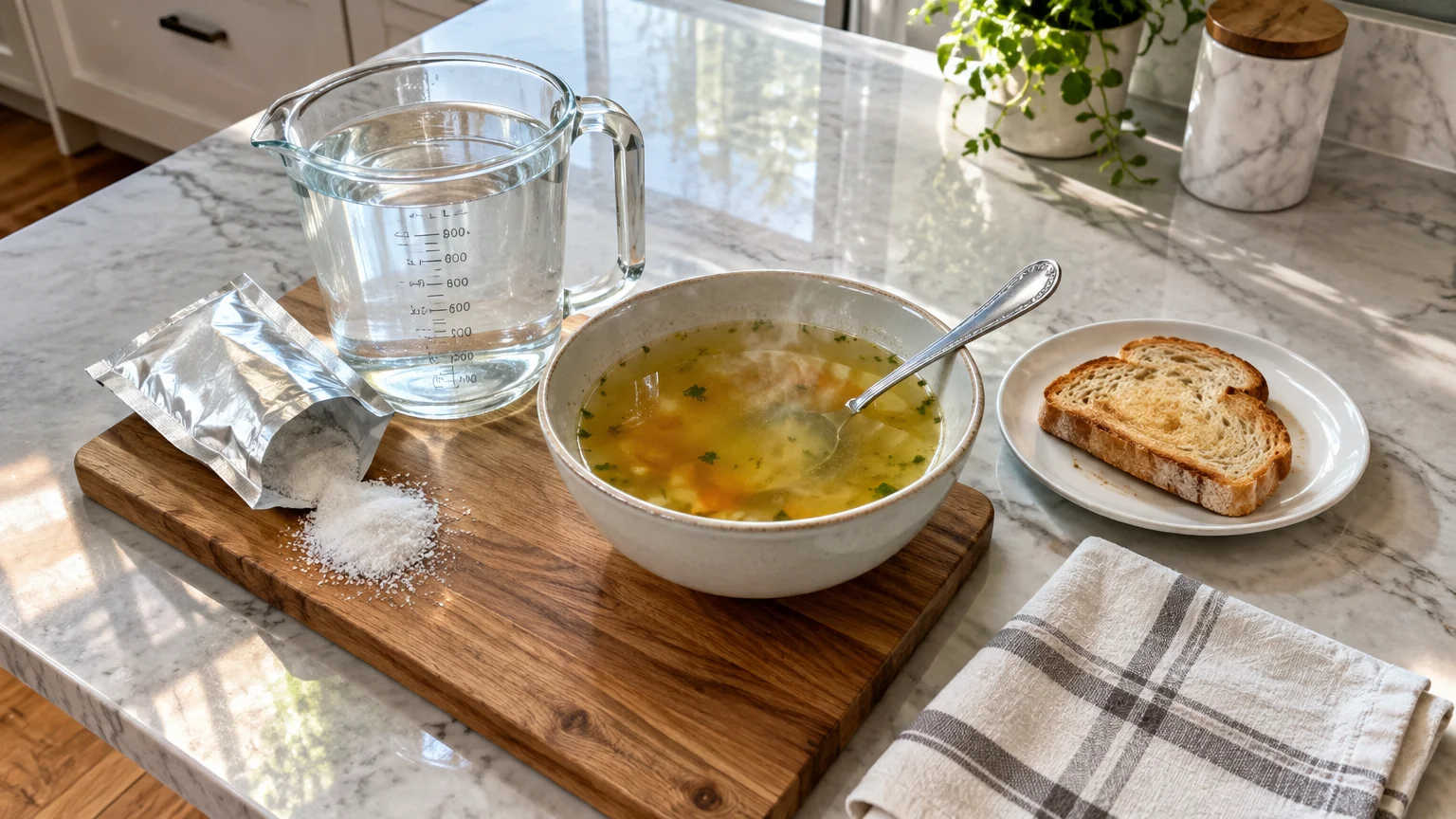
Restoring fluid volume requires scientific precision rather than simply drinking large glasses of plain water. Ingestion of plain water alone dilutes serum sodium, worsening electrolyte collapse.
Proper rehydration demands balanced oral rehydration salts containing exact ratios of glucose and sodium. Glucose actively powers the sodium-glucose cotransporters in your small intestine, driving water absorption directly into blood vessels.
Commercial rehydration powders or clinical electrolyte solutions provide optimal concentrations without irritating the stomach. Avoid commercial sports drinks, apple juices, and sodas; their high simple sugar content triggers osmotic diarrhea.
In an urgent home scenario without commercial packets, prepare a simple emergency electrolyte fluid. Combine one liter of clean water with half a level teaspoon of salt and six level teaspoons of sugar.
Adopt a structured sipping schedule. Consume one to two teaspoons of electrolyte solution every five to ten minutes using a small medicine cup.
This deliberate pacing prevents gastric distension, significantly reducing the urge to vomit.
Temperature also influences stomach tolerance. Offer liquids at cool room temperature rather than ice-cold, which can provoke sudden esophageal spasms.
Once vomiting subsides for six continuous hours, introduce mild, nourishing carbohydrates back into your diet.
Opt for warm bone broths, plain oatmeal, white rice, or boiled potatoes. These gentle foods deliver calories and trace minerals without placing digestive stress on healing intestinal microvilli.
Avoid dairy products for several days after recovery. Viral destruction of brush-border lactase enzymes creates temporary, uncomfortable secondary lactose intolerance.
Continue consuming electrolyte fluids between light meals until stool consistency returns to normal.
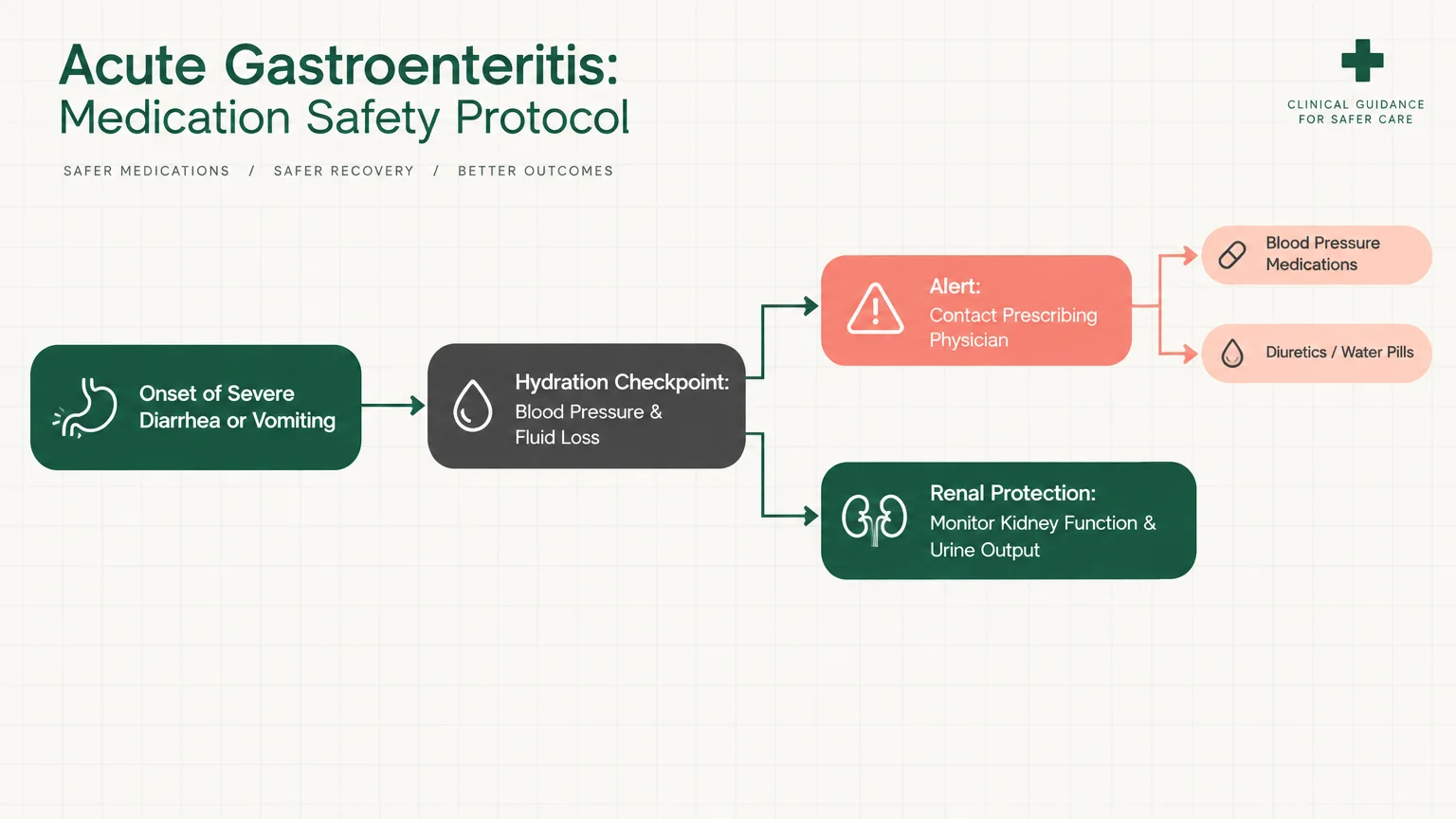
Strategy Pillar 2: Clinical Medication Adjustments and Chronic Illness Precautions
Managing daily prescription medications during an acute stomach bug requires extreme vigilance. Many common chronic medications become hazardous when your body faces severe fluid depletion.
Blood pressure medications, particularly ACE inhibitors and angiotensin receptor blockers, impair normal renal autoregulation during hypovolemia. Combining these drugs with severe diarrhea drastically elevates acute kidney injury risk.
Similarly, diuretic medications like furosemide or hydrochlorothiazide compound fluid depletion by forcing kidneys to excrete water. Continuing a diuretic during active gastroenteritis can precipitate acute circulatory collapse.
Oral diabetes medications present serious pharmacological risks during illness. Metformin carries an increased risk of provoking lethal lactic acidosis if kidney function declines during dehydration.
Modern diabetes drugs called SGLT2 inhibitors can induce dangerous euglycemic diabetic ketoacidosis when dehydration and reduced caloric intake occur together.
Nonsteroidal anti-inflammatory drugs also constrict renal blood vessels and can cause serious gastrointestinal bleeding. Avoid ibuprofen and naproxen entirely when fighting a viral stomach bug.
According to clinical guidance from the National Institute on Aging, you must consult your physician regarding personal sick-day medication guidelines.
Never alter prescription dosages or discontinue medications independently without direct guidance from your healthcare provider.
Diabetic individuals must monitor blood glucose levels every three to four hours during gastroenteritis. Reduced food intake paired with systemic infection creates unpredictable blood sugar swings.
Keep your primary care clinic’s phone number posted in plain sight for rapid consultation regarding medication management.

Strategy Pillar 3: Environmental Decontamination and Isolation Protocols
Viral stomach pathogens, particularly norovirus, exhibit exceptional resilience in residential environments. The virus survives on uncleaned surfaces for days and resists many common household disinfectants.
Alcohol-based hand rubs do not reliably destroy norovirus because the pathogen lacks a lipid envelope. You must wash your hands vigorously with plain soap and running water for at least twenty seconds.
Friction from handwashing physically lifts viral particles from skin creases and flushes them down the drain.
To sanitize contaminated hard surfaces, prepare a fresh household chlorine bleach solution. Dilute five to twenty-five tablespoons of regular household bleach per gallon of water to achieve proper virucidal strength.
Apply the bleach solution generously to toilet flush handles, faucets, doorknobs, and bedside tables. Allow the surface to remain visibly wet for a full five minutes before wiping.
According to the CDC Infection Control Guidelines, careful environmental disinfection breaks residential transmission cycles.
When handling soiled clothing and bed sheets, wear disposable rubber gloves. Avoid shaking dirty linens, as vigorous movement aerosolizes microscopic viral droplets into surrounding room air.
Wash soiled bedding and clothing immediately in hot water using the longest available wash cycle. Machine dry fabrics at high temperatures to ensure complete viral elimination.
Isolate the recovering individual in a dedicated bedroom and bathroom until forty-eight hours after all symptoms resolve.

Clinical Perspectives: Observations from Geriatric Care
Geriatric specialists emphasize that viral gastroenteritis requires early, aggressive supportive intervention rather than watchful waiting.
Emergency physicians frequently report that seniors arrive at hospital doors in severe states of metabolic shock. Family members often wait too long, expecting a simple stomach bug to resolve spontaneously.
Triage nurses highlight that falls represent the most frequent indirect presentation of norovirus in nursing facilities. A resident loses balance and falls on their way to the restroom before vomiting occurs.
Clinicians stress that subtle behavioral changes provide the most reliable early alarms in aging adults. A senior who becomes quiet or unsteady is often experiencing acute physiological distress.
Home health nurses recommend keeping pre-mixed oral electrolyte solutions and disposable gloves in your home pantry year-round.
Proactive household preparation allows you to initiate hydration protocols at the first sign of gastrointestinal upset.
Frequently Asked Questions
How long does the stomach flu typically last in older adults?
In healthy younger individuals, acute viral gastroenteritis usually resolves within twenty-four to forty-eight hours. However, in older adults, active symptoms frequently persist for four to seven days.
Intestinal mucosa regenerates more slowly in aging bodies, delaying full gastrointestinal recovery. Even after active vomiting stops, physical weakness and digestive sensitivity can linger for multiple weeks.
Seniors often experience temporary post-viral fatigue and mild bowel irregularity while gut microbiome diversity recovers. Support this rebuilding phase with nutrient-dense foods and adequate rest.
Consult your healthcare provider if active diarrhea or stomach pain lasts beyond seventy-two hours.
When should an older adult go directly to the emergency department?
Seek immediate emergency care if you observe severe red-flag indicators. These include sudden cognitive confusion, persistent vomiting lasting over twelve hours, and complete absence of urination for eight hours.
Severe dizziness that prevents standing, resting heart rates over one hundred beats per minute, and bloody stools also demand immediate hospital transport.
Fever accompanied by stiff neck, intense focal abdominal rigidity, or cold, mottled extremities also signals life-threatening decompensation. These signs indicate severe sepsis or vascular collapse requiring intensive medical management.
Do not attempt to drive yourself to the hospital if experiencing these symptoms; call emergency medical services immediately.
Can seniors safely take over-the-counter anti-diarrheal medications?
You should never take antimotility medications, like loperamide, without direct physician approval during suspected viral infections. These drugs paralyze bowel motility, trapping virulent pathogens and toxins inside the intestinal tract.
Trapping viral toxins can provoke severe toxic megacolon or worsen systemic bloodstream infections. Your body requires natural bowel clearance to eliminate the offending infectious agents safely.
Bismuth subsalicylate preparations also require caution because they contain salicylates, which interact dangerously with blood thinners and kidney disease. Always consult a pharmacist or doctor before taking any digestive relief product.
Focus your efforts on replacing fluid volume with oral electrolytes rather than chemically suppressing normal diarrhea.
How can long-term care facilities prevent massive norovirus outbreaks?
Residential facilities must implement immediate cohorting and transmission-based contact precautions at the earliest sign of infection. Staff should isolate symptomatic residents promptly and halt communal dining activities across affected wings.
Healthcare workers must prioritize rigorous soap-and-water handwashing over alcohol sanitizers when caring for residents with diarrhea. Thorough environmental decontamination using registered hospital-grade bleach disinfectants remains mandatory.
Facilities should also restrict outside visitors during active outbreaks to prevent introducing new viral strains. Establishing strict staff sick-leave policies prevents ill culinary or nursing personnel from spreading contagion.
Coordinated facility-wide responses halt secondary transmission and protect frail residents from life-threatening exposure.
Actionable First Steps for Long-Term Safety
Protecting yourself or an aging loved one against the stomach flu starts with intentional home preparation. Review your medicine cabinet today and confirm you possess oral rehydration salts and a functional digital thermometer.
Schedule a routine conversation with your primary care physician to discuss your personal sick-day medication rules. Knowing ahead of time how to handle diuretics or blood pressure medications prevents costly emergency guesswork.
Store your doctor’s emergency contact information and local urgent care addresses in an easily accessible folder. Having these clinical resources organized saves critical minutes during unexpected health crises.
Take a quiet moment to reflect on your household hygiene habits and hydration practices. Establishing simple safeguards today ensures resilience, rapid recovery, and peace of mind when viral season arrives.









Leave a Reply