
What is colorectal cancer?
Colorectal cancer is an overgrowth of cells located in the colon or rectum. These growths are called polyps and are common among older people. Most polyps are benign but can turn into cancerous cells in time.
Colon cancer and rectal cancer are usually referred to as colorectal cancer because they have a lot in common, including symptoms. However, there are two different types of cancers, depending on where they originated.
Colorectal cancer is the third type of cancer that is worthwhile. According to the American Cancer Society, men have a slightly higher risk. About 4.3% of men and 4% of women will receive a rectal or colon cancer diagnosis in their lifetime. This type of cancer typically affects older individuals, but it can happen at any age.
During the early stages of the disease, patients may not experience any symptoms. It’s essential to listen to doctor’s recommendations and have preventive screenings since colorectal cancer is highly treatable if discovered in its early stages. However, there ARE a few cues that should send you to the doctor as soon as possible. Here’s the first one:

Symptoms in women
Generally, symptoms are the same for both genders, but they may look different from one person to another. Women can be harder to diagnose because their symptoms may be similar to endometriosis, menopause, or simply because the patient is reluctant to speak about their bowel movement with their doctors.
Listening to your body and noticing when something is out of the ordinary is essential. Some of the symptoms related to colorectal cancer may include:
1. A change in bowel habits
Bowl habits are different from person to person. Infection, food, and medication can be the reason why some changes may occur. If something is different in your life, there’s a big chance that you will notice a change in your toilet.
Bowel movement can tell us many things about our health, so it is essential to pay attention if something has been different for a long time. Changes you should pay attention to include diarrhea, constipation, narrowing of stool, change of color, or even frequency.
Poop may be a toddler’s favorite subject, but for many of us can be embarrassing to talk so much about it. Even if it won’t be the most pleasant conversation, telling your doctor about your concerns is essential.
2. Blood in the stool
You may experience blood in your stool or rectal bleeding, also known as hematochezia, for different reasons. Some may be less frightening, like hemorrhoids or constipation, but it can also mean that there is a polyp in your lower digestive tract.
Women can experience conditions such as endometriosis, which can lead to pain, bloating, cramping, and bleeding. In rare instances, endometriosis can affect the colon, resulting in bleeding that can be observed during a colonoscopy.
If the bleeding lasts more than a couple of weeks and is also accompanied by pain, you should see a specialist who will recommend a rectal exam or a colonoscopy.
3. Ongoing discomfort in the abdominal area
Women typically experience cramping and bloating quite often, so it may not seem like something to worry about. While it’s not a common symptom of cancer, depending on the location or the size of the polyp, a patient may present some of these symptoms.
Women have to pay attention to what their body is telling them. Abdominal pain can mean a lot of things, but if the pain seems different from what you’ve experienced before and it doesn’t go away, tell your doctor and get it evaluated.
Pain and having a feeling you should have a bowel movement, even when there is no need or a sense that the bowel isn’t entirely empty, can also be a symptom related to this type of cancer.
4. Excessive fatigue
We all feel tired occasionally, but if the tiredness persists even after getting plenty of sleep and lasts more than a few weeks, it may be a sign that something is wrong.
Extreme fatigue, weakness, or shortness of breath can be signs of anemia. In colon or rectal cancer, anemia appears due to inflammation or bleeding in the lower intestinal tract. Bleeding leads to a low count of red blood cells and iron in the bloodstream. Without enough iron, the body can’t properly transport oxygen, making us tired.
See your doctor if you develop signs and symptoms that suggest iron deficiency anemia. Iron deficiency anemia isn’t something to self-diagnose or treat, and it may be a sign of a more serious condition.
5. Unexplained weight loss
Losing weight without trying is never a good sign. Most of the time, unexpected weight loss is due to stress, but if you notice you also have other unusual symptoms like the ones above, it is a sign it’s time to call your doctor.
Cancer cells change how your body transforms food into energy, which can cause weight loss. Also, a tumor can block the colon, producing changes in bowel habits and even weight loss.
People with colorectal cancer may not have any symptoms at all, especially in the early stages of the disease. By the time symptoms appear, cancer advances and it will be harder to treat, or it can even cause death. This is the reason why periodic screening is essential. Talk to your doctor and plan for your next appointment.
Causes and risk factors
Experts say there are no symptoms that are specific to women. Women at menopause are at a higher risk of developing colorectal cancer, but only because the risk of developing cancer increases with age. This is something specific for both genders. Doctors recommend men and women with an average risk start having screening colonoscopies every 10 years, beginning at the age of 45.
Having a family with a history of colon or rectal cancer puts you at a higher risk. If you have more than one family member who has colon cancer or rectal cancer, it increases the risk more. Genetic tests can give you more information, and your doctor will recommend proper investigations.
Inflammatory bowel disease and Crohn’s disease are autoimmune diseases that are known to increase the risk of also developing colorectal cancer.
Lifestyle choices can also play an essential role in increasing the risk of developing any cancer. In time, a diet low in fiber and high in fat can increase the risk of obesity and inflammation, which, in time, can lead to colorectal cancer.
Other risk factors are not exercising regularly, smoking, and drinking too much alcohol.
Prevention
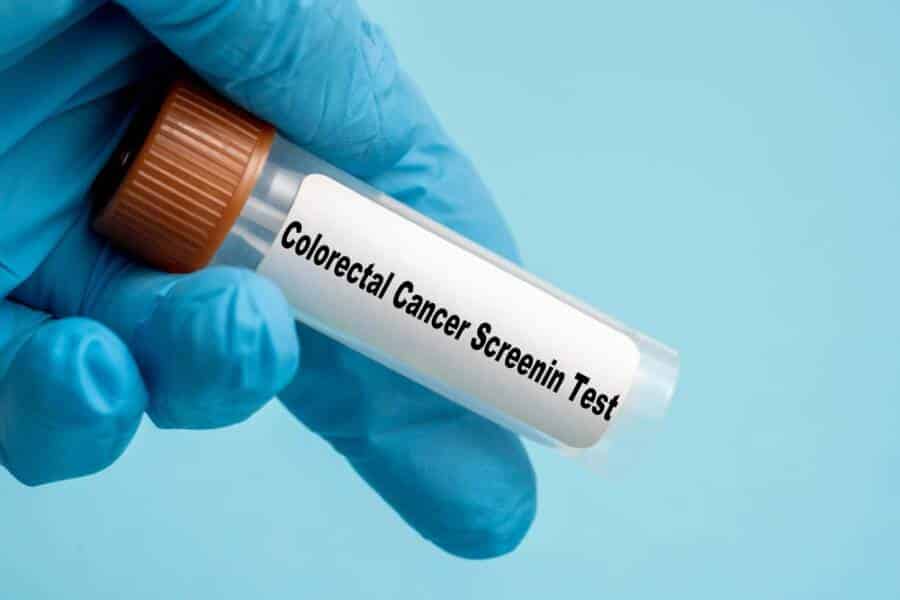
Regular screening for colorectal cancer can help doctors find precancerous nodules that can be removed before they turn into cancer. Screening is vital because, when found early, colorectal cancer is highly treatable.
Several tests are used for colon cancer screening. Talk to your team of specialists about the best option for you.
Making lifestyle changes may reduce the risk of developing cancer and also make you feel better in general. To lower the risk, experts generally recommend:
Eat enough fiber
The average fiber intake in America is between 6 and 10 grams per day, while the recommended daily amount for adults is 25 grams for women and 38 grams for men. How do you incorporate more fiber into your diet? Eating more whole foods, fruits, vegetables, and whole grains is essential in helping you get the daily dose of fiber and various nutrients, vitamins, minerals, and antioxidants necessary for a healthy lifestyle. If you need ideas on incorporating more fiber into your meals, check out this high-fiber cookbook on Amazon.
Drink alcohol in moderation, or even go alcohol-free
Recent studies show that no amount of alcohol is safe, but from time to time, we all like to enjoy a glass of wine. If you feel that you can’t go alcohol-free, try to limit the amount.
Stop smoking
There is no debate here. If you find it challenging to quit smoking, seek help from your healthcare team.
Exercise
Try to get at least 30 minutes of exercise on most days. Walking also counts, especially if you live a sedentary lifestyle. Take a walk with your dog, or walk in the park with your grandkids daily, and you will notice a difference in time.
If you have other health problems that can prevent you from exercising, talk with your healthcare professionals and build an exercise program together.
Maintain a healthy weight
If you already have a healthy weight, your primary focus should be maintaining it by following a balanced diet and daily exercise.
Healthy weight differs for each person, so the first step is to talk to your healthcare providers and determine the best option for you and your needs.
You should also check out Colon Cancer Is Very Sneaky! Here Are 9 Ways to Reduce Your Risk.







Leave a Reply