
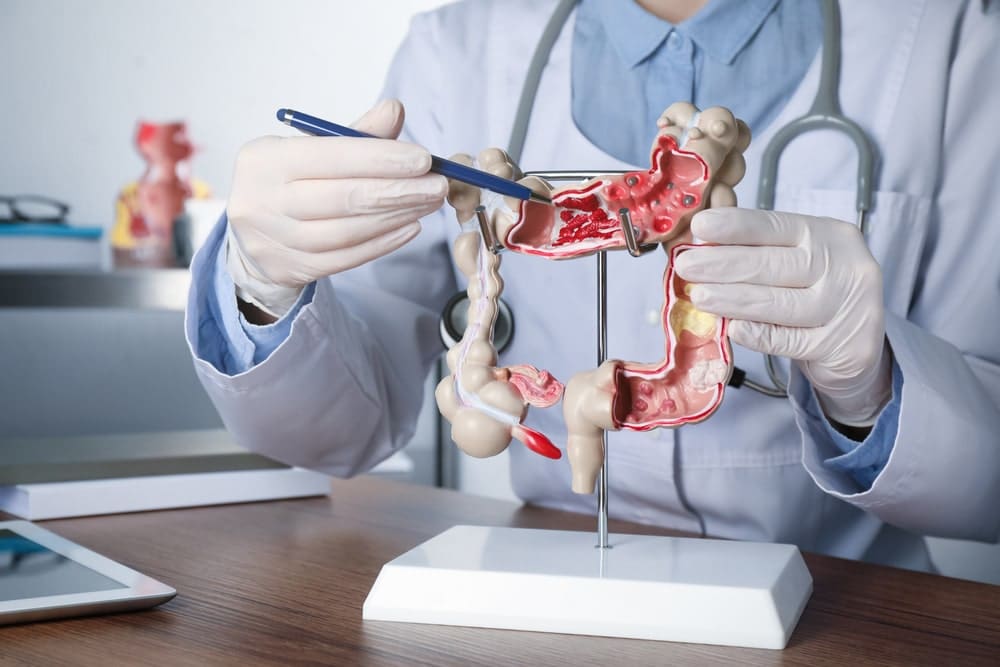
How can you prevent colon cancer?
Colon cancer is the fourth most commonly diagnosed form of cancer and the second most common cause of cancer death in the United States. About 107,000 Americans are diagnosed with this type of cancer each year. These are somber and scary statistics, but there’s an important point to be made: colon cancer is preventable.
While you can’t prevent certain risk factors, such as family history and age, by following screening guidelines and living a healthy lifestyle, you can reduce your chances of developing colon cancer.
Below are 10 ways you can do that, so let’s get started!

1. Get to your healthy weight and maintain it
Obesity—being very overweight—is associated with a higher risk of developing several forms of cancer, including colon cancer.
What’s a healthy weight, and what’s considered being overweight? The answer can be tricky. When it comes to an ideal weight, it’s very individualized. In other words, there’s no single best number that applies to all individuals.
One imperfect yet still effective tool doctors use to determine whether someone’s weight may be affecting their health and overall well-being is body mass index (BMI), which is a measurement of a person’s height-to-weight ratio.
According to experts, if your BMI is higher than 25, it may be a sign that you’re overweight. A BMI of 30 or higher is usually considered a sign of obesity.
The best thing you can do is work with your doctor to determine if you’re overweight and, if that’s the case, make a plan for losing weight. According to the National Cancer Institute, people with obesity or overweight are around 30% more likely to develop colon cancer than those who have a healthy weight. Moreover, a high BMI is associated with an increased risk of colon cancer, particularly in men.
2. Eat vegetables and fruits
While the research is somewhat limited, multiple studies have shown that diets prioritizing plants are linked to a lower risk of colon cancer. There’s no one clear answer as to why that is,, but it’s not totally surprising. Fruits and vegetables contain plenty of beneficial nutrients, including vitamins, minerals, antioxidants, fiber, and other phytochemicals.
According to a recent study, only 9% of Americans eat enough fruits and vegetables. Moreover, a 2015 study found that a plant-based diet lowered the risk of colon cancer by 49%, compared with a typical American diet that includes high meat consumption.
So, aim to fill half of your plate with veggies at every meal and have fruits as a snack.
3. Avoid processed meats
Processed meats include lunch meat, sausage, and bacon. Even nitrate-free or organic lunch meat is still considered processed. Many studies have shown that consuming a lot of processed meat increases a person’s risk of developing colon cancer.
Red meat seems to fall into the same category, as it’s also associated with a higher risk of colon cancer. A 2005 study conducted in the US found that a high consumption of both processed meats and red meats led to a significant increase in the risk of colon cancer.
For this reason, the International Agency for Research on Cancer designated processed meat as “carcinogenic,” or, in other words, with the potential to cause cancer.
Also, if you eat red meat, be mindful of your portions. And when cooking it, you’re better off broiling, poaching, or baking instead of barbeques, smoking, or charbroiling. Red meat doesn’t just include beef; it also includes pork, venison, and bison.
4. Eat a fiber-rich diet
Fiber comes with many health benefits—promoting good gut health, keeping bowel movements regular, and aiding with weight control since it helps you feel full for longer. Several studies have also indicated that adequate fiber intake is linked to a reduced colon cancer risk.
However, similar to how our diets are sorely lacking in vegetables and fruits, only 9% of women and 5% of men eat enough fiber daily. To help slash your colon cancer risk, as well as your risk for other chronic health conditions, it’s essential to make sure you’re getting enough fiber every day.

5. Limit your alcohol consumption
Consuming alcohol doesn’t come with just short-term risks. There are several long-term consequences of moderate to severe alcohol use, including an increased risk of developing colon cancer as well as other forms of cancer.
A 2018 study established that chronic heavy drinking is one of the largest contributors to the development of colon cancer. If you need more evidence, a 2021 study conducted by the World Health Organization also confirmed a connection between alcohol and a higher risk of colon cancer.
If you choose to drink, limit your intake to no more than one serving of alcohol per day. Here’s what experts define as one serving: 5 ounces of 12% AMB wine, 12 ounces of 5% ABV beer, and 1.5 ounces of 80-proof liquor.
ABV, which stands for alcohol by volume, is information you can find on the bottle. Make sure you check this number since some beverages have a higher percentage than those listed above.
6. Get daily physical activity
Regular exercise can help you manage your weight and lower your risk of colon cancer. And those aren’t the only benefits. Physical activity can also improve your mental health, boost your spirits, and even help you sleep better.
A 2019 study shows that exercise may not only prevent about 15% of colon cancers but may also reduce the mortality risk and recurrence of colon cancer before and after diagnosis. Conversely, a 2017 study found that a sedentary lifestyle, specifically occupational sitting time, prolonged TV viewing, and total sitting time, were linked to increased colon cancer in adults.
Aim to exercise for at least 30 minutes per day, five days per week. According to experts, any combination of exercises that totals 150 minutes per week is good. Every activity counts, from strength training and cardio to yard work and house chores. So get moving!
By the way, if you don’t want to go to the gym, here are some home workout equipments you may want to have a look at.
7. Get screened regularly for colon cancer beginning at age 45
One of the most effective methods to reduce your risk is to follow the colon cancer screening guidelines. According to researchers, screening tests can help find precancerous polyps before they turn into cancer or when it’s still an early cancer that is easier to treat.
Screening colonoscopies usually begin at age 45 and are performed every 10 years. Keep in mind that, if you’re at higher risk, your doctor may suggest you begin screening colonoscopies earlier and have them more frequently.

8. Be aware of the colon cancer risk factors
When it comes to colon cancer, it’s important to know the risk factors so you know whether you’re prone to developing it. Some risk factors for this type of cancer include age 50 or older; family history of colon cancer; eating a low-fiber diet; race (African Americans have a much higher risk); a history of alcohol and tobacco use; a personal history of inflammatory or gastrointestinal conditions; and being overweight and physically inactive.
If you’re at higher risk, start establishing a relationship with a gastrointestinal specialist right away so that you have someone who already knows and understands your health history in the event you do develop concerning issues.
9. Know the reasons for screening earlier
Talk to your doctor about whether you may need to start colon cancer screening if you have a personal history of colorectal polyps, inflammatory bowel disease (IBS), such as ulcerative colitis or Crohn’s disease, a family history of colon cancer, or certain genetic syndroms, like hereditary non-polyposis colorectal cancer (Lynch syndrome) or adenomatous polyposis (FAP).
If you’ve found our article helpful, you may also want to read 7 Doctor Approved Tips to Reduce Bloating Fast.







I was surprised. It was not asking for money to try a product.