
You can protect your mobility and stop progressive vascular damage by recognizing the subtle differences between cosmetic varicose veins and chronic venous insufficiency. Millions of aging adults brush off heavy, aching legs as a normal part of getting older, allowing underlying circulation problems to worsen until irreversible tissue damage occurs. When the valves in your leg veins fail to pump blood efficiently back to your heart, the resulting pooled blood causes a cascade of painful symptoms that require medical intervention. Identifying these hidden signs early empowers you to seek effective treatments, implement crucial lifestyle modifications, and preserve your leg health for decades to come.
The Science of Chronic Venous Insufficiency
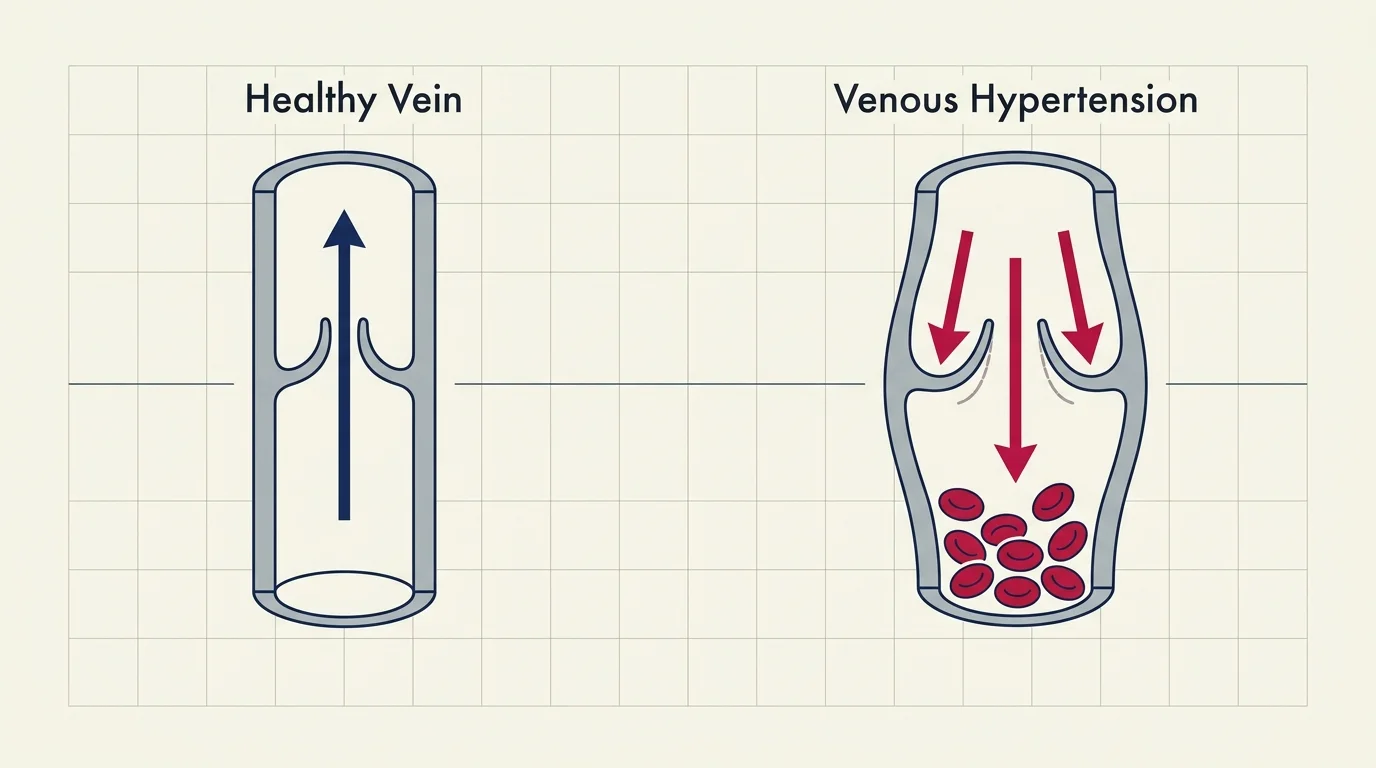
Your circulatory system relies on a delicate network of one-way valves inside your leg veins to push oxygen-depleted blood back up to your heart. Because this blood must travel against gravity, your veins depend entirely on the physical squeezing action of your calf muscles—often referred to as your second heart—to force the blood upward. Whenever these tiny valves become damaged or weakened, they lose their ability to snap shut completely. Blood flows backward and pools in the lower extremities, creating an environment of elevated venous pressure known as venous hypertension.
According to researchers at the National Institutes of Health, this sustained pressure stretches the vein walls and forces fluid, inflammatory proteins, and red blood cells out of the vessels and into the surrounding skin and muscle tissue. While simple varicose veins present as enlarged, twisted veins just under the surface of the skin, chronic venous insufficiency represents a systemic failure of venous circulation. Furthermore, social determinants of health play a massive role in this disease process; individuals working in retail, manufacturing, or healthcare jobs that require prolonged standing face significantly higher risks of developing venous hypertension due to continuous gravitational strain without adequate rest.
9 Hidden Signs of Chronic Venous Insufficiency
1. Heavy, Aching Legs That Worsen by Evening
Living with chronic venous insufficiency often feels like walking with lead weights strapped to your ankles. Unlike normal muscle soreness that follows a strenuous workout, venous aching develops steadily throughout the day as blood gradually pools in your lower limbs. The excess fluid volume places immense pressure on your surrounding nerves and muscle tissues. You will likely notice that your legs feel relatively normal when you first wake up, only to become painfully heavy, fatigued, and tight by the time you return home from work or finish your evening chores.
2. Persistent Swelling in the Lower Legs and Ankles
Swelling, clinically known as edema, serves as one of the most prominent red flags of compromised vein function. As venous pressure forces fluid through the weakened walls of your blood vessels, water accumulates in the soft tissues of your calves and ankles. If you press your finger firmly into the swollen area for a few seconds and the indentation remains visible after you remove your finger, you are experiencing pitting edema. This level of fluid retention indicates that your vascular system can no longer manage the fluid load efficiently.
3. Dark, Rust-Colored Discoloration Around the Ankles
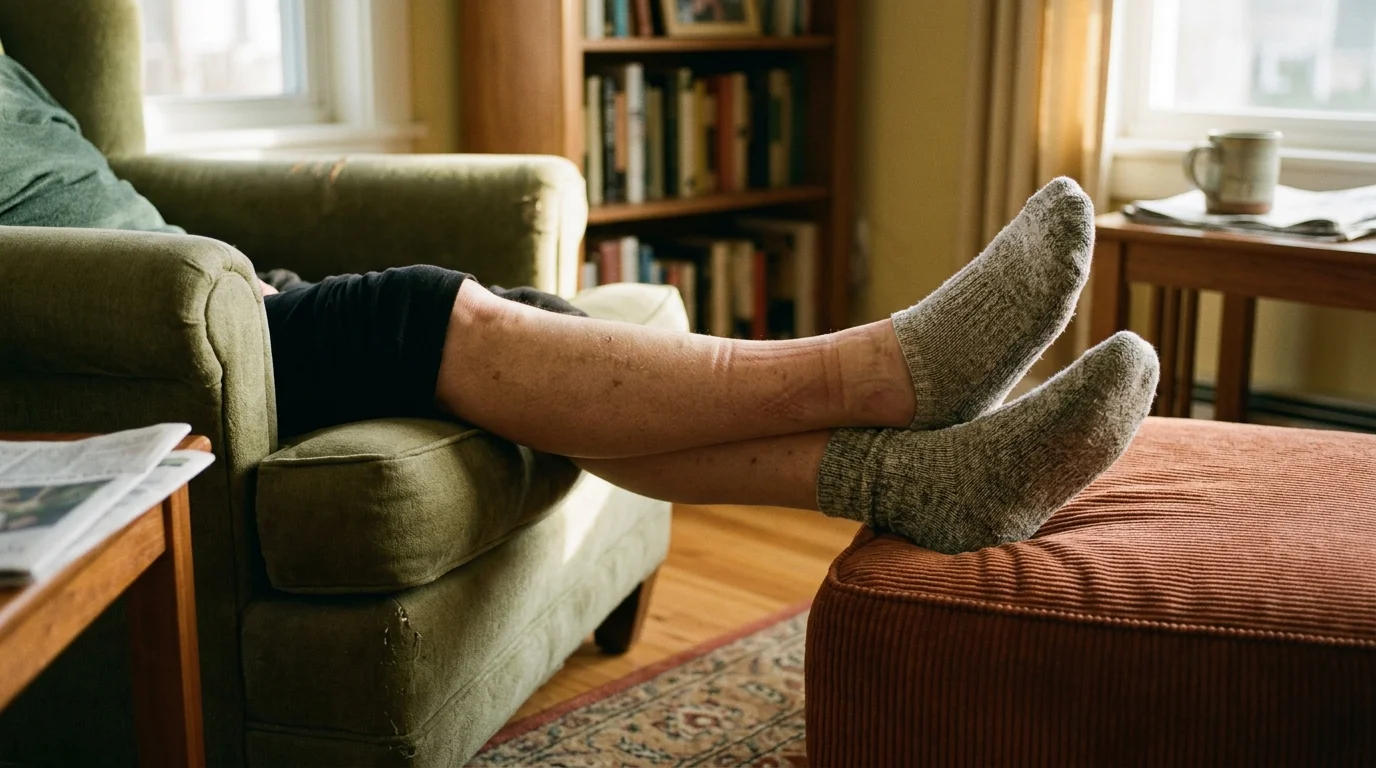
Many patients initially mistake the dark, brownish patches forming around their ankles for sun damage or aging spots. However, this discoloration—called hemosiderin staining—occurs when high venous pressure forces red blood cells out of your capillaries and into your skin. As these misplaced blood cells die and break down, they leave behind iron deposits that permanently stain your tissue from the inside out. This rust-colored hyperpigmentation provides a clear visual indicator that active vascular damage is occurring beneath the surface of your skin.
4. Thickened, Leathery Skin Texture
Over time, the continuous presence of inflammatory proteins and pooled fluid causes the subcutaneous fat in your lower legs to harden and scar. This condition, known as lipodermatosclerosis, transforms the previously soft, pliable skin of your calves into a tough, woody, and leathery barrier. As the tissue hardens, it may bind tightly to the underlying muscle, occasionally causing the lower leg to narrow dramatically above the ankle—a phenomenon medical professionals often describe as an inverted champagne bottle appearance.
5. Intense Itching and Flaky Skin Over Veins
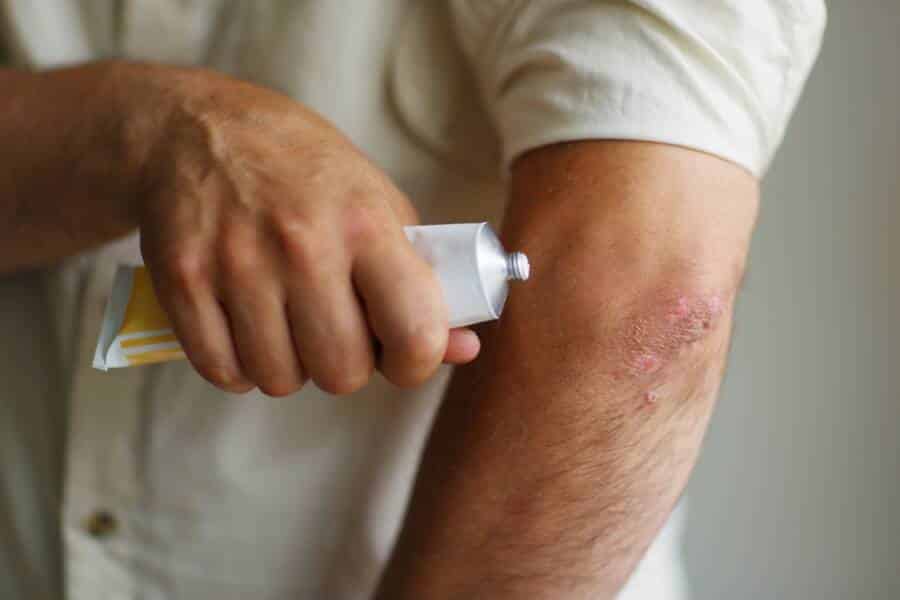
Severe leg itching frequently masquerades as simple dry skin or winter eczema, leading many people to waste money on ineffective over-the-counter moisturizers. When chronic venous insufficiency drives inflammation outward into the epidermal layers, it triggers venous eczema or stasis dermatitis. Your skin becomes red, flaky, and intensely itchy right over the areas where blood is pooling. Scratching this vulnerable tissue creates microscopic tears, rapidly increasing your risk of developing severe bacterial infections.
6. Restless Legs and Nighttime Muscle Cramps
When poor circulation traps oxygen-depleted blood in your extremities, your muscles cannot clear out metabolic waste products like lactic acid efficiently. The accumulation of these cellular byproducts irritates your muscle fibers and nerves, frequently resulting in painful spasms and an uncontrollable urge to move your legs. If you regularly experience agonizing calf cramps in the middle of the night or struggle with restless leg syndrome as soon as you lie down, your venous valves may be failing to clear vascular waste.
7. Slow-Healing Sores or Open Ulcers
Venous stasis ulcers represent the most severe and dangerous stage of chronic venous insufficiency. Because the pooled blood cannot deliver fresh oxygen and essential nutrients to your skin, minor scrapes or bug bites lose their ability to heal naturally. The starved tissue eventually breaks down, forming shallow, weeping open wounds usually located on the inner side of the ankle. These ulcers remain incredibly vulnerable to infection and demand immediate, specialized wound care from a medical professional.
8. Leg Pain That Rapidly Resolves With Elevation
You can often test your own venous function by analyzing how your leg pain responds to gravity. Arterial circulation problems typically cause pain when you elevate your legs because your heart struggles to pump blood upward. Conversely, the pain associated with chronic venous insufficiency vanishes almost miraculously when you lie down and prop your legs up on a few pillows. Elevating your feet above the level of your heart manually drains the stagnant blood out of your swollen veins, instantly relieving the oppressive pressure in your calves.
9. Localized Heat Around Prominent Veins
While superficial varicose veins usually feel identical to the surrounding skin, progressive venous insufficiency can trigger active inflammation within the blood vessel itself. If a prominent vein suddenly feels unusually warm to the touch, turns red, and becomes firm or tender, you may be developing superficial thrombophlebitis. This localized heat indicates that your immune system is reacting to the stagnant blood, and it often signals an increased risk of developing blood clots that require medical evaluation.
Strategic Pillars for Managing Leg Health
Movement and Circulation Strategies
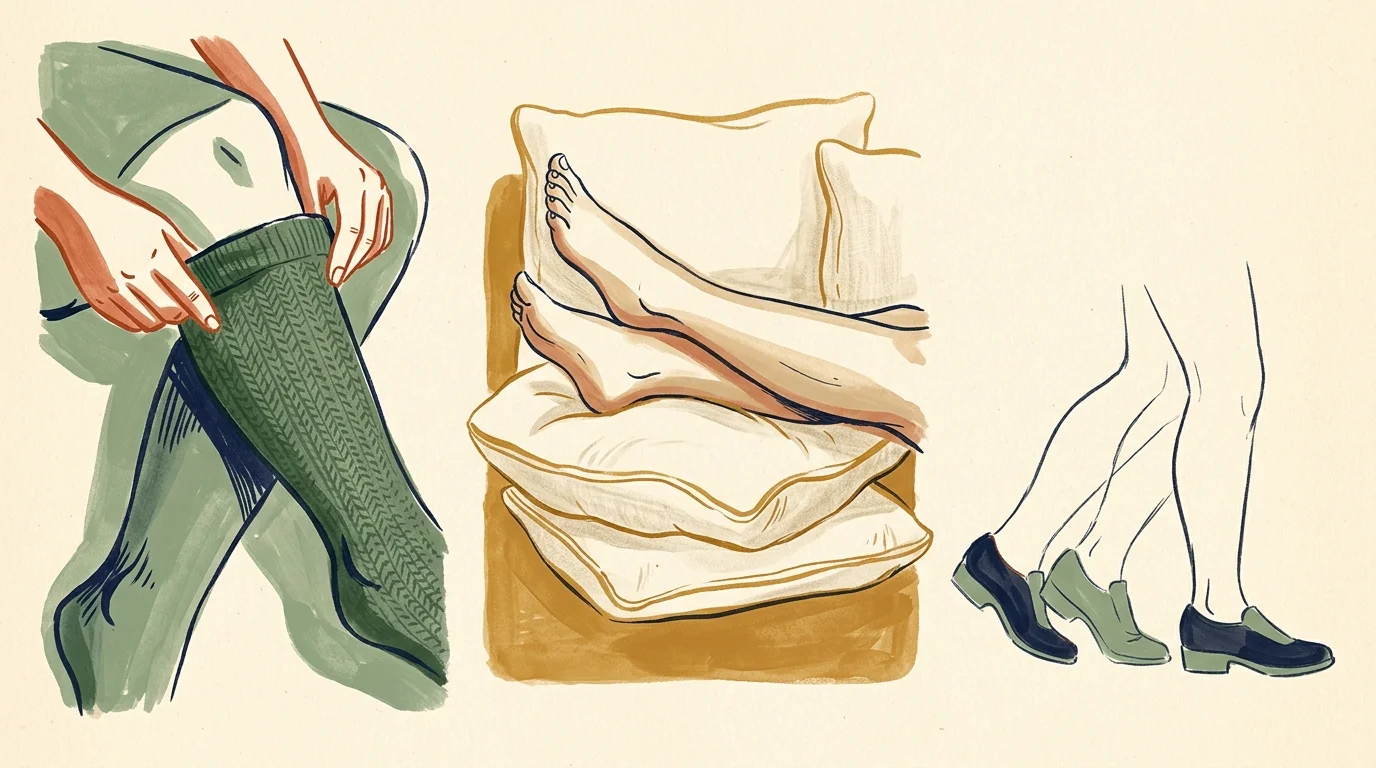
Consistent, targeted movement serves as your primary defense against venous pooling. Because your calf muscles function as the biological engine for your leg veins, keeping those muscles active directly reduces venous hypertension. Incorporate a daily walking routine to force your calf muscles to contract and pump fluid back toward your heart. If mobility limitations prevent you from walking long distances, you can easily perform seated heel raises and ankle circles throughout the day. Set a timer to remind yourself to pump your ankles back and forth for three minutes every hour you spend sitting at a desk or riding in a vehicle.
Nutrition for Vascular Health
Your dietary choices significantly influence the integrity of your blood vessels and the severity of your lower leg swelling. The Academy of Nutrition and Dietetics emphasizes that managing sodium intake plays a critical role in preventing edema; excess salt forces your body to retain extra water, placing a heavier burden on your already compromised veins. Prioritize foods rich in vascular-supporting flavonoids, such as dark berries, citrus fruits, and leafy greens, which reinforce the strength of capillary walls and reduce systemic inflammation. Additionally, maintaining optimal hydration keeps your blood from becoming too viscous, making it much easier for your weakened veins to circulate fluid effectively.
Medical Care and Psychological Resilience
Managing chronic vascular disease requires a strong partnership with a healthcare provider and a proactive mindset. The Society for Vascular Surgery strongly recommends medical grade compression therapy as the gold standard for managing chronic venous insufficiency. Prescription compression stockings apply graduated pressure—tightest at the ankle and gradually loosening further up the leg—to physically prevent blood from flowing backward. Furthermore, navigating chronic pain and the visible changes to your legs can take a significant toll on your mental health. Acknowledge the emotional impact of these physical changes, seek out support groups, and speak candidly with your physician about minimally invasive ablation procedures that can permanently close diseased veins and reroute blood to healthy vessels.

Real Voices in Vascular Care
Vascular specialists consistently emphasize the critical importance of early intervention when treating circulation disorders. Clinical practitioners frequently observe that patients endure years of unnecessary discomfort because they assume their heavy, discolored legs simply reflect the natural aging process. By the time many individuals finally visit a vascular clinic, they have already developed irreversible skin scarring or painful open ulcers. Physical therapists also echo this sentiment, reminding patients that movement is medicine; they report immense clinical success when patients combine daily compression wear with structured walking programs. Hearing from individuals who have successfully navigated this condition reinforces a crucial message: you do not have to accept chronic leg pain as a permanent fixture in your life. Taking proactive steps today can dramatically improve your daily comfort and long-term mobility.
Frequently Asked Questions
Can compression stockings reverse chronic venous insufficiency?
Compression therapy cannot repair or rebuild the damaged valves inside your veins, meaning it does not cure or reverse chronic venous insufficiency. However, compression garments remain highly effective at managing the symptoms and preventing the disease from progressing. By externally supporting your vein walls, the stockings stop fluid from pooling, eliminate daily swelling, and drastically reduce your risk of developing painful venous ulcers.
Is walking bad for my legs if I have venous insufficiency?
No; walking is actually one of the most beneficial activities you can perform for your vascular health. Every time you take a step, your calf muscle squeezes the deep veins in your leg, powerfully pumping stagnant blood upward and overcoming the force of gravity. Ensure you wear supportive footwear and, ideally, your compression stockings while walking to maximize the efficiency of your calf muscle pump.
How do I know if my leg swelling is serious enough for a doctor?
You should seek prompt medical evaluation if your swelling begins suddenly, affects only one leg, is accompanied by sharp pain, or leaves deep indentations when you press on your skin. Additionally, according to guidelines from the Centers for Disease Control and Prevention, if you experience sudden shortness of breath or chest pain alongside leg swelling, you must seek emergency care immediately, as this may indicate a deep vein thrombosis that has traveled to your lungs.
What foods should I avoid to improve my circulation?
To protect your vascular system, strictly limit your consumption of ultra-processed foods, fast food, and canned soups, which typically contain exorbitant amounts of hidden sodium. High sodium intake exacerbates fluid retention and worsens ankle swelling. You should also moderate your intake of refined sugars and excessive alcohol, both of which drive systemic inflammation and place unnecessary stress on your circulatory system.
Take Your First Step Toward Better Leg Health
Managing chronic venous insufficiency requires patience, consistency, and a willingness to advocate for your own physical wellbeing. Start by taking one manageable step today: dedicate fifteen minutes this evening to lying flat on your back with your legs elevated on a stack of pillows above the level of your heart. As you feel the pressure physically drain from your calves, reflect on how your legs have been feeling during your daily routine. If you recognize several of the hidden signs discussed above, call your primary care physician to schedule a comprehensive vascular screening. Early detection remains your most powerful tool in preserving your mobility and reclaiming your comfort.






Leave a Reply