
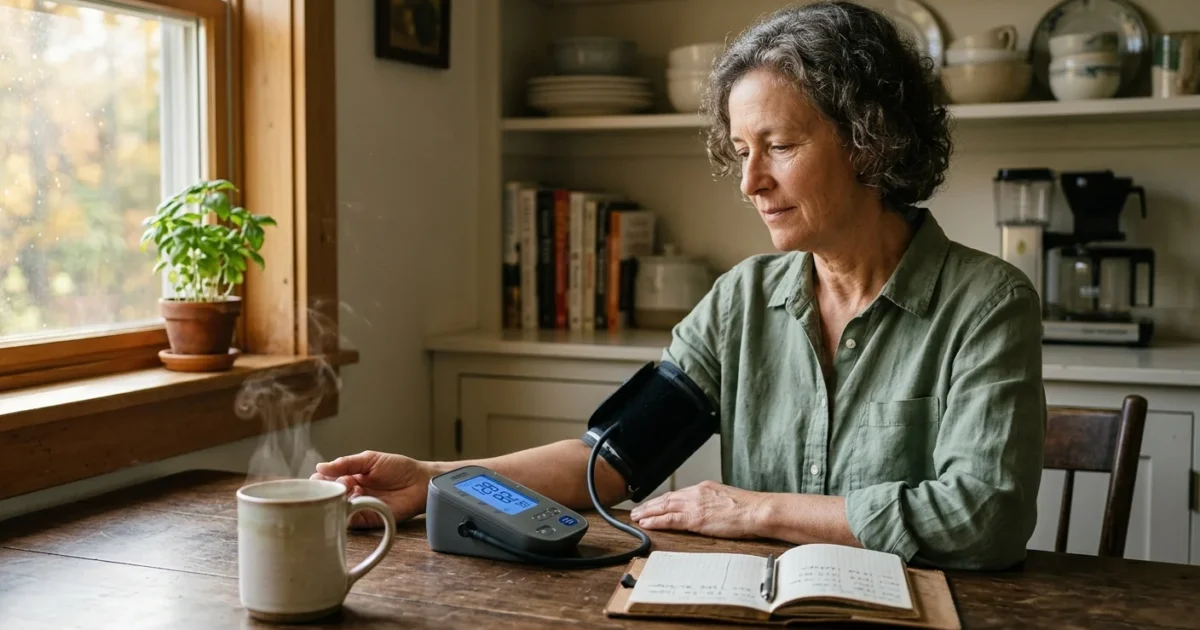
Finding the right blood pressure medication often requires ongoing adjustments rather than a single prescription. Managing hypertension protects your cardiovascular system, yet body changes, shifting stress levels, and drug tolerances frequently alter how your body responds to therapy over time. Recognizing subtle shifts—such as frequent lightheadedness, persistent morning headaches, or unyielding swelling in your ankles—helps you collaborate with your physician before minor side effects turn into major health setbacks. Understanding these warning signals empowers you to fine-tune your treatment plan, ensuring your blood pressure stays safely within range while preserving your daily energy and overall vitality.
The Science of Blood Pressure Management and Target Thresholds
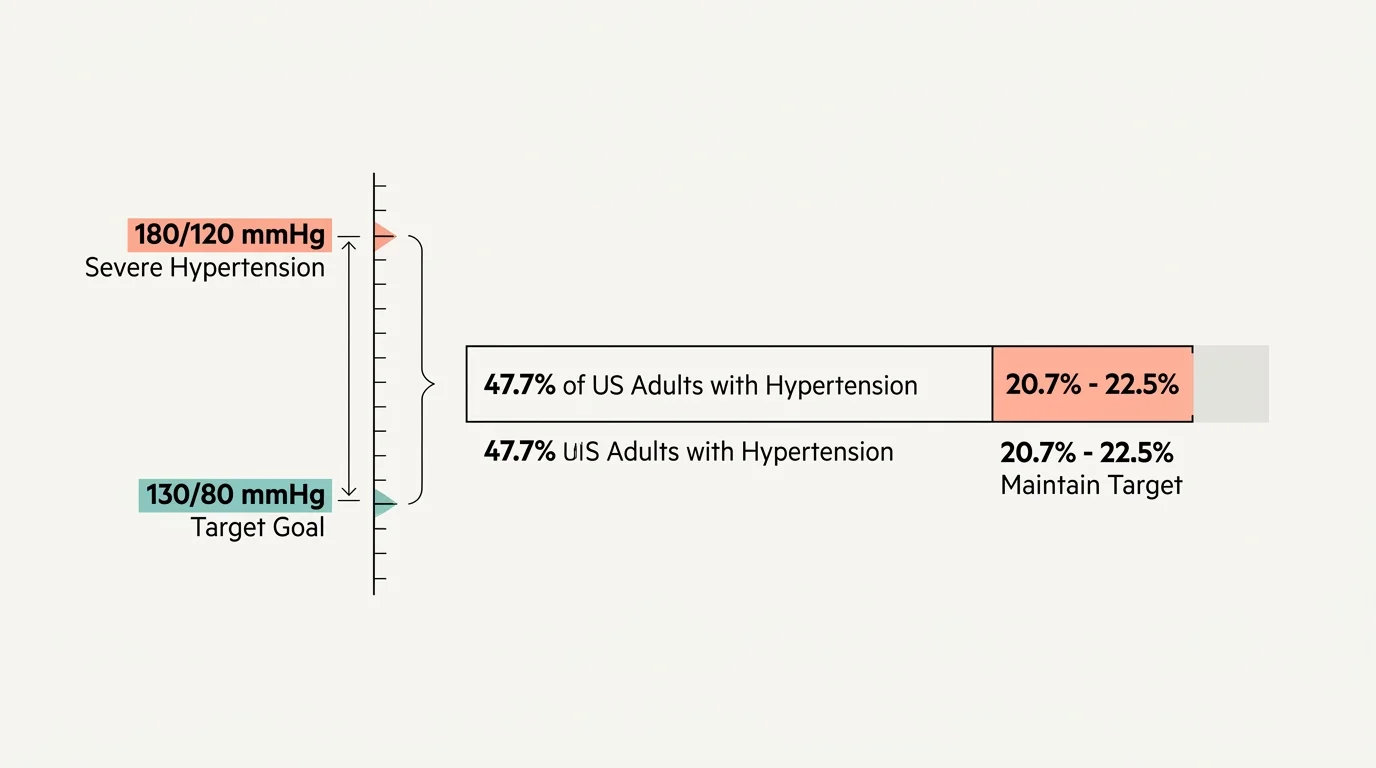
Managing high blood pressure requires ongoing vigilance as cardiovascular research updates target benchmarks. According to Centers for Disease Control and Prevention statistics released in late 2024, approximately 47.7 percent of U.S. adults—nearly 120 million people—have hypertension. Although 51.2 percent of affected adults take antihypertensive medications, only 20.7 to 22.5 percent successfully maintain their readings below target thresholds; this gap demonstrates why ongoing medication management remains essential.
The scope of this challenge extends globally. Updated World Health Organization reports indicate that 1.4 billion adults aged 30 to 79 worldwide live with hypertension, yet only 23 percent achieve effective blood pressure control. In response, updated clinical consensus from the American Heart Association guidelines sets the blood pressure target goal strictly at under 130/80 mmHg for all adults. Physicians now utilize the advanced PREVENT equation to estimate ten-year cardiovascular disease risk when initiating or adjusting medication dosages.
These clinical updates also replace older terms like “hypertensive urgency” with “severe hypertension.” Clinicians define severe hypertension as any reading exceeding 180 mmHg systolic or 120 mmHg diastolic, requiring prompt medical evaluation. Recognizing these scientific benchmarks helps you identify when your current medication regimen requires professional adjustment.

9 Signs Your Medication Regimen Needs Evaluation
1. Your Daily Readings Consistently Hover Above 130/80 mmHg
If your home blood pressure monitor repeatedly displays readings above 130/80 mmHg despite strict adherence, your body may have developed drug tolerance, or your dose may be insufficient. Vascular resistance changes over time due to arterial stiffening or metabolic shifts. When numbers remain elevated across several consecutive weeks, your cardiovascular system absorbs unnecessary stress; this continuous pressure increases long-term risks for organ damage. Log your readings twice daily for two weeks and share these patterns with your provider to evaluate dosage adjustments.
2. You Experience Dizziness or Lightheadedness Upon Standing
Feeling lightheaded or unsteady when rising from a seated position signals orthostatic hypotension. Antihypertensive medications—particularly vasodilators and high-dose diuretics—can lower arterial pressure too aggressively during posture changes. When blood pressure drops rapidly, temporary reduced cerebral blood flow causes dizziness, increasing fall risks. If standing up makes the room spin, your physician may need to reduce your dosage or adjust medication timing.
3. A Persistent, Tickling Dry Cough Disturbs Your Daily Life
A chronic, dry cough that fails to respond to standard cough suppressants is a common side effect of Angiotensin-Converting Enzyme (ACE) inhibitors like lisinopril. ACE inhibitors prevent the breakdown of bradykinin in lung tissue, triggering a persistent tickle. While not dangerous, this symptom can disrupt sleep and daily comfort. Doctors frequently resolve this by transitioning patients to Angiotensin II Receptor Blockers (ARBs), which offer equivalent cardiovascular protection without the cough.
4. Swelling Develops in Your Ankles, Feet, or Lower Legs
Fluid buildup—known as peripheral edema—in your lower extremities often points to calcium channel blockers such as amlodipine. These medications relax arterial walls, which can increase capillary pressure and leak fluid into surrounding tissue. While mild ankle puffiness seems harmless, significant swelling indicates fluid dynamics require recalibration. Your doctor may adjust your dose, add a mild diuretic, or switch you to an alternative drug class.
5. Your Blood Pressure Spikes Exceeding 180/120 mmHg
A sudden blood pressure reading higher than 180 mmHg systolic or 120 mmHg diastolic indicates severe hypertension. Current clinical standards highlight that readings at this level create acute cardiovascular strain, requiring prompt medical evaluation. Rest quietly for five minutes and retest. If numbers remain elevated, contact your healthcare provider immediately; if accompanied by chest pain, shortness of breath, or severe headaches, seek emergency care right away.
6. You Feel Chronically Fatigued, Foggy, or Notice Cold Extremities
Unexplained fatigue, mental fog, or perpetually cold hands and feet can stem from beta-blockers such as metoprolol. Beta-blockers slow your heart rate and reduce cardiac contraction force; however, an overly potent dose can excessively reduce cardiac output and peripheral circulation. When less oxygenated blood reaches your limbs and brain, daily stamina plummets. If everyday tasks exhaust you, your clinician can adjust your dosage or select a different medication class.
7. Frequent Muscle Cramps or Weakness Signal Electrolyte Shifts
Diuretics help your body eliminate excess sodium and fluid to lower blood pressure. However, loop and thiazide diuretics also cause your kidneys to excrete essential minerals like potassium and magnesium. Depleted potassium levels manifest as painful muscle cramps, leg spasms, muscle weakness, or heart palpitations. If you experience these symptoms, your physician will order a blood test to measure electrolytes, potentially adjusting your treatment plan.
8. Your Blood Pressure Consistently Drops Below 90/60 mmHg
While keeping blood pressure low is beneficial, readings consistently dropping below 90 mmHg systolic or 60 mmHg diastolic signal dangerous hypotension. Abnormally low blood pressure deprives vital organs of adequate oxygen and blood flow. You might feel faint, confused, weak, or nauseous. Symptomatic low blood pressure indicates your current drug dose is excessively potent, requiring immediate clinical review to taper your dosage safely.
9. Recent Weight Loss or Lifestyle Upgrades Have Shifted Your Baseline
Positive lifestyle shifts alter your baseline physiology, making existing medication doses unnecessarily strong. If you have recently lost weight, adopted a nutrient-dense DASH diet, reduced sodium intake, or established regular exercise routines, your natural vascular resistance decreases. As your blood vessels relax naturally, full-strength blood pressure drugs can push numbers too low. In these cases, your physician can safely reduce your drug dosages.
Strategic Pillars for Collaborative Hypertension Management
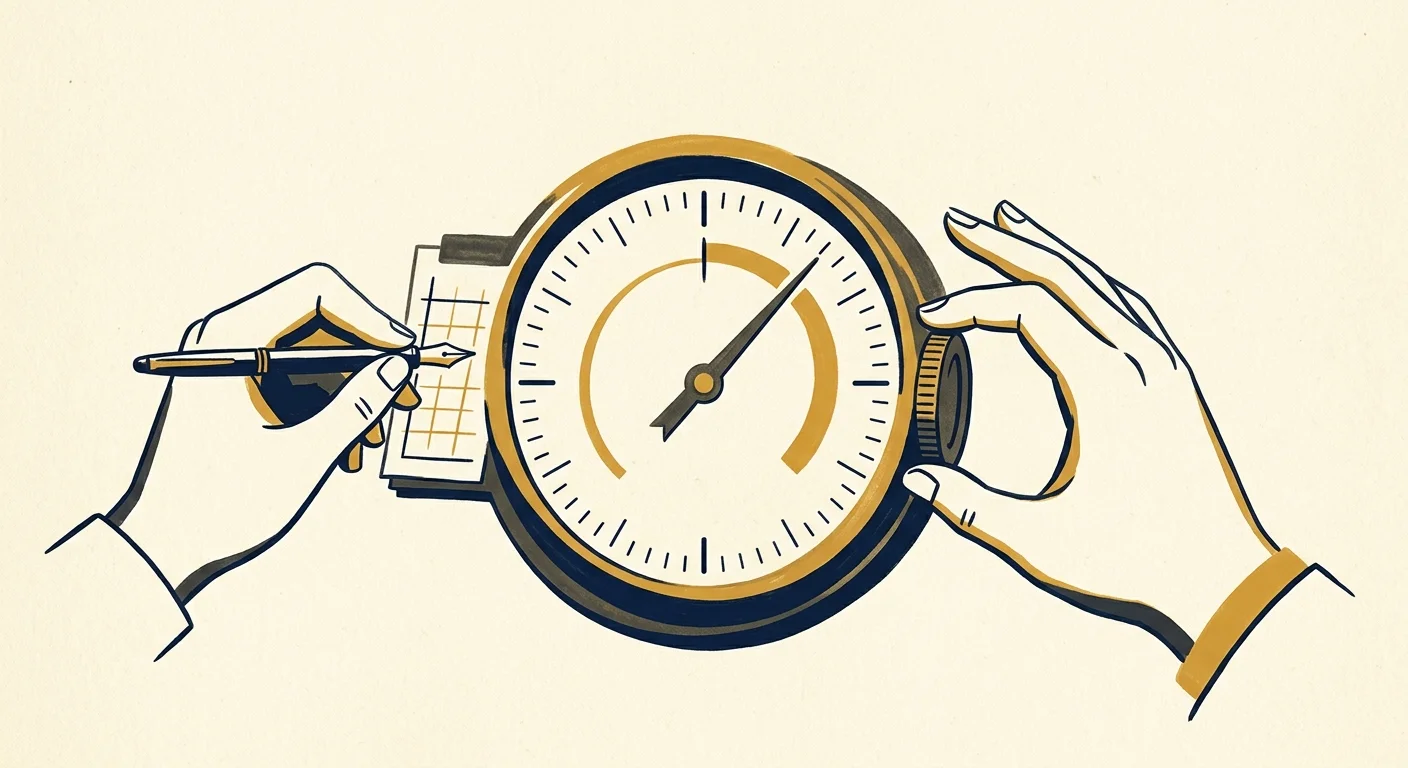
Achieving optimal cardiovascular health requires balancing pharmacotherapy with evidence-based lifestyle habits. Adopting a structured approach ensures that your blood pressure remains stable while reducing reliance on higher drug dosages.
Nutritional Alignment and Sodium Awareness: Focus on potassium-rich whole foods like leafy greens and avocados while keeping sodium intake below 1,500 milligrams daily. Check nutrition labels carefully, as hidden sodium in processed foods elevates arterial pressure and antagonizes your medication benefits.
Targeted Movement and Vascular Health: Engaging in 150 minutes of weekly aerobic activity—such as brisk walking, swimming, or cycling—strengthens your heart and enhances arterial elasticity. Exercise prompts blood vessels to release nitric oxide, a natural vasodilator that lowers vascular resistance.
Mindset and Stress Regulation: Chronic stress elevates cortisol and adrenaline levels, constricting blood vessels. Daily stress-reduction practices—such as deep breathing or progressive relaxation—calm your nervous system and prevent pressure spikes.
Proactive Clinical Partnership: Using tracking tools from National Heart, Lung, and Blood Institute guidance helps you monitor trends accurately, allowing your provider to make data-backed adjustments during checkups.

Clinical Insights and Real Voices
Expert clinicians stress that adjusting blood pressure medication is a routine part of chronic care, not a failure of treatment. Leading cardiologists emphasize that patient self-advocacy paired with reliable home logs provides the clearest path toward safe blood pressure control.
Cardiovascular nurse specialists warn patients never to alter or discontinue medications independently. Abruptly stopping blood pressure drugs—especially beta-blockers—can cause dangerous rebound hypertension. Clinicians recommend bringing your home blood pressure monitor to your appointment so your healthcare team can calibrate your device against clinical standards.
Frequently Asked Questions
How long does it take to adapt to a new blood pressure medication?
Most blood pressure medications require two to four weeks to reach full therapeutic effectiveness. You may experience mild symptoms like minor fatigue or lightheadedness as your body adapts. If bothersome side effects persist beyond two weeks, contact your provider. Personalized care is essential, as individual metabolism affects drug absorption.
Can I cut my blood pressure pill in half if my readings are low?
Never split or alter your pill doses without explicit medical approval. Many blood pressure medications use extended-release formulations. Splitting these tablets breaks their outer coating, releasing active ingredients too quickly, which can cause severe side effects or dangerous drops in blood pressure.
What should I do if my home blood pressure monitor shows erratic readings?
Inconsistent readings usually stem from improper cuff placement or measuring techniques. Rest quietly for five minutes before taking a reading, keep your feet flat, and support your arm at heart level. If readings remain erratic, bring your monitor to your clinic to test its accuracy against manual equipment.
How do lifestyle modifications affect my need for antihypertensive drugs?
Positive changes like weight loss, reduced sodium, and regular exercise naturally lower baseline vascular resistance. As your cardiovascular health improves, your doctor can often lower your medication dosage safely, showing why lifestyle strategies remain essential for long-term care.
Next Steps and Moving Forward
Optimizing your blood pressure management requires paying close attention to how your body responds to treatment. Start by logging your blood pressure twice daily for seven consecutive days. Record your numbers alongside any symptoms like dizziness, fatigue, or swelling. Reviewing these figures with resources from American Medical Association hypertension resources equips your doctor to refine your treatment. Take a moment to reflect: What subtle signs has your body given you recently, and when will you schedule your next checkup?








Leave a Reply