

Health officials have confirmed cases of a dangerous drug-resistant fungal yeast across 23 U.S. states, prompting urgent guidance from medical experts to help you protect yourself and your loved ones in healthcare settings. Recent tracking data from the Centers for Disease Control and Prevention highlights the rapid spread of Candida auris, an emerging pathogen that presents significant treatment challenges because it frequently resists standard antifungal medications. While healthy individuals face minimal risk, understanding how this organism spreads—and knowing the exact infection control measures doctors recommend—empowers you to navigate hospital visits, long-term care decisions, and personal hygiene with confidence and clear, evidence-based strategy.
The Growing Threat of Multidrug-Resistant Fungal Infections
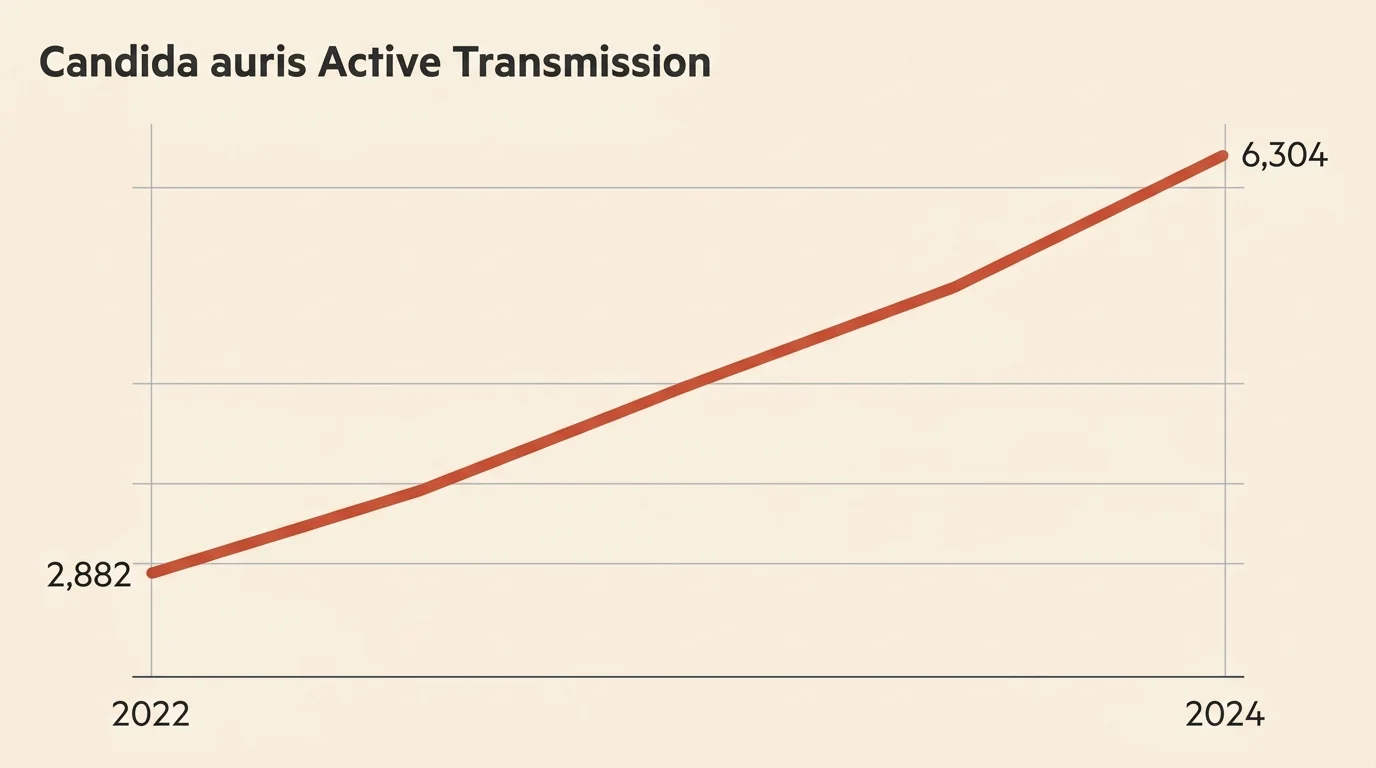
The emergence of multidrug-resistant fungi represents one of the most pressing challenges in contemporary medicine. When public health agencies first identified Candida auris in the United States back in 2016, clinical cases were relatively rare and localized. However, national surveillance reveals a stark trajectory; annual clinical cases surged from 2,882 in 2022 to an alarming 6,304 cases in 2024. As of August 2026, active transmission has been documented in 23 states, signaling that this persistent fungal yeast has established a firm foothold in healthcare infrastructure across the country.
Unlike typical yeast species that live harmoniously on human skin or cause manageable localized discomfort, Candida auris behaves like an opportunistic superbug. The organism demonstrates extraordinary environmental survival skills, clinging to stainless steel bedrails, IV lines, blood pressure cuffs, and medical monitors for weeks at a time. Global health organizations, including the World Health Organization health advisories, classify antifungal resistance as a critical global health threat. The primary concern stems from the ability of C. auris to develop resistance to all three major classes of antifungal drugs—including echinocandins, which doctors consider the final line of defense.
When an invasive bloodstream infection occurs, the consequences can be devastating. CDC data estimates that mortality rates for patients who develop systemic Candida auris infections range between 30% and 60%. Although many of these individuals suffer from complex, pre-existing chronic conditions, the presence of an untreatable fungal pathogen drastically reduces their chances of recovery. Understanding these clinical reality numbers should not cause panic; rather, it should motivate you to adopt active advocacy and preventive habits whenever you or your family interact with high-risk medical environments.
Recognizing Candida Auris Symptoms and Risk Profiles
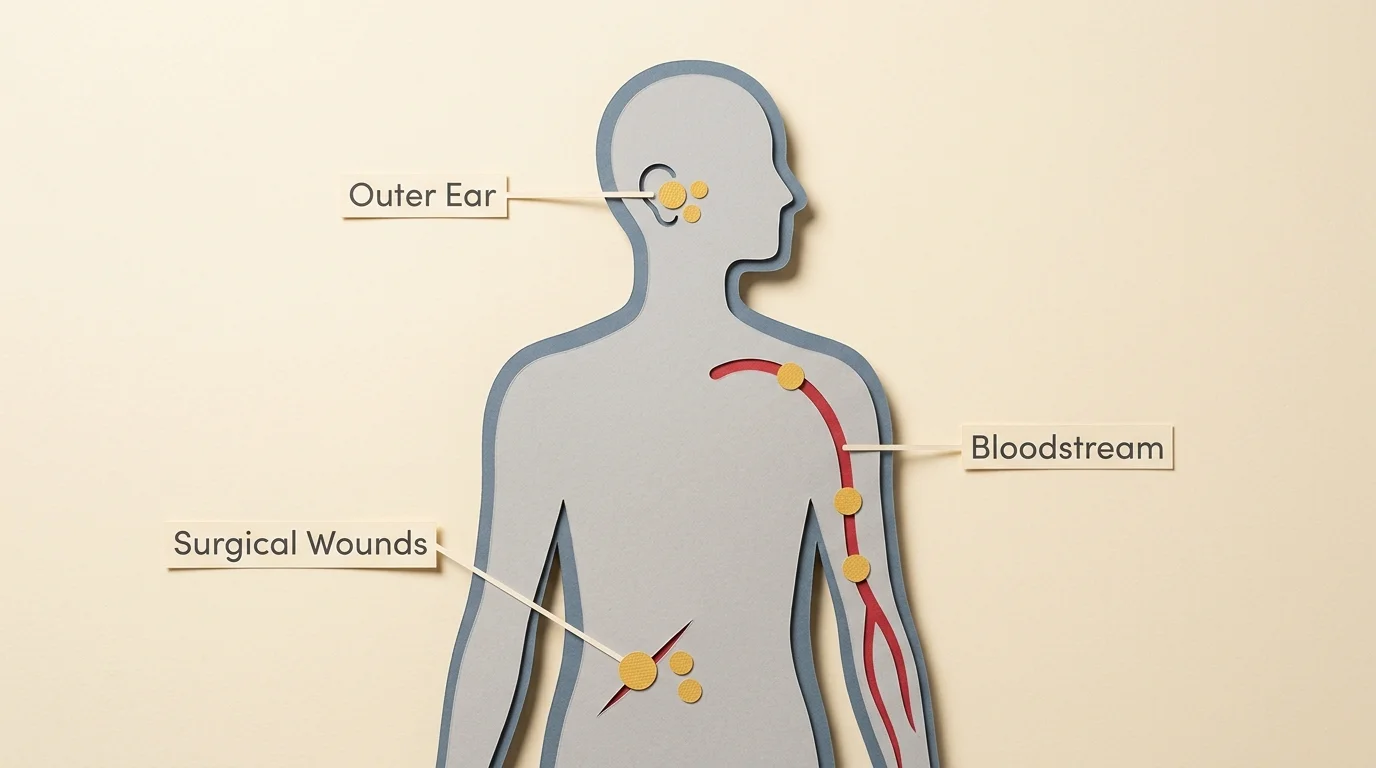
Recognizing the signs of a Candida auris infection requires understanding where the yeast typically strikes and how it manifests in vulnerable individuals. The pathogen primarily colonizes body sites such as surgical wounds, the outer ear canal, urinary tracts, and the bloodstream. Because C. auris frequently affects patients who are already hospitalized or managing severe health challenges, its symptoms often blend into existing illness patterns, making early clinical detection surprisingly difficult.
The hallmark symptom of an invasive fungal infection is a persistent fever and body chills that fail to resolve after a patient receives broad-spectrum antibiotics. Because antibiotics target bacteria rather than fungi, administering them to a patient suffering from Candida auris does nothing to curb the organism’s growth; in fact, heavy antibiotic use can inadvertently eliminate beneficial bacteria, allowing the resistant yeast to proliferate unchecked. If you or a family member experience unexplained fever during or following a hospital stay, requesting a dedicated fungal culture from your healthcare provider is a vital diagnostic step.
Surveillance data collected by public health experts between 2022 and 2024 demonstrates that approximately 88% of clinical Candida auris infections occurred in adults aged 45 and older. The vast majority of these patients were residing in long-term acute care hospitals or nursing facilities, often utilizing invasive medical devices such as central venous catheters, feeding tubes, or mechanical ventilators. Conversely, healthy children and adults without severe underlying health conditions or invasive tubing face an exceptionally low risk of contracting a serious infection.
Pillar 1: Proactive Patient Advocacy in Medical Facilities
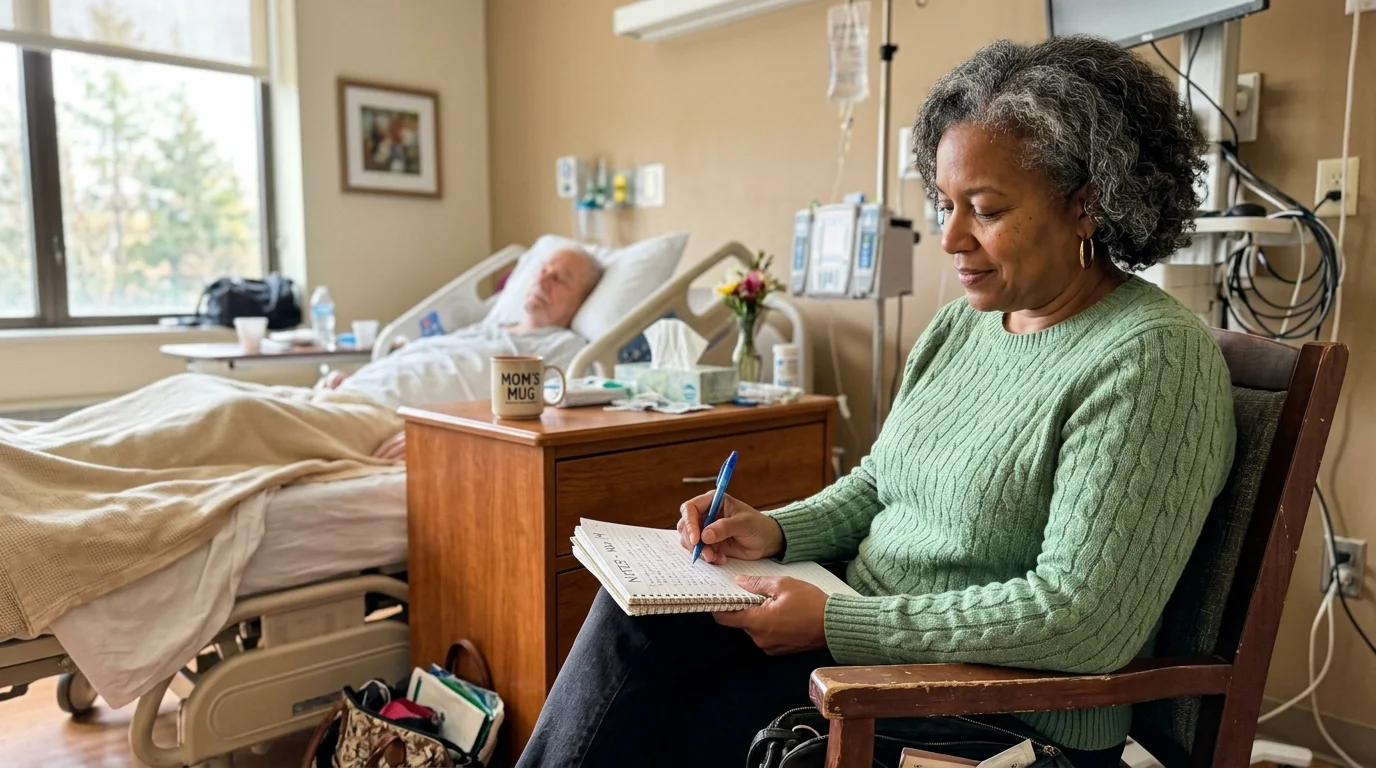
Protecting vulnerable loved ones begins with active, informed self-advocacy during medical admissions and extended facility stays. Healthcare settings represent the primary vector for fungal transmission, meaning your vigilance as a family member or patient advocate can directly influence clinical outcomes. When a relative enters a long-term care facility or hospital, taking time to discuss infection control protocols with the nursing staff establishes a proactive standard of care.
Start by asking direct, respectful questions regarding the facility’s screening protocols for drug-resistant pathogens. Inquire whether incoming patients from other medical centers undergo routine surveillance cultures for Candida auris before room assignment. Furthermore, you should politely verify that clinicians, nurses, and physical therapists sanitize their hands and wear appropriate protective gear—such as gowns and gloves—before touching invasive line sites or managing wound dressings.
Monitoring the management of invasive medical devices is equally crucial. Intravenous lines, urinary catheters, and breathing tubes breach the body’s natural cutaneous barrier, giving lingering yeast a direct pathway into the bloodstream. You can review guidelines provided by National Institutes of Health clinical research repositories to understand proper catheter maintenance, and never hesitate to ask doctors when temporary medical devices can be safely removed to reduce infection risk.
Pillar 2: Rigorous Infection Control and Hand Hygiene
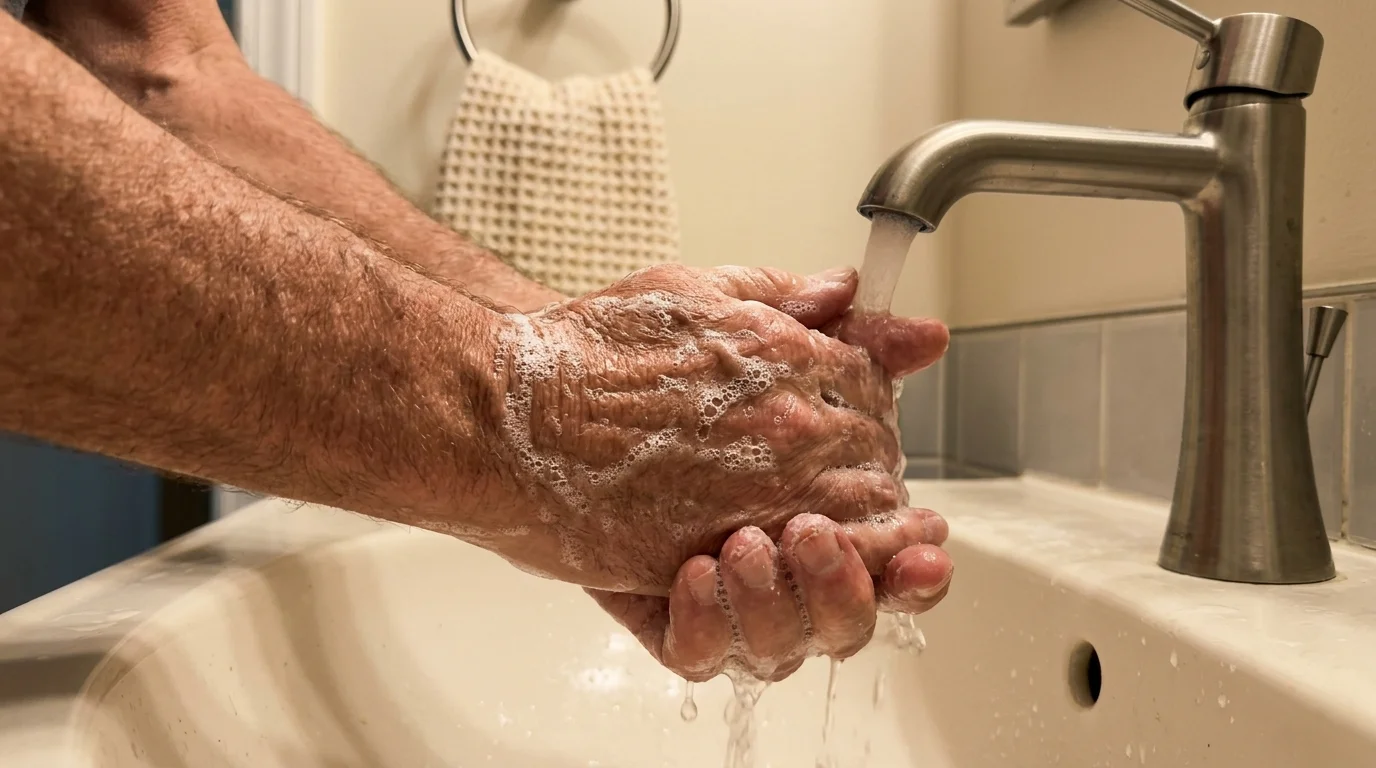
Hand hygiene remains the single most effective barrier against the mechanical transfer of fungal spores. Candida auris can colonize human skin without causing immediate symptoms, allowing visitors and healthcare workers to unknowingly carry the yeast from one room to another. Whether you are visiting a hospitalized friend or caring for an elderly relative at home, washing your hands thoroughly with warm water and soap for at least twenty seconds before and after every contact provides indispensable protection.
When soap and water are not immediately available, alcohol-based hand sanitizers containing at least 60% alcohol serve as a reliable alternative for routine hand decontamination. However, keeping the physical environment clean requires specialized chemicals. Standard household cleaning products and basic disinfectant wipes often fail to eradicate resistant fungal spores from hard surfaces; hospitals must utilize targeted disinfectants to keep patient rooms safe.
If you are caring for a high-risk individual at home after a hospital discharge, ensure that you select products listed on the Environmental Protection Agency disinfectants list engineered specifically against Candida auris. Regularly wiping down high-touch surfaces—such as bedrails, door handles, remote controls, and mobility walkers—dramatically reduces the microbial load in your home environment, safeguarding vulnerable family members during their recovery.

Pillar 3: Supporting Baseline Immune Resilience
While physical barriers and sanitization mitigate external exposure, supporting your body’s intrinsic physiological defenses remains a vital long-term strategy. Individuals with well-managed chronic conditions and balanced metabolic health demonstrate far greater resilience when encountering environmental pathogens. Prioritizing blood sugar regulation is particularly essential, as elevated glucose levels create favorable biological conditions for fungal proliferation across mucous membranes and skin folds.
Focus on nutrient-dense dietary patterns rich in leafy vegetables, lean proteins, fermented foods, and diverse fiber sources that support a robust gut microbiome. A flourishing internal microbiome competes against opportunistic organisms, helping maintain healthy barrier integrity throughout your digestive system. Additionally, prioritizing consistent sleep patterns and manageable stress reduction techniques helps maintain baseline immune function, ensuring your white blood cells can effectively suppress minor exposures.
Always consult your primary care physician or a registered dietitian nutritionist before initiating aggressive supplementation regimens or drastic dietary shifts, especially if you manage pre-existing conditions like diabetes, kidney disease, or autoimmune disorders. Sustainable lifestyle habits, paired with professional medical oversight, ensure your immune system operates at peak capacity without interfering with essential prescription therapies.

Real Voices: Clinical Perspectives from the Medical Field
Infectious disease specialists emphasize that combating drug-resistant organisms requires equal parts institutional discipline and public awareness. Clinical experts from major academic medical centers report that early identification remains the hardest hurdle in controlling localized outbreaks. When medical teams identify Candida auris quickly through proactive lab screening, swift contact isolation measures can prevent the yeast from colonizing entire hospital units.
Frontline nurses and clinical epidemiologists stress that patients and caregivers should feel empowered rather than intimidated when speaking up about hygiene standards. Clinical protocols recommended by the Infectious Diseases Society of America guidelines stress that hand hygiene compliance among medical staff improves significantly when care facilities foster an open culture of mutual accountability and transparent patient communication.
Frequently Asked Questions About Drug-Resistant Fungus
What makes Candida auris different from typical fungal yeast infections?
Unlike common yeast infections caused by Candida albicans, Candida auris exhibits widespread multidrug resistance, making it resistant to standard antifungal medications. It survives on inanimate surfaces for weeks, colonizes human skin asymptomatically, and easily spreads within healthcare environments, posing a severe threat to critically ill individuals.
How do doctors diagnose a Candida auris infection in a hospital setting?
Physicians diagnose Candida auris by obtaining specialized blood, wound, or urine cultures and analyzing them with advanced laboratory technology, such as MALDI-TOF mass spectrometry or genomic sequencing. Standard rapid yeast cultures often misidentify C. auris as other fungal species, making specialized laboratory testing essential for accurate identification and appropriate treatment planning.
Are healthy family members at risk when visiting hospitalized relatives?
Healthy children and adults face an extremely low risk of contracting a serious Candida auris infection. The organism primarily targets individuals with compromised immune systems, severe underlying illnesses, or invasive medical devices like central catheters; however, healthy visitors must still practice diligent hand hygiene to prevent accidentally carrying the yeast to other vulnerable patients.
What treatment options remain if a fungal strain shows drug resistance?
When treating resistant strains, infectious disease specialists utilize specialized high-dose antifungal combinations or newer, novel antifungal agents designed to bypass standard resistance pathways. Doctors tailor treatments precisely based on laboratory susceptibility testing, while simultaneously managing underlying health conditions and removing unnecessary invasive catheters to help the body clear the pathogen.
Taking Action to Protect Your Long-Term Health
Navigating news about drug-resistant pathogens can feel overwhelming, but actionable knowledge restores control to your hands. By mastering proper hand hygiene, asking proactive questions during medical stays, and supporting your baseline immune resilience through balanced lifestyle choices, you build an effective shield for yourself and your family.
Take a moment today to reflect on your current family healthcare routines and medical preparedness. What is one practical step you can take right now—such as adding high-grade sanitizer to your travel bag or discussing infection screening before an upcoming medical procedure—to ensure your loved ones stay safe and empowered?









Leave a Reply