

Bone cancer is one of the many types of cancers that develop in the bones. As a general rule, cancers that initiate in the bone are known as primary bone cancers. Tumors that begin in organs or any other part of the body can easily spread to the bones. Some of the most common treatments include surgery, radiation therapy, or even chemotherapy.
When cancer cells grow in the bone, it can do a lot of harm to the other normal bone tissues. The type of cells and tissue that foster cancer also determines the type of bone cancer. Cancers that form in the bone itself are known as primary bone cancers.
There are plenty of tumors that start in the organs or any other parts of the body. These growths are also known as secondary or even metastatic. For instance, breast, prostate, and lung tumors generally metastasize to the bones.

How common is it?
Bone cancers are definitely rare. In fact, they make up less than 1% of cancers in the United States. As they can develop at any age, they are way more common in children, teenagers and young adults than in older ones.
Where does bone cancer start?
It mainly depends on the type of bone cancer you suffer from. There are four main types of primary bone cancer:
- osteosarcoma – Probably the most common type of bone cancer, also known as osteosarcoma, usually develops in the cells where new bone tissue forms. It can really develop in any bone, although it generally begins at the ends of large bones like the arms and legs. Providers generally diagnose osteosarcoma in children and teenagers.
- Ewing sarcoma – named after the first doctor who described this particular type of bone cancer, encompasses many different tumors with similar qualities. It is believed to begin in the same types of cells. All these tumors can easily form in the bones and in the closest soft tissues. Ewing sarcoma generally grows in the hips, ribs, and shoulder blades, or even on long bones like the legs.
- Chondrosarcoma – Chondrosarcoma initiates in a tissue called cartilage. This cartilage is a super soft connective tissue that facilitates the movement between bones and joints. Some cartilage parts become bone when the body adds more calcium to it. This type of cancer generally forms in the arm, leg, or even pelvis bones. However, unlike osteosarcoma or Ewing sarcoma, chondrosarcoma happens more in adults than in younger people.
- Chordoma – This extremely rare tumor initiates in the bones of the spine, which are usually at the base of the spine or even at the base of the skull. Just like chondrosarcoma, chordoma takes place mainly in older adults. However, men are more likely to suffer from this type of bone cancer than women.
Can a benign bone tumor turn out to be cancerous?
Yes, although it’s wildly uncommon. However, people with benign bone tumors could still need some treatment to reduce the risk of other issues like weak bones, joint problems and even the destruction of healthy bone tissue.
What do we need to know about bone cancer staging?
Staging is mainly determined by the size and location of the tumor, but also if the cancer has spread to other areas. Primary bone cancer is also defined into four stages:
- Stage 1: The tumor is still low-grade, and the cancer cells are localized in time;
- Stage 2: The cancer cells are localized, but the tumor is high-grade;
- Stage 3: The tumor is quite high-grade and the cancer has spread to other areas within the same bone;
- Stage 4: Cancer spreads from the bone to other areas of the body, like the lungs and the liver.
Symptoms & causes
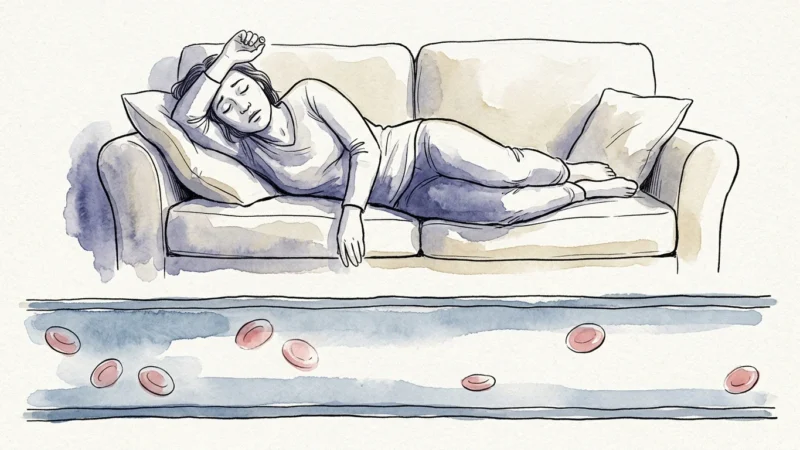
Some people who suffer from bone cancer don’t present any symptoms, besides feeling a painless lump. For others, however, there’s a variety of symptoms that can develop. These symptoms could occur because of different conditions, like arthritis, or even Lyme disease, which could further delay the diagnosis. However, the most common signs of bone cancer include pain (which worsens during night), unexplained swelling, difficulty moving around, feeling extra tired, and fever.
Diagnosis and tests
To effectively diagnose bone cancer, your healthcare provider will use X-rays to view images of the respective bones. They can use magnetic resonance imaging (MRI) or even CT (computed tomography) scans to present more detailed images of the areas around the bones which are generally obtained before any treatment.
To properly confirm the diagnosis, your healthcare provider might provide a biopsy, where a very small piece of tissue is removed from the bone and examined under a microscope. Then, a biopsy offers specific information about the cancer, including its location. Having this type of information helps providers know exactly which course of treatment might work best for the specific cancer.

How do you treat bone cancer?
Bone cancer treatment depends a lot on the type of cancer, whether it managed to spread or not, and if so, where. People who have bone cancer generally work with a strong team of healthcare providers to effectively deal with the condition.
This group also includes doctors who specialize in cancer (whether we’re talking about oncologists or radiation oncologists) but also doctors who specialize in bones and joints (orthopedic surgeons).
Bone cancer treatment generally involves a diverse combination of approaches. Moreover, the type and duration of such treatments also depend on a series of factors, including the type of bone cancer, the size of the tumor, and whether it has spread to any other parts of the body. The treatment that’s most common includes:
- surgery – the surgeon removes the tumor and a chunk of healthy tissue around it. They could also repair or effectively rebuild affected bones with real or even artificial bone grafts. At times, an entire limb needs to be removed to treat cancer. In this case, an artificial limb (prosthetic) could be used. But it’s worth mentioning that sometimes, repeat surgery might be needed, especially if other cancer cells weren’t removed the first time around.
- radiation therapy – This treatment is known to shrink tumors with high doses of X-rays. Healthcare providers also use radiation before surgery to shrink the tumor so less tissue is ultimately removed.
- chemotherapy – This specific type of treatment kills cancer cells throughout the body with a certain medicine. People generally receive this medicine by swallowing a pill or even having it injected into a vein. The provider can use chemotherapy as a treatment for the primary bone cancers or the bone cancers that spread.
Can bone cancer be prevented?
As experts don’t know what exactly causes this type of cancer, there’s currently no effective way to prevent it. And since radiation therapy (which is another known cause of bone cancer) is needed for treating other types of cancer, it can’t really be avoided altogether.
What’s the outlook for people with bone cancer?
In most cases, bone cancer is successfully treated. In such instances, cancer never returns. Sometimes, people require multiple surgeries to accomplish such an outcome. However, other people with bone cancer might keep a prolonged treatment, including radiation therapy and chemotherapy, to keep the cancer from spreading.
These treatments could also go indefinitely to control cancer. It’s also very important to follow up with your healthcare provider.
If you found this article useful, we also recommend: Hair Loss: 19 Ways to Save Your Hair








Leave a Reply